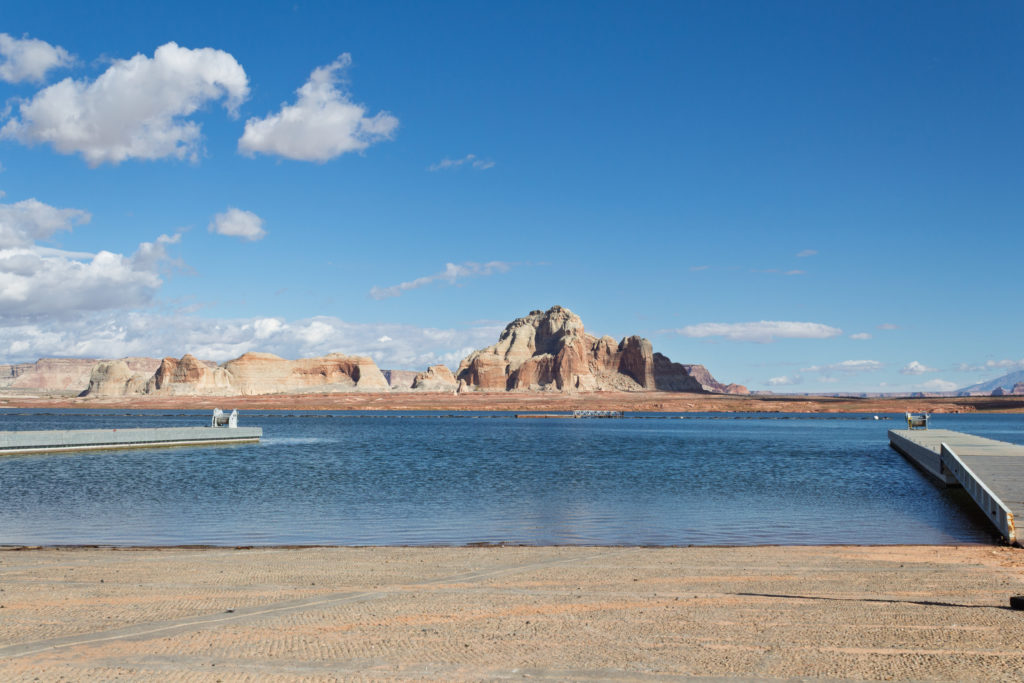
Floods bring rare relief to U.S. Southwest reservoirs as Lake Powell rises 20 feet
Summary
Flooding across the U.S. Southwest has sent water into depleted reservoirs and aquifers after a dry winter and years of drought. Lake Powell has risen more than 20 feet since mid-September, but it remains just over one-quarter full, and officials say the storms are unlikely to change Colorado River water-release decisions before snowpack peaks, usually around April.Key Facts
- Storms in late October and early November caused flash flooding, evacuation orders, and road or area access disruptions across parts of the Southwest.
- Lake Powell rose more than 20 feet from its mid-September low, far more than it gained from this year’s snowmelt.
- Lake Powell remained just over one-quarter full, and 15 of its 17 boat launches were unusable as of Friday.
- Pagosa Springs, Colorado, received about 7 inches of rain in October, and the town lifted water restrictions that had applied to more than 10,000 people.
- Upper Lake Mary, which supplies Flagstaff, Arizona, with up to 40% of its water, received more than 3 billion gallons since early October.
- Floodwaters in central Arizona fed streams flowing into the Verde River, and officials released water from two nearly full dams into a normally dry stretch of the river near Phoenix.
- The region remains in drought, and the Bureau of Reclamation is unlikely to change Colorado River water releases before snowpack peaks, typically around April.
Read the Full Article
This is a fact-based summary from The Actual News. Click below to read the complete story directly from the original source.