If hackers can take over a supermarket fridge, what else is at risk?
Summary
Cyberattacks in October and November 2026 disrupted supermarket refrigeration systems in France and other European countries, spoiling food and raising concern about internet-connected equipment. The article says weak passwords, exposed systems and outdated software can let attackers control devices and may expose other equipment on the same network.Key Facts
- Attackers raised the temperature of refrigeration units at about 700 French stores on October 11 and 12, with some reaching 50C.
- A second suspected cyberattack wave on November 2 affected supermarkets and food businesses in at least nine European countries.
- France blamed the first attack on Shahid Kaveh, a cyberunit affiliated with Iran’s Islamic Revolutionary Guard Corps; authorities had not identified who was behind the second wave.
- The article says attackers reportedly found supermarket systems using Shodan, a search engine for internet-connected devices.
- France’s National Cybersecurity Agency chief said the systems had basic security failures, including direct internet exposure, weak or default passwords, and outdated equipment.
- Attackers used refrigeration controllers’ defrost function to raise temperatures, according to the article.
- The same kinds of connected systems are used in healthcare to store vaccines and hazardous materials, the agency chief warned.
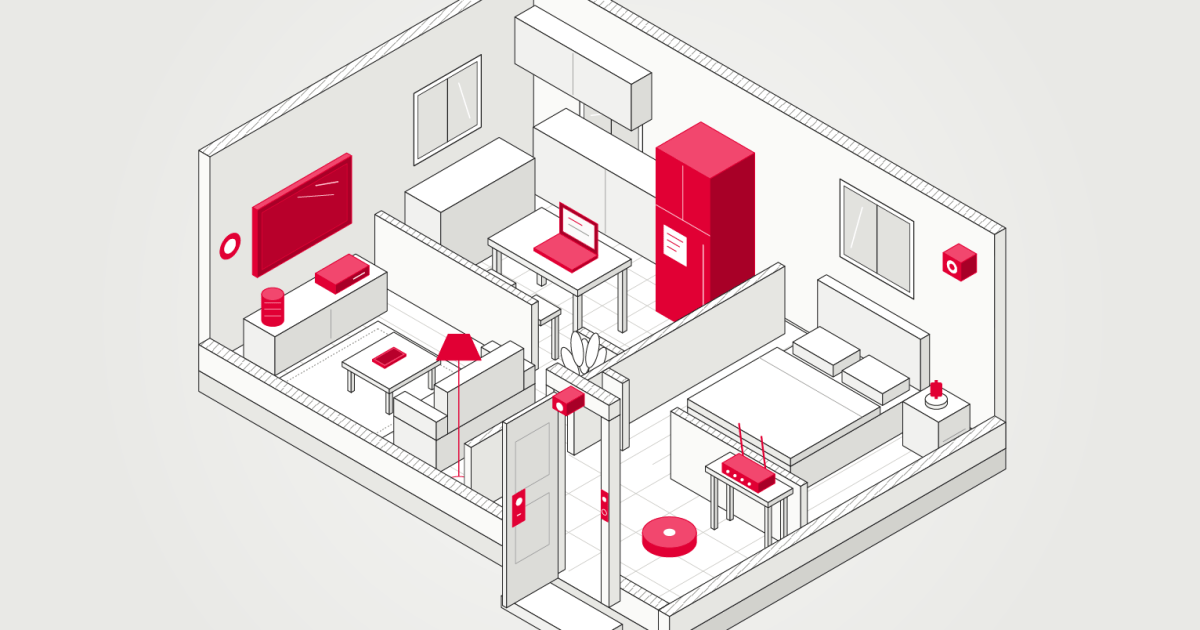
- The article also describes risks involving routers, smart TVs and robot vacuums, including reported access to vacuum cameras, audio and floor plans.
Read the Full Article
This is a fact-based summary from The Actual News. Click below to read the complete story directly from the original source.