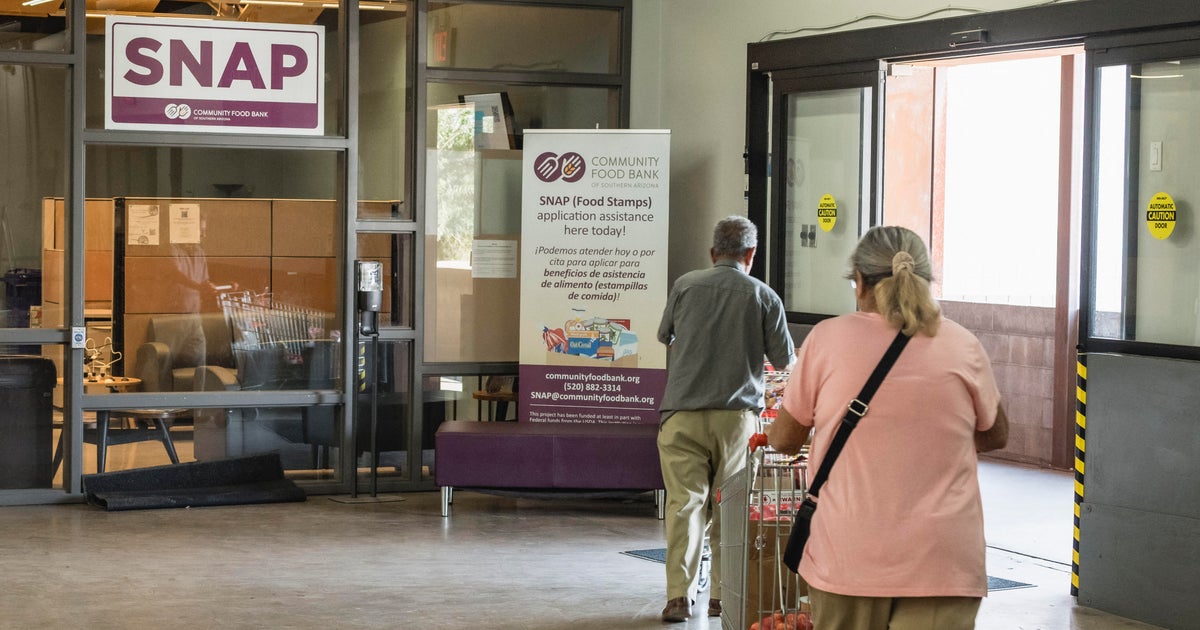
SNAP proposal would increase food insecurity, critics say
Summary
The USDA has proposed limiting automatic SNAP eligibility for households that receive certain non-cash benefits through the Temporary Assistance for Needy Families program. The agency projects the rule would reduce SNAP enrollment by about 17%; critics say it could increase food insecurity, while the Trump administration says it aims to ensure benefits go to eligible people who need them most.Key Facts
- The USDA introduced the proposed rule on Tuesday and is seeking public comment.
- The proposal would restrict broad-based categorical eligibility, a policy used by more than 40 states.
- Under the proposal, households above SNAP income limits would not qualify based on receiving non-cash TANF benefits such as child care assistance or job training.
- The USDA projects the change would reduce SNAP enrollment by roughly 17%.
- The proposed rule would take effect in 2029 if adopted.
- The proposal follows expanded SNAP work requirements under the One Big Beautiful Bill and a requirement that states cover a larger share of program administration costs starting Oct. 1.
- USDA figures cited in the article say more than 5 million Americans lost access to food stamps after the One Big Beautiful Bill was enacted in July 2025.
Read the Full Article
This is a fact-based summary from The Actual News. Click below to read the complete story directly from the original source.