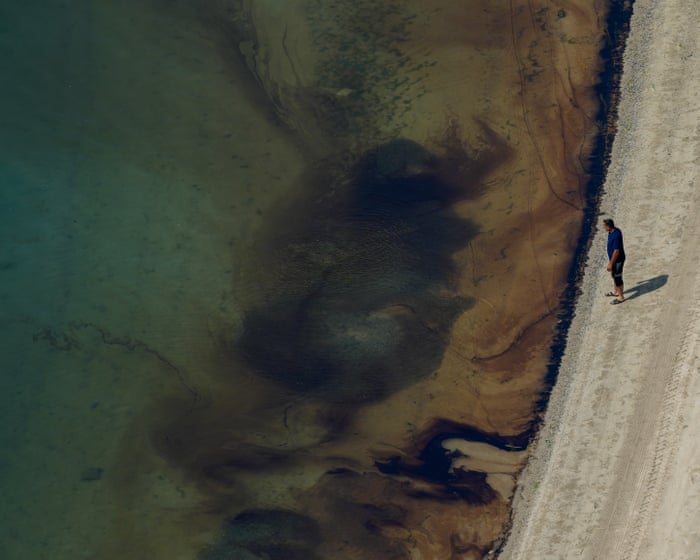
Oil slicks seen from space: the devastating impact of boat strikes on fragile Gulf ecosystems
Summary
Missile and mine attacks on oil tankers during the U.S.-Iran war have caused oil spills in the Strait of Hormuz and nearby waters, threatening Gulf coastlines and marine habitats. Satellite monitoring has recorded hundreds of spill events, while a naval blockade has made it difficult to assess the pollution on the ground.Key Facts
- The Strait of Hormuz connects the Gulf with the Arabian Sea and contains coral reefs, mangroves and seagrass meadows.
- Greenpeace identified more than 500 instances of oil spills across the Gulf, the Strait of Hormuz and the Arabian Sea since the war began on February 28.
- Greenpeace said adding the daily mapped spill footprints produced a cumulative total of about 20,000 square kilometres; this is an accumulation of mapped footprints, not necessarily a single continuous spill area.
- Greenpeace reported more than 133 attacks on oil tankers since the conflict began.
- The Washington Institute for Near East Policy reported more than 30 confirmed or reported attacks in the Strait of Hormuz and nearby waters in October.
- A strike on the tanker Gem No 2 off the UAE in October produced an oil slick more than 21 miles long, according to the article.
- An environmental researcher said two Iranian naval vessels struck in March continued leaking oil for months.
Read the Full Article
This is a fact-based summary from The Actual News. Click below to read the complete story directly from the original source.


