Children’s exposure to home wood-burning could be as significant as traffic exhaust, study suggests
Summary
Measurements in six European towns and cities found that wood-burning can contribute substantially to children’s exposure to polycyclic aromatic hydrocarbons (PAHs), pollutants produced by burning fuel. PAH levels were highest in Colchester and Athens, and winter levels in Colchester homes were much higher than summer levels; the researchers said none of the cities exceeded limits for unacceptable lifetime cancer risk.Key Facts
- Researchers measured PAHs in homes, schools and sports centres in Athens, Barcelona, Colchester, Copenhagen, Helsinki and Lisbon.
- Colchester and Athens had the highest PAH levels, while Barcelona and Lisbon had the lowest.
- PAH exposure in Colchester and Athens exceeded World Health Organization guidelines.
- Sports centres had the lowest PAH concentrations, followed by schools.
- In Colchester homes, winter concentrations of high-molecular-weight PAHs were more than 10 times summer concentrations; low-molecular-weight PAHs were about three times higher.
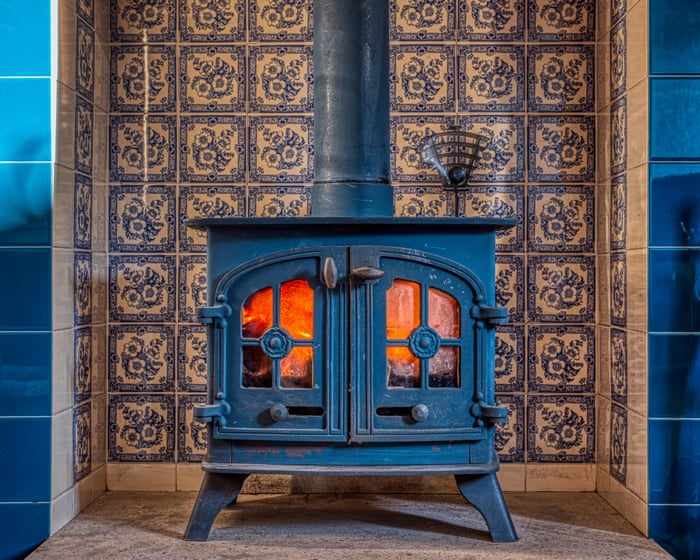
- Homes with wood-burning appliances, including open fireplaces and stoves, were among those with the highest PAH levels.
- A separate study of 53 children in Anglesey found that children in homes with wood burners could face more than three times the particle pollution exposure of children in homes without them.
- Researchers said none of the six cities exceeded limits for unacceptable lifetime cancer risk.
Read the Full Article
This is a fact-based summary from The Actual News. Click below to read the complete story directly from the original source.