Bigger and more-frequent wildfires threaten water supplies across the U.S.
Summary
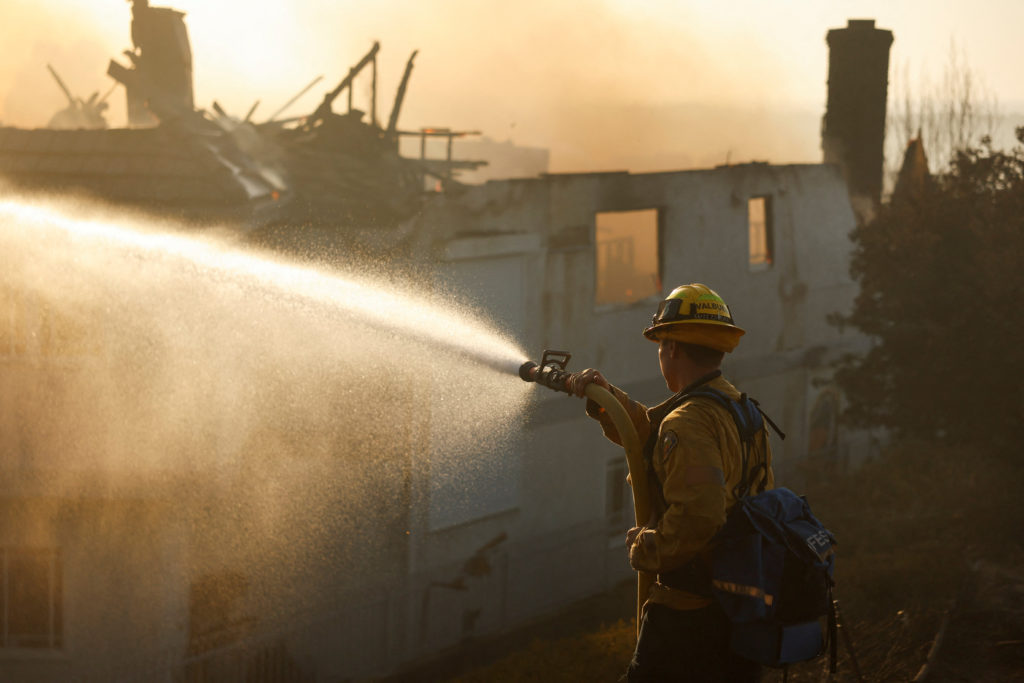
Wildfires can send ash, sediment, metals and organic matter into rivers and streams that supply drinking water. Research indicates that wildfire-related water-quality effects can last for years, while communities and water utilities face costly treatment challenges and sometimes need backup water supplies.Key Facts
- In 2026, 68,179 wildfires had burned more than 14,062 square miles in the United States.
- Forested watersheds supply water to nearly two-thirds of U.S. municipalities.
- A University of Colorado Boulder study found water-quality effects in burned watersheds can last up to eight years.
- Rain can carry ash and organic matter from burned land into streams that supply water-treatment plants.
- Wildfires can increase heavy metals and dissolved organic matter in water, which treatment plants may not be designed to handle.
- The 2022 Hermit's Peak/Calf Canyon wildfire contaminated the Gallinas River, disrupting water supplies in Las Vegas, New Mexico.
- Las Vegas, New Mexico, provided bottled water and brought in water tanks while raising funds to build a new treatment plant.
- Some water utilities may need to shut off river-water intakes or use other sources after wildfire contamination.
Read the Full Article
This is a fact-based summary from The Actual News. Click below to read the complete story directly from the original source.