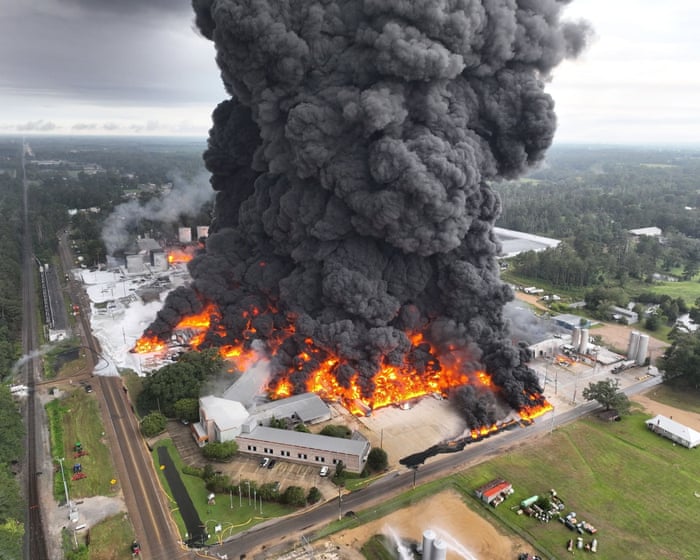
Flying blind: inside the decline of the EPA’s chemical-detection plane
Summary
The EPA’s Aspect plane, built to detect hazardous chemicals during emergencies, has responded to only seven incidents since early 2021. An EPA inspector general found that the plane can no longer identify chemicals within minutes, while former program staff say the agency has lost the expertise and initiative needed to use it effectively.Key Facts
- The EPA received the airborne chemical-sensing program from the Department of Defense after the September 11, 2001, attacks.
- Aspect has flown more than 80 emergency missions during its 25-year history.
- The plane did not respond to an ammonia leak in Weatherford, Oklahoma, a refinery fire in Port Arthur, Texas, or deadly explosions at a Toledo recycling plant.
- The EPA inspector general found that chemical data now requires manual analysis, which can take about a week.
- The EPA says the plane’s sensors are wearing out and expects replacement sensors to be working by mid-2027.
- Former program staff say experienced personnel left after the EPA required staff to relocate to Texas in 2019.
- Former Aspect staff criticized the agency’s handling of the 2023 East Palestine derailment and the 2025 Smitty’s Supply fire in Louisiana.
Read the Full Article
This is a fact-based summary from The Actual News. Click below to read the complete story directly from the original source.