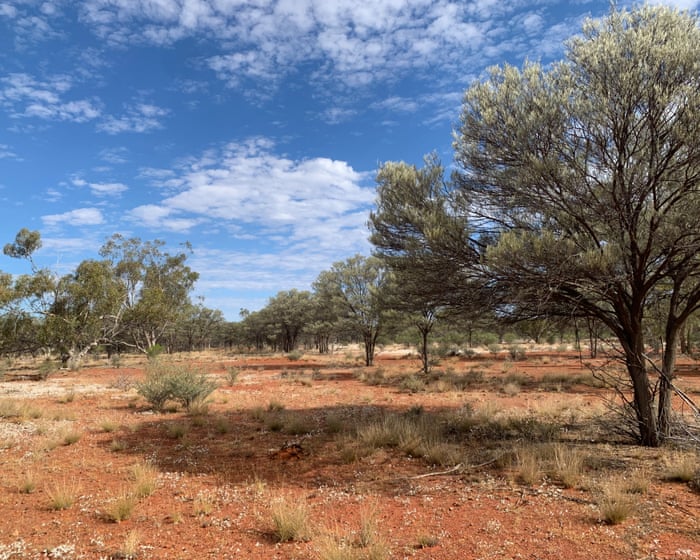
‘Phantom forests’ in Australia’s arid outback used to create carbon credits meant to offset emissions, report claims
Summary
Researchers examined 50 forest-regeneration projects in semi-arid north-western New South Wales and said tree cover grew only slightly over five years, despite wet conditions. They argued that the projects generated credits without substantial forest regrowth, while project managers disputed the findings and said the projects were working.Key Facts
- The research examined 50 human-induced regeneration projects used to generate Australian carbon credits.
- The researchers reported only a small increase in forest and tree-crown cover in the project areas over five years.
- The projects have generated more than 60 million carbon credits, which researcher Andrew Macintosh said could be worth up to A$2 billion.
- GreenCollar, which manages carbon projects, rejected the criticism and said evidence showed the projects were working.
- Under Australia’s safeguard mechanism, covered industrial polluters can buy carbon credits to count toward their emissions obligations.
- The Australian Conservation Foundation said low-quality credits were weakening the safeguard mechanism and called for coal and gas companies to be barred from counting offsets as their own emissions cuts.
- More than 430 human-induced regeneration projects have operated in Australia since 2013, covering 38 million hectares.
Read the Full Article
This is a fact-based summary from The Actual News. Click below to read the complete story directly from the original source.