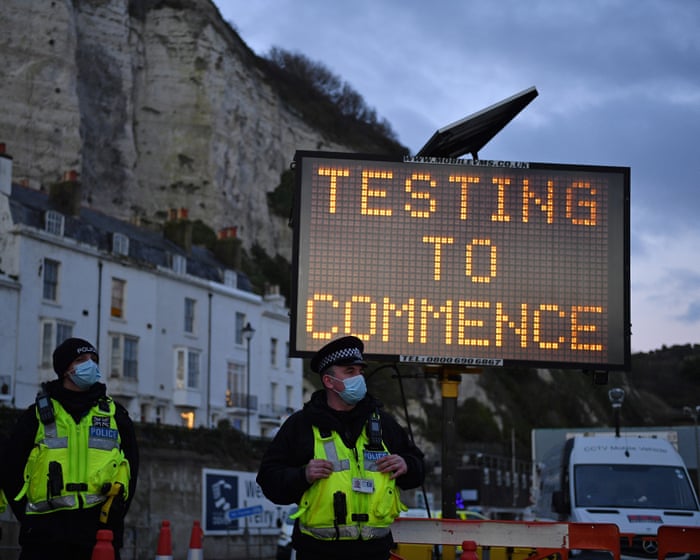
Lack of early border controls made UK ‘extremely vulnerable’ to Covid, inquiry finds
Summary
The UK Covid-19 inquiry concluded that weak border controls and delays in building a test-and-trace system left the country poorly equipped to limit the virus’s spread in early 2020. Chair Heather Hallett said the UK remained exposed to international travel for months and recommended stronger contact-tracing plans, a nationwide digital tool and financial support for people who isolate.Key Facts
- The inquiry said the UK lacked an effective nationwide test, trace and isolate system when the pandemic began.
- More than £25bn was spent on England’s NHS test-and-trace system, which Hallett said was introduced too late.
- In February 2020, the UK asked travellers from some high-risk areas to self-isolate but did not impose broader travel restrictions until June.
- A coach carrying tourists from Wuhan entered England in February 2020 and travelled to Scotland, Northern Ireland and the Republic of Ireland.
- The inquiry identified 18 February 2020, when the UK had nine confirmed cases, as an opportune time to introduce travel restrictions.
- By April 2020, 93% of countries had introduced measures such as travel restrictions, flight suspensions or border controls.
- Hallett recommended a UK-wide digital contact-tracing tool, plans to expand manual tracing and financial support for people who self-isolate.
- The inquiry’s test, trace and isolate findings were its seventh report among 10 planned.
Read the Full Article
This is a fact-based summary from The Actual News. Click below to read the complete story directly from the original source.


