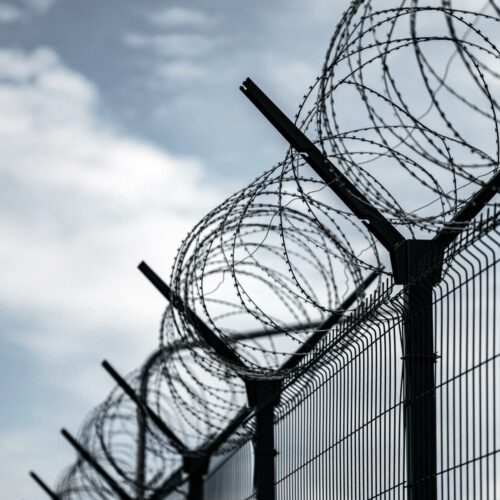
Prisons get OK to jam contraband phones. CTIA says nearby phones will be jammed too.
Summary
The Federal Communications Commission voted to allow state and local prisons and jails to use cellphone jammers against contraband devices. The approval includes an application and testing process intended to keep jamming within prison grounds, while CTIA says a pilot test found interference with emergency and other lawful communications beyond the target area.Key Facts
- The FCC approved an exception allowing state and local correctional facilities to use jamming technology, which had previously been barred for non-federal entities.
- Facilities that choose to use jammers must apply to the FCC and demonstrate through testing that the signal stays within the designated area and does not interfere with lawful communications outside it.
- FCC Chairman Brendan Carr said nearby communities will receive notice before jamming operations begin.
- CTIA said a pilot test involving Virginia Tech Applied Research Corporation and the South Carolina Department of Corrections blocked 911 calls and disrupted public-safety communications.
- CTIA said the test caused interference to wireless network infrastructure as far as two and a half miles away.
- CTIA also said jamming failed to block targeted phones in some outdoor recreation-area tests, where calls went through in one-half to two-thirds of attempts.
- Carr said contraband phones have been used to plan scams, drug trafficking and violent attacks, and cited an estimate that as many as 500,000 inmates nationwide regularly have access to them.
Read the Full Article
This is a fact-based summary from The Actual News. Click below to read the complete story directly from the original source.