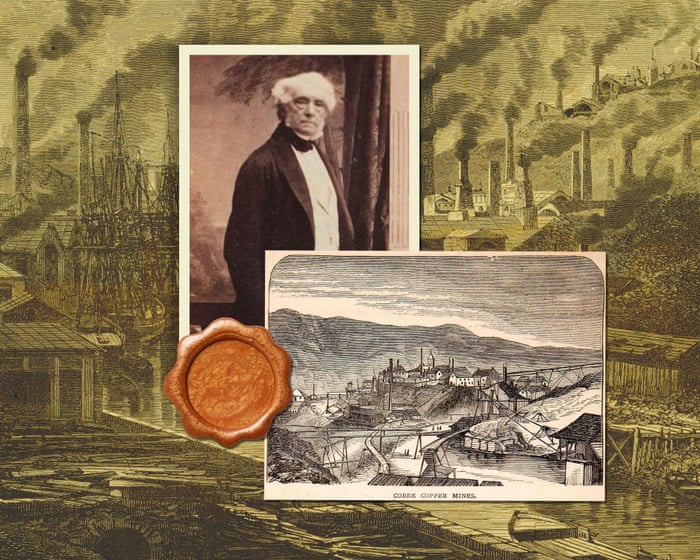
Highly lucrative: Bank of England directors illegally profited from post-abolition enslavement in Cuba
Summary
Historian Chris Evans found that British businesses linked to Bank of England directors Charles Pascoe Grenfell and William Thompson profited from enslaved labor at Cuba’s El Cobre copper mine after Britain abolished slavery in most of its empire in 1833. The mine supplied copper to British firms, and its enslaved workers faced violence and torture until Cuban revolutionaries captured the town in 1868.Key Facts
- El Cobre was near Santiago de Cuba and supplied copper ore to British businesses during the Industrial Revolution.
- Charles Pascoe Grenfell was a partner in the Cobre mining and export company and also a partner in the Swansea smelter Pascoe, Grenfell & Sons.
- William Thompson directed the Royal Santiago Company, which exported ore from the mine.
- Britain abolished its trade in enslaved people in 1807 and slavery in most of its empire in 1833.
- Enslaved workers at El Cobre were likely trafficked to Cuba through illegal voyages from the Bight of Biafra, in present-day Nigeria.
- Investors who held Cobre shares from the start received £102 in dividends for each £40 share between 1836 and 1865.
- Cuban revolutionaries captured El Cobre from Spanish forces in November 1868, ending enslavement at the mine.
Read the Full Article
This is a fact-based summary from The Actual News. Click below to read the complete story directly from the original source.