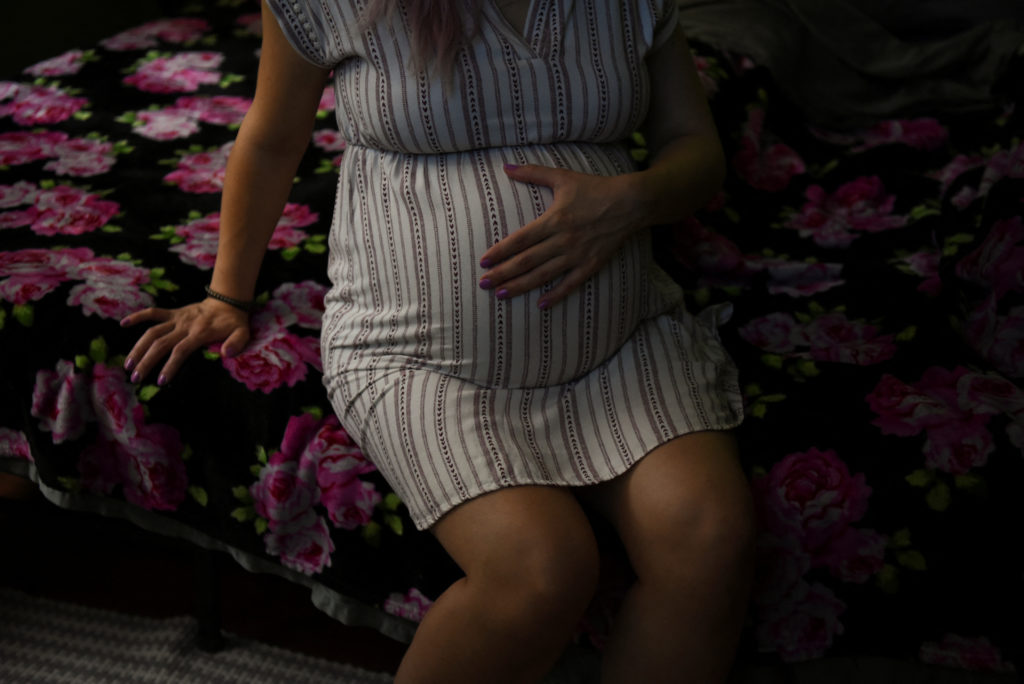
Appeals court says federal law requiring accommodations for pregnant workers is unconstitutional
Summary
The 5th U.S. Circuit Court of Appeals ruled 9-8 that the Pregnant Workers Fairness Act was unconstitutional because the House allowed members to vote by proxy when it passed the law in 2022. The decision blocks the law in Texas, Louisiana and Mississippi, according to advocates, and may lead to an appeal to the U.S. Supreme Court.Key Facts
- The Pregnant Workers Fairness Act requires employers to provide reasonable accommodations for needs related to pregnancy and childbirth.
- The House passed the act in December 2022 as part of a government spending package while using COVID-era proxy voting rules.
- The 5th Circuit majority said members of Congress must be physically present to count toward a quorum.
- The decision applies to Texas, Louisiana and Mississippi, which fall within the 5th Circuit's jurisdiction.
- Texas Attorney General Ken Paxton sued to block the law in 2023, arguing that it was unconstitutional.
- A federal judge blocked enforcement of the law for Texas state employees in 2024.
- Eight judges dissented, noting that no House member objected to the lack of a quorum when the spending bill passed.
- A Better Balance said it expected the ruling to be appealed to the U.S. Supreme Court.
Read the Full Article
This is a fact-based summary from The Actual News. Click below to read the complete story directly from the original source.