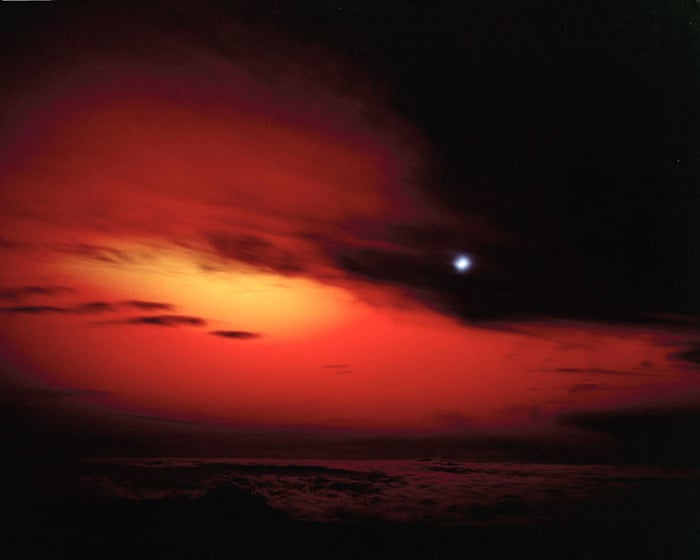
What would happen if Russia detonated a nuclear weapon in space?
Summary
German media outlets, citing Western intelligence assessments, said Russia may launch a nuclear-enabled satellite this year. A nuclear explosion in low Earth orbit could damage or disable satellites through radiation, with effects potentially lasting for years and disrupting communications, navigation, weather monitoring and other services.Key Facts
- German broadcasters NDR and WDR and the newspaper Süddeutsche Zeitung said Western intelligence services believe a nuclear-enabled satellite called Sputnik-S was assembled several years ago and is stationed near Moscow.
- A German government spokesperson said the intelligence claims were being taken very seriously.
- A nuclear explosion in space would release radiation rather than create a mushroom cloud, because space has no atmosphere.
- Radiation from a detonation in low Earth orbit could damage or disable satellites within thousands of miles.
- The article cites about 17,000 satellites in low Earth orbit, including satellites used for weather forecasting, climate monitoring, military purposes and Starlink broadband.
- The International Space Station also orbits in low Earth orbit, while many TV broadcast and GPS satellites operate at higher altitudes.
- The 1962 Starfish Prime nuclear test created a radiation belt that lasted about five years and shortened the operating lives of the Telstar 1 and Ariel-1 satellites.
- Experts cited in the article said radiation trapped in orbit after a future detonation could take several years, and possibly up to a decade, to disperse.
Read the Full Article
This is a fact-based summary from The Actual News. Click below to read the complete story directly from the original source.