EPA finds no elevated lead levels in drinking water following Iowa explosion
Summary
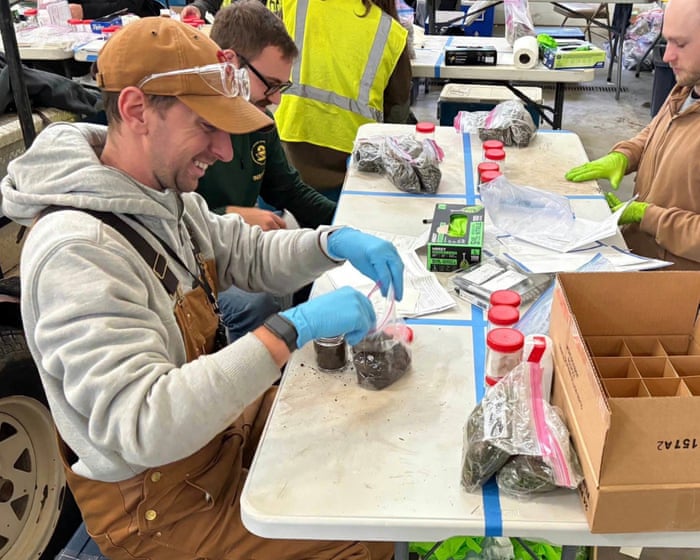
The EPA reported no elevated lead in drinking-water sources after the controlled detonation of degraded lead azide at the Iowa Army Ammunition Plant on November 25. The agency said it detected no lead in 38 post-detonation water samples and is continuing to process other environmental samples.Key Facts
- Military explosive experts detonated degraded lead azide at the Iowa Army Ammunition Plant in Middletown on November 25.
- The EPA collected 38 post-detonation water samples from public water supplies.
- The EPA detected no lead in those 38 samples, which included treated drinking water and untreated water at intake points.
- Before the detonation, the EPA sampled 35 drinking-water sources in Iowa, Illinois, and Missouri to establish baseline levels.
- The EPA monitored air for airborne lead for 30 consecutive hours after the detonation.
- The U.S. phased out lead azide in munitions production over the past decade because of its volatility.
- Army officials said the detonation was needed because the degraded material could explode uncontrollably as temperatures fell.
Read the Full Article
This is a fact-based summary from The Actual News. Click below to read the complete story directly from the original source.