Feds find no increase in lead levels in drinking water after Iowa munitions explosion
Also reported by Guardian World, PBS NewsHour, Al Jazeera, Newsweek, The Hill
Summary
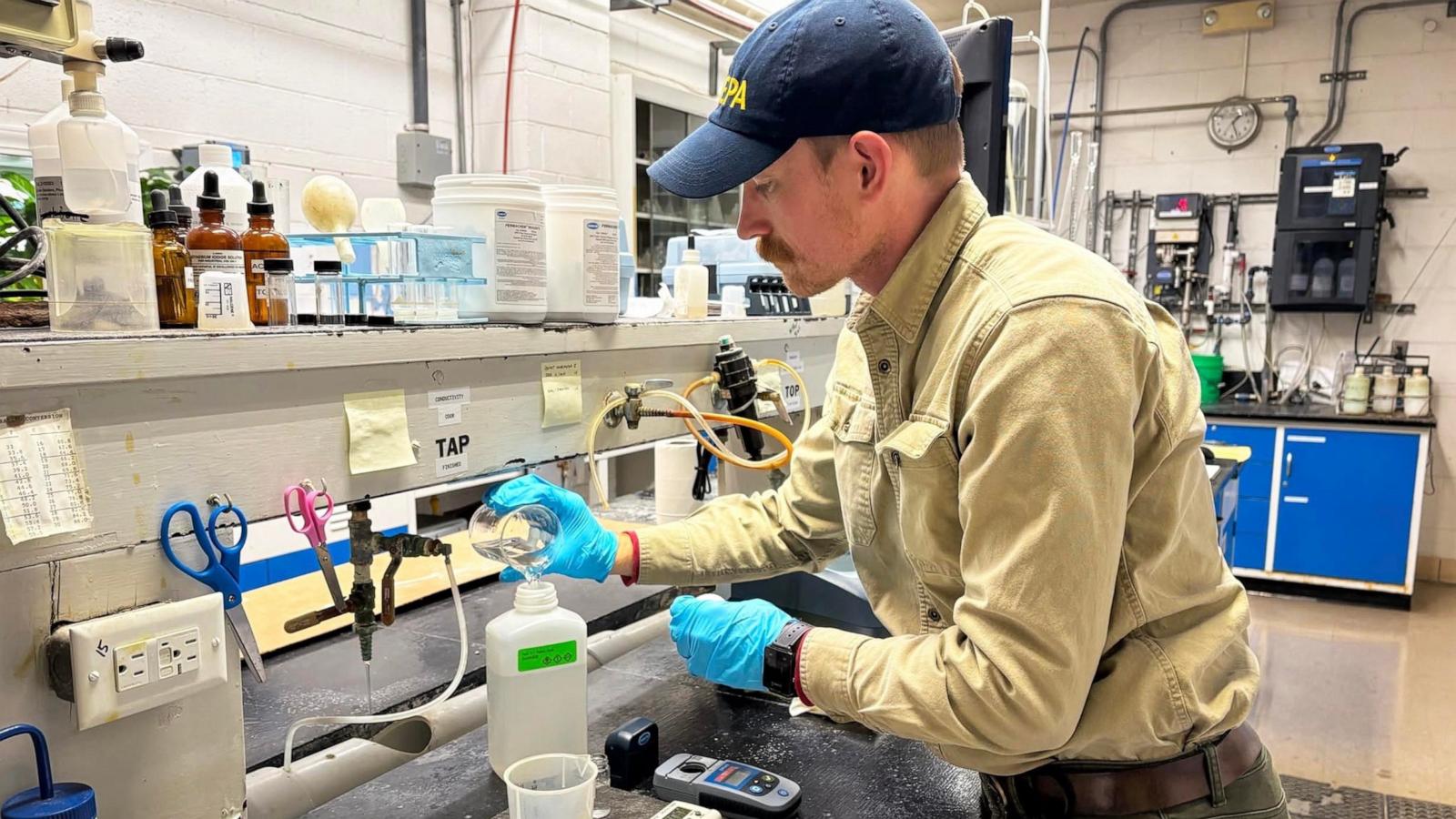
The U.S. Environmental Protection Agency found no increase in lead levels in drinking water after the Army detonated nearly five tons of lead azide at the Iowa Army Ammunition Plant in Middletown. The agency analyzed 38 water samples, while tests of soil samples continue.Key Facts
- The Army detonated 68 barrels of lead azide at the plant on Nov. 25, 2026.
- The EPA analyzed 38 samples from public water supplies near the plant.
- The samples included treated drinking water and untreated water at intake points.
- The EPA reported no increase in lead levels in the drinking water samples.
- Air tests conducted in the 30 hours after the blast found zero airborne lead, the EPA said.
- The Army said it found in March that the stored lead azide had become unstable.
- The Army said it chose to destroy the material in place because moving it risked an accidental detonation.
- EPA soil testing was still underway as of Nov. 28.
Read the Full Article
This is a fact-based summary from The Actual News. Click below to read the complete story directly from the original source.