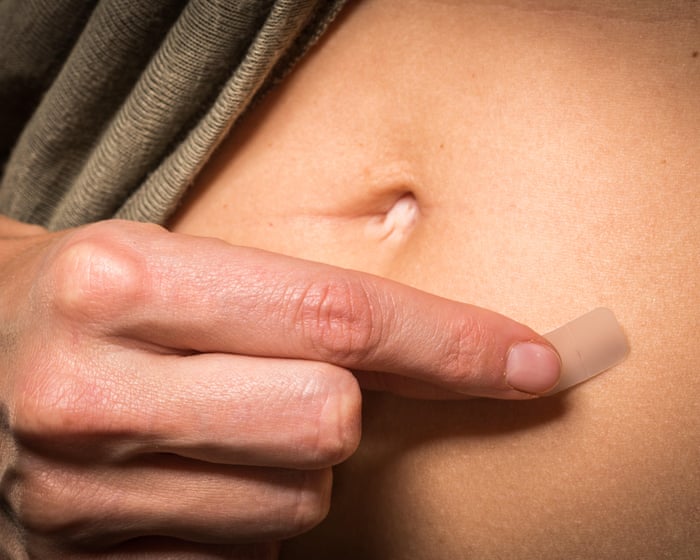
Menopause hormone therapy prescriptions surge 141% as patients face shortages
Summary
Prescriptions for menopause hormone treatments increased 141%, rising from 2 million in July 2023 to 4.9 million in June 2026. Increased demand, driven in part by social media attention and changing medical guidance, has contributed to shortages of estrogen patches and other skin-applied treatments.Key Facts
- A study led by Johns Hopkins researcher Dana Sarnak found a 141% increase in prescriptions for menopause hormone treatments.
- Prescriptions for systemic treatments applied through the skin rose from 2 million in July 2023 to 4.9 million in June 2026.
- Prescriptions began increasing in July 2024, after years of low use following 2002 Women’s Health Initiative findings and warnings added to hormone medications in 2003.
- The article identifies social media attention and changing guidance supporting individualized treatment as factors behind rising interest.
- Clinician Lauren Streicher said hormone therapy can help some people with menopause symptoms but is not appropriate for everyone.
- Streicher said hormone therapy has not been shown to prevent heart disease or Alzheimer’s disease, and she said evidence does not show that estrogen patches reduce breast cancer risk.
- Estrogen applied to the skin, including patches, gels and sprays, has a better risk profile than oral estrogen for certain conditions, including blood clots and stroke.
- The FDA convened a roundtable on menopause in July 2025 that included menopause experts and social media influencers.
Read the Full Article
This is a fact-based summary from The Actual News. Click below to read the complete story directly from the original source.