A federal judge has told Google to change how it runs auctions for online ads. The judge ruled that Google had an illegal monopoly on the technology that links advertisers with website publishers.
Key Facts
A U.S. federal judge named Leonie Brinkema made the ruling.
The judge found Google controls too much of the market for online ad auctions.
The judge ordered Google to adjust its ad auction rules.
The order aims to increase competition between advertisers and publishers.
The judge’s opinion was made public on a Wednesday.
The case is based in a U.S. district court.
The ruling follows an earlier decision from last year.
Google's ad auction system helps decide which ads appear on websites and how much advertisers pay.
Read the Original
Want the full story? Tap a source to open the original
article.
Labor's Home Affairs Minister Tony Burke said the government will improve its current immigration policy instead of cutting migration numbers sharply. He explained that immigration is needed to fill job shortages and support the economy, while targeting migrants to meet Australia's needs.
Key Facts
Tony Burke supports making the existing migration policy work better, not reducing migration drastically.
Cutting migrant numbers too much could harm Australian services and the economy.
Many skilled workers in trades like plastering in Sydney and Melbourne were born overseas.
Business groups agree that immigration is needed to address current worker shortages in many jobs.
Nearly one third of job types in Australia have not enough workers right now.
Labor plans to keep net overseas migration around 225,000 people by 2027-28.
Other parties like One Nation want to reduce migration to as low as 130,000 per year.
The government aims to balance migration numbers with public concerns and economic needs.
Read the Original
Want the full story? Tap a source to open the original
article.
A survey shows that Americans believe they need about $1.2 million saved to retire comfortably. The actual value of this amount changes a lot depending on the cost of living in different places.
Key Facts
Americans think $1.2 million is the amount needed for a good retirement.
This number comes from a survey by Schroeders.
The survey was published earlier this year.
The value of $1.2 million varies depending on where someone lives.
Living costs affect how far retirement savings will go.
Some places are more expensive, so the money doesn’t last as long.
Other areas have lower costs, letting retirees live well on less money.
Read the Original
Want the full story? Tap a source to open the original
article.
A $750,000 annuity can provide retirees with steady monthly payments to help cover their expenses. The exact payment amount depends on the retiree’s age, gender, annuity type, and payout plan, with older retirees typically receiving higher monthly payments.
Key Facts
A $750,000 annuity converts savings into regular income payments, helping retirees plan their money.
In 2026, a 60-year-old man might get about $3,975 per month, while an 80-year-old man might get about $8,625 per month from the same amount.
Women usually receive lower monthly payments because they tend to live longer.
Payments are based on how long the insurance company expects to pay out the annuity.
The type of annuity and contract terms also affect monthly income amounts.
Inflation and changing interest rates impact retirees’ income and expenses.
Other income sources like Social Security or pensions often complement annuity payments.
Monthly payment estimates are not guaranteed and vary by insurer, state, and rate environment.
Read the Original
Want the full story? Tap a source to open the original
article.
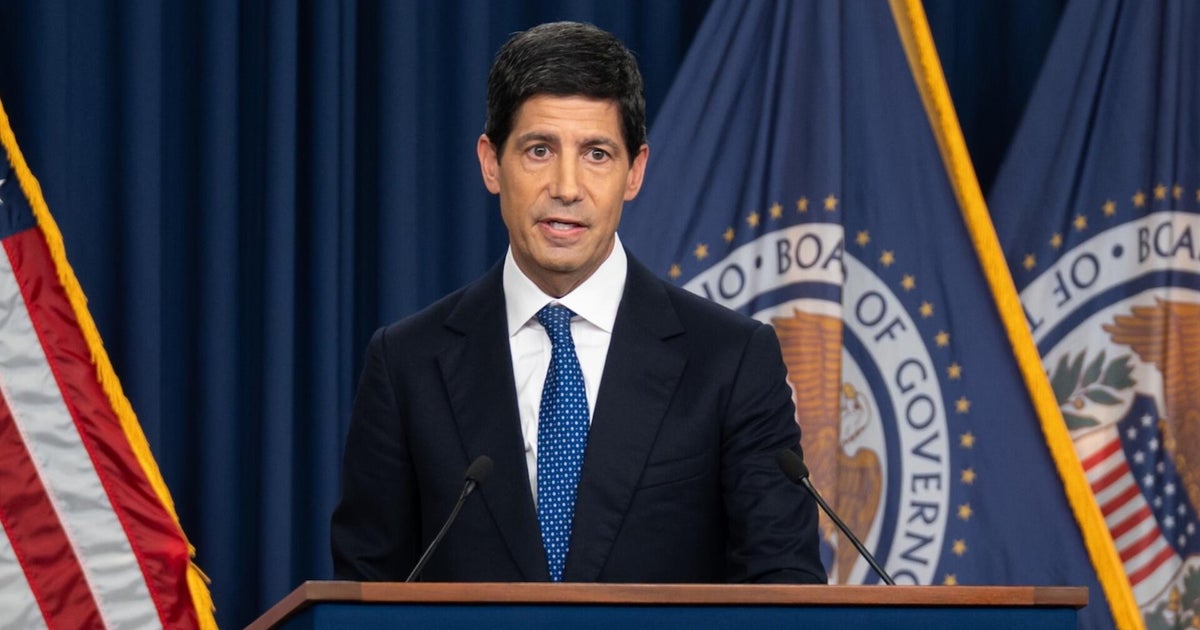
The Federal Reserve has raised interest rates for the first time since 2023. This decision may affect how much Americans pay to borrow money, including loans and credit cards.
Key Facts
The Federal Reserve increased interest rates recently.
This is the first rate hike since 2023.
Higher interest rates usually make borrowing more expensive.
This can impact personal loans, credit cards, and mortgages.
The change aims to control inflation and stabilize the economy.
Americans may notice higher monthly payments on debts.
The Federal Reserve uses interest rate changes to influence the economy.
Read the Original
Want the full story? Tap a source to open the original
article.
The article explains how a rise in interest rates affects people's finances. It discusses the impact on personal budgets and borrowing costs for Americans.
Key Facts
Interest rates have increased.
Higher interest rates make borrowing money more expensive.
Monthly payments on loans and credit cards may go up.
Savings accounts may earn more interest.
Rising rates can affect mortgage costs and car loans.
The article aims to help people understand how these changes influence their wallets.
Read the Original
Want the full story? Tap a source to open the original
article.
A popular type of squishy toy for children has been recalled because it poses a risk of serious injury or death. Federal regulators are worried about something inside the toys that can be dangerous.
Key Facts
A popular squishy toy for kids is being recalled.
The recall is due to safety concerns from federal regulators.
The danger comes from something inside the toy, not the outside.
The toy could cause serious injury or even death.
The recall aims to protect children who use these toys.
Details about the toy or the hazardous contents were not provided in the article.
Read the Original
Want the full story? Tap a source to open the original
article.
Mortgage interest rates have risen following the Federal Reserve's recent increase in interest rates to between 3.75% and 4.00%. As of September 17, 2026, the average 30-year mortgage rate is 7.37%, higher than earlier this year, affecting decisions on buying and refinancing homes.
Key Facts
The Federal Reserve raised its benchmark interest rate for the first time in over three years to 3.75%-4.00%.
This rate hike aims to reduce inflation, which has been above the 2% target.
The average 30-year mortgage rate is currently 7.37%, and the average 15-year rate is 6.62%.
These mortgage rates are about two percentage points higher than in early March 2026.
Refinance rates are 7.41% for 30-year loans and 6.75% for 15-year loans, also higher than six months ago.
Borrowers with good credit, large down payments, or adjustable-rate mortgages might find lower rates.
Refinancing may still be beneficial if borrowers can lower their rate by about 0.5% or more.
Homebuyers and homeowners are encouraged to shop around and analyze their options before deciding.
Read the Original
Want the full story? Tap a source to open the original
article.
Texas is facing a large surplus of homes for sale, which is causing home prices to drop in many parts of the state. This surplus happened because Texas built a lot of new houses during 2020-2024, but fewer people are moving there now and higher mortgage rates have made buying homes more expensive.
Key Facts
Texas gained over 2.1 million people from 2020 to 2024, sparking a big increase in new home construction.
Builders created many new homes when mortgage rates were low (around 3%), but rates have since risen to about 7%.
The number of homes for sale in Texas is about twice as many as are being bought each month.
Nearly half (48%) of homes listed in Texas have had their prices cut to try to attract buyers.
Home sales in Texas fell by 4% in July compared to the previous year.
Since August 2022, Texas housing prices have dropped by around 9%, and home inventory has increased by over 76%.
Texas cities like Dallas, Houston, Austin, and San Antonio contributed about 15% of all new homes built in the U.S. since 2020.
The housing market slowdown in Texas is called a "correction," but some experts warn it could worsen as buyers struggle with high prices and mortgage costs.
Read the Original
Want the full story? Tap a source to open the original
article.
The U.S. Securities and Exchange Commission (SEC) introduced a new order called the "innovation exemption" to promote tokenized stock trading. This order gives a five-year exemption for platforms that trade tokenized stocks, so they don't have to follow some of the usual rules for stock exchanges.
Key Facts
The SEC released the "innovation exemption" to support tokenized stock trading in the U.S.
Tokenized stock trading means using digital tokens to represent shares of stock.
The order provides two five-year exemptions related to tokenized stock trading platforms.
One exemption means these platforms are not classified as stock exchanges by the SEC.
These exemptions aim to help new technology develop in the stock trading market.
The policy is intended to encourage innovation while maintaining some regulation.
Read the Original
Want the full story? Tap a source to open the original
article.
Barclays wants its employees to work in the office at least three days a week starting next month, up from the current two days. Thousands of Barclays staff and their union are asking the bank to keep the more flexible work-from-home rules and make some exceptions for travel and childcare costs.
Key Facts
Barclays plans to increase office work to a minimum of three days per week for most staff.
The union Unite represents 36,000 Barclays workers and is opposing this change.
Staff and the union have signed a letter asking Barclays to reverse its decision.
The union’s demands include exceptions for long commutes and extra support for childcare.
Barclays says that office days vary by team, with some, like investment bankers, already working five days in the office.
The bank emphasizes balancing flexible work with in-person collaboration.
Other companies like Amazon and JP Morgan have also required more office attendance after the pandemic.
The pandemic led many companies to allow working from home, but now some want employees back in offices more often.
Read the Original
Want the full story? Tap a source to open the original
article.
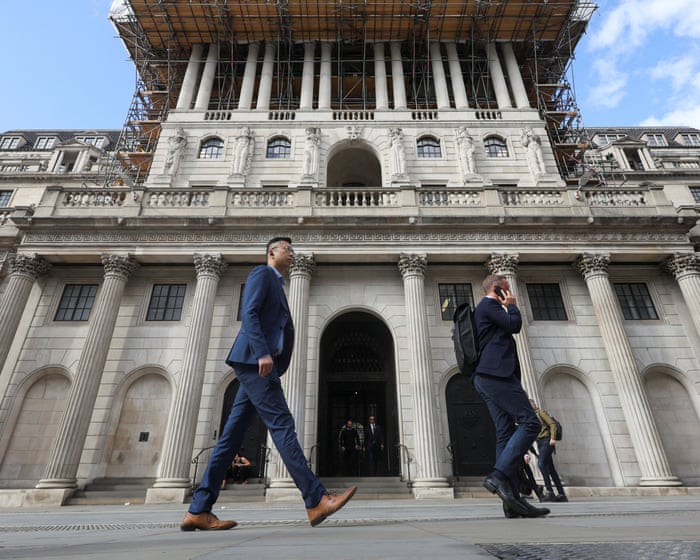
The Bank of England kept interest rates at 3.75% but warned it might raise them soon due to ongoing conflict in the Middle East. Rising oil prices and inflation are creating challenges for the UK economy and government efforts to ease the cost of living.
Key Facts
The Bank of England’s monetary policy committee decided to keep interest rates steady at 3.75% for now.
The Bank governor, Andrew Bailey, said if the Middle East conflict continues, interest rates may need to rise.
Inflation in the UK reached 3.1% in August, driven by higher fuel prices.
The Bank expects inflation to be above 4% in early 2027.
Energy prices have increased global costs and put pressure on Europe and Asia.
UK mortgage rates have already increased due to expectations of higher inflation.
New Prime Minister Andy Burnham introduced measures to help with the cost of living, like capping bus fares and reducing VAT on electricity.
Higher inflation, energy costs, and borrowing rates may outweigh those government efforts.
Read the Original
Want the full story? Tap a source to open the original
article.
Some gas stations in the U.S. have run out of diesel fuel, causing concern as diesel prices rise. However, data from fuel experts shows these shortages are limited to a few stations and not a national problem.
Key Facts
Pictures of stations without diesel have appeared on social media from places like North Texas and Florida.
Diesel prices are high partly because of conflicts in the Middle East affecting oil shipping.
The U.S.-Israel war in Iran has disrupted shipping through the Strait of Hormuz, a key route for global oil.
Shipping traffic through the Strait of Hormuz has dropped due to attacks and fighting since February.
Patrick De Haan from GasBuddy says there are no widespread diesel shortages in the U.S. based on their data.
Temporary diesel shortages at some stations can happen because of local demand or delivery delays.
Claims of widespread diesel outages are exaggerated and based on isolated cases.
Read the Original
Want the full story? Tap a source to open the original
article.
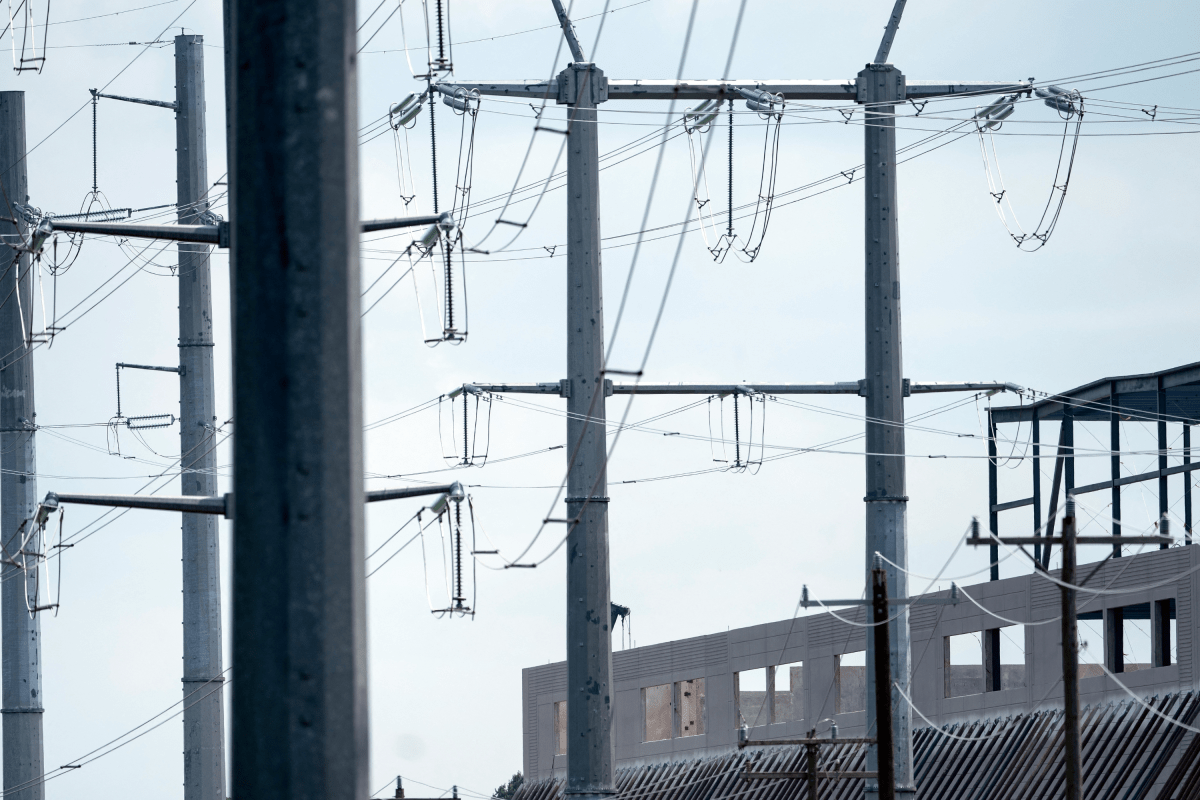
Many U.S. states and Congress are working on rules about who should pay for the electricity needed by large data centers that support AI companies like Meta, Google, and Microsoft. A new bill passed by the House suggests that very large electricity users should pay for the power plants and grid upgrades they require, instead of passing the cost to regular homes and small businesses.
Key Facts
Large data centers use a lot of electricity, causing high costs for power plants, substations, and transmission lines.
The House passed the Ratepayer Protection Act with a 417-3 vote to protect small customers from these costs.
The bill targets businesses or organizations using 100 megawatts or more of power at one location.
It requires these large users to pay the full cost for any new electricity infrastructure they need.
State utility regulators will review and decide whether to adopt the new standard; it does not force a single federal rule.
Data centers consumed about 4.4% of U.S. electricity in 2023, with consumption expected to grow by 2028.
Some states, like Florida, Oregon, Virginia, and Texas, already require large electricity users to pay infrastructure costs.
The bill aims to prevent higher electricity rates for homes and small businesses if large users reduce or delay usage.
Read the Original
Want the full story? Tap a source to open the original
article.
India’s government will start charging a 0.4 percent fee on Unified Payments Interface (UPI) transactions over 2,000 rupees ($21) made to businesses, beginning October 15. The fee aims to help cover the cost of running the digital payment system but has raised concerns among merchants about higher costs.
Key Facts
UPI is India’s digital payment system that allows instant, free payments through apps and QR codes.
From October 15, a 0.4% fee (capped at 300 rupees or about $3.13) will apply to business transactions above 2,000 rupees ($21).
Person-to-person UPI payments will remain free of charge.
A flat fee of 5 rupees ($0.05) will be charged for payments for some services like fuel, train tickets, and telecom bills.
The fee is called the Merchant Discount Rate (MDR) and shifts payment infrastructure costs to businesses.
The government bans businesses from passing the fee directly to customers, but some merchants have started charging extra to cover costs.
UPI processes nearly half of all global real-time digital payment transactions, with 24.51 billion transactions in one month worth over $10 billion daily.
UPI has been adopted in 10 countries, including Singapore, UAE, France, Sri Lanka, and Qatar.
Read the Original
Want the full story? Tap a source to open the original
article.
The Bank of England kept interest rates steady at 3.75% but warned that ongoing conflict in the Middle East could lead to future rate increases to control inflation. It also announced a plan to sell £146 billion of UK government bonds back to the Treasury, aiming to manage market stability and public finances ahead of the next budget.
Key Facts
The Bank of England’s base interest rate remains at 3.75%.
The ongoing Middle East war has caused energy prices to rise, increasing inflation risks.
Inflation in the UK is expected to reach 4% by early next year due to higher energy costs.
The Bank’s rate-setting committee voted 6-3 to keep rates unchanged.
The Bank plans to sell £146 billion of government bonds to the Treasury by 2034.
Selling bonds back to the Treasury is a new move to reduce market instability and public finance pressures.
The Bank paused its current program of selling bonds to investors until a deal with the government is reached.
This bond sale is part of the Bank’s quantitative tightening, reversing earlier bond-buying during financial crises.
Read the Original
Want the full story? Tap a source to open the original
article.
This article explains how artificial intelligence (AI) might affect your money and investments. It gives advice on how to protect your finances from possible ups and downs in the market because of AI changes.
Key Facts
AI is a popular topic right now and many people wonder how it will impact their finances.
The article discusses what AI means for your investment portfolio (the collection of your investments).
It offers tips on how to guard your money against possible market changes caused by AI developments.
The article also includes advice on preparing for major career changes related to AI.
The information is presented by Jill and Mark on CBS News’ Money Moves segment.
Read the Original
Want the full story? Tap a source to open the original
article.
Inflation is rising again because oil prices have gone over $100 a barrel due to ongoing conflicts in the Middle East. Central banks are now thinking about raising interest rates, even though this can slow economic growth, to help manage higher energy costs affecting families and businesses.
Key Facts
Oil prices surged past $100 a barrel recently.
The Iran war has been ongoing for six months, disrupting the Strait of Hormuz, a key oil route.
Advances by the Houthi movement threaten Saudi Arabia’s oil supply.
Energy costs are increasing household and business expenses.
Central banks usually did not raise interest rates after oil price shocks before.
Raising interest rates now could slow economic growth but might help control inflation.
Policymakers are reconsidering past decisions because of these new challenges.
Read the Original
Want the full story? Tap a source to open the original
article.
A new virtual queuing system for visitors with disabilities will be introduced first at Alton Towers and later at other Merlin theme parks. The system allows users to wait for rides via an app instead of physical lines, and disability groups have praised the improvements.
Key Facts
The new Ride Access Pass (Rap) system will start at Alton Towers at the end of the year.
It will later be used at other Merlin parks, such as Thorpe Park and Legoland Windsor.
The virtual system lets visitors queue through an app and get notified when their turn is near.
The eligibility for the Rap remains the same for people with physical, emotional, or learning needs.
The system was created with input from disability charities and groups like the National Autistic Society and Scope.
The previous plan to limit physical Rap use for some conditions caused public backlash and was paused.
The new virtual queue means pass holders wait the same time as others but can wait in more comfortable places.
Merlin aims to improve visitor experience and make parks more inclusive for people with disabilities.
Read the Original
Want the full story? Tap a source to open the original
article.