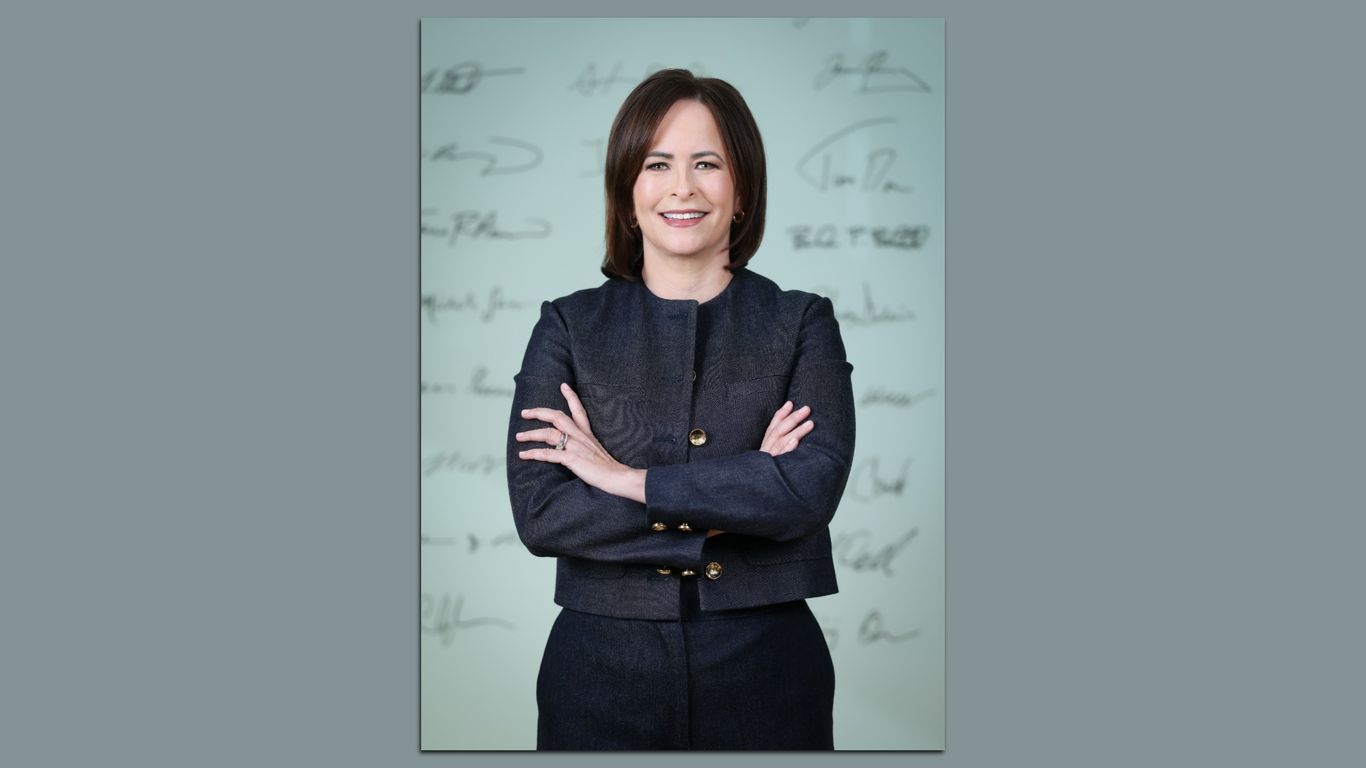
Kristen Silverberg will become the new president and CEO of Business Roundtable on February 1, succeeding Josh Bolten, who has led the group for ten years. Business Roundtable is a key organization where CEOs of major U.S. companies share important business views with the government.
Key Facts
Kristen Silverberg is currently the president and chief operating officer of Business Roundtable.
She served as U.S. ambassador to the European Union from 2008 to 2009.
Silverberg worked in the White House with Josh Bolten, the outgoing CEO.
The Business Roundtable includes CEOs from over 200 major U.S.-based companies.
The organization focuses on promoting policies to support American business growth and job creation.
Silverberg was an assistant secretary of State under President George W. Bush.
She graduated from Harvard College and the University of Texas School of Law.
Josh Bolten plans to join several major boards and aims to visit all 30 Major League Baseball stadiums with his son.
Read the Original
Want the full story? Tap a source to open the original
article.
Prime Minister Andy Burnham said he is ready to make hard choices about government spending and denied claims that his government is following a "tax and spend socialist" approach. He plans to keep tax rates steady but faces challenges due to rising borrowing costs and inflation partly caused by global events.
Key Facts
Andy Burnham rejected the idea that his government is focused on raising taxes and spending more.
Former Bank of England economist Andy Haldane said investors worry Burnham won't cut public spending.
Burnham said he has already made tough decisions, like changing government spending priorities and canceling a digital ID program.
The UK faces rising costs to borrow money, making it harder to stick to budget targets.
Burnham promised not to raise income tax, VAT, or National Insurance rates.
The government also plans to keep debt and spending levels set by the previous administration.
Rising inflation has been linked to international issues, including the situation in the Middle East.
Burnham committed about £1.8 billion to help with the cost of living, partly by moving money within government budgets.
Read the Original
Want the full story? Tap a source to open the original
article.
The UK is experiencing a rise in shoplifting incidents. Retailers and officials are trying to understand the reasons behind this increase in theft from stores.
Key Facts
There has been a noticeable increase in shoplifting across the UK.
Retail businesses are concerned about losses caused by stolen goods.
Authorities and retailers are looking for explanations for the rising thefts.
The situation is being called a "shoplifting crisis" by some media.
The article focuses on the retail sector and its challenges related to theft.
Read the Original
Want the full story? Tap a source to open the original
article.
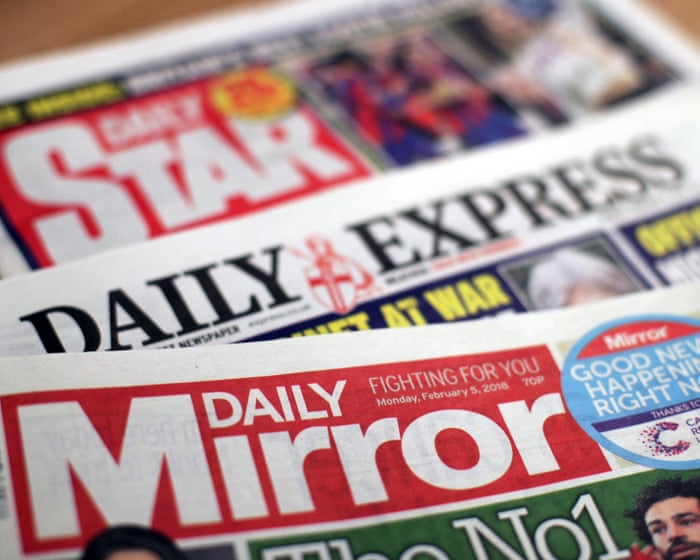
The publisher Reach, which owns the Mirror and Express newspapers, will cut 220 editorial jobs due to a drop in online traffic and readers turning to AI-generated summaries. Reach is closing three online-only brands and shifting focus to digital revenue, subscriptions, and original journalism.
Key Facts
Reach plans to cut 220 editorial jobs because fewer people visit their websites.
The company already cut over 300 editorial jobs in a previous round of cuts.
Three online-only brands—KentLive, AberdeenLive, and GalwayBeo—will be closed.
Reach will create 60 new editorial roles aimed at boosting digital revenue.
A 46% drop in traffic from Google is partly caused by Google’s AI features, which reduce clicks to Reach’s websites.
Reach’s digital revenue fell by almost 1% to £128.9 million in the past year.
The company wants to increase paid digital subscribers from 50,000 to 75,000 this year.
Reach will focus less on page views and more on “active engaged time,” meaning how long readers spend actively consuming content.
Read the Original
Want the full story? Tap a source to open the original
article.
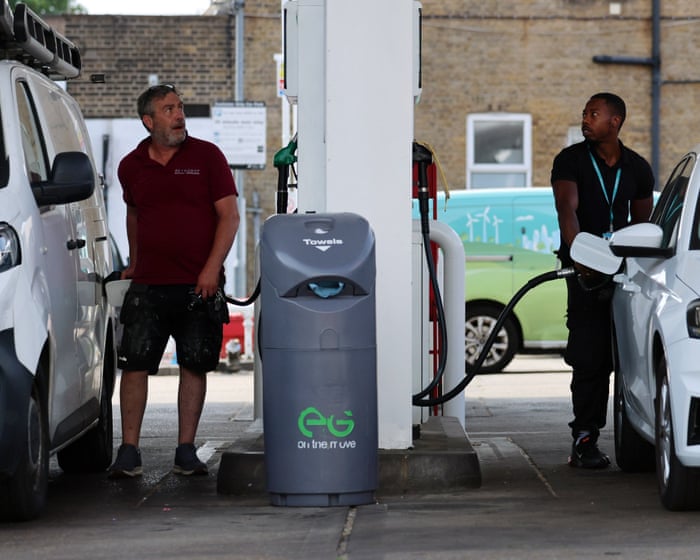
UK inflation rose to 3.1% in August, driven mainly by a nearly 25% increase in motor fuel prices due to the conflict in the Middle East. This rise has added pressure on the Bank of England as it considers raising interest rates to control inflation.
Key Facts
UK inflation increased from 2.9% in July to 3.1% in August.
Motor fuel prices rose by 23%, making petrol and diesel the most expensive since late 2022.
Airfare prices also went up by 6.2%, especially for long-haul flights.
The rise in inflation is linked to higher oil and gas prices caused by the Iran war.
The Bank of England is expected to review interest rates, currently at 3.75%, with possible increases to 4.75% next year.
Core inflation, which excludes energy and food, stayed steady at 2.6%.
Wage growth is slowing, and unemployment is rising, which could affect inflation trends.
The UK government plans a tough budget next month to address inflation and borrowing costs.
Read the Original
Want the full story? Tap a source to open the original
article.
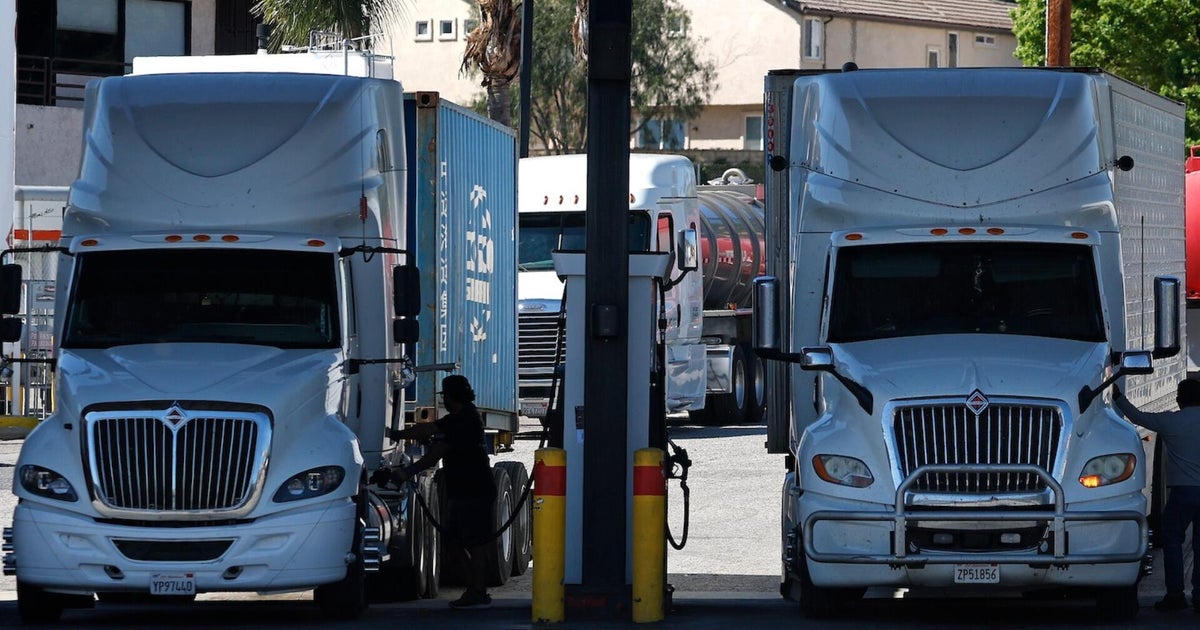
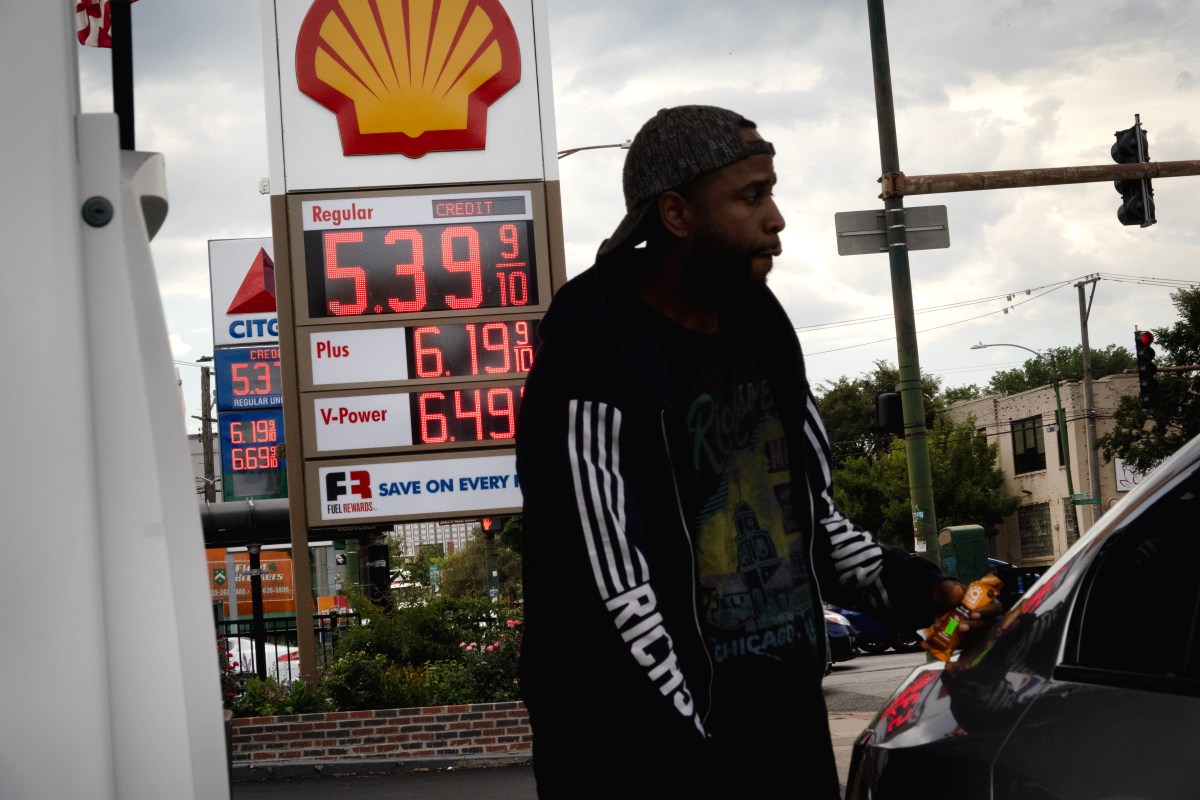
Gas prices in the U.S. are expected to rise sharply in the next few days due to ongoing conflicts in Ukraine and Iran that limit global oil supplies. Experts warn that both gasoline and diesel prices will increase significantly, especially in certain states like those in the Great Lakes and Rocky Mountain regions.
Key Facts
Conflicts in Ukraine and Iran are reducing global oil supplies, causing gas prices to rise.
Gasoline and diesel prices are predicted to go up sharply within 24 to 48 hours.
Fuel margins (the extra cost added to wholesale prices) have not fully adjusted to recent wholesale price increases.
Diesel prices have reached $6.30 per gallon on average in the U.S., with expectations to climb to $6.60 soon.
Gasoline average price nationally is around $4.37 per gallon, up from $4.22 a week ago.
Prices in California are the highest nationally, at about $6.04 per gallon.
Other states with gas prices over $5.00 per gallon include Washington, Hawaii, Nevada, Oregon, and Alaska.
The rise in prices is affecting drivers across multiple states, with some seeing particularly large increases.
Read the Original
Want the full story? Tap a source to open the original
article.
Federal Reserve Chair Kevin Warsh faces challenges as the Fed meets in September amid growing talks of raising interest rates. These talks conflict with President Donald Trump’s calls for the Fed to lower rates. Warsh said the Fed might raise rates if inflation does not move closer to the 2 percent goal.
Key Facts
Kevin Warsh is the Chair of the Federal Reserve.
The Fed is discussing a potential interest rate increase in September.
President Donald Trump wants the Fed to cut interest rates instead.
Warsh stated the Fed has “work to do” if inflation stays above 2 percent.
The 2 percent inflation rate is the Fed’s target to keep prices stable.
Interest rate changes affect borrowing costs for businesses and consumers.
The meeting is important because it will guide the Fed’s next steps in managing inflation.
Read the Original
Want the full story? Tap a source to open the original
article.
Entain, the company that owns Ladbrokes, plans to cut 400 jobs after reporting a higher profit than expected earlier this year. The company says the move is needed because of rising costs, including possible new taxes on gambling in the UK.
Key Facts
Entain owns several gambling brands like Ladbrokes, Coral, and BetMGM.
The company is consulting on cutting 400 jobs, mostly in customer care.
This would be about 20% of its 2,000 customer care roles.
Entain made a profit of £479 million in the first half of 2024.
The UK government may increase taxes on gambling machines, affecting Entain’s costs.
The proposed tax changes could lead to many betting shop closures and job losses.
Entain employs more than 28,000 people worldwide.
The company’s shares have dropped by about 36% this year and will move to a lower stock market index soon.
Read the Original
Want the full story? Tap a source to open the original
article.
The Federal Reserve is expected to raise interest rates for the first time since 2023 to address high inflation caused by the war in Iran. Inflation remains above the Fed's 2% target, and rising oil prices have pushed gas prices over $4.30 per gallon, affecting the economy.
Key Facts
The Federal Reserve may increase interest rates by 0.25% soon, the first hike since 2023.
Inflation was 3.4% in August compared to the previous year, above the Fed’s 2% goal.
Rising oil prices have driven gas prices in the U.S. above $4.30 per gallon.
The war in Iran has disrupted global oil supply, pushing oil prices above $108 per barrel.
The Fed’s new Chair, Kevin Warsh, prioritizes controlling inflation.
Despite inflation, the labor market remains strong with 162,000 jobs added in August.
Attacks on oil tankers and pipeline closures have restricted oil flow through the Strait of Hormuz.
Increased diesel prices are raising costs for many everyday goods like food and clothes.
Read the Original
Want the full story? Tap a source to open the original
article.
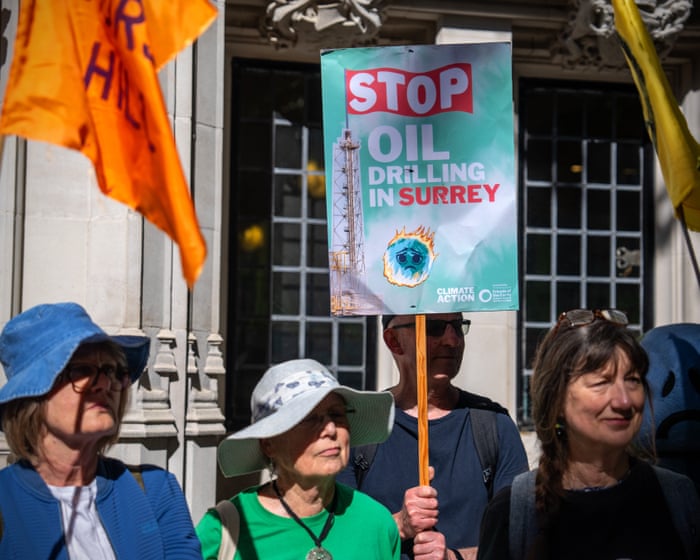
UK Oil and Gas (UKOG), after failing to get permission to expand its Horse Hill oilfield in Surrey due to a Supreme Court ruling, sold the site for much less than it spent. The company has renamed itself UK Energy Group and shifted focus to clean energy, while the new owners plan to apply again for oil drilling permits.
Key Facts
UKOG spent over £25 million developing the Horse Hill oilfield, where they claimed there were 100 billion barrels of oil.
In 2024, the UK Supreme Court ruled that environmental assessments must include indirect greenhouse gas emissions from oil projects, overturning previous local approval.
UKOG sold the Horse Hill site for £1 million, far below its investment, and reduced the asset’s reported value to about £55,000.
The company rebranded as UK Energy Group, focusing on clean energy, including hydrogen storage and salt-cavern energy projects.
New owners, Energy B, took over and submitted a renewed application to drill for oil at Horse Hill, proposing extraction over 20 years.
The new drilling plan estimates 2.3 million tonnes of greenhouse gas emissions but claims the impact is insignificant.
Campaigner Sarah Finch criticized the new environmental assessment for not properly considering cumulative emissions from fossil fuel projects.
The Supreme Court ruling, known as the Finch Ruling, set a precedent requiring better consideration of climate change impacts in oil and gas project approvals.
Read the Original
Want the full story? Tap a source to open the original
article.
Nike is changing how it makes sports gear because climate change is making it harder for athletes to perform. The company is using new materials and technology to help athletes stay cooler and more comfortable, while also cutting pollution and waste. Nike faces tough competition and lower stock prices but aims to improve sales by focusing on key products and markets.
Key Facts
Climate change causes problems like heat illness and poor air quality that affect athletes.
Nike’s Move to Zero plan, started in 2019, aims to use renewable energy and less plastic.
In 2022, Nike introduced Forward, a textile that reduces carbon emissions by 75% compared to traditional fabrics.
Nike’s 2024 report shows goals to cut water use by 10% and reduce emissions using recycled materials.
Nike uses technologies like Aero-FIT apparel and ReactX foam shoes to improve athlete comfort.
Nike’s stock price dropped from over $165 per share to about $40, due to competition and strategy mistakes.
CEO Elliott Hill plans to focus on five sports, three countries, and five cities to improve business.
Nike was rated highly by Plant-A Insights Group for balancing profit, innovation, customer needs, and sustainability.
Read the Original
Want the full story? Tap a source to open the original
article.
A woman in Tennessee bought eight decorative plates at a church sale for $20 and later found out they could be worth about $1,000. The plates are from MacKenzie-Childs, a luxury home décor brand known for hand-painted ceramics that are popular with collectors.
Key Facts
Leah Rhodes from Nashville bought eight plates for $20 at a church bazaar in Franklin, Tennessee.
The plates were stamped with the MacKenzie-Childs brand, founded in 1983 and known for colorful, hand-painted designs.
MacKenzie-Childs plates, especially older retired patterns, can sell for between $50 and $250 each.
Rhodes estimated her set could be worth up to $1,000 if sold together.
The plates were likely donated by someone unaware of their value.
Rhodes prefers to keep the plates as decoration and family keepsakes rather than quickly selling them.
The thrifting industry has grown by 143% since 2018.
Thrifting is popular because people enjoy hunting for unique and valuable items at low prices.
Read the Original
Want the full story? Tap a source to open the original
article.
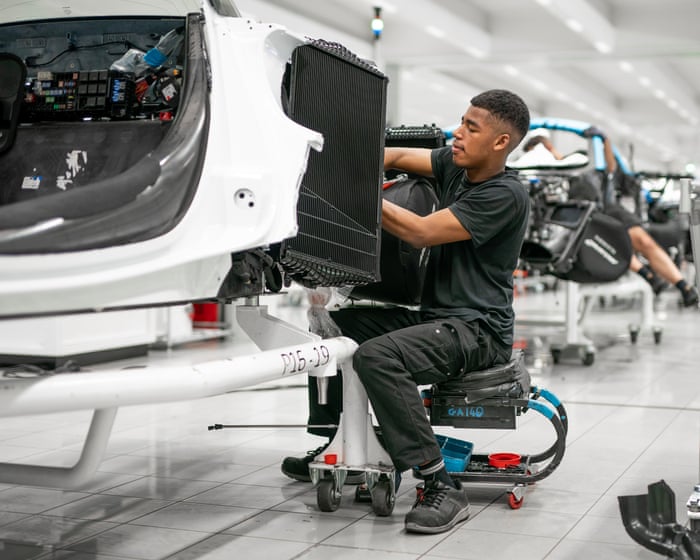
McLaren will build its first SUV, targeting wealthy Formula One fans with families. This new model is part of a £500 million investment by McLaren’s Abu Dhabi owner and aims to increase sales and create jobs, with a new factory likely to be built in Sheffield.
Key Facts
McLaren has been making two-seater sports cars for 63 years but will now build an SUV.
The new SUV is designed for wealthy fans who want a car suitable for families.
McLaren’s new owner, CYVN Holdings from Abu Dhabi, is investing £500 million and plans to create 1,000 new jobs.
The company plans to build a new factory, likely in Sheffield, where its carbon-fibre plant is located.
Current sales are around 3,000 cars per year; McLaren expects sales to possibly double with the SUV.
McLaren is not planning to make its own electric vehicle yet despite UK laws requiring zero-emission cars by 2035.
The SUV will compete with luxury models like Bentley Bentayga and Lamborghini Urus, priced above £200,000.
McLaren Racing, which recently won two Formula One championships, remains mostly controlled by a different investor, Mumtalakat.
Read the Original
Want the full story? Tap a source to open the original
article.
UK inflation rose to 3.1% in the year ending August 2026, mainly because petrol, diesel, and airfares got more expensive. The increase in fuel prices is linked to ongoing conflict in the Middle East affecting oil supply.
Key Facts
UK inflation reached 3.1% in August 2026, up from 2.9% in July.
Petrol and diesel prices went up due to disruptions in global oil supply caused by Middle East conflict.
The cost of flying also increased during the important summer travel month.
Inflation is now higher than the Bank of England’s target rate of 2%.
The Bank of England uses interest rates to try to keep inflation under control.
The current interest rate is 3.75%.
The Bank of England will meet soon to decide if they should change the interest rate.
Read the Original
Want the full story? Tap a source to open the original
article.
Marks & Spencer (M&S) faces ongoing problems with shoplifting, with some thieves using shopping lists to steal expensive items. Police presence and shop cooperation have helped reduce thefts, but shoplifting remains a frequent issue, especially during busy times like Christmas.
Key Facts
Shoplifters at M&S sometimes carry shopping lists to steal items worth thousands of pounds.
Shoplifting can happen frequently, sometimes on an hourly basis.
People shoplift for various reasons, including boredom, addiction, or financial need.
M&S issues lifetime bans to people caught stealing, which acts as a strong deterrent.
Theft often targets high-value goods like meat, alcohol, and suits.
Police have increased their presence in Shrewsbury town center, leading to fewer shoplifting incidents.
Building good relationships with store owners helps police get more theft reports.
Retailers sometimes avoid reporting theft, choosing to absorb losses instead.
Read the Original
Want the full story? Tap a source to open the original
article.
New research shows that the Bank of England and Britain’s financial system were closely involved in the transatlantic slave trade for centuries. Many early directors and investors in the Bank had direct financial ties to the trafficking of enslaved Africans, and slave trade profits helped build the Bank's initial capital.
Key Facts
The Bank of England was founded in 1694 with many investors linked to the slave trade.
At least 24 Bank directors were involved in the trafficking of enslaved Africans, including founding members.
Some involved, such as Christopher Puller, were directly involved in sending enslaved people across the Atlantic.
Wealth from the slave trade was part of the Bank’s starting funds.
The Bank provided financial services to companies engaged in the slave trade, like the Royal African Company.
Research also shows 16 former governors and 26 directors owned enslaved people or plantations before slavery ended in 1833.
The British government paid £20 million (equivalent to £23 billion today) in compensation to slave owners after abolition, but enslaved people received nothing.
In 2020, following Black Lives Matter protests, several UK banks publicly acknowledged their historical links to slavery.
Read the Original
Want the full story? Tap a source to open the original
article.
The UK’s roads are expected to have more potholes after a record hot summer. Heat damages the road surface, creating cracks that turn into potholes, adding to damage caused by wet weather earlier in the year.
Key Facts
Heat from strong sunlight and high temperatures damages the bitumen that holds the road surface, making it crack.
Cracks allow traffic and rain to create potholes.
Last winter’s heavy rain left only half of the roads in England and Wales in good condition.
The summer’s heatwaves with temperatures over 38°C worsened road damage.
Climate change made these high temperatures 130 times more likely to happen.
Road damage is just one example of how extreme weather is harming UK infrastructure.
UK councils will get a record £1.6 billion budget for roads in 2025-26 and £7.3 billion allocated for improvements by the end of the decade.
Local councils must now prove they are working on long-term pothole repairs or risk losing up to a third of their road funding.
Read the Original
Want the full story? Tap a source to open the original
article.
The yield on the 10-year U.S. Treasury bond has risen above 5%, reaching its highest point since 2007. This increase affects American consumers by influencing loan costs, mortgages, and overall economic conditions.
Key Facts
The 10-year Treasury yield has passed 5%, a level not seen since 2007.
Rising bond yields often lead to higher interest rates for loans and mortgages.
Higher loan costs can affect consumer spending and saving habits.
Bond yields are a key indicator of economic health and investor confidence.
Changes in bond yields can impact the housing market and borrowing for businesses.
Read the Original
Want the full story? Tap a source to open the original
article.
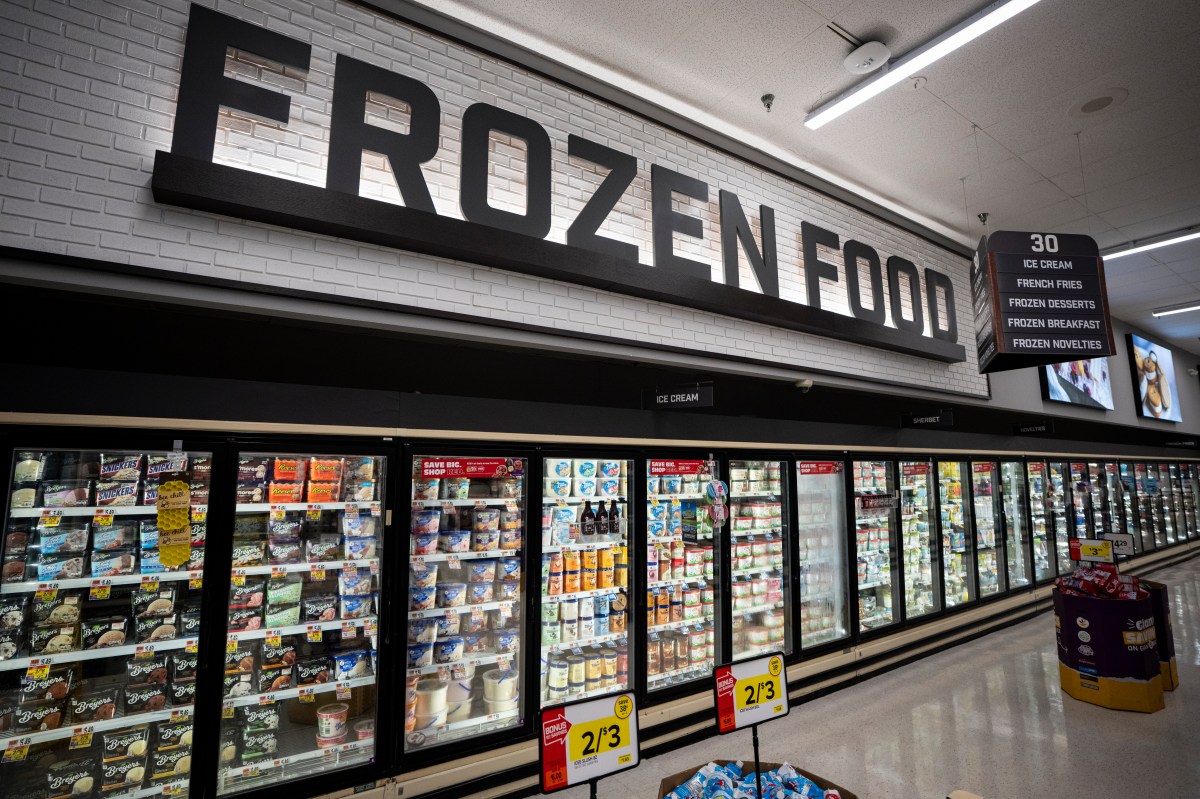
Danone USA is recalling So Delicious Dairy Free® Salted Caramel Cluster Non-Dairy Frozen Dessert pints because they might contain small hard objects like stones. The recall affects only pints with a best-by date on or before April 3, 2028, and customers are advised not to eat the recalled products.
Key Facts
Danone USA voluntarily recalled specific pints of So Delicious Dairy Free® Salted Caramel Cluster dessert.
The recall concerns pints with a best-by date on or before April 3, 2028.
The product may contain foreign material, such as small stones inside cashew pieces.
Only this flavor and product code are affected; other flavors and products are not involved.
The recalled products were sold nationwide in retail stores.
Consumers can get a refund or replacement by contacting So Delicious Dairy Free® Customer Care.
The recall was triggered by consumer complaints about foreign objects.
Food safety experts note that food recalls are more visible now due to media and social media coverage.
Read the Original
Want the full story? Tap a source to open the original
article.