The Actual News

Fact-first summaries of the news — stay informed, stay grounded.

Business News

Business news, market updates, and economic developments

McDonald's posts strong second quarter profit, names new chief of US operations

McDonald's posts strong second quarter profit, names new chief of US operations

Summary

McDonald’s reported strong profits for the second quarter of 2026, with a small increase in sales in the U.S. The company also named Skye Anderson as the new president of McDonald’s USA.

Key Facts

  • McDonald’s U.S. same-store sales rose by 0.8% in the second quarter, slower than last year’s 2.5% increase.
  • Global same-store sales increased by 1.3% during the same period.
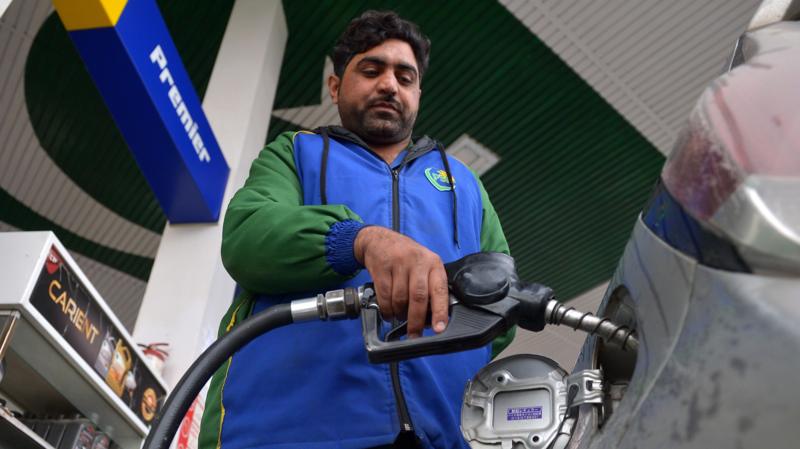
  • Factors like high gas prices and consumer worries about the U.S.-Iran conflict have pressured sales.
  • McDonald’s earned $2.36 billion, or $3.32 per share, for the quarter ending June 30, higher than last year’s $2.25 billion.
  • Adjusted earnings per share were $3.38, beating analysts’ expected $3.32.
  • Revenue grew to $7.1 billion but was slightly below Wall Street’s estimate of $7.13 billion.
  • Skye Anderson was named president of McDonald’s USA.
  • McDonald’s stock rose 1.7% before the market opened following the announcement.
Read the Original

Want the full story? Tap a source to open the original article.
McDonald’s posts strong second quarter profit, names new chief of US operations

McDonald’s posts strong second quarter profit, names new chief of US operations

Summary

McDonald’s reported strong profits for the second quarter of 2025 despite slower sales growth in the U.S. The company named Skye Anderson as the new president of its U.S. operations amid challenges like higher gas prices and cautious consumer spending.

Key Facts

  • McDonald’s second quarter profit was $2.36 billion, higher than last year’s $2.25 billion.
  • Earnings per share, excluding one-time items, were $3.38, beating analyst expectations of $3.32.
  • Total revenue rose to $7.1 billion but was slightly below the predicted $7.13 billion.
  • Same-store sales in the U.S. increased by 0.8%, down from 2.5% growth a year earlier.
  • Global same-store sales grew 1.3%.
  • McDonald’s warned that high gas prices and concerns about the U.S.-Iran conflict might hurt sales.
  • The company launched a McValue menu with 10 items priced at $3 or less to attract budget-conscious customers.
  • Skye Anderson was appointed as president of McDonald’s USA, leading to a 1.6% rise in the company’s shares before the market opened.
Read the Original

Want the full story? Tap a source to open the original article.

Gen Z Shun White Collar for Skilled Trades—but Which Jobs Pay the Most?

Gen Z Shun White Collar for Skilled Trades—but Which Jobs Pay the Most?

Summary

Many young Americans from Generation Z want to work in skilled trades like construction, healthcare support, and transportation instead of traditional white-collar jobs. These careers often pay well, sometimes earning as much or more than entry-level office jobs, and usually need less time and money spent on education.

Key Facts

  • A survey found 60% of Gen Z Americans plan to pursue skilled trades in the coming year.
  • Skilled trades include jobs like construction supervisors, plumbers, electricians, HVAC technicians, and carpenters.
  • First-line supervisors in construction earn a median wage of $76,760 per year.
  • Plumbers and electricians earn around $62,000 per year on average.
  • Healthcare support roles such as occupational therapy assistants earn about $66,000 annually.
  • Transportation jobs like truck drivers and mechanics earn between $42,000 and $60,000 per year.
  • Many skilled trade jobs require certifications or associate degrees, which take less time than a four-year college degree.
  • Employers in these fields face worker shortages due to retirements and higher demand.
Read the Original

Want the full story? Tap a source to open the original article.

Why So Many Young People No Longer Believe Hard Work Pays Off  | Money Moves with Jill Schlesinger

Why So Many Young People No Longer Believe Hard Work Pays Off | Money Moves with Jill Schlesinger

Summary

Many young Americans are starting to doubt that working hard and being ambitious will help them succeed. Experts on the CBS News show explain why this belief can affect both money matters and mental health, and why feeling in control of one’s future is important.

Key Facts

  • A growing number of young people do not believe hard work leads to success.
  • Experts on CBS News discuss how this belief can become a self-fulfilling prophecy.
  • Believing you can influence your future helps with financial success.
  • This mindset also affects mental health.
  • The program included a discussion about inheritance, family expectations, and donating money to charity.
  • The topic was covered on the CBS News show "Money Moves with Jill Schlesinger."
Read the Original

Want the full story? Tap a source to open the original article.

AI skills more valuable than MBA, new survey suggests

AI skills more valuable than MBA, new survey suggests

Summary

A new survey shows that most company leaders are paying workers with artificial intelligence (AI) skills more money. These skills are becoming more valuable than traditional business degrees like an MBA.

Key Facts

  • 91% of executives surveyed said they are raising pay for employees who have AI skills.
  • AI skills include the ability to work with computer programs that can learn and make decisions.
  • Business degrees like an MBA have traditionally been seen as important for higher pay.
  • The survey suggests companies now value technical AI skills more than some business qualifications.
  • This shift reflects growing demand for technology knowledge in the workplace.
  • Employers want to attract and keep workers who understand AI tools and applications.
  • The trend shows how job markets change with new technologies.
  • AI skills are becoming essential in many business fields.
Read the Original

Want the full story? Tap a source to open the original article.

As California Updates Statewide Rent Cap, Are Others Following?

As California Updates Statewide Rent Cap, Are Others Following?

Summary

California has updated its statewide rent cap, allowing rent increases up to 5% plus local inflation, with a maximum of 10%. Other states like Oregon and Washington have also passed statewide laws limiting how much landlords can raise rents each year, as officials try to address housing affordability challenges.

Key Facts

  • California’s Tenant Protection Act limits annual rent increases to 5% plus local inflation, up to 10%.
  • In 2026, rent increases in California will generally range from about 8% to 9%, varying by area.
  • Oregon was the first state to adopt a statewide rent cap in 2019, with limits at 7% plus inflation.
  • Washington passed its statewide rent stabilization law in 2025, limiting rent hikes to 7% plus inflation or 10%, whichever is lower.
  • These three West Coast states are the main examples of statewide rent caps in the U.S.
  • Many other states still allow local governments to decide on rent controls rather than having statewide rules.
  • New York City has a large rent-stabilization system covering about 1 million apartments, limiting rent increases and offering tenant protections.
  • The spread of rent caps reflects ongoing efforts to keep housing affordable amid rising rents and fears of renters being forced out.
Read the Original

Want the full story? Tap a source to open the original article.

From us

News that doesn't raise your blood pressure

That's the whole point of this site — and readers keep it that way. Support for any amount and the morning brief lands in your inbox at 7am.

What is Trump Media's Truth API and why is it controversial?

What is Trump Media's Truth API and why is it controversial?

Summary

Trump Media & Technology Group (TMTG) has launched a paid service called Truth API. This service gives fast access to posts from top accounts on the Truth Social platform, mainly targeting financial traders who use automated systems to trade stocks very quickly.

Key Facts

  • Truth API provides access to social media posts in milliseconds from the highest-ranking accounts on Truth Social.
  • The service is expected to start on August 1 and may cost up to $100,000 a month, though TMTG has not confirmed the price.
  • It is designed mainly for high-frequency trading firms that use computer algorithms to make quick trades based on new information.
  • President Donald Trump’s account, with 13 million followers, is likely one of the most influential accounts covered by the service.
  • The service aims to help TMTG make money, as the company is currently losing money.
  • Some experts say the service is only useful to firms with advanced and expensive trading systems, not normal investors.
  • Democratic Senators have raised questions about whether it is legal or ethical for Trump’s family-owned company to profit from his public statements.
  • Major investment banks and trading firms have not publicly confirmed if they will use the service.
Read the Original

Want the full story? Tap a source to open the original article.

Calls for UK bank tax to fund cost of living help as HSBC profits hit £7.5bn

Calls for UK bank tax to fund cost of living help as HSBC profits hit £7.5bn

Summary

HSBC reported a large profit of £7.5 billion in the second quarter of 2024, helping push total profits of the UK’s top four banks to £29.2 billion in the first half of the year. Campaigners are calling for a new tax on banks’ high profits to raise money for help with living costs.

Key Facts

  • HSBC made £7.5 billion in profits between April and June 2024, a 60% increase from last year.
  • Higher interest rates helped banks earn more by charging more for loans and mortgages.
  • HSBC plans to increase banker bonuses and resume buying back its own shares.
  • The top four UK banks (HSBC, NatWest, Barclays, Lloyds) earned £29.2 billion in the first six months of 2024.
  • Campaign groups want a windfall tax on banks that could raise £19 billion to fund public cost-of-living support.
  • Proposed tax would target bank revenues over £800 million with a 38% rate, similar to Spain's bank levy.
  • Supporters say the tax could fund electricity bill VAT cuts, bus fare caps, and business rate cuts for hospitality venues.
  • Banks caution that their ability to lend money is important for economic growth under the new UK government.
Read the Original

Want the full story? Tap a source to open the original article.
BP profits highest in four years as Iran war pushes up oil price

BP profits highest in four years as Iran war pushes up oil price

Summary

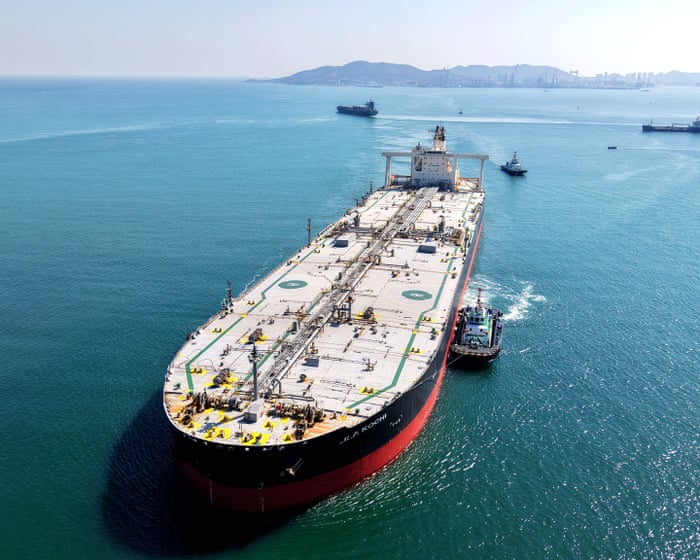
BP’s profits for April to June reached $5.73 billion, the highest in four years, due to increased oil prices caused by the war in the Middle East. The company plans to sell its North Sea oil business and move away from some clean energy projects to focus on more profitable assets.

Key Facts

  • BP’s profit more than doubled from $2.35 billion last year to $5.73 billion this quarter.
  • The rise in oil prices is linked to the war in the Middle East, which disrupted oil supplies through the Strait of Hormuz.
  • Brent crude oil prices averaged $103.85 per barrel this quarter, up from $67.88 last year.
  • BP plans to sell its North Sea oil business, ending 60 years of operations there.
  • The company is also selling its U.S. renewable natural gas business, Archaea.
  • BP’s CEO Meg O’Neill said the company is focusing on assets with the best returns rather than following past or sentimental reasons.
  • Environmental groups criticized BP for making large profits while energy prices rise globally.
  • BP has about 14,000 employees in the UK.
Read the Original

Want the full story? Tap a source to open the original article.
Japan’s Toyota reports hefty profit on cheap yen and solid car sales

Japan’s Toyota reports hefty profit on cheap yen and solid car sales

Summary

Toyota reported that its net profit almost doubled in the first quarter of the fiscal year, mainly because of strong car sales in the U.S. and India and a weaker Japanese yen. Despite selling slightly fewer cars in the quarter, the company expects higher sales for the full year and aims to increase hybrid and electric vehicle production.

Key Facts

  • Toyota’s net profit for April-June reached 1.48 trillion yen ($9.4 billion), up from 841 billion yen the previous year.
  • Quarterly sales rose 10% to 13.5 trillion yen ($85 billion) compared to last year.
  • The weak yen increased the value of Toyota’s overseas earnings, adding 345 billion yen ($2.2 billion) to operating profit.
  • Toyota sold 2.39 million vehicles globally in the quarter, slightly fewer than 2.41 million a year ago.
  • The company expects to sell 9.7 million vehicles in the full fiscal year, higher than last year’s 9.595 million.
  • Popular models in the U.S. include the Camry sedan and RAV4 SUV; in India, Urban Cruiser and Innova Hycross sold well.
  • Toyota plans to boost hybrid and hybrid battery production and reduce their costs through 2030.
  • Production at Toyota’s Tahara plant was halted for five days due to a 7.1 magnitude earthquake in Kumamoto, with more production impacts expected until the end of July.
  • Toyota forecasts a full year profit of 3.25 trillion yen ($20.6 billion), lower than last year’s 3.85 trillion yen ($24 billion), but expects higher annual sales of 54 trillion yen ($342 billion).
Read the Original

Want the full story? Tap a source to open the original article.
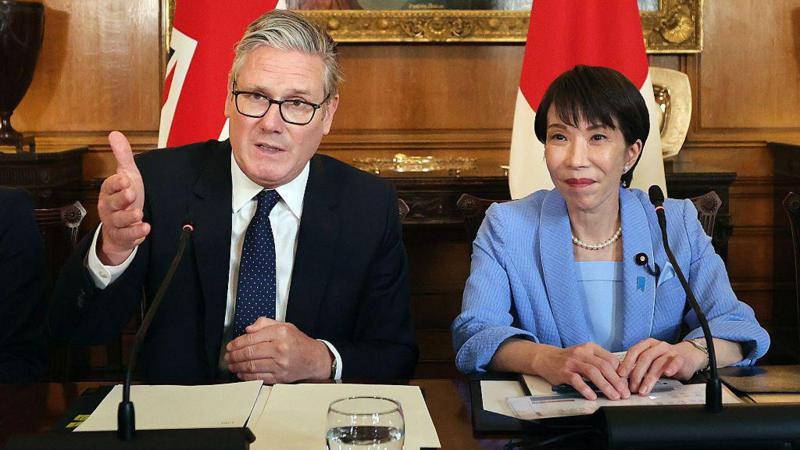
Trump wants ‘fair treatment’ in fight over Labor’s levy on tech giants to pay for news, US trade group warns

Trump wants ‘fair treatment’ in fight over Labor’s levy on tech giants to pay for news, US trade group warns

Summary

The Australian government plans to make more big tech companies pay for news content through an expanded News Bargaining Incentive (NBI). A major US trade group criticized the move, warning it could worsen trade relations with the US, while Australian experts say the plan does not do enough to support news outlets.

Key Facts

  • The Australian government wants to expand the NBI to include Microsoft’s LinkedIn and increase charges on tech platforms.
  • The plan requires tech companies to pay news publishers for using their content, either through deals or a levy.
  • The US National Foreign Trade Council (NFTC), representing companies like Meta, Microsoft, and Google, opposes the expansion.
  • The NFTC warns the plan adds to negative trends in Australia’s tax and investment environment for US firms.
  • Former Australian Competition and Consumer Commission chair Rod Sims supports the NBI but says it should raise more money for journalism.
  • The proposed levy could generate $200 to $250 million for Australian media, similar to an earlier code from five years ago.
  • Critics say the plan should include artificial intelligence platforms and increase funding beyond the current targets.
  • Australian media leaders argue the changes weaken the incentive for tech platforms to make fair deals with news companies.
Read the Original

Want the full story? Tap a source to open the original article.

BP profits more than double as Iran war sends oil prices soaring

BP profits more than double as Iran war sends oil prices soaring

Summary

BP’s profits more than doubled in the second quarter of 2024 due to higher oil and gas prices caused by the conflict in the Middle East. BP’s new CEO, Meg O’Neill, plans to review the company’s strategy, including possibly selling its North Sea oil and gas assets.

Key Facts

  • BP reported $5.73 billion in profits from April to June 2024, more than twice the previous quarter.
  • The rise in profits was caused by higher oil and gas prices linked to the ongoing Middle East conflict.
  • Meg O’Neill, BP’s new CEO, said the company could do more to improve its performance.
  • BP is considering selling its North Sea oil and gas business after six decades of production.
  • O’Neill spoke with UK Prime Minister Andy Burnham about using domestic oil and gas resources.
  • Other major oil companies, like Shell and Saudi Aramco, also reported record or near-record profits.
  • Rising energy prices have increased energy bills for families and businesses worldwide.
  • President Donald Trump criticized oil companies Chevron and ExxonMobil for making too much profit and suggested they return some to the public.
Read the Original

Want the full story? Tap a source to open the original article.
From us

This site is free. Support if you want.

Supporters get the day's brief in their inbox every morning at 7am. Pay what it's worth — most people choose $3.99/month.

Musk to face tough questions during SpaceX's first earnings call as a public company

Musk to face tough questions during SpaceX's first earnings call as a public company

Summary

SpaceX has become a public company and will hold its first quarterly earnings call with investors. The company faces financial losses, falling stock prices, and pressure around upcoming trading of shares by insiders.

Key Facts

  • SpaceX recently started trading on the stock market (went public).
  • Investors will question Elon Musk during the first earnings call after the public offering.
  • SpaceX shares dropped from $225 in June to $114.46 by early August.
  • Some company insiders will be allowed to sell shares soon, increasing the number of shares available for trading.
  • The company expects a net loss of about $1.9 billion for the second quarter of 2026.
  • SpaceX lost over $5 billion in the first half of 2026, more than its full loss in 2025.
  • Musk may be asked about SpaceX’s Starship rocket testing, satellite business, and potential merger with Tesla.
  • SpaceX runs Starlink (satellite internet), a money-losing AI business, and manages the social media platform X (formerly Twitter).
Read the Original

Want the full story? Tap a source to open the original article.

Metro Bank customer fights for £14,000 refund after AI-linked fraud

Metro Bank customer fights for £14,000 refund after AI-linked fraud

Summary

A Metro Bank customer lost over £14,000 in a fraud linked to the AI chatbot Claude. The bank delayed fully blocking fraudulent transactions, but has refunded the customer temporarily while seeking a refund from Anthropic, the company behind Claude.

Key Facts

  • Zoli Rutter, a businessman, had £14,244 stolen via fraudulent payments linked to Claude, an AI chatbot.
  • Fraudsters used Rutter’s Metro Bank debit card to buy credits to access Claude without his permission.
  • Metro Bank alerted Rutter about suspicious transactions on 19 June but only blocked the specific transaction, not the whole account.
  • Despite Rutter denying the transaction, multiple fraudulent payments between £90 and £200 continued before the bank fully froze the card.
  • Metro Bank temporarily refunded Rutter and is requesting a chargeback from Anthropic, which banned the user behind the fraud.
  • Anthropic says there is no sign their systems leaked card details and encourages customers to report unauthorized charges for refunds.
  • Metro Bank apologized for service failures and offered Rutter £300 compensation.
  • Rutter plans to complain to the Financial Ombudsman Service about how the bank handled the case.
Read the Original

Want the full story? Tap a source to open the original article.

Could heatwaves make your food shop more expensive?

Could heatwaves make your food shop more expensive?

Summary

This summer’s hot and dry weather in the UK is creating challenges for farmers and could lead to higher food prices. Drought conditions have caused an early and smaller harvest, which may affect the entire supply chain, from growing crops to supermarket shelves.

Key Facts

  • More than half of England is currently in drought conditions.
  • Heatwaves cause fridges in supermarkets to work harder and some items to be removed on very hot days.
  • The supply chain includes all steps from growing food to selling it in stores, and higher costs at any stage can raise prices.
  • Farmers are harvesting earlier than usual due to dry conditions, which lowers the amount of food produced.
  • The National Farmers’ Union warns some foods might become scarce if the drought continues.
  • Experts say short-term heat won’t immediately raise prices, but ongoing drought could increase costs for meat, milk, eggs, and chicken because of less animal feed.
  • Farmers often have contracts fixed a year in advance, so they may not earn more even if they produce less this year.
  • The UK supply chain is described as resilient, but changes may be needed to support farmers and adjust future production and transport.
Read the Original

Want the full story? Tap a source to open the original article.

Horror bookshop aims to raise £20k to stay open

Horror bookshop aims to raise £20k to stay open

Summary

The Haunted Bookshop in Bristol, which sells horror and fantasy books, is trying to raise £20,000 to avoid closing. The owner, Monika Killer, started a crowdfunding campaign after the shop faced money problems due to higher living costs and fewer visitors during a heatwave.

Key Facts

  • The Haunted Bookshop has been open for two years and focuses on horror, fantasy, folklore, and the occult.
  • The shop aims to serve people who feel different or don’t fit in elsewhere.
  • Rising living costs and a recent heatwave caused fewer customers, leading to unpaid bills.
  • Owner Monika Killer started a fundraising campaign to raise £20,000 to keep the shop open.
  • More than £7,500 has been pledged by over 450 supporters so far.
  • The bookshop is a community space supporting local artists and small businesses.
  • Customers and workers say the shop provides friendship, acceptance, and a "second home" for many.
  • The owner hopes the fundraising will help the community continue to grow and thrive.
Read the Original

Want the full story? Tap a source to open the original article.

Approval of east London datacentre labelled ‘slap in the face’ for local democracy

Approval of east London datacentre labelled ‘slap in the face’ for local democracy

Summary

A £500 million project to build a datacentre, offices, and homes on the Truman Brewery site in east London has been approved by the UK government despite opposition from the local council and campaign groups. The local council wanted more housing but the government rejected this, allowing the developers to proceed with their plan.

Key Facts

  • The project includes a datacentre, offices, 44 homes, a cinema, galleries, shops, restaurants, and community spaces.
  • The local Tower Hamlets council and several community groups opposed the datacentre and wanted more housing instead.
  • The government’s housing minister, Matthew Pennycook, approved the project on behalf of housing secretary Angela Rayner.
  • The local council had adopted a plan for 350 homes, but this was overturned by the government.
  • Of the 44 homes in the new plan, 11 will be affordable, and 6 will be social homes for rent.
  • The campaigners fear the datacentre will cause noise, use a lot of energy and water, and force local families to move away.
  • More than 30,000 households in Tower Hamlets are waiting for social housing.
  • The local campaign group Save Brick Lane is considering legal action to challenge the approval.
Read the Original

Want the full story? Tap a source to open the original article.
Musk likely to face tough questions during SpaceX’s first earnings call as a public company

Musk likely to face tough questions during SpaceX’s first earnings call as a public company

Summary

SpaceX is holding its first earnings call as a public company, during which CEO Elon Musk will answer investors' questions. The company has seen its stock price fall and is dealing with large financial losses, but investors are hopeful for a turnaround.

Key Facts

  • SpaceX recently went public and is reporting its first quarterly earnings.
  • The stock price dropped from $225 in June to about $114 as of the last trading day.
  • SpaceX is expected to report a $1.9 billion net loss for the second quarter.
  • The company lost over $5 billion last year and is still losing money this year.
  • Some company insiders can start selling shares soon after a lockup period ends.
  • Musk will likely answer questions about SpaceX’s Starship rocket tests, satellite network, and possible business moves.
  • SpaceX’s satellite service, Starlink, generates substantial revenue worldwide.
  • The company also operates an AI business and the social media platform X (formerly Twitter), which are losing money.
Read the Original

Want the full story? Tap a source to open the original article.

From us

Stay informed. Skip the doomscroll.

If a calmer way to follow the news is worth something to you, support it — pay what feels right and get the daily digest every morning.

Price of olive oil expected to rise again as European crops feel the heat

Price of olive oil expected to rise again as European crops feel the heat

Summary

Extreme heat, drought, and wildfires are hurting crop production across Europe, including olive groves, which will likely cause olive oil prices to rise again. Other crops such as cereals, vegetables, and grapes are also affected, leading to lower yields and higher production costs.

Key Facts

  • European farmers face lower production and rising food prices due to heat, drought, and wildfires.
  • Olive groves in countries like Greece, Italy, and Portugal are damaged by fire and heat, causing olive oil prices to increase.
  • The French vegetable growers expect production on some crops to be cut by half due to lack of rain.
  • French wine regions are seeing delayed grape growth and forecast smaller, earlier grape harvests.
  • Spain predicts its cereal crop will drop from 24 million tonnes to about 18.5 million tonnes for 2026-27.
  • The EU lowered harvest forecasts for sunflowers, maize, potatoes, and soybeans due to weather impacts.
  • Some countries, like Romania and Italy, have had better crop outcomes thanks to more rainfall or resilient wheat varieties.
  • Production costs are rising, which may be a bigger issue than international trade restrictions on exports.
Read the Original

Want the full story? Tap a source to open the original article.

Asian shares mostly dip after US stocks rally

Asian shares mostly dip after US stocks rally

Summary

Asian stock markets mostly fell after U.S. stock markets rose due to lower oil prices. Investors in Asia are still considering the effects of recent joint currency actions by the U.S. and Japan.

Key Facts

  • Japan’s Nikkei 225 index dropped 0.6% to 63,369.85.
  • The U.S. dollar rose slightly against the Japanese yen, trading at around 157.63 yen.
  • Analysts are uncertain if the joint U.S.-Japan currency intervention will solve deeper economic issues like inflation and interest rates.
  • South Korea’s Kospi index declined less than 0.1% to 6,254.76.
  • Australia’s S&P/ASX 200 index increased by 1.2% to 9,128.60.
  • Hong Kong’s Hang Seng fell 0.5% to 25,881.99, and Shanghai’s Composite index dropped 0.2% to 3,802.61.
  • The U.S. S&P 500 rose 1.5%, and the Dow Jones Industrial Average reached a new record, climbing 693 points (1.3%).
  • Oil prices fell recently after President Donald Trump delayed new strikes against Iran, helping calm inflation concerns.
Read the Original

Want the full story? Tap a source to open the original article.

Save articles & personalize your feed — Create a free account