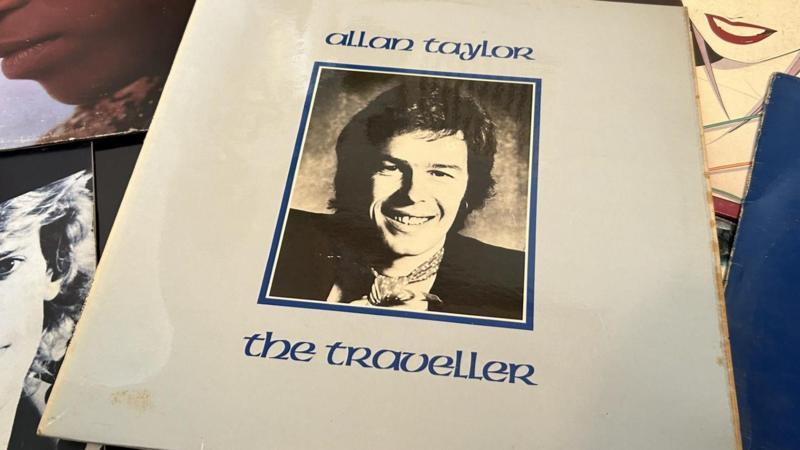
Ed Sheeran found a rare record called The Traveller by Allan Taylor in a second-hand store and publicly praised it. This attention has brought new interest to Taylor’s music, which had limited exposure before despite his long career in folk music.
Key Facts
Allan Taylor is an 80-year-old folk singer who started his career in the 1960s, performing in small venues.
Taylor never achieved major mainstream success but was respected in the folk music community and toured internationally.
Ed Sheeran discovered Taylor’s 1978 album The Traveller in a New York record store and shared his admiration on Instagram.
Before Sheeran’s post, The Traveller was not widely available online, but it has recently been released on Spotify.
Taylor and Sheeran have since talked on the phone and connected over music and songwriting.
Taylor planned to retire with farewell concerts but had to cancel because of health issues.
Taylor’s life included travels through Europe, surviving tough situations by playing music, and supporting big folk bands like Fairport Convention.
Sheeran called the album a special find, giving Taylor new recognition late in his career.
Read the Original
Want the full story? Tap a source to open the original
article.
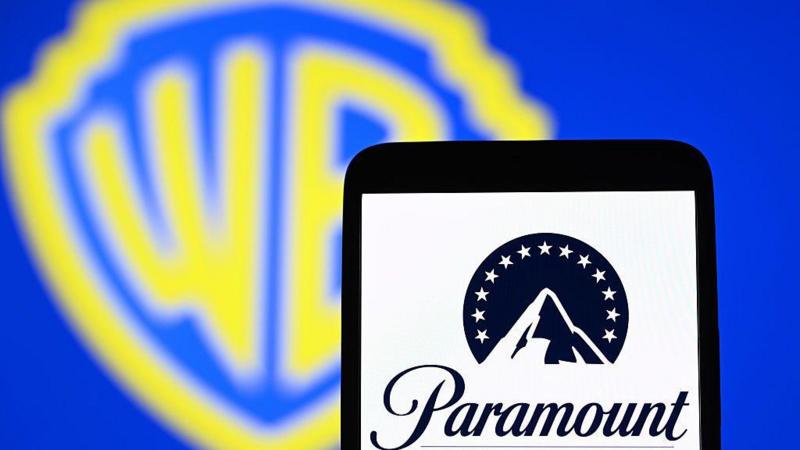
The U.S. Department of Justice (DOJ) has allowed Paramount to buy Warner Bros. Discovery for $110 billion. The DOJ concluded that this deal will not hurt competition or consumers in the United States.
Key Facts
Paramount offered $110 billion to acquire Warner Bros. Discovery.
The DOJ’s Antitrust Division reviewed the deal for competition concerns.
The DOJ found the merger unlikely to harm market competition.
The approval removes a major regulatory obstacle for the companies.
This deal involves two large global entertainment companies.
The acquisition will combine their content and resources under one company.
The DOJ’s decision focuses on protecting American consumers and fair business practices.
Read the Original
Want the full story? Tap a source to open the original
article.
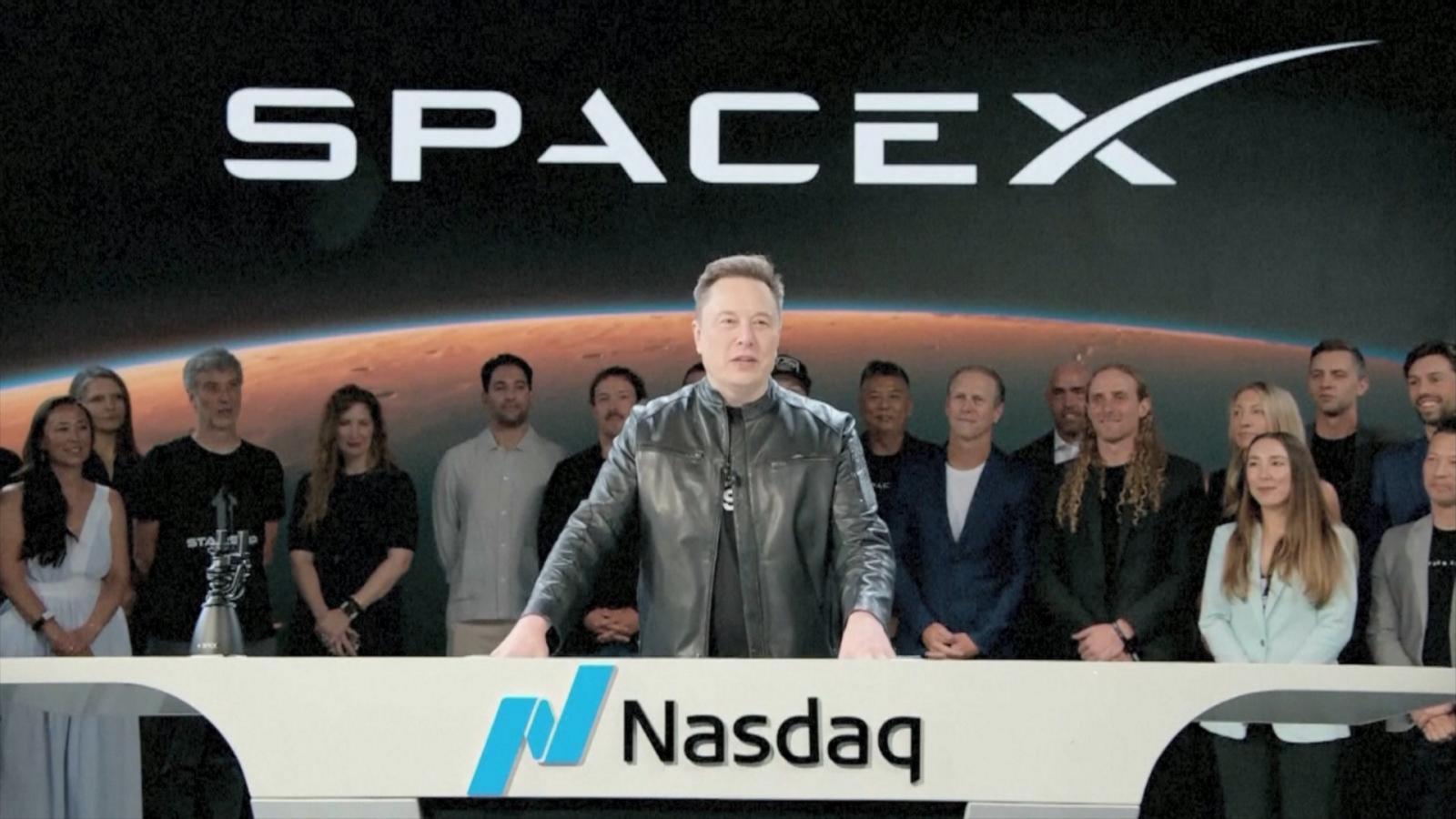
SpaceX recently started trading its stock publicly, which has caused a big increase in investor interest. This event may also influence how other companies, especially those working with artificial intelligence, decide to go public in the future.
Key Facts
SpaceX has begun trading its shares on the stock market.
The company's stock price has surged, attracting many investors.
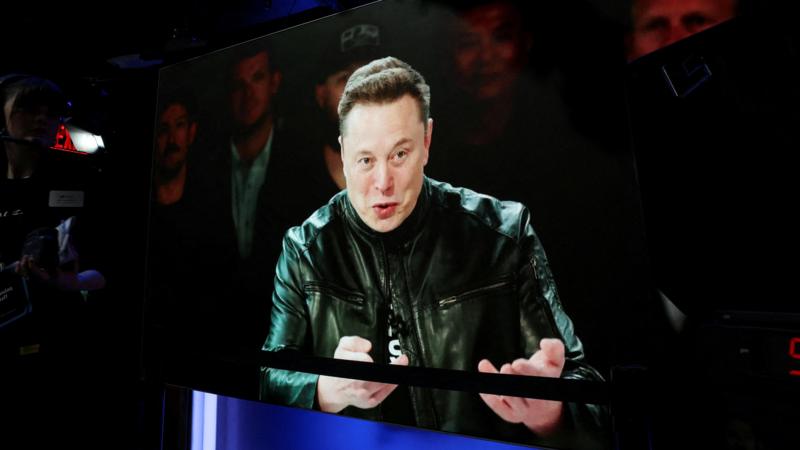
Elon Musk, SpaceX’s CEO, became the world’s first trillionaire after the stock started trading.
The rise in SpaceX’s stock is partly due to excitement about its future technology and potential growth.
This stock market event could impact how new AI companies approach their own initial public offerings (IPOs).
Investor enthusiasm for SpaceX reflects broader interest in space technology and innovation.
Read the Original
Want the full story? Tap a source to open the original
article.
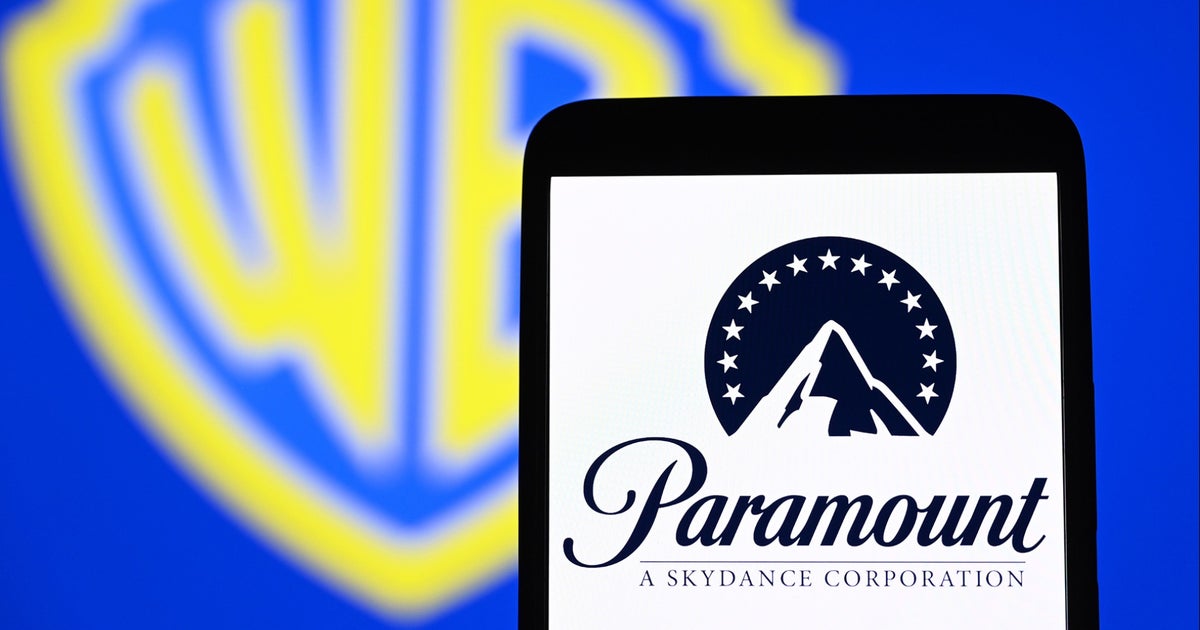
The U.S. Department of Justice (DOJ) has approved Paramount Skydance's $110 billion plan to buy Warner Bros. Discovery. The DOJ said the deal is unlikely to hurt competition or customers, but some states and lawmakers still plan to oppose it.
Key Facts
The DOJ’s Antitrust Division ended its investigation and cleared the $110 billion deal.
DOJ believes the merger will increase competition and benefit American consumers and workers.
Paramount Skydance owns CBS News, Paramount studios, Comedy Central, and Nickelodeon.
Warner Bros. Discovery owns Warner Bros. studios, CNN, HBO Max, TBS, and TNT.
Paramount says the merger will help it compete better against big tech companies for audiences and talent.
State attorneys general may still try to stop the deal through legal challenges.
Some lawmakers and entertainment professionals worry the merger could reduce pay for actors and writers.
Paramount won the deal over Netflix, which had offered $83 billion earlier this year.
Read the Original
Want the full story? Tap a source to open the original
article.
SpaceX became a public company and started trading on the Nasdaq stock exchange with a value close to $1.8 trillion. The company's main value now comes from offering artificial intelligence (AI) services using space technology, rather than its space missions or internet services like Starlink.
Key Facts
SpaceX started trading publicly at $135 per share and closed the first day at $160.95.
The company’s total value reached nearly $1.8 trillion.
Elon Musk’s personal shares are worth more than $700 billion.
Thousands of SpaceX employees became millionaires due to stock options.
Only about 7% of SpaceX’s value comes from space missions and Starlink internet services.
Most of the company’s value is now based on AI services delivered from space for business use.
SpaceX earns more from AI contracts with companies like Anthropic and Google than from NASA contracts.
NASA depends on SpaceX for space missions, including the Artemis moon landing program, but SpaceX’s near-term focus is on AI projects.
Read the Original
Want the full story? Tap a source to open the original
article.
SpaceX became a public company on Friday with the biggest stock market launch ever, making Elon Musk a trillionaire. The U.S. Justice Department also approved a merger between Paramount Skydance and Warner Bros. Discovery on the same day.
Key Facts
SpaceX had the largest initial public offering (IPO) in history on Friday.
Elon Musk's wealth reached over one trillion dollars after SpaceX went public.
The U.S. Department of Justice approved the merger of Paramount Skydance and Warner Bros. Discovery.
Paramount Skydance is the parent company of CBS News.
The merger between Paramount Skydance and Warner Bros. Discovery combines two major entertainment companies.
Both major events were announced and happened on the same day, Friday.
Read the Original
Want the full story? Tap a source to open the original
article.
The U.S. Department of Justice (DOJ) approved Paramount Skydance's purchase of Warner Bros. Discovery. After investigating for eight months, the DOJ said the $111 billion deal is unlikely to reduce competition or hurt customers.
Key Facts
Paramount Skydance is buying Warner Bros. Discovery.
The deal is valued at $111 billion.
The DOJ completed an eight-month investigation of the deal.
The DOJ concluded the purchase will not harm competition.
The acquisition was officially approved by the DOJ on June 12, 2026.
The purchase combines two major media companies.
The deal is still developing, and updates may follow.
Read the Original
Want the full story? Tap a source to open the original
article.
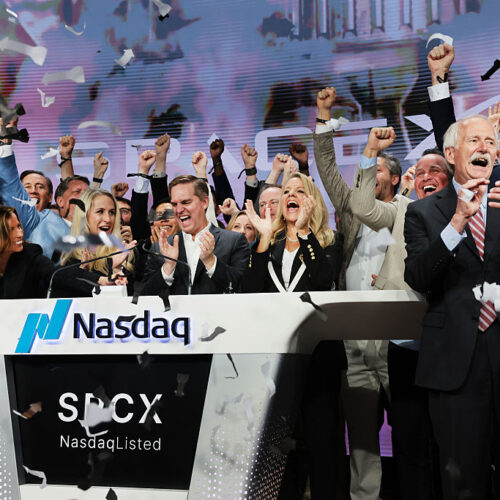
SpaceX, the aerospace company led by Elon Musk, started selling its shares on the stock market for the first time on Friday. The share price rose 11 percent at the start of trading, making the company worth nearly $2 trillion and making Elon Musk the first person to have a net worth over one trillion dollars.
Key Facts
SpaceX had its initial public offering (IPO) on the Nasdaq stock exchange.
The company's stock price increased by 11 percent right after trading began.
SpaceX’s total market value reached about $1.96 trillion.
Elon Musk became the first trillionaire due to the high valuation of SpaceX.
The IPO was highly anticipated by investors and the public.
Read the Original
Want the full story? Tap a source to open the original
article.
President Donald Trump’s Department of Justice has approved the $111 billion merger between Paramount Skydance and Warner Bros Discovery after an eight-month review. Despite concerns about reduced competition and potential job losses, U.S. regulators found the merger unlikely to harm consumers or competition in TV and film markets.
Key Facts
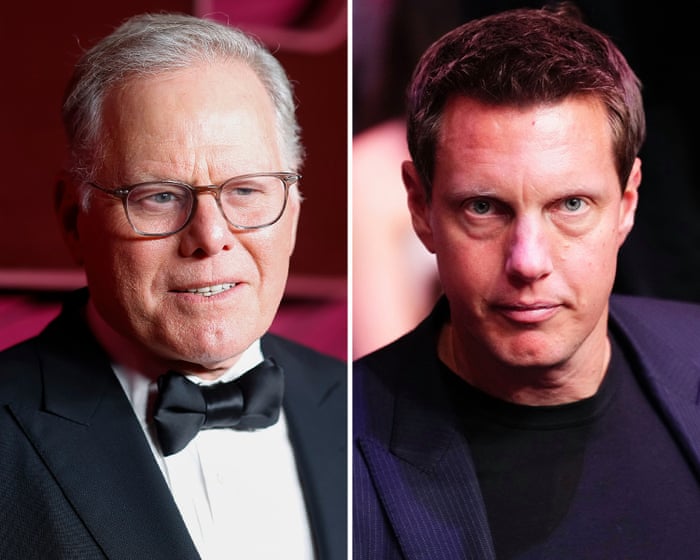
The merger combines Paramount Skydance, controlled by the Ellison family, with Warner Bros Discovery, owner of CNN and HBO.
The Justice Department’s antitrust division completed a detailed investigation and approved the deal.
The merger is valued at $111 billion.
U.S. regulators said the deal will not likely harm competition in streaming, television, or movies.
UK and European regulators are still reviewing the merger, with deadlines in July and August.
Australian regulators have also approved the deal.
Journalists from CBS News and CNN have raised concerns about possible job cuts and changes in news coverage.
A coalition of U.S. state attorneys general, led by California’s attorney general, may try to block the merger in court.
Read the Original
Want the full story? Tap a source to open the original
article.
The U.S. Justice Department has approved the merger of Paramount Skydance, which owns CBS News, and Warner Bros. Discovery. This means the two companies can officially combine their businesses.
Key Facts
The merger is between Paramount Skydance and Warner Bros. Discovery.
Paramount Skydance is the parent company of CBS News.
The Justice Department reviewed and approved the merger.
Approval allows the two companies to join operations.
The merger impacts the media and entertainment industry.
CBS News will be part of the combined company after the merger.
The decision was reported by CBS News correspondent Kelly O'Grady.
Read the Original
Want the full story? Tap a source to open the original
article.
The US Department of Justice has approved Paramount Skydance’s $111 billion purchase of Warner Bros Discovery. This deal will combine major entertainment companies and change the media landscape, but some states like California are still reviewing it and may try to stop the sale.
Key Facts
Paramount Skydance plans to buy Warner Bros Discovery for $111 billion.
The US Department of Justice has given initial approval for the sale.
Warner Bros owns major brands like CNN and HBO.
California’s Attorney General, Rob Bonta, is concerned the merger will reduce competition in entertainment.
More than 1,400 Hollywood actors and filmmakers have publicly opposed the deal.
The sale is not final because some states may challenge or block it in court.
Paramount’s CEO, David Ellison, is related to Larry Ellison, a donor to President Donald Trump.
The deal has raised worries about fewer jobs, less choice for audiences, and higher costs.
Read the Original
Want the full story? Tap a source to open the original
article.
An 18-year-old named Eleri Williams started selling vintage football shirts online and made over £35,000 in profit. She has now opened a shop in Cardiff and plans to use her earnings to pay for her law degree without student debt.
Key Facts
Eleri Williams began selling vintage football shirts at age 15 during her GCSE studies.
She started the business from her parents’ spare room and expanded over three years.
Eleri made more than £35,000 in profit before opening a physical shop in Cardiff’s Royal Arcade.
The business helped her fund travel across the UK and connect with other vintage shirt sellers.
Eleri plans to attend Cardiff University and hopes to graduate without any student debt.
Welsh students owe less on average at graduation (£40,000) than those in England (£53,000).
Many students now take on "side hustles" to cover living and education costs; 65% had side jobs last year.
Eleri’s parents support her by helping manage the shop while she focuses on her studies.
Read the Original
Want the full story? Tap a source to open the original
article.
SpaceX began trading its stock on Wall Street and saw its share price rise by 19% on the first day. This debut marked the largest initial public offering (IPO) ever recorded.
Key Facts
SpaceX started selling its shares to the public on Friday.
The stock price increased by 19% on its first day of trading.
The event was the biggest initial public offering in history.
CBS News MoneyWatch correspondent Kelly O'Grady reported the details.
SpaceX is now a publicly traded company on the stock market.
The IPO attracted significant attention from investors.
Read the Original
Want the full story? Tap a source to open the original
article.
SpaceX went public on the stock market, raising $75 billion and reaching a value of $2.1 trillion in one day. As a result, Elon Musk's net worth grew to $1.1 trillion, making him the world's first trillionaire.
Key Facts
SpaceX raised $75 billion in its initial public offering (IPO).
The company's market value reached $2.1 trillion after its first trading day.
Elon Musk’s wealth increased by more than $62 billion in one day, reaching $1.1 trillion.
Musk’s fortune mainly comes from stocks he owns in companies like SpaceX, Tesla, and xAI.
SpaceX stock opened at $150 per share and closed at $161, up 19% from the IPO price of $135.
Musk combined his AI startup, xAI, with SpaceX before the IPO.
SpaceX plans to launch up to one million data centers into space as part of moon and Mars colonization goals.
The company currently runs billions in losses but investors are optimistic about future profits due to AI developments.
Read the Original
Want the full story? Tap a source to open the original
article.
Elon Musk's total wealth has reached over one trillion dollars, making him the first person to become a trillionaire. This milestone highlights growing wealth gaps between very rich individuals and average workers and has sparked discussion about taxing billionaires.
Key Facts
Musk's SpaceX shares rose 19.2% on their first trading day, valuing his stake at about $1.03 trillion.
Adding the value of Musk’s Tesla shares (around $340 billion) brings his total wealth to approximately $1.37 trillion.
The rise in Musk’s wealth shows a larger trend where people with investments in markets have gained more compared to wage workers.
A recent study suggests California's proposed tax on billionaires could raise significant revenue despite risks of billionaires moving away.
Musk moved his business operations to Texas, potentially reducing California’s tax gains from his wealth.
Discussions about taxing the super-rich have grown as government debts and costs for programs like Social Security increase.
Historically, very large fortunes like Rockefeller’s led to income and estate taxes in the early 1900s.
Read the Original
Want the full story? Tap a source to open the original
article.
SpaceX completed the largest initial public offering (IPO) in history on Friday. The process Elon Musk used to bring the company to market was unusual and has been compared to how President Donald Trump uses executive orders.
Key Facts
SpaceX held the biggest IPO ever recorded.
Elon Musk led the company's market debut.
The approach Musk used was different from typical IPO methods.
A news report compared Musk’s method to President Donald Trump’s executive orders.
The discussion involved a technology and economic policy reporter from Politico.
The coverage was featured on CBS News.
Read the Original
Want the full story? Tap a source to open the original
article.
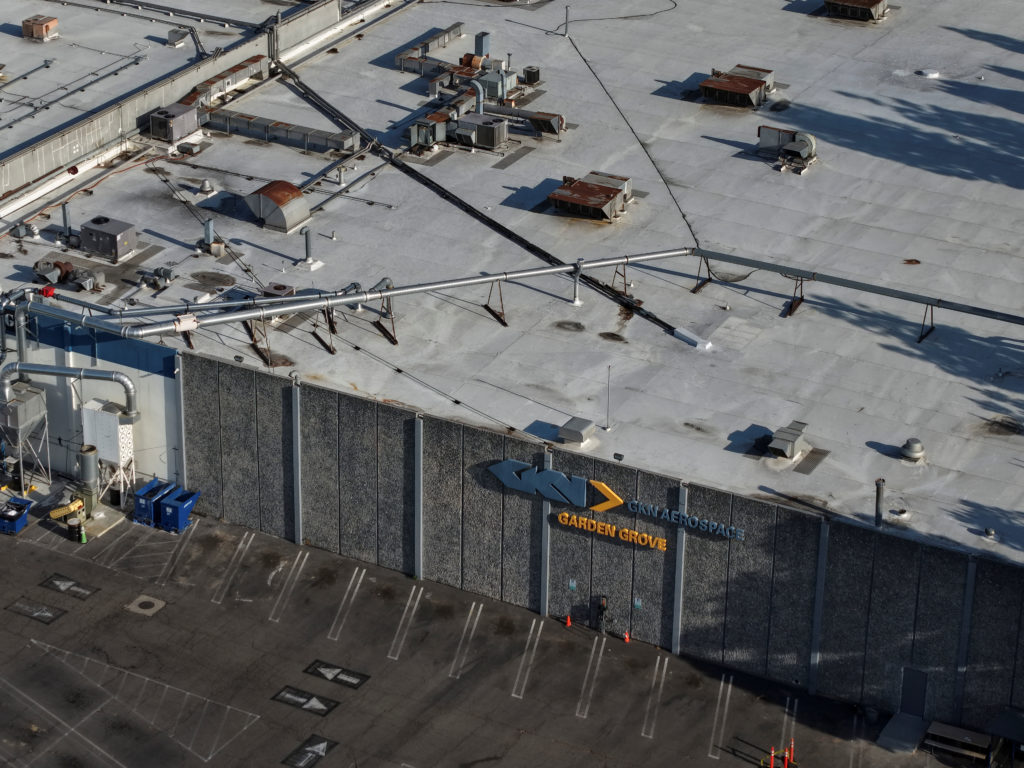
More than 30 lawsuits have been filed against GKN Aerospace after a chemical tank overheated at its California facility, causing evacuations of about 50,000 people. The lawsuits claim the company did not keep the tank and safety systems properly maintained, leading to health issues and financial losses for residents.
Key Facts
The chemical tank contained 6,000 to 7,000 gallons of methyl methacrylate, a highly flammable liquid used in making plastics.
The overheating incident began on May 21 at GKN Aerospace’s Garden Grove facility in Orange County, California.
About 50,000 residents were evacuated for three to five days as a safety precaution.
Over 100 individuals, including families and local businesses, filed lawsuits saying the company was negligent.
Some plaintiffs reported health problems like headaches, nausea, and breathing difficulties after the incident.
The FBI and the Environmental Protection Agency searched the facility for evidence of possible environmental crimes.
GKN Aerospace makes cockpit windows, canopies, and windshields.
The lawsuits seek compensation for damages and costs related to the evacuation and health issues.
Read the Original
Want the full story? Tap a source to open the original
article.
Elon Musk became the world's first trillionaire after SpaceX, his rocket and AI company, went public on the stock market. SpaceX's shares rose sharply on their first day, giving Musk a net worth of over $1 trillion based mainly on the value of his shares.
Key Facts
SpaceX debuted on the Nasdaq stock exchange with a value of $2.2 trillion.
The initial share price was set at $135 but opened at $150 and reached $176.50.
SpaceX shares closed at $160.95 on their first day of trading.
Musk owns 42% of SpaceX, worth about $884 billion, plus a 12% stake in Tesla worth $183 billion.
The IPO raised $75 billion to fund SpaceX's AI and rocket technology projects.
Musk’s wealth is mostly on paper, tied to stock value; he cannot sell SpaceX shares for one year.
SpaceX has lost over $9 billion in recent years due to heavy investment in technology development.
The company aims to make life multiplanetary and expand human knowledge beyond Earth.
Read the Original
Want the full story? Tap a source to open the original
article.
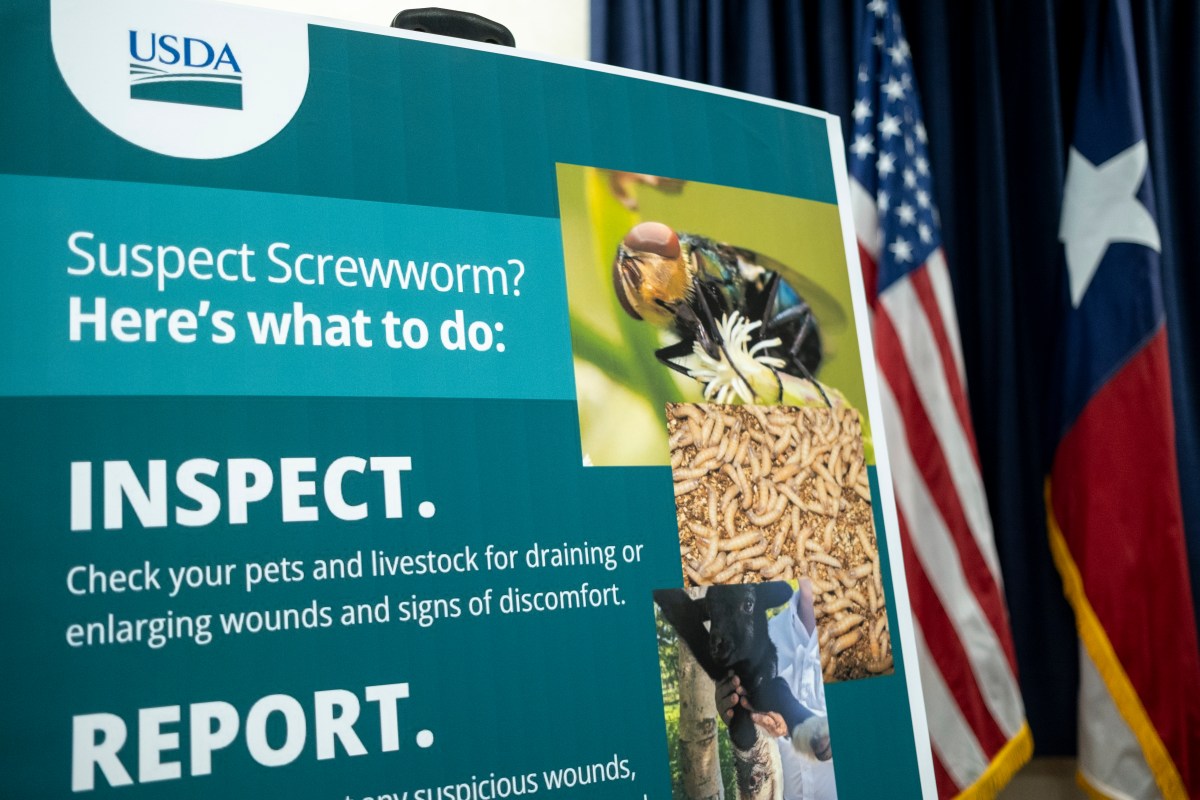
The U.S. Food and Drug Administration (FDA) approved an emergency use for nitenpyram tablets to treat infections caused by New World screwworm in pets. This medication can quickly kill the parasite larvae in dogs and cats and helps control an outbreak affecting animals in Texas and New Mexico.
Key Facts
The FDA gave emergency authorization for nitenpyram tablets, the first generic drug approved for this parasite in animals.
New World screwworm larvae invade open wounds and eat live tissue, harming livestock, wildlife, and pets.
The drug treats dogs, puppies, cats, and kittens that are at least 4 weeks old and weigh 2 pounds or more.
Most larvae are expected to die within hours after taking the medicine, with a second dose possible after six hours.
Veterinarians may still need to remove larvae or treat wounds after medication.
The medicine does not protect animals from getting reinfected if exposed again to screwworm flies.
U.S. Health and Human Services Secretary Robert F. Kennedy Jr. described the authorization as part of a strategy to stop the screwworm spread.
The drug is for animals only and must be kept away from children and humans.
Read the Original
Want the full story? Tap a source to open the original
article.
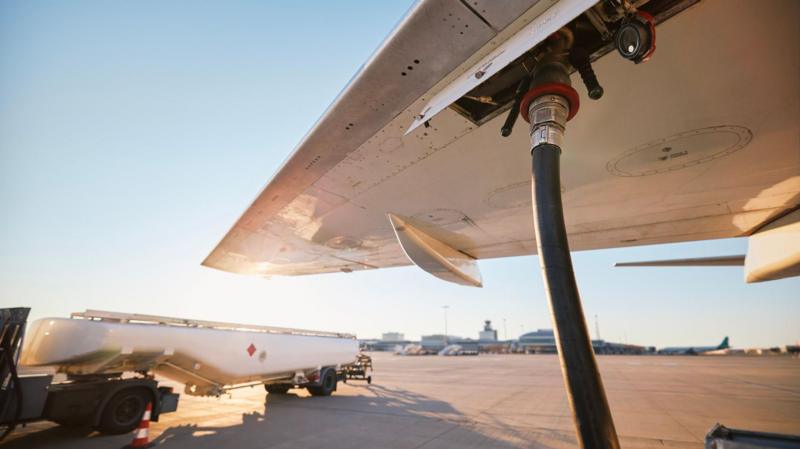
The UK government will stop importing diesel and jet fuel made from Russian oil by January 1, 2027. This decision is part of sanctions against Russia due to the war in Ukraine, and the UK will review the temporary import license every two weeks until then.
Key Facts
The UK plans to ban imports of diesel and jet fuel refined from Russian oil starting January 1, 2027.
The ban is part of the UK’s sanctions package in response to Russia’s war in Ukraine.
The UK will review the temporary license to import these fuels every two weeks and may end it sooner.
Trade Minister Chris Bryant said the ban shows the UK is increasing pressure on Russia.
EU officials have warned against reducing sanctions on Russia at this time.
Recent conflicts involving the US, Israel, and Iran have raised global oil prices and tightened oil supply.
Some critics, like campaigner Bill Browder, say continued imports of Russian fuels help finance Russia’s war.
UK officials say the measures aim to pressure Russia while keeping energy supplies stable at home.
Read the Original
Want the full story? Tap a source to open the original
article.