GoPro is facing serious financial problems due to rising costs, weaker demand, and strong competition, especially from smartphones. The company is exploring options like a sale or merger to stay afloat, while also trying to find new markets in defense and aerospace.
Key Facts
GoPro has been losing money and has negative cash flow from its operations.
Auditors warned there is doubt GoPro can continue operating without financial support.
The company is in talks with lenders like Farallon Capital Management and Wells Fargo.
GoPro hired a financial advisor to explore a possible sale or merger but no buyer has appeared yet.
Revenue dropped 44% over four years, with latest quarterly sales also down significantly.
GoPro introduced a new Mission 1 camera line with advanced features in May.
The company is cutting 23% of its staff to reduce costs.
GoPro is trying to expand its technology into defense and aerospace industries.
Read the Original
Want the full story? Tap a source to open the original
article.
ITV expects the 2026 World Cup, co-hosted by the US, Mexico, and Canada, to be its most profitable sports event ever, calling it a “six-week summer Super Bowl moment” for advertising. The channel will air 51 out of 104 matches and has already sold ad packages to over 220 advertisers, including tech companies and new TV advertisers like Jeremy Clarkson’s lager brand.
Key Facts
The 2026 World Cup has expanded to 48 teams and features 104 matches.
ITV will broadcast 51 matches and expects its advertising revenue to be about 30% higher than during Euro 2024.
A 30-second ad during an England game can cost up to £300,000.
Nike will air a six-minute-long commercial, the longest ever UK TV ad, during England’s first game.
Around 220 advertisers have bought TV ad slots, with about 70 new to football ads and 8 new to TV advertising altogether.
Major tech companies advertising include Google, Amazon Web Services, Apple, Dell, Microsoft, and Meta.
Kick-off times for England’s early matches are 9pm or 10pm UK time, which could attract larger audiences.
ITV emphasizes that live, free-to-air sports events bring unique large audiences that streaming and social media cannot match.
Read the Original
Want the full story? Tap a source to open the original
article.
Gold prices reached record highs in 2025 but have been unstable recently, ranging from $4,300 to $5,500 per ounce. Experts believe that if inflation stays high, gold prices will likely remain steady or rise, but if inflation falls, gold prices may drop somewhat.
Key Facts
Gold hit record prices multiple times in 2025, fluctuating between $4,300 and $5,500 per ounce.
Rising inflation reached its highest level in over three years as of recent data.
Inflation reduces the buying power of the U.S. dollar, making gold a popular choice to protect wealth.
Experts say high inflation may increase demand for gold and push prices higher, possibly to around $5,000 per ounce by the end of 2026.
If the Federal Reserve raises interest rates to fight inflation, it could lower demand and prices for gold.
Higher interest rates encourage investors to choose assets with better returns instead of gold.
If inflation eases, demand for gold may decrease but prices should remain relatively high due to other economic factors.
Gold is mainly seen as a way to preserve wealth, not to grow money quickly.
Read the Original
Want the full story? Tap a source to open the original
article.
Inflation in the U.S. rose to 4.2% in May, the highest in three years, mainly due to higher energy prices linked to the conflict involving Iran. This rise in inflation makes it less likely that the Federal Reserve will lower interest rates soon, which could keep mortgage rates high and affect the housing market’s affordability.
Key Facts
Inflation increased to 4.2% in May, up from 3.8% in April, the highest since 2023.
Higher energy costs, including a 3.9% rise in May, were a major cause of inflation.
The Iran conflict disrupted oil markets and shipping routes, pushing energy prices up.
Gasoline prices averaged $4.13 per gallon nationally as of the article’s date.
Shelter costs grew 3.4% over the year, while food prices rose 0.3% in May.
Real wages fell by 0.1% in May, meaning earnings did not keep up with rising prices.
The Federal Reserve is unlikely to cut interest rates soon and might even raise them.
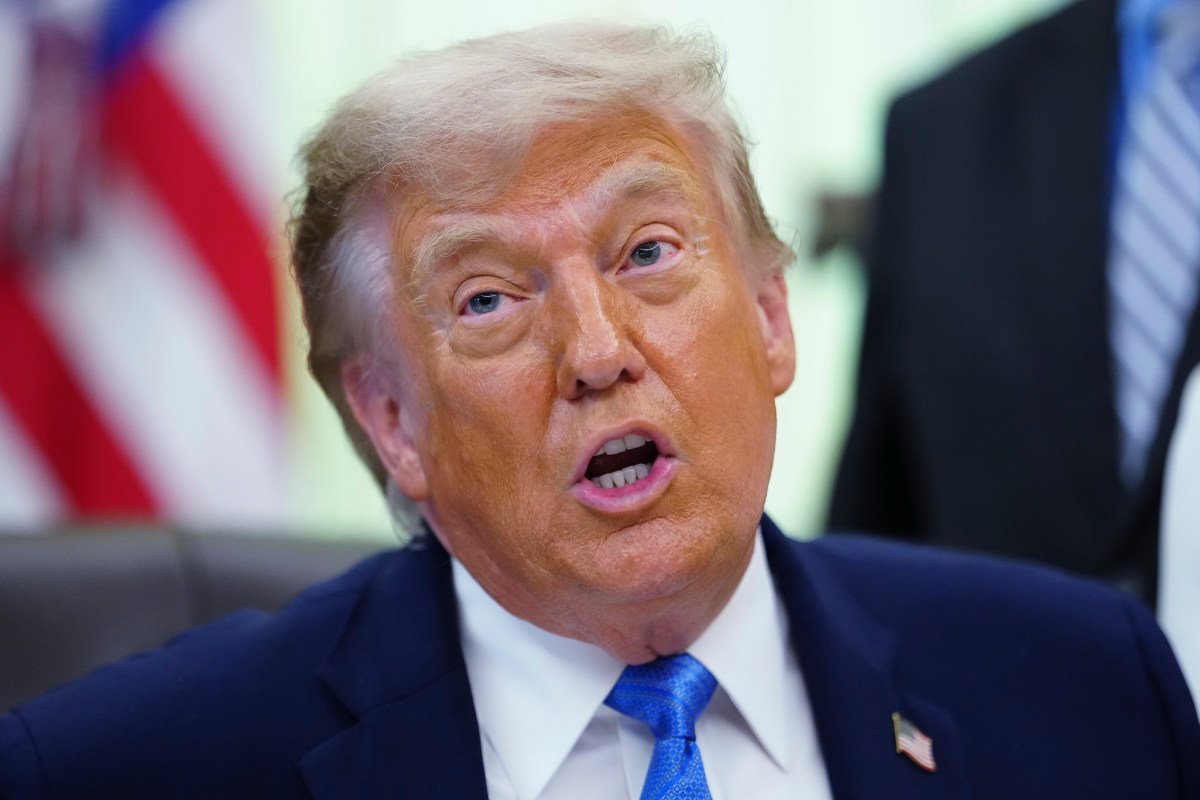
President Donald Trump expressed support for current inflation numbers and mentioned secret plans to move oil tankers to lower fuel costs.
Read the Original
Want the full story? Tap a source to open the original
article.
The Chinese company Jingye Steel is seeking compensation from the UK government after the UK took control of British Steel's Scunthorpe plant. Jingye is using an international treaty between China and the UK to try to recover money following the nationalisation of the steelworks.
Key Facts
Jingye Steel owns British Steel and is pursuing payment under the China-UK bilateral investment treaty.
The UK nationalised British Steel in April 2023, citing national security and job concerns.
Jingye had planned to close the Scunthorpe plant, risking 2,700 jobs and large losses.
Jingye initially aimed to recover about £711 million but may seek over £1 billion.
The dispute could be decided by an international arbitrator after six months of consultations.
The UK government intends to fully nationalise British Steel and later sell it to new private owners.
The UK plans to reduce tariff-free steel imports, potentially benefiting British Steel.
New owners will likely need subsidies to update the plant with modern, eco-friendly technology.
Read the Original
Want the full story? Tap a source to open the original
article.
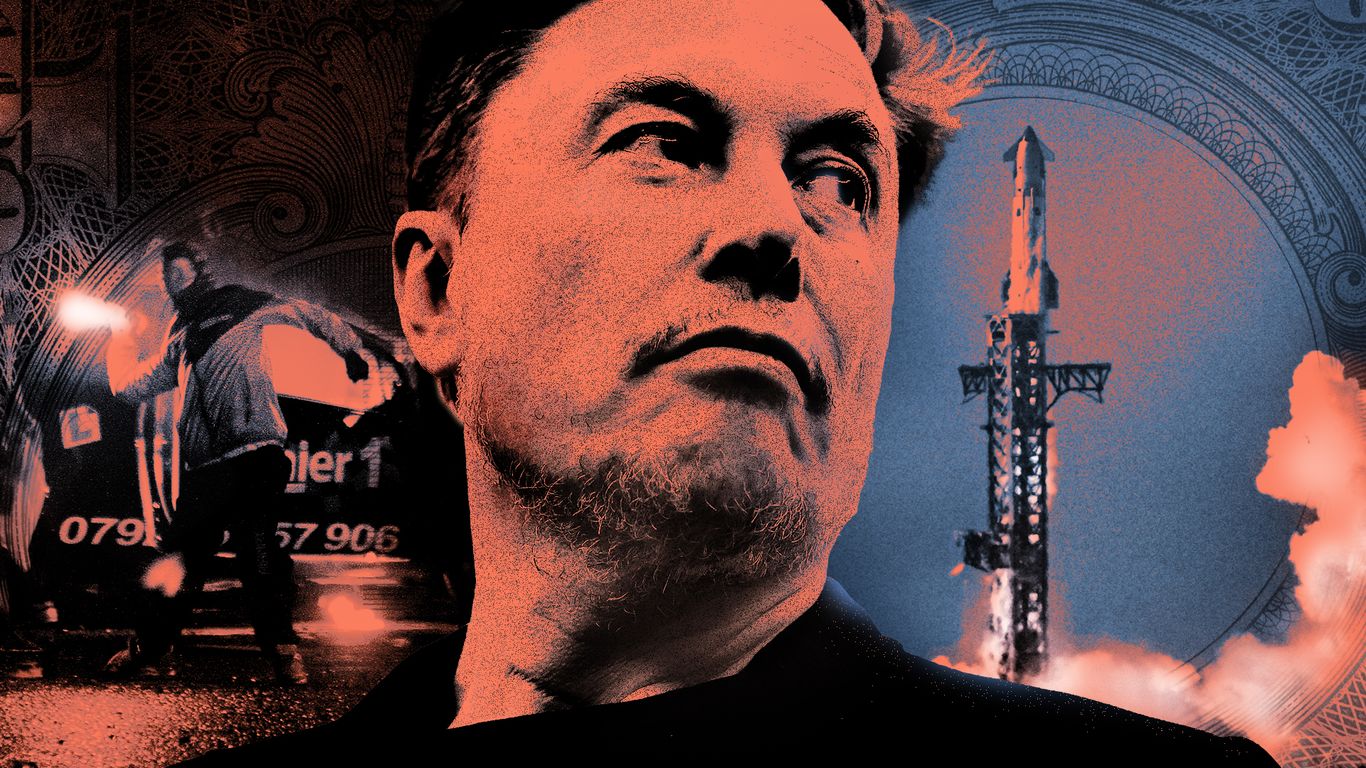
Elon Musk, the world’s richest person, is preparing SpaceX for a very large public stock offering. At the same time, he frequently shares strong opinions about immigration and politics that have sparked controversy but have not reduced investor interest in his companies.
Key Facts
Elon Musk is close to becoming the first trillionaire.
SpaceX is planning a huge initial public offering (IPO) expected to be worth $1.75 trillion.
Musk often posts on social media about violence and immigration issues, which has led to criticism from political leaders.
Recently, Belfast saw riots sparked by violence claimed to involve a migrant, and Musk encouraged protests there.
Musk supports claims about voter fraud related to immigrants in the U.S., especially in California.
Musk promotes a belief that Western white culture is being threatened by migration and social changes.
Despite controversies, Musk’s companies remain highly valued and important to the economy.
Investors continue to want shares in Musk’s businesses, showing tolerance for his political statements.
Read the Original
Want the full story? Tap a source to open the original
article.
The 2026 FIFA World Cup, starting in Mexico, is expected to generate nearly $41 billion in economic activity worldwide. FIFA, the organization that runs the tournament, is forecasted to make a record $11 billion in revenue.
Key Facts
The 2026 FIFA World Cup begins this Thursday in Mexico.
The tournament is predicted to create about $41 billion in economic output globally.
FIFA expects to earn a record $11 billion from the World Cup.
The economic boost includes spending on hotels, travel, and local businesses in host countries.
The report highlights the financial impact on both the global economy and the World Cup host nations.
Other news mentioned includes market reactions to violence in the Strait of Hormuz and a lawsuit against SpaceX before its stock market debut.
The article is mainly focused on the business and economic aspects of the World Cup event.
Read the Original
Want the full story? Tap a source to open the original
article.
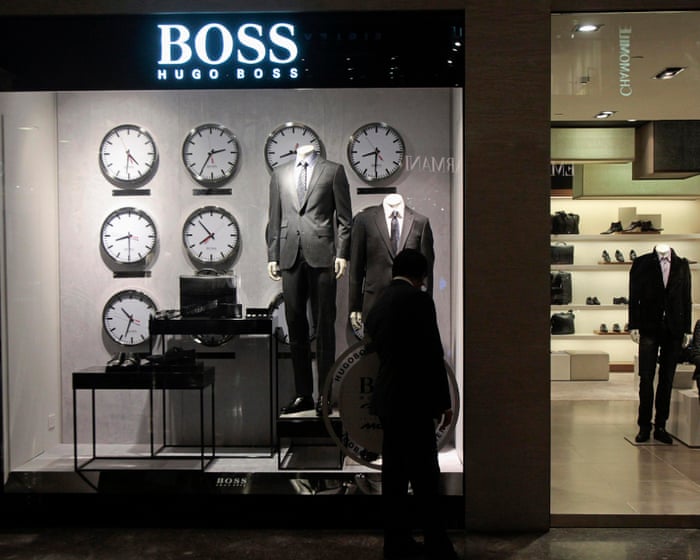
Hugo Boss shares rose nearly 7% after the company said it will carefully review a nearly €2 billion takeover offer from Frasers Group, owned by Mike Ashley. Frasers already owns about 26% of Hugo Boss and is offering €38 per share in cash to take full control of the German fashion brand.
Key Facts
Frasers Group, led by Mike Ashley, proposed to buy all Hugo Boss shares for about €1.98 billion.
The offer price is €38 per share, which is 4.3% higher than the previous closing price.
Hugo Boss shares increased from €39 to €38.84 after the news, while Frasers shares fell 2.5%.
Hugo Boss generated €4.3 billion in sales last year and is Germany’s biggest luxury fashion group.
The Hugo Boss board said the offer was not coordinated with the company and will be thoroughly examined.
Frasers owns other retail brands like Sports Direct, House of Fraser, Flannels, and Gieves & Hawkes.
Hugo Boss has been working on a turnaround plan, updating stores and products, focusing more on womenswear.
JP Morgan Chase said the bid sets a near-term price floor for Hugo Boss shares but sees little chance of a competing offer.
Read the Original
Want the full story? Tap a source to open the original
article.
Asian stock markets showed mixed results after U.S. markets fell due to another drop in artificial-intelligence (AI) stocks. Oil prices went down slightly after rising earlier, following a U.S. airstrike against Iran.
Key Facts
Asian markets had mixed movements: Tokyo's Nikkei barely rose, Seoul's Kospi went up 0.4%, while Hong Kong’s Hang Seng and Shanghai’s Composite index fell.
On Wall Street, major indexes dropped sharply: S&P 500 fell 1.6%, Dow Jones lost 1.9%, and Nasdaq dropped 2%.
AI stocks led the decline, with big companies like Nvidia falling 3.7% and Broadcom down 5.1%.
Some investors worry AI stock prices rose too fast and may be correcting.
Super Micro Computer's stock fell 28% after announcing plans to raise $7 billion through stock sales, which can reduce current shareholders’ control.
Micron Technology experienced large price swings in recent days, reflecting market uncertainty.
Some investors might be selling AI stocks to prepare for upcoming initial public offerings (IPOs), like SpaceX’s potential debut.
Brent crude oil prices dropped 0.3% to about $92.81 a barrel after earlier increases related to U.S. military actions against Iran.
Read the Original
Want the full story? Tap a source to open the original
article.
Central banks around the world are buying more gold than ever before as a safe investment. Countries like China and BRICS nations are working to use other currencies besides the U.S. dollar in global trade. Despite these changes, the U.S. dollar remains the main currency used worldwide.
Key Facts
U.S. assets were long seen as the safest investment globally.
Central banks are buying gold at record levels.
China is trying to increase the use of its currency, the yuan, in global finance.
BRICS countries (Brazil, Russia, India, China, South Africa) want to rely less on the U.S. dollar.
Conflicts like the situation in Iran and growing U.S. debt are influencing these changes.
Uncertainty about President Donald Trump’s trade tariffs is affecting global markets.
The U.S. dollar still leads in global trade, finance, and currency exchange.
However, more countries are looking for alternatives to the dollar.
Read the Original
Want the full story? Tap a source to open the original
article.
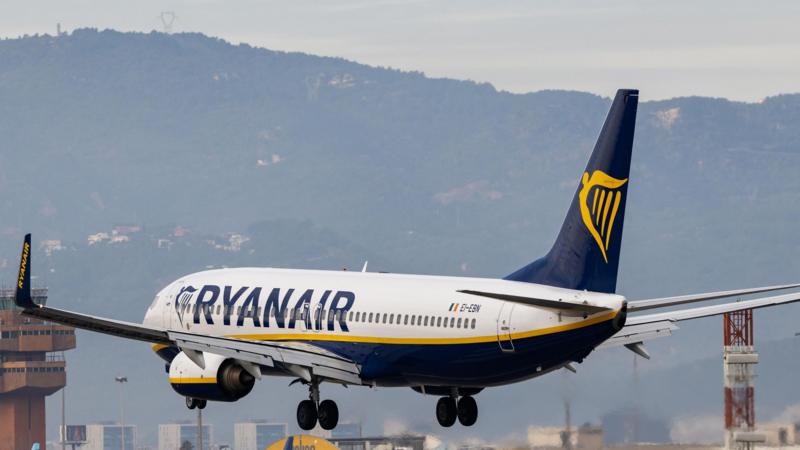
Ryanair is under investigation by the UK’s Competition and Markets Authority (CMA) for charging parents a mandatory fee to sit next to their children on flights. The CMA is checking if this charge is unfair under consumer law and if Ryanair fully informs customers about the cost during booking.
Key Facts
Ryanair requires at least one parent to sit with children aged 2-11 on flights.
The airline charges about £8 per flight for a parent to reserve this seat next to their child.
This fee applies on both outbound and return flights and affects many UK routes.
Other airlines usually let children sit with a parent at no extra cost or assign seats automatically.
The CMA is investigating if this fee breaches consumer fairness rules and if parents are charged for Ryanair’s legal obligations.
Ryanair says adults traveling with children pay one reserved seat fee and can reserve seats next to up to four children free of charge.
The CMA is also looking into whether Ryanair hides this fee during booking, which is banned under 2024 rules against “drip pricing.”
The CMA has not yet decided if Ryanair has broken any laws but is conducting the investigation to protect consumers.
Read the Original
Want the full story? Tap a source to open the original
article.
The UK’s Competition and Markets Authority (CMA) is investigating Ryanair over charges parents must pay to sit next to their children on flights. Ryanair says parents pay a fee for a "mandatory family seat," but the airline insists it follows all laws and that this fee covers only one adult seat, with children's seats being free.
Key Facts
Ryanair requires parents to pay a fee to sit next to children aged 2 to 11 on flights.
This fee is called a "mandatory family seat" and usually costs about £8 each way.
The UK’s CMA is investigating if these fees violate consumer laws by charging parents to meet safety and disability rules.
Ryanair says adults traveling with children pay one reserved seat fee but can reserve seats for up to four children free of charge.
The CMA is checking if Ryanair’s seat reservation policy is fair and legal.
Ryanair called the investigation "bogus" and stated its policy complies with all relevant rules.
The investigation focuses on whether Ryanair improperly charges parents for complying with aviation safety laws.
Read the Original
Want the full story? Tap a source to open the original
article.
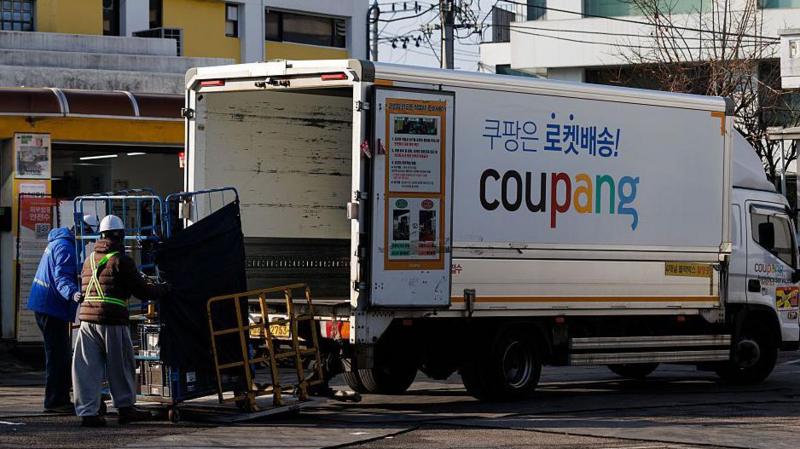
South Korea's Personal Information Protection Commission fined Coupang, the country's largest online shopping company, over $400 million for a major data breach. The breach exposed personal information of more than 30 million users, over half the population, and involved weaknesses in data security measures.
Key Facts
Coupang was fined 624.68 billion won (over $400 million) for a data breach.
The breach exposed names, contact details, delivery addresses, and order histories of about 37.5 million users.
This incident is the largest data breach fine ever issued by South Korea's data privacy authority.
The breach started around June and was discovered officially in November.
Coupang initially reported a smaller breach affecting 4,500 accounts but later found millions more affected.
Weak security practices, like poor management of authentication keys, led to the data exposure.
Coupang's CEO resigned after the breach, and an interim CEO was named.
The company plans to challenge the fine and said it will improve security.
Read the Original
Want the full story? Tap a source to open the original
article.
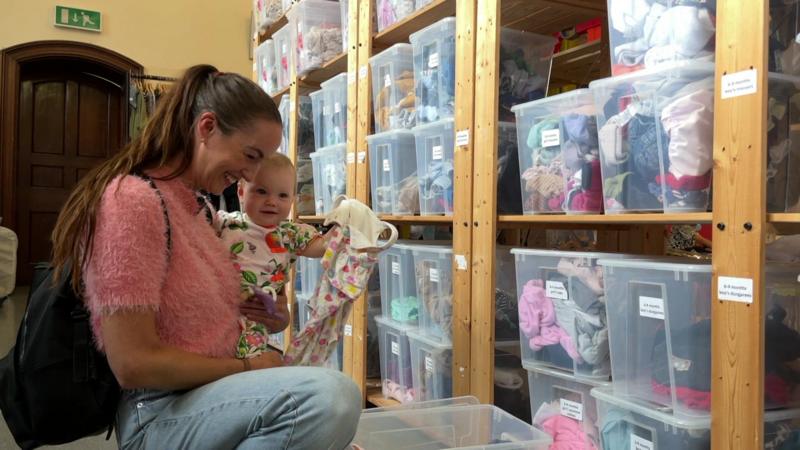
A shop called Kids Stuff in Bristol sells second-hand children’s clothes at very low prices, helping families cope with rising costs. Started as a monthly event, it is becoming a frequent store because more families need affordable clothing and community support.
Key Facts
Kids Stuff began in late 2024 as a once-a-month pop-up but may open five days a week by late 2026 due to demand.
Prices start as low as 50 pence for baby clothes, with older children’s clothes costing a few pounds.
The cost of children’s clothing has risen by at least 30% since 2021.
The shop offers a pay-what-you-can hot meal and a soft play area for children, creating a community space.
Kids Stuff works with groups helping families in crisis, including those escaping domestic abuse and refugees.
Families referred to the shop receive vouchers so they choose the clothes themselves, supporting dignity and choice.
Parents find the shop more affordable than charity shops and avoid the uncertainty of buying second-hand clothes in bundles online.
Shopping second-hand also helps with sustainability by reducing the need to buy new clothes that children quickly outgrow.
Read the Original
Want the full story? Tap a source to open the original
article.
South Korea fined the e-commerce company Coupang $408 million for leaking personal data of over 33 million customers and not reporting the leak within the required time. The data breach was caused by poor safety measures, and Coupang plans to challenge the fine in court.
Key Facts
Coupang leaked personal information of more than 33 million customers.
The company failed to report the breach within 72 hours, as South Korean law requires.
The fine of $408 million is the largest ever for a data leak in South Korea.
The breach happened because a former employee stole a security key and accessed customer accounts.
South Korea’s privacy regulator criticized Coupang for weak safety systems and delayed notifications.
Coupang is based in Seattle but earns most of its money in South Korea.
US lawmakers have expressed concern that South Korea’s investigation might unfairly target US-listed companies.
Coupang holds about 40% of South Korea’s logistics market, making it a major player in e-commerce.
Read the Original
Want the full story? Tap a source to open the original
article.
Australian billionaire Brett Blundy is trying to remove the long-term chair of Victoria’s Secret, Donna James, at the company’s annual meeting in the US. Blundy’s investment firm owns about 13% of the company and is pushing for changes after a years-long disagreement over the company’s strategy and governance.
Key Facts
Brett Blundy’s firm, BBRC International, owns roughly 13% of Victoria’s Secret, making it the second-largest shareholder.
Blundy wants to remove Donna James, the current long-term chair, and another director from the board.
Blundy has been pushing for changes at Victoria’s Secret since 2021 but has not been appointed to the board.
Victoria’s Secret rejected Blundy’s requests due to concerns about reputational risk related to his other business interests.
The company has a “poison pill” plan, which allows current shareholders to buy more shares if any investor tries to buy over 15%, to prevent hostile takeovers.
Proxy advisory firms supporting the board say the company’s performance has improved since its spin-off in 2021.
Blundy claims shareholders have lost value due to poor decisions and lack of oversight by the current board.
The annual shareholder vote is scheduled for Thursday at 8:30 a.m. Eastern Time (10:30 p.m. Australian Eastern Standard Time).
Read the Original
Want the full story? Tap a source to open the original
article.
President Donald Trump said he might not continue the United States-Mexico-Canada Agreement (USMCA) when it expires. This agreement replaced the North American Free Trade Agreement (NAFTA) six years ago during his first term.
Key Facts
USMCA is a free trade deal between the U.S., Mexico, and Canada.
It replaced the older NAFTA agreement.
President Trump said he is “not looking to renew” USMCA.
The agreement has been in place for six years.
President Trump made this statement during a media interview.
The USMCA affects trade and business between the three countries.
The decision could impact trade relations in North America.
Read the Original
Want the full story? Tap a source to open the original
article.
Candy stores in and around New York City are growing despite wider economic struggles and low consumer confidence in the US. These shops offer affordable treats that people continue to buy even when cutting back on bigger expenses.
Key Facts
Economy Candy, the oldest candy store in New York, has been open since 1937 and adapted from a repair shop to selling sweets during the Great Depression.
US retail sales rose 4.9% in April compared to last year, but consumer confidence hit a record low in May.
Candy has a low price, allowing many people to buy it even when money is tight, a behavior linked to the "lipstick effect" where people buy small luxuries during hard times.
New candy stores like The Village Confectionery and shops by BonBon and Candy King are opening in and around New York City.
BonBon prefers smaller store locations on side streets with lower rent to keep costs down and create cozy atmospheres.
Swedish candy, known for natural ingredients, is growing in popularity and is featured in some new stores.
Candor Candy’s in Brooklyn also sells pantry items to increase sales but focuses mainly on candy because it has a long shelf life and doesn’t need refrigeration.
Read the Original
Want the full story? Tap a source to open the original
article.
Candy stores are growing in New York City despite low consumer confidence and economic challenges. People still buy affordable treats like candy, which offers a small luxury during tough times. Several new and established candy shops are opening or expanding in the area.
Key Facts
Economy Candy, the oldest candy shop in NYC, has been open since 1937 and thrives even in hard times.
US retail sales grew by 4.9% in April, but consumer sentiment reached an all-time low in May 2026.
Candy is affordable, so people buy it as a small treat when avoiding bigger expenses.
This idea relates to the "lipstick effect" where people buy small luxuries during economic downturns.
New stores like The Village Confectionery will open soon in the Hudson Valley area.
BonBon, a Swedish candy company, has five stores in Manhattan and Brooklyn and is opening a new location in Connecticut.
BonBon chooses smaller, less expensive locations and uses unique details like themed staff uniforms.
Brooklyn’s Candor Candy's sells candy plus other pantry goods to increase income and benefits from candy’s long shelf life.
Read the Original
Want the full story? Tap a source to open the original
article.
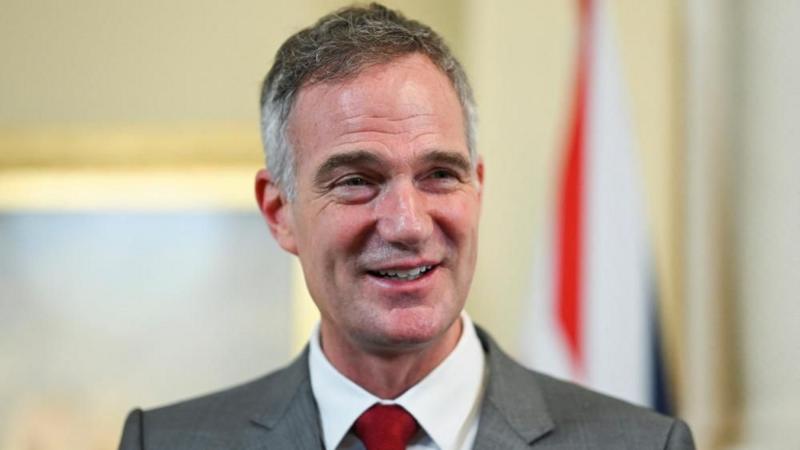
Business Secretary Peter Kyle said he would have stopped the sale of UK microchip company ARM Holdings to a foreign buyer if he had been in government then. He spoke about plans to support British tech companies and keep them growing in the UK, while also noting challenges in other industries like hospitality.
Key Facts
ARM Holdings was sold to Japanese company Softbank in 2016 for £24 billion.
ARM is now listed on the New York Stock Exchange and valued at around £285 billion.
Peter Kyle regrets the sale of UK AI firm DeepMind to Google in 2014, saying wealth from it goes abroad.
The government plans to invest more public money in promising UK tech companies.
A new government service will help tech firms get skills, financing, and other support.
The government wants to create conditions so tech companies do not want to leave the UK.
Some sectors such as hospitality are struggling due to wage increases and higher employer costs.
The government is working with experts to address challenges faced by young workers entering the job market.
Read the Original
Want the full story? Tap a source to open the original
article.