Asian stock markets fell sharply, with South Korea’s main stock index, the Kospi, dropping over 5%. The decline followed heavy losses in U.S. technology and artificial intelligence-related company shares, especially in the computer chip sector.
Key Facts
South Korea’s Kospi index fell 5.1% to 8,185.62 by midday.
South Korean technology stocks SK Hynix and Samsung Electronics dropped 8.4% and 5.4%, respectively.
U.S. chipmaker Broadcom’s shares fell 12.6% after a weak earnings forecast.
Other U.S. tech stocks like Micron Technology and CrowdStrike also lost value.
Japan’s Nikkei 225 index dropped 1.4%, with chip equipment maker Tokyo Electron down 7.2%.
Hong Kong’s Hang Seng index fell 0.8%, while Shanghai’s stock index gained 0.4%.
Oil prices stabilized slightly but remain affected by geopolitical tensions in the Middle East.
Despite some market falls, U.S. indexes like the S&P 500 and Dow Jones reached new highs recently.
Read the Original
Want the full story? Tap a source to open the original
article.
Actors in the Screen Actors Guild-American Federation of Television and Radio Artists (SAG-AFTRA) voted to approve a new four-year contract with movie studios and streaming companies. The agreement includes rules to limit the use of artificial intelligence (AI) actors and offers better pay and benefits protections.
Key Facts
Over 90% of SAG-AFTRA members who voted approved the new contract.
About 19% of eligible members cast their votes.
The contract lasts four years, one year longer than typical agreements.
It includes protections against using AI to replace human actors unless AI adds significant value.
The agreement aims to prevent another strike like those in 2023 involving actors and writers.
SAG-AFTRA president Sean Astin highlighted gains in pay, AI protections, and benefits security.
The Alliance of Motion Picture and Television Producers (AMPTP), representing studios and streamers, supported the deal.
Similar contract talks continue with the Directors Guild of America, whose contract expires on June 30.
Read the Original
Want the full story? Tap a source to open the original
article.
A CBS News California investigation found that some food delivery drivers in California use rented or stolen app accounts to avoid background checks. This loophole means customers might not know who is actually delivering their food, raising safety concerns and prompting lawmakers to consider stronger rules.
Key Facts
Some delivery drivers use accounts that do not belong to them by renting or buying them online.
One in four drivers in test orders did not match the photo shown in the app.
These fake accounts help people avoid required background checks.
California law requires delivery apps to show the driver's first name and photo to customers.
Lawmakers are looking into stronger penalties for renting or selling delivery accounts.
Companies like DoorDash, Uber, and Lyft say they remove accounts involved in fraud when found.
The investigation showed accounts for Uber and Lyft were also rented on social media platforms.
Assemblywoman Laurie Davies is working to close this loophole to protect customers.
Read the Original
Want the full story? Tap a source to open the original
article.
Tech companies like Meta are opposing a new Australian law that would require them to pay news outlets for using their content or face a 2.25% levy on local revenue. These companies argue the law breaks the Australia-US free trade agreement and could lead to retaliation from the Trump administration. Media industry leaders support the law, saying it is necessary to ensure fair payment for news content.
Key Facts
Australia plans to make tech companies pay news outlets or pay a 2.25% fee on revenue.
The law is called the news media bargaining incentive (NBI).
Meta says the NBI is a "discriminatory tax" targeting foreign companies unfairly.
US trade groups warn the draft law may violate the Australia-US free trade agreement.
The Software & Information Industry Association says the Trump administration might retaliate.
Australian media leaders say the law helps ensure tech companies pay fairly for news content.
The law aims to support journalism and maintain diverse news sources in Australia.
Some call for changes to ensure small news producers also benefit from payments.
Read the Original
Want the full story? Tap a source to open the original
article.
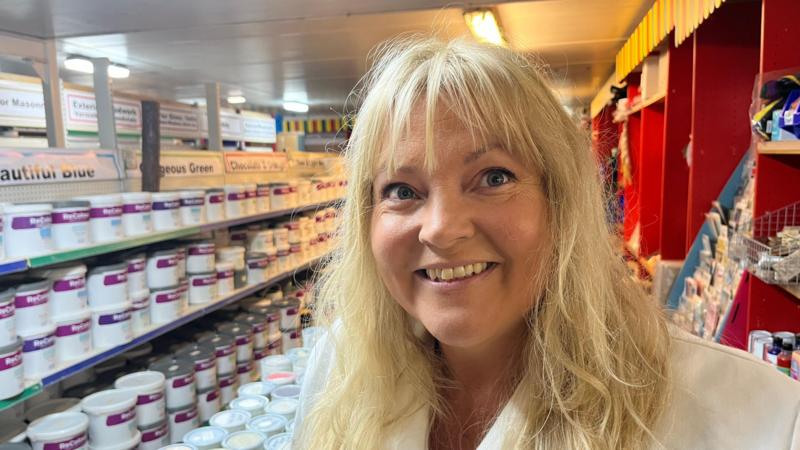
A social enterprise called Remo in March, Cambridgeshire, which recycles paint and other materials, has received a £400,000 grant from the National Lottery. This funding will help Remo hire more staff and stay open seven days a week, making affordable recycled paint and materials more available to the community.
Key Facts
Remo recycles paint, furniture, and other materials to help people decorate affordably.
The National Lottery awarded Remo a £400,000 grant to support its growth.
The grant money will be paid out over five years.
Remo was started about 20 years ago and is based in March, Cambridgeshire.
The grant allows Remo to increase staff and extend opening hours to seven days a week.
Used paint is sold at much lower prices than new paint.
Development director Nikki Digiovanni founded the initiative after experiencing the high cost of paint firsthand.
Remo’s facility also has a woodwork shop, pottery studio, and digital lounge for community use.
Read the Original
Want the full story? Tap a source to open the original
article.
The price of cod fish in the UK has risen significantly due to fishing limits and global conflicts, causing fish and chip shops to offer cheaper types of fish like hake and pollock. Many traditional shops are struggling to stay open as costs rise and customer demand for cod remains strong.
Key Facts
Cod prices have increased by about £150 per case in one year, with a case costing around £298 for 18kg.
Fish and chip shops are adding alternative fish species such as hake, pollock, and monkfish to their menus.
The number of fish and chip shops in the UK has dropped from around 35,000 a century ago to about 10,000 today.
Some customers prefer cod so much that they choose it despite higher prices.
Smaller fish and chip shops are closing because they find it hard to compete and keep up with new rules.
Owners say customer loyalty and good service help them survive despite rising fish costs.
Fish and chips remain a popular traditional meal in the UK, but the cost is making it harder for businesses to maintain.
Read the Original
Want the full story? Tap a source to open the original
article.
More people went shopping in the UK last month as warm spring weather helped improve sales after a tough period caused by international conflict and rising prices. Retailers saw a rise in shoppers, especially on high streets, and consumer confidence grew, but challenges like higher energy bills and global tensions remain.
Key Facts
UK shoppers returned in higher numbers during May after a drop in April.
High streets had less decline in footfall than shopping centres and retail parks.
Warm weather encouraged shopping early in May, but very hot days at the end reduced visits.
Consumer confidence rose to its highest level since 2021, showing people felt better about their finances.
Sales on the high street increased by 3.4% compared to last year according to BDO.
The British Retail Consortium reported a 2.6% decline in footfall year-on-year but noted big improvement from April’s 10.7% drop.
The UK economy’s growth forecast was slightly upgraded to 0.9% this year by the OECD.
Retailers remain worried about rising costs, energy prices, and uncertainty from global conflicts, despite hope the World Cup will boost sales.
Read the Original
Want the full story? Tap a source to open the original
article.
China’s government is conducting a two-month campaign to check and control violent, sexual, and materialistic content in short, mobile video dramas called micro dramas. Authorities will inspect these shows for issues like soft pornography, harmful views on marriage, and flashy displays of wealth, to make the industry healthier.
Key Facts
China’s State Administration of Radio and Television is leading the campaign.
The campaign focuses on eight types of harmful content, such as violence, soft pornography, and distorted views on relationships.
Micro dramas are short, serial videos made for mobile phones that have become very popular worldwide.
These dramas often have fast, sensational stories about rich characters, forbidden love, and revenge.
Local producers must fix any problems found during inspections quickly.
China plans to improve rules based on what the campaign finds.
The micro drama industry in China is worth billions of dollars and draws viewers in Asia, Africa, and beyond.
Filmmakers in other countries like South Korea and the U.S. are also investing in making micro dramas.
Read the Original
Want the full story? Tap a source to open the original
article.
The British Heart Foundation (BHF) will close about 150 of its charity shops in the next two years because running them has become too expensive and fewer people are shopping in them. Despite these closures, the charity’s overall finances remain strong, thanks to fundraising and donations.
Key Facts
BHF has 640 shops across the UK and plans to close nearly a quarter of them.
Around 90 shops will close by March 2027, and the rest by March 2028.
Rising costs and changes in how customers shop have made some shops unprofitable.
The charity will reduce the size of its central support teams for retail.
BHF will share which shops are closing once staff are informed.
Cardiovascular disease is a major health issue the charity funds research to fight.
BHF also sells items online, including on its own website and eBay.
Cancer Research UK is making similar shop closures due to financial pressures.
Read the Original
Want the full story? Tap a source to open the original
article.
SpaceX is planning to start selling its stock to the public this month, which might be the biggest stock market debut ever. The company updated its filing to explain that getting enough water is a concern, especially because it needs more water to grow its data centers.
Key Facts
SpaceX is going public with an initial public offering (IPO) this month.
This IPO could be the largest stock market debut in history.
SpaceX updated its IPO filing to mention water access as a risk.
The water is mainly needed to support the expansion of SpaceX’s data centers.
The amendment highlights that water supply issues could affect the company’s operations.
Data centers are places where companies store and process large amounts of digital information.
Experts, like a professor from the University of California, Riverside, have discussed this development publicly.
Read the Original
Want the full story? Tap a source to open the original
article.
A parasite called the flesh-eating screwworm has appeared again in the U.S. for the first time in over 50 years, specifically in southwest Texas. The U.S. Department of Agriculture is acting quickly to stop its spread because it can harm cattle and could increase the cost of beef.
Key Facts
The flesh-eating screwworm is a parasite that burrows into the flesh of cattle.
It was found again in southwest Texas after being gone from the U.S. for more than 50 years.
The parasite mainly affects animals like cows and calves.
The U.S. Department of Agriculture is taking urgent steps to control the parasite.
If not contained, the screwworm could cause more cattle to be sick or die.
This could lead to higher prices for beef for consumers.
The parasite poses a threat to the livestock industry in affected areas.
Read the Original
Want the full story? Tap a source to open the original
article.
Garth Brooks is considering selling his music catalog for around $2 billion, which would be a historic deal in the music industry. Brooks is known as one of the best-selling country artists in the United States.
Key Facts
Garth Brooks is exploring a sale of his music catalog.
The potential deal could be worth about $2 billion.
This sale would be one of the largest in music history.
Brooks is a top-selling country music artist in the U.S.
The Wall Street Journal reported the story.
The catalog includes rights to Brooks’ songs and recordings.
Music catalog sales involve selling the ownership of music rights.
Such sales often attract investors interested in earning from music royalties.
Read the Original
Want the full story? Tap a source to open the original
article.
College graduates are starting their job search during a time when artificial intelligence (AI) is changing the world and the economy. These changes affect how young people think about their future work options.
Key Facts
It is graduation season for many college students.
Graduates reflect on what they have achieved and plan for their careers.
AI is transforming the economy and job market.
Economic changes are causing uncertainty and anxiety among new graduates.
Jodi Kantor, a New York Times reporter, wrote a book called "How to Start: Discovering Your Life's Work."
The book discusses how people can find meaningful careers.
The topic is part of a series called “Rethinking College.”
Read the Original
Want the full story? Tap a source to open the original
article.
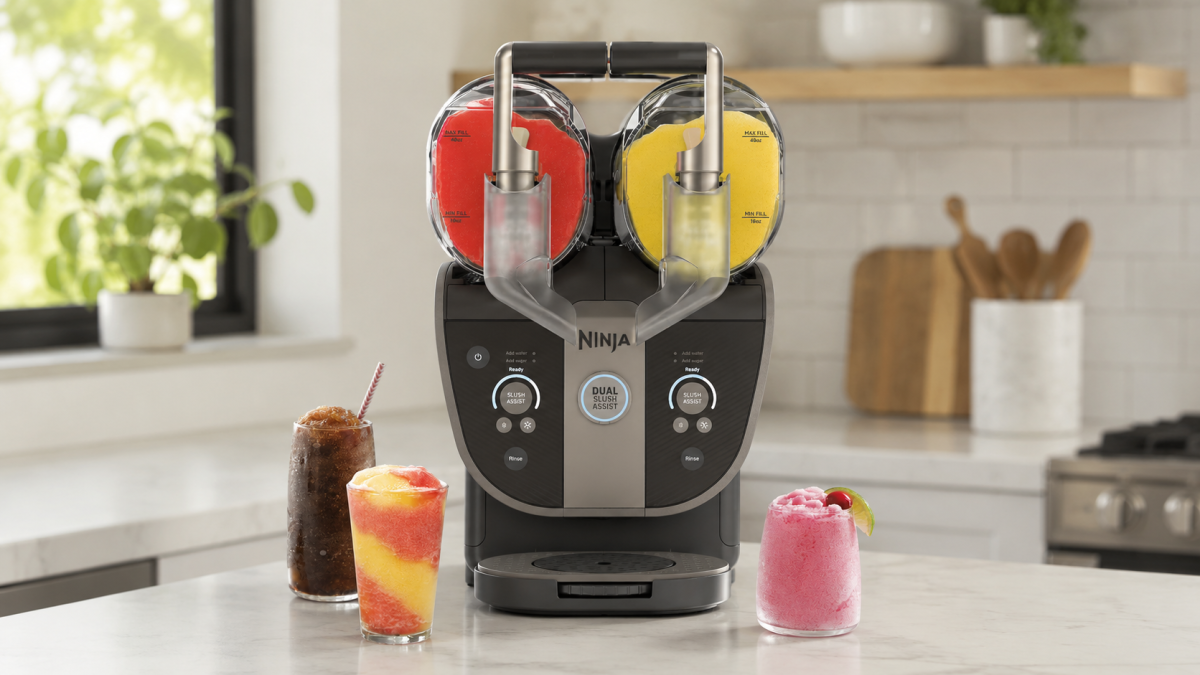
SharkNinja is a company that started in 1994 making simple cleaning appliances and has grown into a $6.4 billion global appliance business. It has two main brands: Shark, known for vacuums and cleaning products, and Ninja, known for kitchen appliances like blenders and pressure cookers. The company grows quickly by launching many new products each year and improving on what customers dislike in other brands.
Key Facts
SharkNinja began as Euro-Pro in 1994, focused on affordable, effective appliances.
The company moved to Massachusetts in 2003 and launched the Shark brand in 2007.
Ninja brand was introduced in 2009 with a focus on kitchen appliances.
SharkNinja develops products by analyzing competitor customer complaints to improve designs.
The Ninja Foodi combined pressure cooking and air frying in one device in 2018.
SharkNinja releases about 25 new products yearly, keeping up with fast social media trends.
Revenue grew from $500 million in 2010 to $6.4 billion in 2025, with rapid recent growth.
The company now sells in 35 countries across 36 product types, including coolers and skincare in 2024.
Read the Original
Want the full story? Tap a source to open the original
article.
President Donald Trump announced that his administration will invest $700 million to support coal power plants and build a new export terminal in California. This funding aims to boost energy infrastructure and increase coal exports.
Key Facts
President Trump announced a $700 million investment.
The money will support coal power plants.
A new export terminal in California is part of the plan.
The purpose is to improve energy infrastructure.
The investment helps increase coal exports from the U.S.
The announcement was made on a Thursday.
CBS News provided coverage with expert analysis.
Read the Original
Want the full story? Tap a source to open the original
article.
The United States created 736,000 new millionaires last year, reaching a total of 8.7 million millionaires. This rise was mainly due to strong stock market gains and increased investments by wealthy Americans.
Key Facts
The number of U.S. millionaires reached a record 8.7 million, the highest in 30 years.
Millionaire wealth counts investments but excludes homes, collectibles, and consumer goods.
The stock markets, including the S&P 500 and Nasdaq, rose about 18% and 21% last year, helping people get richer.
Wealthy Americans increased the share of stocks in their investments from 22% to 27%.
The growing number of millionaires highlights the gap between rich and low-income households.
Half of Americans do not have access to a retirement plan, making it harder for them to build wealth.
Most new millionaires are people in their 50s or 60s, often with retirement savings as their main wealth.
Homeownership is common among millionaires, with 95% owning homes compared to 66% of all Americans.
Read the Original
Want the full story? Tap a source to open the original
article.
A large settlement of $725 million related to Facebook privacy issues is making another round of payments to people involved. If you were part of the class action lawsuit, you might receive money soon.
Key Facts
The total settlement amount is $725 million.
The settlement is from a class action lawsuit about Facebook privacy.
Payments from the settlement are being sent out in multiple rounds.
People who were part of the lawsuit could receive bonus payments.
Recipients should check their bank accounts for incoming funds.
This is a landmark, or very significant, settlement in a privacy case.
The article informs how much individuals might get, though exact amounts might vary.
Read the Original
Want the full story? Tap a source to open the original
article.
The Dow Jones Industrial Average rose nearly 900 points as investors hoped for a peace deal between the U.S. and Iran. This optimism helped push the stock market higher, even though fighting and oil price concerns remain.
Key Facts
The Dow jumped 877 points, or 1.7%, reaching 51,564.
The S&P 500 and Nasdaq rose 0.5% and 0.2%, respectively.
Investors are betting the U.S. and Iran are close to ending their conflict.
Recent violence includes an Iran attack on Kuwait’s airport and U.S. strikes near the Strait of Hormuz.
Oil prices fell after rising earlier in the week, with Brent crude at $94.43 a barrel.
The Strait of Hormuz is important for oil tankers, and reopening it would impact global oil supply.
Iranian officials said no real progress has been made in peace talks yet.
Some investors reduced holdings in artificial intelligence stocks, expecting slower gains.
Read the Original
Want the full story? Tap a source to open the original
article.
Kevin O’Leary announced he will reduce the size of his planned 40,000-acre AI data center campus in Utah. This decision comes after people, including politicians, raised concerns about the project’s large size and effect on the environment.
Key Facts
Kevin O’Leary is a businessman and investor known from the TV show “Shark Tank.”
He planned to build a 40,000-acre data center campus in Utah focused on artificial intelligence.
The project faced strong criticism from local communities and political leaders.
Concerns include the campus’s large size and potential environmental damage.
In response, O’Leary said he will reduce the scale of the development.
The announcement was made to NBC News on a Wednesday evening.
The data center campus is seen as a major business and technology investment.
Read the Original
Want the full story? Tap a source to open the original
article.
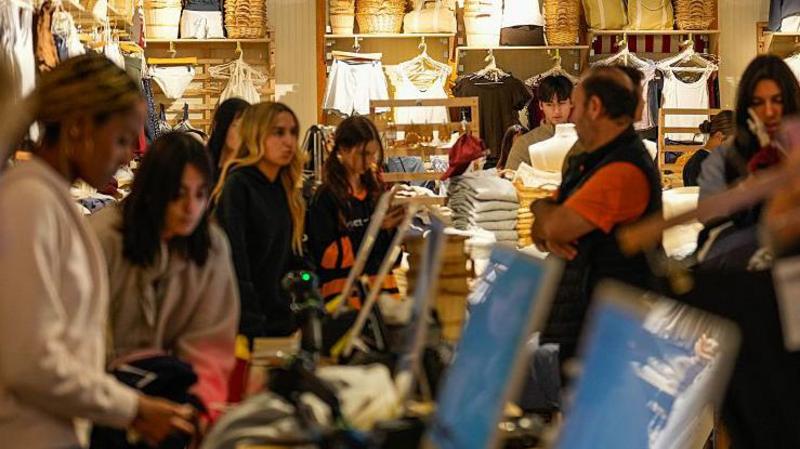
Brandy Melville, a teen-focused clothing store in the US, is closing all its fitting rooms. Employees say the change is due to damage caused by customers, and shoppers are upset because the store only sells one size per style and many want to try clothes on before buying.
Key Facts
Brandy Melville is shutting down all changing rooms in its US stores.
Employees in New York City, Boston, and Austin confirmed the fitting rooms will no longer be available.
The company has not made an official public statement about this decision.
The closure is reportedly related to vandalism, including customers sticking chewing gum to fitting room walls.
The brand is known for selling clothing in only one size, mostly targeting teenage girls.
Shoppers have expressed frustration on social media because they cannot try on clothes before buying.
Brandy Melville has faced past criticism for promoting narrow body standards and alleged unhealthy body image ideals.
A 2024 HBO documentary accused the brand of encouraging eating disorders and sexualizing young female employees.
Read the Original
Want the full story? Tap a source to open the original
article.