Australia’s 178 billionaires have grown $25.7 billion richer in the past year, reaching a total wealth of over $686 billion. Meanwhile, more than 3.7 million Australians, including 757,000 children, live in poverty, with many households struggling to afford food.
Key Facts
The total wealth of Australian billionaires grew by $25.67 billion in one year.
Australia has a record 178 billionaires, 17 more than last year.
Over 3.7 million Australians live in poverty, including 757,000 children under 15.
One in three Australian households faced food insecurity last year.
New billionaires gained wealth from artificial intelligence (AI), datacentres, property, mining, and fashion.
The richest 20 Australians hold more wealth than the poorest 3 million households combined.
Oxfam Australia says billionaire wealth could cover costs like lifting nearly one million people out of poverty or paying all household electricity bills for over a year.
Suggested tax reforms include changes to capital gains tax and negative gearing to reduce wealth inequality.
Read the Original
Want the full story? Tap a source to open the original
article.
Tech billionaires have spent hundreds of millions of dollars on California elections ahead of the June 2 primary. They are funding candidates and ballot measures to gain political influence and protect their businesses, especially as the tech industry focuses on developing new technologies like artificial intelligence.
Key Facts
Sergey Brin, co-founder of Google, has spent $66 million since January to oppose a billionaire tax on the November ballot.
Chris Larsen, a cryptocurrency businessman, has funded three Super PACs with $26 million to support various California campaigns.
Matt Mahan, a Democratic candidate for governor, has received the most donations from top tech executives.
Google and Meta together gave $10 million to a Super PAC backing local assembly and senate candidates.
Tech money influences city and state races, including local tax measures.
This spending helps the tech industry avoid strict regulations and expand quickly.
Experts say most of the spending is visible, but tech donors also use untraceable funds called "dark money."
Voters in many California areas have been receiving many campaign ads and messages funded by tech-backed groups.
Read the Original
Want the full story? Tap a source to open the original
article.
Wise, a UK-based international money transfer company, is cooperating with Belgian prosecutors who are investigating whether its accounts were used for money laundering. The company said it is responding to questions but no findings have been shared yet, and its shares dropped more than 10% after the news.
Key Facts
Wise is under investigation by Belgian prosecutors for possible money laundering.
The investigation looks into whether Wise accounts helped criminals move money from fraud, corruption, and drug trafficking.
Belgian authorities started investigating last year after many countries asked for help with criminal cases involving Wise accounts.
The transactions involved in the investigation total about €500 million (£433 million).
Wise has 19 million customers and processes 4.7 million transactions daily.
Wise said it verifies customers and monitors transactions to prevent financial crime.
About one-third of Wise’s global staff works on preventing financial crime.
Wise’s CEO, Kristo Käärmann, was fined £350,000 in 2024 for not informing regulators about tax issues.
Read the Original
Want the full story? Tap a source to open the original
article.
60 Minutes is a long-running investigative news program on CBS that has aired since 1968. It reached a large audience during its 58th season and has won many awards for its journalism work.
Key Facts
60 Minutes premiered in September 1968.
It has been the #1 news program in the U.S. for over 50 years.
The 58th season averaged 9.1 million viewers.
More than one in three Americans watched the show during that season.
It has won 25 Peabody awards and numerous Emmys.
The show is currently executive produced by Nick Bilton.
Correspondents include Lesley Stahl, Scott Pelley, Bill Whitaker, and Jon Wertheim.
The program airs Sundays at 7 p.m. ET/PT on CBS and streams online.
Read the Original
Want the full story? Tap a source to open the original
article.
Wise, a UK-based money transfer company, is being investigated by Belgian prosecutors over concerns that criminals used its accounts for money laundering. The investigation focuses on Wise’s European operations and is nearly complete, but no specific findings have been shared with the company yet.
Key Facts
Wise has 19 million customers worldwide and processes about 4.7 million transactions daily.
Belgian prosecutors said the investigation involves potential failures by Wise to properly identify customers and monitor their activities.
The inquiry centers on suspicious transactions worth around €500 million across 30 European countries.
Wise’s shares dropped 17.5% after news of the investigation became public.
The company said it is cooperating with authorities and receives regular requests for information as part of normal operations.
Wise has faced previous issues with anti-money laundering controls and was fined by US states and Abu Dhabi regulators in recent years.
Wise’s European business operates from Belgium, and the company recently moved its main stock listing to the US Nasdaq.
About one-third of Wise’s global staff work on preventing financial crime and protecting customers.
Read the Original
Want the full story? Tap a source to open the original
article.
Since Brexit, British actors face many new rules and costs that limit their chances to work in the European Union. These changes have caused a drop in UK performing arts income from the EU and made it harder for actors to get jobs on European TV, theatre, and commercials.
Key Facts
UK performers now need visas that allow work for only 90 days within any 180-day period in the EU.
Customs, tax, and other paperwork have become more complicated and expensive for British actors working in Europe.
British acting work exports to the EU fell from £1.15 billion in 2016 to £929 million in 2023.
Export income from UK creative industries to non-EU countries increased by 18% over the same period.
UK actors can be taxed on things like accommodation costs while working in the EU, lowering their take-home pay.
Social security money is deducted in the EU country worked in and can be reclaimed but this process is slow and costly.
The National Theatre stopped touring in mainland Europe in 2021 due to Brexit challenges.
TV commercials in Europe have become almost off-limits to UK actors because many companies avoid casting only UK passport holders.
Read the Original
Want the full story? Tap a source to open the original
article.
The Los Angeles Fashion District, the biggest clothing-making area in the U.S., is facing big problems with fewer visitors and lower sales. Local business owners hope that the upcoming 2028 Olympic Games in LA will bring more customers and help the neighborhood recover.
Key Facts
The LA Fashion District makes 83% of the clothes cut and sewn in the United States.
Sales and foot traffic have dropped significantly, with some store owners earning far less than before.
High rent costs remain a challenge; one store pays $8,250 per month.
Immigration enforcement raids in 2023 caused fear among workers, hurting business further.
The LA 2028 Olympics is expected to bring millions of visitors and boost the local economy.
The Olympics includes a “cultural Olympiad” to celebrate local culture, but the fashion district was not named an official cultural hub.
The 1984 LA Olympics left a lasting positive cultural and financial impact on the city.
The downtown convention center is being renovated for $2.62 billion for Olympic events like fencing and wrestling.
Read the Original
Want the full story? Tap a source to open the original
article.
Oil and gas prices have risen after the United States and Iran exchanged attacks, reducing hopes for a peace deal. Brent crude oil reached $94.29 a barrel, and UK gas prices increased by nearly 6%. Meanwhile, UK house prices fell in May.
Key Facts
The US military struck Iranian radar and drone control sites in Goruk and Qeshm Island as a self-defense action.
Iran's Islamic Revolutionary Guard Corps targeted a US air base in southern Iran without naming it.
Brent crude oil prices increased by 3.5% to $94.29 per barrel after hitting a six-week low.
British wholesale gas prices rose by almost 6% since the Iran conflict started.
President Donald Trump said Iran wants to make a deal, but markets remain skeptical.
Bank of England is monitoring public-sector pay hikes as a possible inflation risk.
UK house prices dropped in May, adding to economic concerns.
UK Competition and Markets Authority found some fuel retailers increased profit margins amid the Middle East conflict.
Read the Original
Want the full story? Tap a source to open the original
article.
The UK government is proposing a national blacklist to stop abusive air passengers from flying with any airline. Airlines would share information about disruptive passengers to prevent trouble on flights and improve safety.
Key Facts
The proposal aims to create a national list banning disruptive passengers from all airlines.
Airlines would share details of troublemakers, preventing them from booking other flights.
The government and airlines plan to manage the blacklist together.
Current laws do not allow passenger data sharing due to privacy rules like GDPR.
The proposal would not need changes in law but must address data protection issues.
Disruptive behavior on flights has increased, especially in busy travel times.
Some passengers have faced criminal charges or lifetime airline bans for bad behavior.
Airlines UK supports the plan and wants to help develop it to stop flight disruptions.
Read the Original
Want the full story? Tap a source to open the original
article.
Royal Mail is under investigation for failing to deliver almost a quarter of first-class mail on time, missing the official target. The postal regulator Ofcom is checking if Royal Mail prioritizes parcels over letters, as the company continues to struggle with delivery speeds despite a large investment to improve service.
Key Facts
Royal Mail missed its delivery target, with 24.3% of first-class mail arriving late in the year ending March.
The required target is to deliver 93% of first-class mail within one working day, excluding Christmas.
Second-class mail was delivered on time 90.2% of the time, below the 98.5% target.
Ofcom has fined Royal Mail £37 million since 2023 for poor delivery performance.
Ofcom is investigating if Royal Mail prioritizes parcel delivery over letters, which the company denies.
Royal Mail has not met first-class delivery targets since 2017 and second-class targets since 2020.
Royal Mail’s parent company was bought by Czech billionaire Daniel Křetínský for £3.6 billion.
Royal Mail has raised stamp prices recently due to rising delivery costs and is investing £500 million to improve service over five years.
The volume of letters sent has dropped from 20 billion a decade ago to 6.7 billion now, while the number of delivery addresses has increased.
Read the Original
Want the full story? Tap a source to open the original
article.
The horror movie "Backrooms," made by an independent film company, earned $82 million from ticket sales in the U.S. during its first weekend. This achievement is notable for an independent horror film at the box office.
Key Facts
"Backrooms" is a horror movie created by an independent film company.
It earned $82 million in domestic ticket sales during its opening weekend.
The film’s box office performance is considered very strong for an independent horror movie.
The earnings were recorded in the United States market.
The movie was released recently, with the report dated June 1, 2026.
Box office success usually measures ticket sales and audience attendance.
Read the Original
Want the full story? Tap a source to open the original
article.
Disneyland is expected to raise ticket prices again by October 2026, continuing a pattern of yearly price increases. These hikes may make visiting Disney parks more expensive, especially during busy times like holidays and weekends.
Key Facts
Disney has increased ticket prices every October from 2022 to 2025 and is likely to do so again in 2026.
Recent price rises ranged from $3 to $18 depending on ticket type and demand.
The most expensive (Tier 6) Disneyland tickets have gone up to $224.
A single day at Disney can cost a family of five over $1,000 during busy periods when including tickets, food, and hotels.
Disney uses demand-based pricing, charging more on weekends, holidays, and special events.
Add-ons like Park Hopper (visiting multiple parks in one day) and Lightning Lane (skip-the-line passes) also increase the total cost.
Walt Disney World’s pricing hints at similar trends, with peak tickets reaching $219 or more.
No official announcement has been made yet by Disney about the 2026 price increase.
Read the Original
Want the full story? Tap a source to open the original
article.
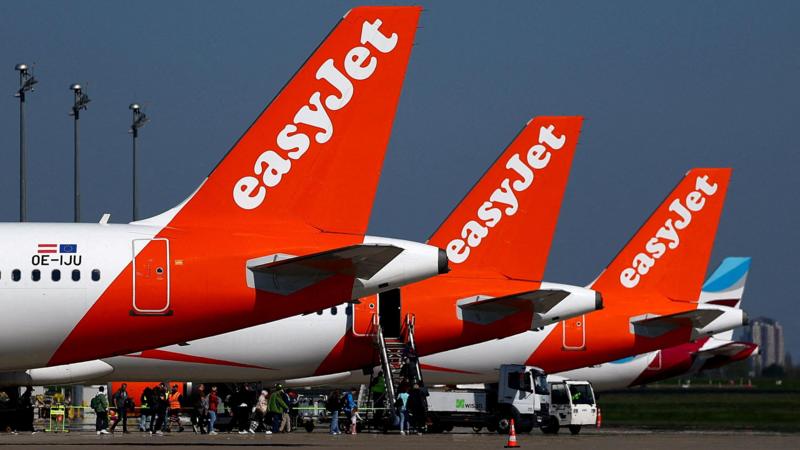
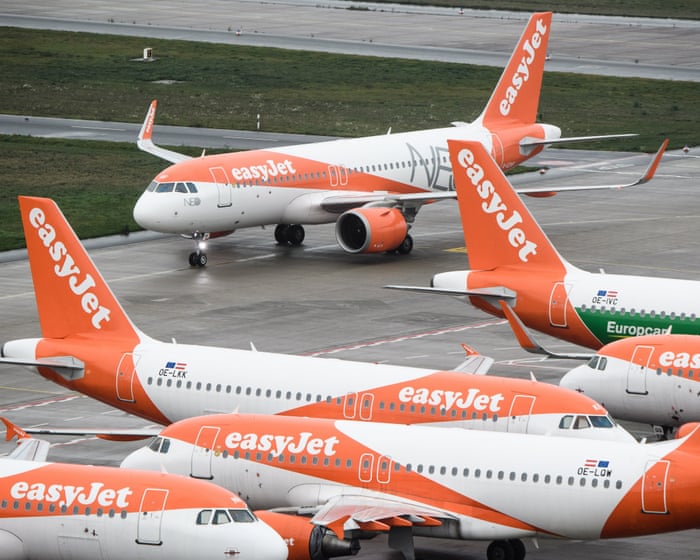
EasyJet said that a possible takeover offer from a US investment fund called Castlelake is "highly opportunistic" because it comes when EasyJet’s share price is low due to worries about the war in the Middle East. Castlelake owns a small part of EasyJet and has until June 26 to make a formal offer or stop trying.
Key Facts
EasyJet’s share price dropped 31% over the past year, partly due to concerns about the war in the Middle East.
Castlelake, a US investment fund, owns about 2.14% of EasyJet’s shares.
Castlelake values EasyJet at a minimum of £3.06 billion ($3.89 billion).
EasyJet has not yet received any official takeover proposal from Castlelake.
EasyJet says it has a strong financial position and aims to make over £1 billion in pre-tax profits in the medium term.
The company reported a half-year pre-tax loss of £552 million ($700 million), larger than the loss a year earlier.
Castlelake must decide to make a firm offer or walk away by June 26 under UK takeover rules.
Castlelake has experience in airline investments, including talks with Spirit Airlines and involvement with Scandinavian Airlines.
Read the Original
Want the full story? Tap a source to open the original
article.
Kane Parsons, at 20 years old, became the youngest director to have a film open at number one at the North American box office with his debut movie Backrooms. The film earned $81 million in its first weekend, setting a new record for its studio, A24.
Key Facts
Kane Parsons is 20 years old.
He directed the film Backrooms, which opened at number one in North America.
Backrooms made $81 million in its first weekend.
Parsons is seven years younger than the previous record holder, Josh Trank.
The film is based on Parsons’ YouTube series and a fictional horror story called “creepypasta.”
Some online users doubted Parsons directed the film, but actor Mark Duplass confirmed Parsons was fully in charge.
Another low-budget horror, Obsession, made $17.1 million in its opening weekend and $104.7 million after four weeks.
Backrooms’ success is notable for a debut film by a very young director.
Read the Original
Want the full story? Tap a source to open the original
article.
EasyJet said a possible £3 billion takeover bid by the US investment firm Castlelake is “highly opportunistic” because the airline’s share price is low due to current problems in the Middle East. Castlelake owns just over 2% of easyJet and may make a formal offer, but easyJet’s board is confident in their current plan and notes challenges with a takeover.
Key Facts
Castlelake, a US private credit firm, bought a 2.14% stake in easyJet and may offer at least 403p per share, valuing the airline at about £3 billion.
EasyJet’s share price rose to 444.7p after news of Castlelake’s interest, the highest since early March, valuing the company at about £3.4 billion.
EasyJet says the timing of the bid takes advantage of a share price lowered by events in the Middle East affecting customer confidence and fuel costs.
EasyJet will consider any formal offer but notes there are big regulatory, financial, and practical challenges with a takeover.
EU rules require European airlines to be mostly owned by investors within Europe, potentially complicating a US-led takeover.
Castlelake already invests in other airlines like Scandinavian SAS and Virgin Atlantic.
EasyJet is one of Europe’s largest budget airlines, based in Luton and founded by Stelios Haji-Ioannou, who owns about 15% of the company.
London’s stock market has seen many big companies bought by foreign investors in recent years, reflecting lower UK stock prices compared to other markets.
Read the Original
Want the full story? Tap a source to open the original
article.
The number of layoffs in the United States appears to be slowing down as June 2026 begins, after a surge in job cuts in 2025. Companies are cutting jobs due to automation, AI, and changes in consumer demand, shifting focus to essential services like healthcare and infrastructure.
Key Facts
Layoffs in June 2026 are fewer compared to 2025 but some companies have announced job cuts including Apple, Wells Fargo, and Ryder.
Industries hit hardest by layoffs are government, technology, retail, warehousing/logistics, and professional services.
Healthcare remains strong with continued hiring despite other sectors cutting jobs.
AI and automation contribute to layoffs mainly in technology, but financial strain on consumers also affects retail and transportation.
There were 1.2 million job cuts announced in 2025, a 58% increase from 2024.
Several layoffs are related to government workforce reductions, especially from a now-closed department called the Department of Government Efficiency (DOGE).
Experts say the labor market is stabilizing but is still under pressure from tariffs, transportation costs, and weak consumer spending.
Read the Original
Want the full story? Tap a source to open the original
article.
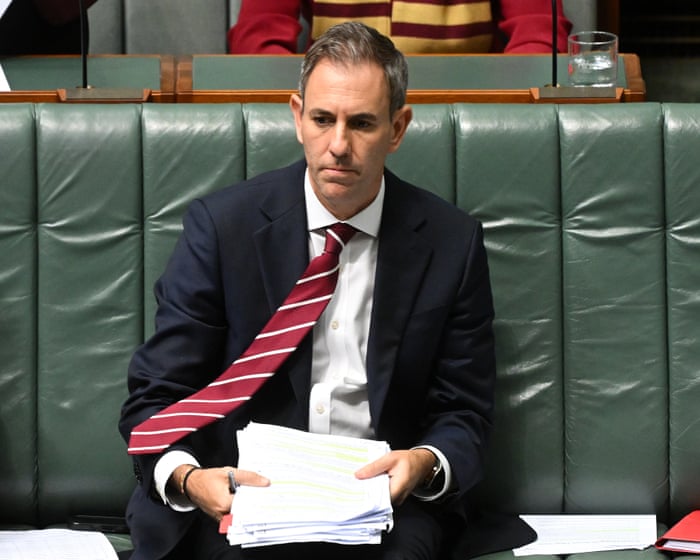
Australia’s home auction clearance rates have recently fallen, meaning fewer homes are selling at auction. Treasurer Jim Chalmers said this may help first-time buyers because they face less competition from property investors. The government’s new property tax changes, along with interest rate rises and economic conditions, are affecting the housing market.
Key Facts
Home prices in Australia’s capital cities have started to fall.
Auction clearance rates dropped to about 54.5%, the lowest since 2020 lockdowns.
Treasurer Jim Chalmers said fewer auctions clearing may help first-time buyers.
The Albanese government plans to change property taxes by replacing the 50% capital gains tax discount with an indexation model.
Negative gearing (a way investors reduce taxable income on rental losses) will be limited to new homes only.
Ray White, a major real estate company, reported a higher clearance rate of 57.6% on their auctions.
Opposition members had mixed reactions, some seeing falling prices as a chance for buyers and others warning of risks like negative equity (owing more on a home than it’s worth).
Falling house prices are linked to lower buyer confidence and broader economic factors.
Read the Original
Want the full story? Tap a source to open the original
article.
House prices in the UK fell by 0.6% in May, the first drop this year, due to rising interest rates linked to the war in Iran. Although prices are still higher than last year, growth has slowed, and experts predict a possible price decline this year because borrowing costs have increased.
Key Facts
UK house prices dropped 0.6% in May compared to April, ending a period of price rises.
The average UK home price in May was £278,024, which is 1.7% higher than in May 2023.
Rising mortgage rates have made borrowing more expensive; the average two-year fixed mortgage rate was 5.68% at the end of May.
The war in Iran has caused uncertainty, leading to higher energy prices and interest rates worldwide.
Estate agents and economists expect house prices to fall about 2% this year because of higher mortgage costs.
Despite increased rates, some experts say the impact on how much people can afford is still limited.
The Bank of England is keeping interest rates steady for now due to economic uncertainty linked to the Iran conflict and weak growth.
Mortgage payments take up a large portion of household income, making the housing market vulnerable even if rates do not rise further.
Read the Original
Want the full story? Tap a source to open the original
article.
French President Emmanuel Macron is hosting the annual "Choose France" investment summit, where foreign investors have already promised billions of dollars for projects in artificial intelligence (AI) and data centers. Major companies like SoftBank and Brookfield are making large investments, and France aims to become a global leader in AI and related technologies.
Key Facts
The "Choose France" summit is held annually by President Macron to attract foreign investments.
At the 2025 summit, a record €20 billion ($23.3 billion) in projects were announced.
SoftBank plans to invest €75 billion in AI infrastructure in France.
Brookfield will invest $10 billion in a data center in northern France.
Ardian and Verne will invest $5 billion in a data center near Paris.
Foxconn will invest €120 million in AI-related motherboard production in Angers, France.
Since 2018, France has announced over 230 investment projects totaling around €87 billion, creating thousands of jobs.
France has been the top destination for foreign investment in Europe for seven years, especially in AI.
Macron has committed €1.55 billion in public funds to develop quantum technologies and semiconductors in France.
Read the Original
Want the full story? Tap a source to open the original
article.
The UK Financial Conduct Authority (FCA) is working with the US tech company Palantir to help detect financial crime by using its AI systems on sensitive data. Some UK politicians and campaigners worry this deal might let the US government, under President Trump’s administration, access confidential UK financial information through US laws like the Cloud Act.
Key Facts
Palantir, a US tech company co-founded by billionaire Peter Thiel, uses AI to analyze data for the FCA’s financial crime investigations.
The FCA’s partnership with Palantir is currently in a 12-week trial phase.
US laws such as the Cloud Act may require US companies like Palantir to share data with US government authorities.
UK MP Martin Wrigley expressed concerns about Palantir’s US connections and potential data access by the Trump administration.
The FCA says it remains the controller of the data and that Palantir only processes data, not controls it.
Data rights groups warn that US laws like the Patriot Act and surveillance laws could expose UK data held by Palantir.
Other UK government departments and agencies, including the NHS and the Ministry of Defence, also use Palantir software.
London’s mayor blocked a separate Palantir contract with the Metropolitan Police over concerns about company values and public money use.
Read the Original
Want the full story? Tap a source to open the original
article.