The U.S. Postal Service has brought back a stamp featuring Fred Rogers from Mister Rogers' Neighborhood after it won a public vote. More than 500,000 people voted, and the stamp beat other favorites like DC superheroes and Bugs Bunny. The new stamp and a souvenir sheet will be available at the Boston 2026 Expo and later in post offices and online.
Key Facts
The Mister Rogers stamp was first issued in 2018 and sold out quickly despite a large initial print of 12 million stamps.
The stamp won the Stamp Encore contest with over 500,000 votes, beating other popular options.
The vote was held to celebrate the U.S. Postal Service’s 250th anniversary and the country’s upcoming 250th anniversary.
The new stamp and a four-image souvenir sheet were unveiled at the Boston 2026 World Exposition.
The stamps will be sold exclusively at the Boston 2026 Expo until May 30, then available nationwide and online starting June 1.
Fred Rogers was known for his gentle and respectful communication style on his TV show, which made him beloved by many.
Rogers valued letters from children and saw mail as an important way to connect, making the stamp especially meaningful.
Fred McFeely Rogers was born in 1928 and helped start an educational TV station in Pittsburgh before creating his famous children’s program.
Read the Original
Want the full story? Tap a source to open the original
article.
Most rural shops in the UK have faced crime in the past year, including theft and shoplifting. These crimes have caused big financial losses for shop owners, and many have also experienced threats or attacks on their staff.
Key Facts
Nine out of ten rural retailers in the UK experienced crime in the last 12 months.
On average, each affected rural shop lost about £83,000 due to crime.
Almost 25% of rural retailers faced crime more than six times in the year.
Inner-city shops had the highest crime rate, with 94% reporting incidents, followed closely by urban and rural shops with around 91%.
One example is a farm shop in Kent that had a break-in at Easter, losing £5,000 and donations for charity.
A new UK law now makes assaulting retail workers a specific crime and removes a low-level theft threshold, increasing penalties.
Nearly half of rural retailers reported verbal abuse of their staff, and a quarter reported physical assaults.
Many retailers believe crime has increased across the UK in the past year.
Read the Original
Want the full story? Tap a source to open the original
article.
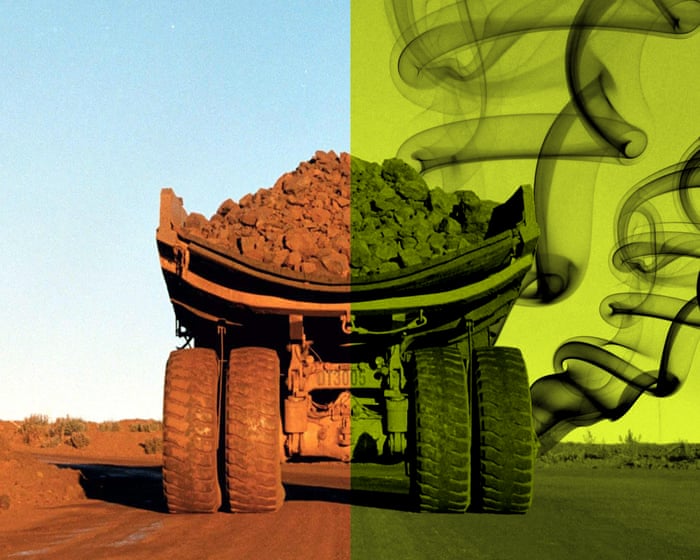
BHP, the world’s largest mining company, has delayed or canceled several projects aimed at reducing greenhouse gas emissions. Internal documents show BHP paused key climate initiatives, including renewable energy projects and plans to replace diesel trucks with electric ones, pushing investments into the 2030s.
Key Facts
BHP stopped or delayed major projects meant to cut emissions in its Western Australian iron ore operations.
A 50-megawatt solar farm and 20MW battery project at the Jimblebar mine was shelved after board approval and funding.
A large renewable energy system of nearly 500MW has been delayed with no funding planned before 2031.
BHP canceled an iron ore processing plant that could have cut 1.7 million tonnes of emissions yearly, equal to removing 350,000 cars from roads.
The company continues to buy diesel trucks instead of switching to electric, including a $500 million purchase for new diesel trucks.
BHP says it has cut emissions by 36% since 2020 but acknowledges some net-zero technologies are not yet ready.
Experts warn BHP’s delay in decarbonizing could undermine Australia’s national climate goals for 2030.
Internal warnings noted the risk to BHP’s reputation if climate actions were delayed, yet the slowdown proceeded.
Read the Original
Want the full story? Tap a source to open the original
article.
BHP, Australia’s largest miner, has bought many new diesel trucks for its Pilbara mines even though these trucks produce pollution and go against its climate goals. The company delayed switching to electric trucks because it said the technology is not ready, and it plans to keep using diesel trucks at new and existing mines until at least 2040.
Key Facts
BHP is the biggest user of diesel fuel in Australia’s mining sector.
Trucks are the largest source of BHP’s diesel emissions.
BHP planned to test electric trucks in Western Australia in 2024 and start using them widely by 2027-2028.
Instead, BHP bought 62 new diesel trucks worth over $500 million for the Jimblebar mine.
BHP stated electric truck technology is not yet ready for full use.
Plans for the new Ministers North mine include using diesel trucks expected to operate until 2041.
BHP’s original plan was to refurbish old diesel trucks to last until electric trucks could replace them by the 2030s.
The company’s climate strategy aims to replace all diesel trucks by 2040, but recent purchases may delay this goal.
Read the Original
Want the full story? Tap a source to open the original
article.
BHP stopped plans to build a plant near its Jimblebar mine that would have improved iron ore quality and greatly cut emissions. This project, along with other climate-related initiatives, was canceled or delayed despite being seen as beneficial for reducing pollution and aligning with BHP’s climate goals.
Key Facts
BHP planned to build a beneficiation plant near Jimblebar mine to improve iron ore quality and lower emissions.
The plant would have reduced emissions by 1.7 million tonnes annually, equal to removing over 350,000 cars from the road.
Higher quality iron ore helps steelmakers cut their emissions more cheaply.
BHP stopped the project in June 2025, citing economic concerns and competition for investment.
The company also paused a 50MW solar and battery project and delayed a nearly 500MW renewable energy system.
BHP continues acquiring diesel trucks despite promises to switch to electric vehicles in Pilbara.
Documents revealed BHP’s delays raise questions about Australia’s safeguard mechanism, a policy requiring large polluters to reduce emissions intensity.
The Australian government updated the safeguard mechanism in 2023, demanding yearly emission intensity reductions of up to 4.9%.
Read the Original
Want the full story? Tap a source to open the original
article.
Investors in Metro Bank are being advised to vote against the bank’s pay report because of concerns over a complex bonus plan that rewards executives based on the bank’s share price, regardless of overall performance. The CEO’s pay has increased significantly, prompting criticism from a major shareholder adviser ahead of the bank’s annual meeting in June.
Key Facts
Institutional Shareholder Services (ISS), a major proxy adviser, recommended rejecting Metro Bank’s pay report.
ISS criticizes a bonus plan called the “shareholder value alignment plan” (SVAP) that links executive bonuses directly to the bank’s share price.
CEO Dan Frumkin’s pay could reach £60 million under this bonus scheme.
Frumkin’s fixed salary will rise 11.3% to £1.05 million in 2026, following a roughly 20% increase in 2024.
His total pay doubled to £2.6 million in 2025, the highest since the bank was founded in 2010.
ISS also noted inadequate disclosure about how bonuses tied to non-financial targets like “people objectives” and risk management are measured.
Despite these pay concerns, Metro Bank reported record revenue and its highest pre-tax profits in history last year.
Metro Bank is undergoing a turnaround focused on corporate lending after a near collapse in 2023, backed by a £925 million rescue deal involving investor Jaime Gilinski Bacal, who owns 53% of the bank.
Read the Original
Want the full story? Tap a source to open the original
article.
Many Americans are spending money on small, affordable treats even though they feel worried about the overall economy. These smaller purchases, like movie tickets and food delivery, help keep consumer spending steady during a time some call a "vibecession," where people feel okay personally but pessimistic about the bigger economic picture.
Key Facts
Americans are buying small, affordable items such as movie tickets and collectible watches to enjoy themselves while being cautious with money.
The "vibecession" describes a situation where consumers feel stable personally but are pessimistic about the economy.
Inflation, slower income growth, and rising credit card debt are causing people to limit bigger expenses and instead choose smaller splurges.
Movie theaters offer relatively low-cost tickets with some premium options selling at higher prices, like $50 for special events.
Food delivery services like DoorDash saw a 27% increase in orders during the first quarter.
Beauty product sales rose 6.7% in the first quarter, showing consumers still buy personal care items during economic worries.
High-income households increased spending on clothing, while lower-income groups reduced it.
Rising oil prices connected to the Iran conflict could lead to higher travel costs, potentially impacting summer travel plans.
Read the Original
Want the full story? Tap a source to open the original
article.
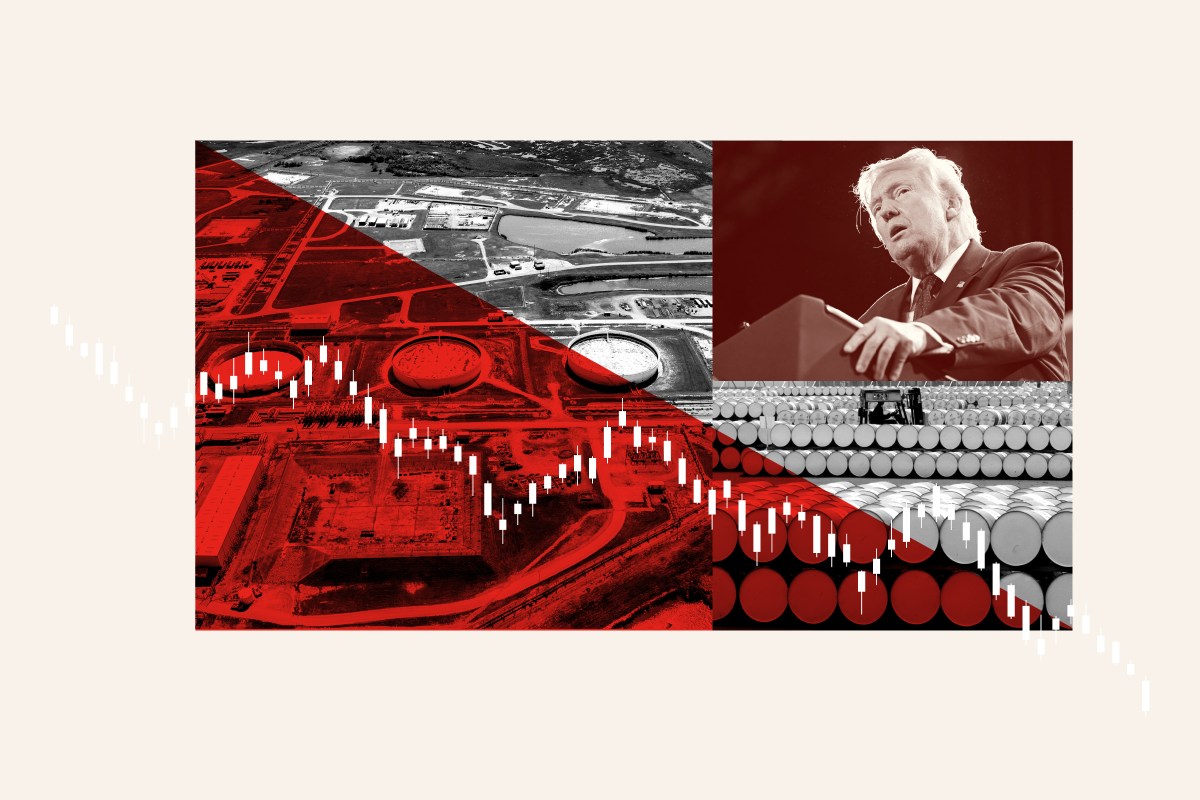
Oil prices dropped on Monday after President Donald Trump said a peace deal with Iran was mostly agreed upon. Although prices fell, the cost of Brent crude oil remains much higher than before the conflict started on February 28.
Key Facts
President Donald Trump announced that a deal with Iran has been "largely negotiated."
Oil futures fell following this announcement.
Brent crude oil prices are still much higher than they were before the war began on February 28.
Some commercial ships are able to pass through the Strait of Hormuz, an important shipping route.
The article briefly mentions Ferrari planning to release its first fully electric supercar.
The Middle East conflict and energy crisis remain major concerns in global markets.
The news source is France 24, and the article was published on May 25, 2026.
Read the Original
Want the full story? Tap a source to open the original
article.
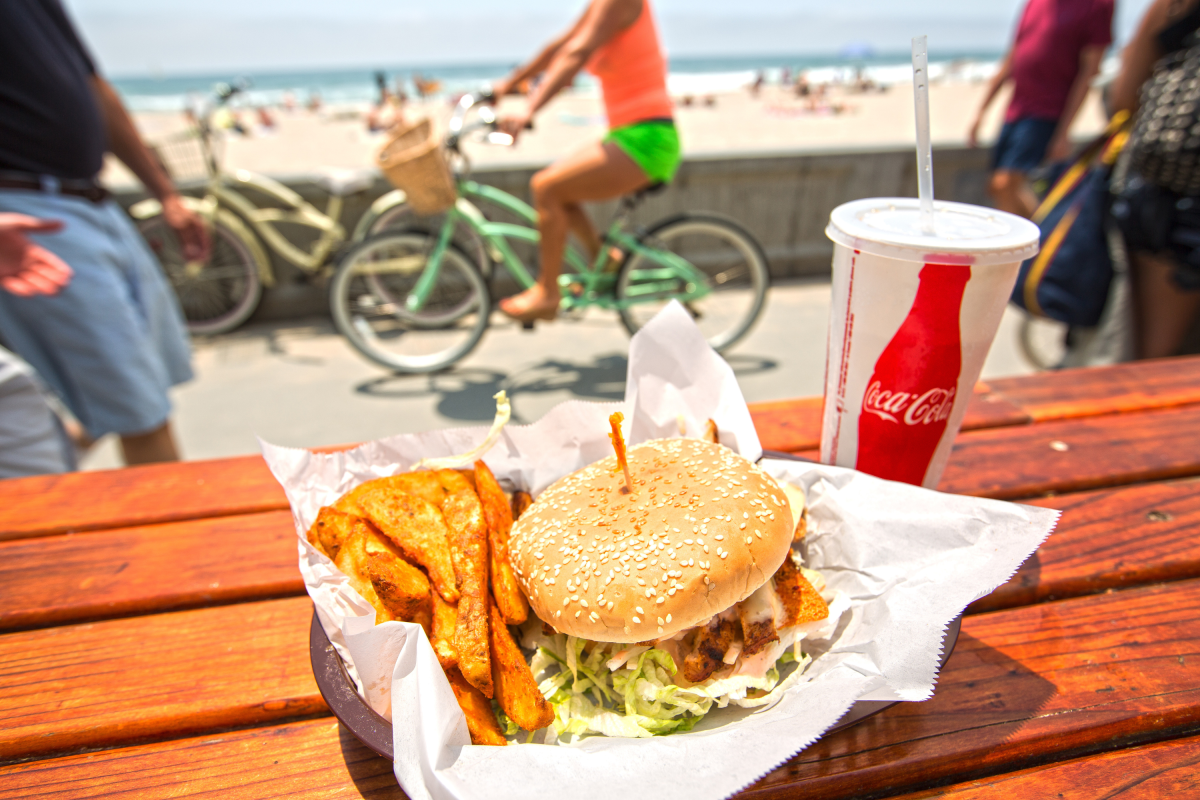
Wendy’s, once a popular fast-food chain known for its fresh, never frozen beef and iconic square burgers, is facing tough challenges with declining sales and shrinking presence in the U.S. The company recently hired Robert D. “Bob” Wright as its new CEO to lead a turnaround effort amid discussions of a possible buyout.
Key Facts
Wendy’s was founded in 1969 by Dave Thomas in Columbus, Ohio.
The chain is famous for its fresh, never frozen beef and square burger patties.
Wendy’s has lost more than half its stock value in the past five years.
The company’s U.S. footprint is shrinking as it faces strong competition.
McDonald’s and fast-casual chains like Shake Shack and Five Guys have overtaken Wendy’s market position.
Wendy’s recent CEO change appointed Bob Wright, who previously helped turn around Potbelly.
Fresh beef increases costs and complicates Wendy’s supply chain compared to frozen beef used by competitors.
Wendy’s menu prices are higher than typical fast food but lower than premium fast-casual brands, creating a difficult market position.
Read the Original
Want the full story? Tap a source to open the original
article.
U.S. oil supplies are falling quickly due to increased exports and using emergency reserves to cope with the effects of the war in Iran on oil markets. This drop in oil stocks lowers the safety backup meant to protect against sudden oil shortages and could cause higher fuel prices for Americans.
Key Facts
U.S. crude oil inventories dropped by 17.8 million barrels for the week ending May 15.
Total oil stocks, including emergency reserves, are at their lowest level in nearly a year.
The war in Iran led to the closure of the Hormuz Strait, a key oil shipping route, causing global oil prices to rise sharply.
Gas prices in the U.S. have increased by about 50%, averaging over $4.50 per gallon.
The U.S. Strategic Petroleum Reserve is being used to help stabilize oil supply.
U.S. crude oil stocks are about 2% below the five-year average for this time of year.
Experts warn that continued inventory drops will reduce the U.S.'s ability to respond to further supply problems and may push fuel prices higher in summer.
Some analysts say that when inventories fall to a critical minimum, prices will need to rise further to reduce demand.
Read the Original
Want the full story? Tap a source to open the original
article.
Most fast food and casual dining restaurants will be open on Memorial Day, May 25, but their hours might be shorter or different depending on the location. This is because many restaurants are run by independent owners who decide their own holiday hours.
Key Facts
Memorial Day is on Monday, May 25.
Most major fast food chains like McDonald’s, Taco Bell, Burger King, and Chick-fil-A will be open.
Hours may be reduced or vary by location because many restaurants are franchises.
Starbucks, Domino’s, Pizza Hut, Wendy’s, and Applebee’s are also expected to be open.
Some restaurants in malls, airports, or office buildings might close if the facility is closed.
Delivery and takeout options like Domino’s and Papa John’s will be available.
Some chains, like Chick-fil-A, are open on Memorial Day but closed on other holidays like Thanksgiving or Christmas.
It’s best to check individual restaurant apps or websites for exact hours before visiting.
Read the Original
Want the full story? Tap a source to open the original
article.
SpaceX, the aerospace company founded by Elon Musk, plans to sell its shares to the public on the Nasdaq stock exchange, an event called an initial public offering (IPO). This sale could raise up to $80 billion and value the company between $1.75 trillion and $2 trillion. The IPO is highly anticipated because it may be the largest ever and could make Musk the first trillionaire.
Key Facts
SpaceX designs and launches rockets and spacecraft, and partners with NASA to supply the International Space Station.
The company also offers internet and artificial intelligence services through its Starlink and xAI divisions.
An IPO allows private companies to sell shares to the public for the first time.
SpaceX will trade under the symbol “SPCX” on the Nasdaq stock exchange.
The IPO is expected to happen around June, though no official date is confirmed.
The deal is backed by 23 major financial institutions, including Goldman Sachs and Morgan Stanley.
If successful, this IPO could be the largest in history, surpassing even the Saudi Aramco IPO in 2019.
The event is important for the growing private space industry and may influence future investment trends worldwide.
Read the Original
Want the full story? Tap a source to open the original
article.
A research report by the Joseph Rowntree Foundation says the best way to reduce the welfare bill is to focus on creating more jobs, not cutting benefits. The study shows that if 80% of working-age people had jobs, the government could save £10 billion on universal credit costs.
Key Facts
Getting 80% of working-age people into jobs could reduce universal credit costs by £10 billion.
Spending on non-pensioner benefits is expected to stay about 5% of GDP through the current parliament.
Polling shows 59% of voters want the government to reduce welfare costs by tackling root causes like job creation, housing, and health.
Only 20% of voters support cutting benefits quickly by limiting eligibility.
Claims for health-related universal credit are higher in areas with fewer local jobs, often in former industrial or coastal regions.
Nearly 1 million young people aged 16 to 24 are not in education, employment, or training (called Neets).
The government is investing in jobs programs, apprenticeships, and training for young people and disabled individuals.
The Department for Work and Pensions emphasizes helping people into work while allowing those on sickness or disability benefits to try working without losing benefits immediately.
Read the Original
Want the full story? Tap a source to open the original
article.
Singapore’s economy grew by 6 percent in the first quarter of 2026, beating earlier predictions. The growth was mainly due to strong demand for AI-related products, despite worries about the impact of the US-Iran conflict on global trade.
Key Facts
Singapore’s GDP increased 6 percent compared to the first quarter of the previous year.
This growth exceeded the government’s initial estimate of 4.6 percent.
Growth was led by strong sales in wholesale trade, manufacturing, finance, and insurance sectors.
High demand for AI chips boosted manufacturing and equipment supply businesses.
The government expects overall growth of 2 to 4 percent for 2026, but notes risks from rising energy prices and shipping disruptions at the Strait of Hormuz.
The conflict between the US and Iran has led to blockades that affect global shipping and economic activity.
Singapore produces about 10 percent of the world’s semiconductors and 20 percent of semiconductor equipment.
Economists see the Q1 growth as positive but remain cautious due to Singapore’s reliance on global trade conditions.
Read the Original
Want the full story? Tap a source to open the original
article.
Energy bills in Great Britain are expected to rise by nearly 13% this summer, pushing the average cost to about £1,900. Government officials and experts say the increase is due to higher gas prices caused by tensions in the Middle East and warn that many households will face ongoing high energy costs.
Key Facts
The typical gas and electricity bill is forecast to increase by £209 per year from this summer.
The increase is linked to the rise in global gas prices after the conflict involving Iran.
The government’s energy price cap will stay higher than pre-crisis levels into early winter.
The Treasury announced reduced VAT on attraction tickets and children’s meals to help with living costs but no direct support for energy bills yet.
Experts say targeted help might be needed for vulnerable households if the price cap doesn't decrease in autumn.
Ofgem, the energy regulator, may adjust the average energy usage assumptions, affecting how the price cap is calculated.
The government stated it is focusing on affordable energy and moving towards clean, homegrown power to avoid future crises.
Uncertainty remains over how much prices will rise this winter, depending on international events like a possible peace deal between the US and Iran.
Read the Original
Want the full story? Tap a source to open the original
article.
The new Star Wars movie, The Mandalorian and Grogu, earned $102 million in North America during its opening weekend, the lowest for a Star Wars film since Disney bought the franchise. Although it made $165 million worldwide, this is less than the opening of other recent Star Wars films, showing weaker box office results for the series on the big screen.
Key Facts
The Mandalorian and Grogu made $102 million in North America over a four-day Memorial Day weekend.
The global box office total for the opening weekend was $165 million.
This is the lowest opening weekend for a Star Wars movie since Disney acquired the franchise in 2012.
The 2018 Star Wars spin-off Solo made $103 million domestically and $171 million globally in its opening weekend, both higher than The Mandalorian and Grogu.
Solo’s total global earnings were $392.9 million, but it was seen as a flop due to its $275 million budget.
The Mandalorian and Grogu had a lower budget of $165 million, which may help its financial success despite the lower earnings.
Disney paused making new Star Wars films after 2019’s The Rise of Skywalker, aiming to avoid over-saturating the market.
Disney expects The Mandalorian and Grogu to perform well over time and boost sales of merchandise, theme park visits, and Disney+ subscriptions.
Read the Original
Want the full story? Tap a source to open the original
article.
This news segment looks at three topics: lessons learned from the Wall Street crash of 1929, new research on mouse DNA related to fighting Lyme disease, and a piano learning technique called the "Payam Method." Each topic is briefly explored to provide insights into history, science, and music education.
Key Facts
The Wall Street crash of 1929 was a major financial collapse that led to a large economic downturn.
Experts analyze what caused the 1929 crash and what can be learned from it.
Scientists study mouse DNA to help find ways to combat Lyme disease, an illness spread by ticks.
Lyme disease is a health problem that affects many people, especially where ticks are common.
The "Payam Method" is a new way to learn piano that focuses on a specific teaching approach.
The report includes insights into how this piano method can help learners improve.
The news is part of a CBS News program covering different topics in one episode.
Read the Original
Want the full story? Tap a source to open the original
article.
Oil prices dropped after President Donald Trump gave mixed messages about a possible peace deal between the US and Iran. The deal could reopen a key shipping route, the Strait of Hormuz, which Iran has blocked, affecting global oil supplies.
Key Facts
Brent crude oil price fell about 5 percent on Sunday.
As of early Monday, Brent futures for July were $98.47 per barrel, down 9 percent from a month ago but still higher than before the conflict.
President Trump said talks with Iran were moving well but told officials not to rush the deal.
The potential deal includes reopening the Strait of Hormuz, a vital route for about 20% of the world’s oil trade.
Iran has blocked this strait since February, which has stopped 10-11 million barrels of oil per day from moving.
The US has imposed a blockade on Iranian ports since April, adding to shipping disruptions.
Experts say it could take 3 to 6 months after a deal to return oil production and refineries to normal.
Japan’s Nikkei 225 stock index rose more than 3 percent, reaching record highs amid the news.
Read the Original
Want the full story? Tap a source to open the original
article.
More than one million people in the UK have second jobs due to rising living costs, insecure work, and changes in industries. Many workers combine multiple jobs or gig work (short-term contracts or freelance) to make ends meet and manage financial insecurity.
Key Facts
About 1.3 million people in the UK currently hold second jobs, slightly down from a record high in 2025.
Rising costs and job insecurity push workers into multiple jobs or gig economy roles such as food delivery, freelance design, and online selling.
UK unemployment recently rose to 5%, while job vacancies are at a five-year low.
Billy-Jo Pierce works 50-60 hours weekly across different jobs to cover living costs in Bristol, one of the UK's most expensive cities.
Pierce had a first-class degree but struggled to find work in her field and now runs a cosmetic teeth decoration business while working other jobs.
The cost of materials in the beauty industry has increased by over 90% in the last decade.
Freelance graphic designer Engy Elboreini says AI and design tools like Canva have reduced demand for her traditional design work.
Many workers feel that relying on a single employer is no longer secure and are diversifying their income sources.
Read the Original
Want the full story? Tap a source to open the original
article.
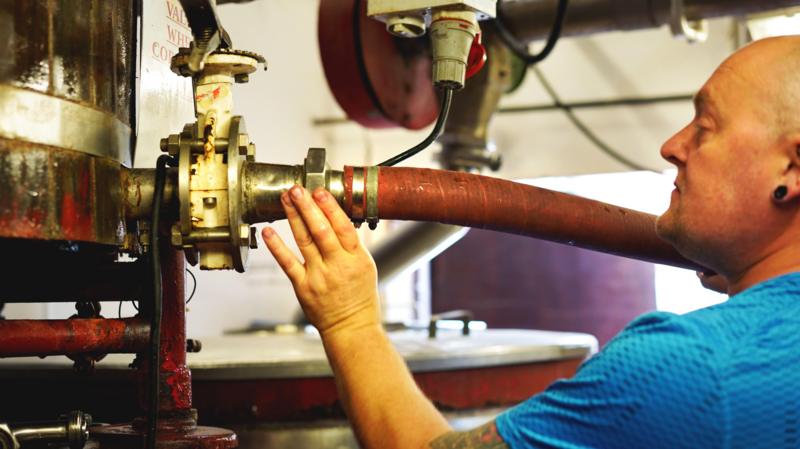
The number of beer breweries in the UK is shrinking, with many closing in recent years. Smaller breweries face challenges like big companies controlling pubs and supermarkets, making it hard to sell their products. Despite these struggles, some traditional and craft beers are still popular, and breweries are finding new ways to stay open.
Key Facts
In the UK, 320 beer businesses closed last year, while only 170 opened, causing a net loss of 150 breweries.
As of April 2026, there are 2,320 beer brewing companies in the UK, down from a peak of 2,594 in 2022.
Big brewery companies control draught beer lines in pubs, limiting market access for smaller breweries.
Smaller breweries are also blocked from supermarket sales due to price competition.
Beer consumption in the UK has dropped to about half of what it was in the early 1990s.
Some breweries, like Oxfordshire’s Hook Norton, have diversified by offering visitor centers and taprooms to attract customers.
Demand for independent and craft beers remains relatively strong despite the overall decline in the beer market.
The Society of Independent Brewers is calling for lower taxes on draught beer in pubs to help breweries survive.
Read the Original
Want the full story? Tap a source to open the original
article.