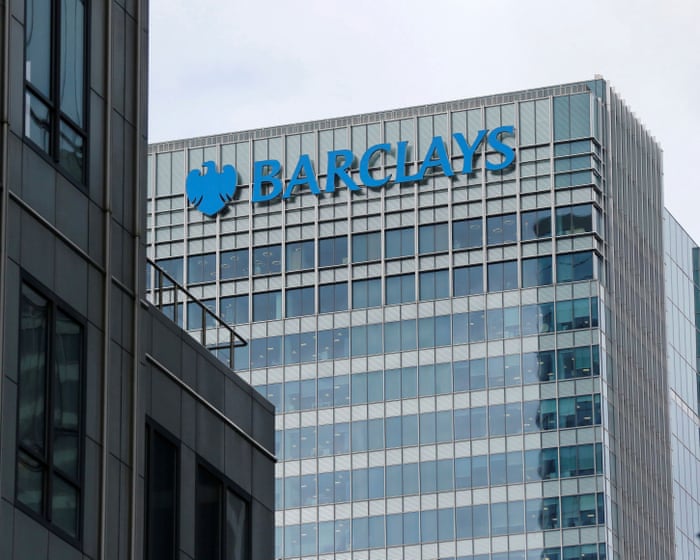
The Bank of England is investigating Barclays' handling of loans connected to private credit firms, after concerns about how the bank recorded financial contracts called derivatives. These contracts may have been placed in the wrong category, making the loans look less risky and possibly meaning Barclays held too little capital to cover potential losses.
Key Facts
The Bank of England’s Prudential Regulation Authority started reviewing Barclays earlier this year.
The review followed concerns raised by a Barclays insider about how derivatives tied to private credit loans were logged.
Derivatives are financial contracts that track the value of assets and were reportedly placed in the wrong risk category.
Incorrect classification could mean Barclays did not keep enough money aside for possible losses, potentially increasing profits improperly.
Barclays has billions of dollars in exposure to private credit loans through these derivatives.
Barclays declined to comment on regulatory interactions; the Bank of England also did not comment.
Barclays’ shares fell 3.5% on the news, the second-largest fall on the FTSE 100 index.
Private credit firms lend money from investors to companies, operate with less regulation, and have caused concerns about lending standards and risks to traditional banks.
Barclays and other banks lost money when private credit-backed companies like Tricolor and Market Financial Solutions collapsed amid fraud allegations.
Read the Original
Want the full story? Tap a source to open the original
article.
Workers at a HelloFresh facility in Newark, New Jersey, have filed a class action lawsuit claiming they faced verbal and physical abuse, were denied regular bathroom breaks, and experienced discrimination mainly because they were Hispanic. HelloFresh denies all these allegations, and a court will review the case in October 2025.
Key Facts
Workers say they were verbally and physically abused and denied regular bathroom breaks.
The lawsuit claims that Hispanic workers were given the hardest tasks and faced racist remarks.
Temp workers had their ID badges taken, which restricted their ability to leave the facility.
Supervisors allegedly threatened to call immigration authorities on workers.
Hispanic workers were not allowed to speak Spanish, while others were not similarly punished.
Bathroom use was heavily limited for Hispanic workers, causing health problems like incontinence.
HelloFresh, along with staffing agencies, deny all claims and have filed motions to dismiss the lawsuit.
A judge will hear the amended complaint on October 23, 2025.
Read the Original
Want the full story? Tap a source to open the original
article.
Gen Z shoppers want brands to be honest and trustworthy before they spend money. They use digital tools like social media, price comparisons, and reviews to check if a brand’s promises are real. Brand loyalty for Gen Z depends on how well a brand matches their values and identity.
Key Facts
Gen Z includes people born from 1997 to 2012 and many are now in their 20s.
This generation grew up with smartphones and social media, making them good at spotting marketing tricks.
The cost of living is a major concern for Gen Z, so saving money is important to them.
Gen Z often compares prices, checks promo codes, reads reviews, and looks for deals before buying.
Unlike older generations, Gen Z uses platforms like TikTok, YouTube, and Reddit for product research.
About 76% of Gen Z discovers products through social media, compared to 36% of Baby Boomers.
Gen Z cares about brand identity and how their purchases represent them to others on social media.
They may stay loyal to brands that align with their personal beliefs but quickly turn away if values conflict.
Read the Original
Want the full story? Tap a source to open the original
article.
The documentary "You Can See Everything" about Elizabeth Holmes, the Theranos founder convicted of fraud, made $15 million in its first weekend at the box office in the US and Canada. The film was shown on 855 screens and received strong reviews, making it one of the most successful documentary openings in recent history.
Key Facts
The documentary runs for three hours and shows Holmes during the month before she started an 11-year prison sentence.
It was co-directed by comedian Nathan Fielder and Lance Oppenheim.
The film earned $15 million in its opening weekend from 855 screens.
This is the second-best opening weekend ever for a documentary after Michael Moore’s 2004 film "Fahrenheit 9/11."
The documentary’s success is notable because it had fewer than 1,000 screens but still earned more than most documentaries.
Elizabeth Holmes was convicted of tricking investors in her medical testing company, Theranos.
The film blends documentary style with social experiment and prank elements.
Critics have given the film high praise and it is being considered for awards like the Oscars.
Read the Original
Want the full story? Tap a source to open the original
article.
French retailers suffered heavy losses after widespread looting during weekend protests. The business community met with the government to address the crisis, while tourism and financial markets showed signs of worry about the situation.
Key Facts
Riots over the weekend led to significant looting affecting French stores.
French business leaders held a crisis meeting with government officials to find solutions.
The tourism industry fears fewer winter holiday bookings due to the unrest.
Investors sold off French government bonds and the euro currency in reaction to the events.
The protests are linked to the Yellow Vest movement, which plans more demonstrations.
French President Macron condemned the violence and said it cannot be justified.
Media coverage shows mixed reactions, describing the situation as chaotic and polarizing.
The disturbances have raised concerns about France’s economic stability in the near term.
Read the Original
Want the full story? Tap a source to open the original
article.
AI companies Anthropic and OpenAI plan to create some of the largest charitable organizations in the world using shares from their companies. These new philanthropic efforts will focus on flexible giving and measurable impact, rather than traditional large donations.
Key Facts
Anthropic plans to launch a public benefit fund with 5% of its shares, potentially worth $100 billion if the company reaches a $2 trillion valuation.
The fund will be a flexible LLC that can donate to nonprofits or directly to people.
Anthropic's co-founders have pledged to give away 80% of their equity.
Around half of Anthropic’s employees participate in a program that matches their donations three to one.
OpenAI is controlled by a nonprofit foundation that owns 26% of the company, valued at about $130 billion.
Anthropic will continue its work on AI safety, biomedical research, and helping nonprofits.
The company has committed $200 million to study AI’s effects on jobs, with the fund possibly supporting new solutions.
Some Anthropic founders are linked to effective altruism, a movement focused on giving to causes that do the most good, but this has been criticized by the Trump administration.
Read the Original
Want the full story? Tap a source to open the original
article.
More than half of first-time homebuyers in the UK now pay higher monthly mortgage costs than their previous rent, according to a property agency report. Mortgage rates have risen due to market changes linked to international events, making homeownership more expensive upfront, even though long-term benefits remain.
Key Facts
56% of first-time buyers in the UK paid more for their mortgage than they did for rent last month.
On average, these buyers paid £39 more each month for their mortgage.
Rising mortgage rates, influenced by global events, have pushed five-year fixed mortgage rates to nearly 6%.
First-time buyers in their 40s saw the biggest increase, paying 18% more for a mortgage compared to their rent.
Rent prices are also increasing, with new rents rising 2.7% over the past year across Great Britain.
The average rent nationally is now £1,433 per month.
In London, the average monthly rent is £2,357, up 1.5% from last year.
Rent increases are highest in southern England, with a 3.7% rise to £1,419 per month on average.
Read the Original
Want the full story? Tap a source to open the original
article.
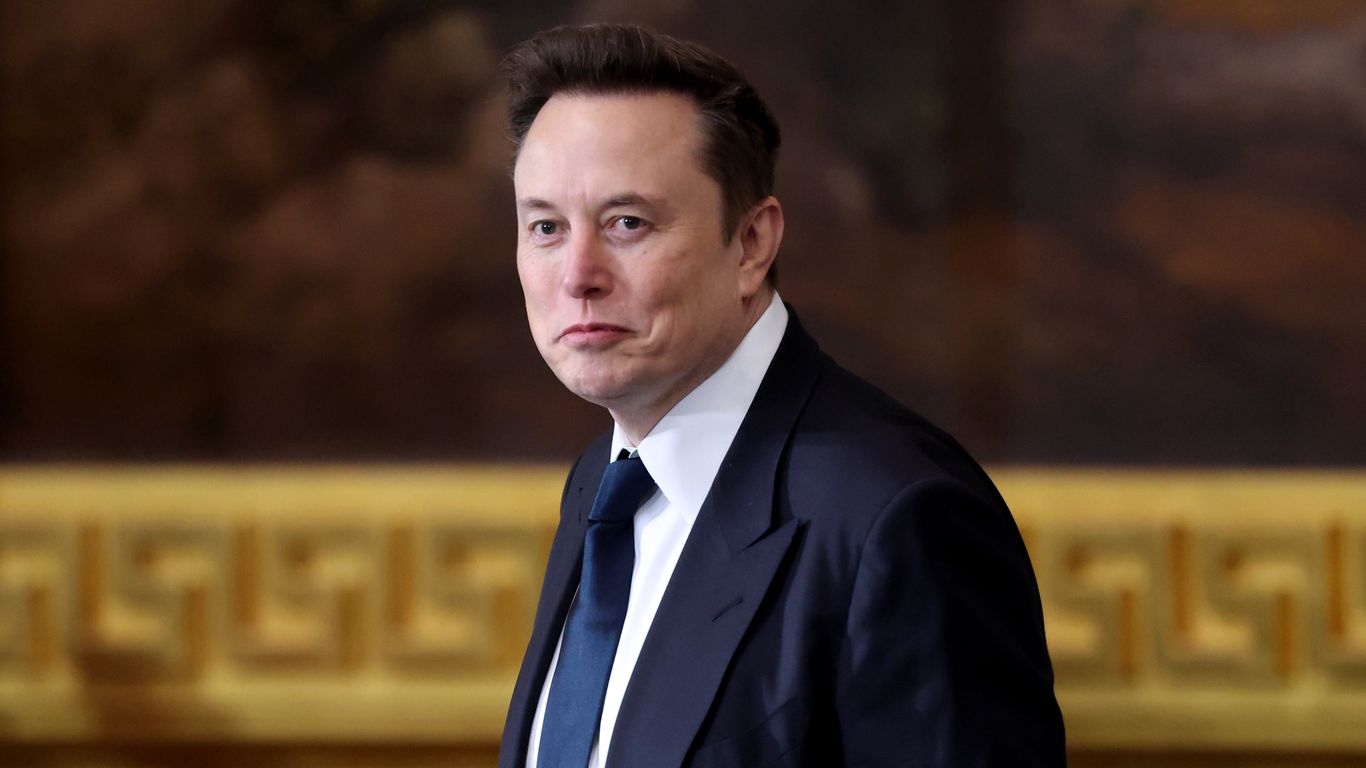
Elon Musk said he plans to give one SpaceX share to every child in America next year. This gift would be worth about $11 billion based on current prices, and Musk called it the first of many such giveaways.
Key Facts
Elon Musk announced he will give one SpaceX share to every "kid" in America in 2025.
The exact definition of "kid" (such as age limits) was not clarified.
There are about 72 million people under 18 in the U.S., according to the Census Bureau.
Each share is worth about $146 as of the last market close.
The total value of the giveaway would be roughly $10.5 billion to $11 billion.
Musk owns billions of shares in SpaceX, so this giveaway would not significantly reduce his holdings.
Musk posted the announcement on X (formerly Twitter) around 4 a.m. ET on a Monday.
This is the first planned giveaway of multiple ones that Musk mentioned but did not detail.
Read the Original
Want the full story? Tap a source to open the original
article.
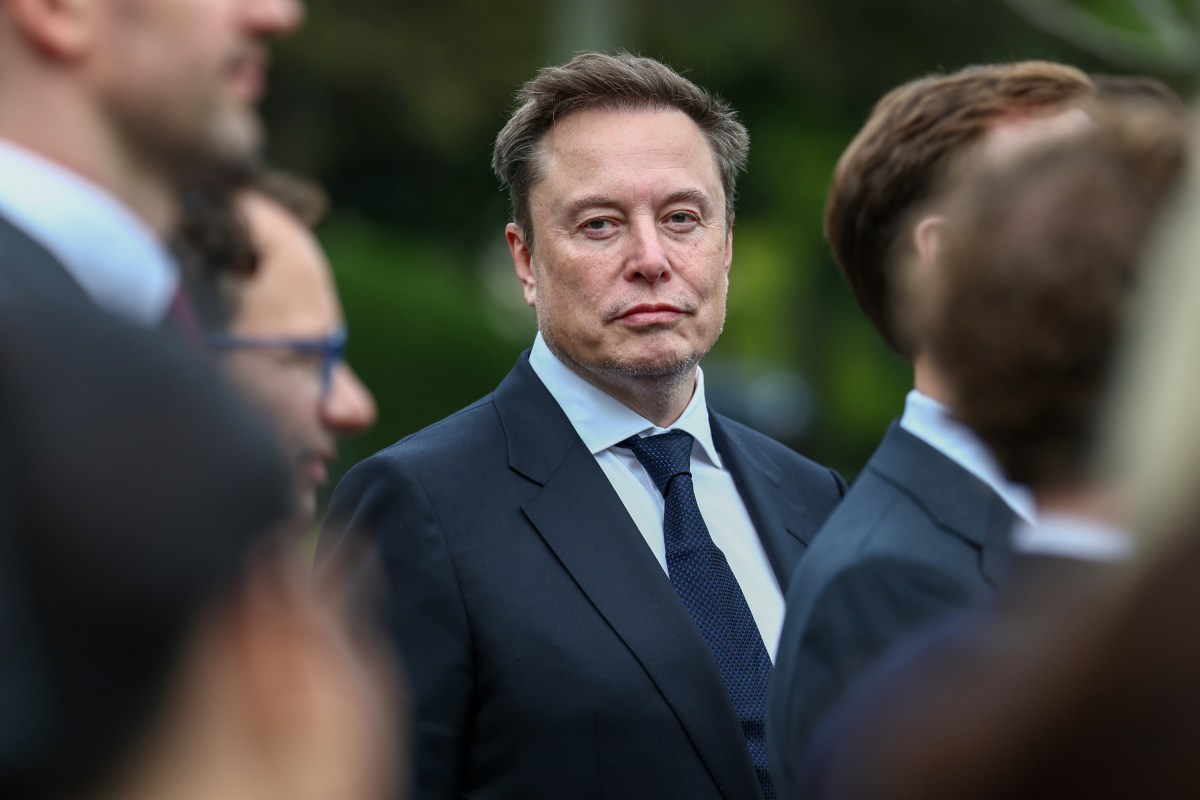
Elon Musk said he will give one share of his SpaceX company to every child in the United States next year. He did not explain how this gift will work or mention any other plans.
Key Facts
Elon Musk plans to give one SpaceX share to every American child next year.
He tweeted the announcement early on Monday.
Musk owns about 6.4 billion shares, nearly half of SpaceX.
Each share is currently worth about $146.
Musk has not shared details on how the plan will be carried out.
He hinted this is the first of many giveaways.
SpaceX shares are not publicly traded in the same way as regular stock, so the value is estimated.
This news is new and may be updated as more information becomes available.
Read the Original
Want the full story? Tap a source to open the original
article.
The article explains that a book’s sales numbers show how many copies were sold but do not reveal the actual impact on readers. It suggests that publishers should value both the financial success of books and the benefits readers get from them, such as learning, solving problems, or enjoying a story.
Key Facts
Book sales numbers indicate purchases but do not show readers' experiences.
In 2025, consumer book revenue in the U.S. was $21.7 billion, up 2.7% from the previous year.
Americans aged 15 and older spent about 16 minutes a day reading for personal interest in 2025.
Books serve different purposes like education, solving challenges, or entertainment.
A book with a small audience can still be valuable if it meets its readers’ needs.
Commercial success helps fund editing, production, and future books.
Authors benefit from feedback about what readers found useful or unclear.
Publishers should balance sales figures with the unique contributions and impact of each book.
Read the Original
Want the full story? Tap a source to open the original
article.
A very strong El Niño event expected this fall and winter could change electricity use and prices in the U.S. Warmer winters in the northern U.S. may reduce the need for heating, possibly lowering natural gas prices and electricity costs. However, Southern states might face wet conditions that could cause power outages, and regions that rely on hydropower may see less energy supply due to lower snowpack.
Key Facts
El Niño is a climate pattern caused by warm Pacific Ocean temperatures, happening every 2 to 7 years.
This year’s El Niño is predicted to be very strong, sometimes called "Godzilla" El Niño.
Northern U.S. regions like the Pacific Northwest and Upper Midwest may have warmer winters, reducing heating demand.
Less need for heating could lower natural gas prices because natural gas is used for heating and electricity.
Southern U.S. regions may have wetter winters, which could cause power outages and disrupt electricity supply.
The Pacific Northwest depends on hydropower, but El Niño may reduce snowpack, lowering hydropower availability in spring and summer.
Changes in electricity bills due to El Niño may be noticeable but are unlikely to fully offset rising costs of other goods.
Previous strong El Niño events provide some guidance but do not guarantee exact outcomes.
Read the Original
Want the full story? Tap a source to open the original
article.
France experienced a drop in its government bonds and stock markets after violent protests caused damage and many arrests. Investors are worried about the country's rising borrowing costs and political risks as France prepares its budget amid social unrest.
Key Facts
Violent protests in France led to burned buildings, looted shops, and nearly 2,400 arrests.
Police used teargas during clashes with protesters across multiple cities.
The French government bond yields increased, signaling higher borrowing costs for France.
The gap between French and German 10-year bond yields widened, showing increased risk for French debt.
Protests began as peaceful marches over school conditions and cost of living but turned violent in some places.
France's debt-to-GDP ratio was 115.6% in 2025, higher than the UK’s 94.3%.
The French government aims to cut pension spending and government funding (except defense) to reduce its deficit.
The French stock index (CAC 40) dropped by 1%, and the euro weakened slightly against the US dollar.
Read the Original
Want the full story? Tap a source to open the original
article.
The number of profit warnings from UK-listed companies has reached its highest level in two years due to rising costs caused by the war in the Middle East. Ahead of the UK budget announcement, businesses are asking the government for support to help with higher fuel and energy expenses, while housebuilders are facing particular difficulties.
Key Facts
UK-listed companies issued 65 profit warnings in the three months ending September, the highest in two years.
The war in the Middle East has increased fuel and energy costs, impacting many businesses.
Chancellor John Healey plans budget measures to help small businesses, including raising the threshold for business rates from £12,000 to £18,000.
Housebuilders have issued more profit warnings this year than during the 2008 financial crisis.
House prices in the UK have fallen slightly by 0.1% over the last 12 months.
Rising mortgage rates, now averaging 5.55% for two-year fixed loans, are increasing monthly payments and reducing home affordability.
About 17% of UK-listed companies have issued at least one profit warning in the past year.
The most common reasons for profit warnings are policy changes, geopolitical uncertainty, and rising costs from the conflict in the Middle East.
Read the Original
Want the full story? Tap a source to open the original
article.
Some private companies in the UK are making large profits by receiving government housing benefits for vulnerable residents but not providing the care and support these residents need. An investigation found that this practice, especially in Birmingham, is using taxpayer money without proper help for people living in supported housing.
Key Facts
Supported exempt accommodation (SEA) is meant to help vulnerable people with housing, care, and support.
Some companies use SEA to earn money but fail to give the required support to residents.
Birmingham has about 34,000 people living in SEA, more than London, even though London’s population is much bigger.
The Department for Work and Pensions (DWP) paid £410 million for SEA in Birmingham last year.
Residents like Alysha, a domestic abuse survivor, report poor conditions and lack of help, such as no heating and no job support.
Some companies attract residents using offers like free rooms, game consoles, and holidays on social media.
Officials describe the misuse of welfare money as wasteful and scandalous, but some providers do offer proper support.
There is evidence some companies claim housing benefits for people who do not actually live in their properties.
Read the Original
Want the full story? Tap a source to open the original
article.
The New South Wales Minns government plans to introduce a special law to let MACH Energy increase coal production at its Mount Pleasant mine by 32%, despite a recent high court ruling that stopped an expansion approval. The government says the law is needed to protect 400 jobs at the mine until 2032.
Key Facts
The bill would allow MACH Energy to raise coal output from 12.5 million tonnes to 16.5 million tonnes per year.
The high court ruled in October 2026 that the previous expansion approval was invalid.
The mine’s operating life was extended to 2032 under an earlier modification.
The government says passing the bill will save 400 jobs before Christmas.
MACH Energy has agreed to keep its current permanent workforce until 2032 if the bill passes.
Critics say the government is ignoring legal processes and increasing pollution by helping the coal company.
The high court ruled that the planning process should have considered emissions from burning the exported coal (scope 3 emissions).
The bill will include some restrictions on emissions similar to those for another large coal project in the Hunter Valley.
Read the Original
Want the full story? Tap a source to open the original
article.
Many hotels, restaurants, and popular spots are limiting or banning photoshoots without permission because large groups of people, including social media influencers, have been using these places mainly to take pictures instead of enjoying the space. These rules aim to protect privacy, reduce overcrowding, and ensure guests focus on their experience rather than just creating online content.
Key Facts
Hotel du Cap-Eden-Roc in France now requires permission for photoshoots after guests booked meals but mainly took multiple outfit photos.
The Hollies farm shop in Cheshire bans photography and filming from 10am to 4pm due to influencer activity.
Jeremy King, who runs restaurants in London, has expressed frustration about influencers overcrowding his venues.
Some US locations, like a shop in Nantucket and the town of Pomfret, Vermont, have banned influencer photos at specific spots.
In Japan, a screen was placed near a convenience store to stop people from taking photos of Mount Fuji there.
Hotels want to protect guest privacy and the unique atmosphere they offer, not become places just for photo studios.
Some hotels work with influencers for promotion but try to balance this with maintaining the quality of guests’ experiences.
The trend reflects a broader shift from simply documenting moments to being present and enjoying the space.
Read the Original
Want the full story? Tap a source to open the original
article.
China’s economy grew by 4.5% in the third quarter of 2026, slightly improving from earlier in the year. This growth was helped by a rise in exports linked to the artificial intelligence (AI) industry, even though domestic spending remained weak.
Key Facts
China’s economy grew 4.5% in July to September 2026, up from 4.3% in the previous quarter.
This growth rate is at the lower end of Beijing’s annual target of 4.5%-5%.
Exports increased due to global demand for AI-related technology, like computer chips and data center parts.
China’s trade surplus is expected to surpass last year’s record of $1.2 trillion.
Domestic problems include a property market slump with a 20% drop in investment and weak consumer spending.
The government introduced support measures, such as lower interest rates and subsidies for homebuyers, to boost the economy.
Western countries, including the US and the EU, have criticized China because its cheap exports hurt their manufacturers.
There is uncertainty about whether the large investments in AI infrastructure will lead to big profits.
Read the Original
Want the full story? Tap a source to open the original
article.
Helium, a gas often known for filling party balloons, is very important for making computer chips and medical machines. The supply of helium is having problems because of the ongoing war with Iran, which is causing worry for American industries that rely on it.
Key Facts
Helium is essential for manufacturing semiconductors (computer chips).
It is also critical for medical equipment.
The helium supply faces disruption due to the war with Iran.
This shortage affects American businesses that depend on helium.
Helium is commonly associated with party balloons but has many industrial uses.
The shortage is part of broader supply chain challenges.
American industry is actively seeking solutions to the helium shortage.
Read the Original
Want the full story? Tap a source to open the original
article.