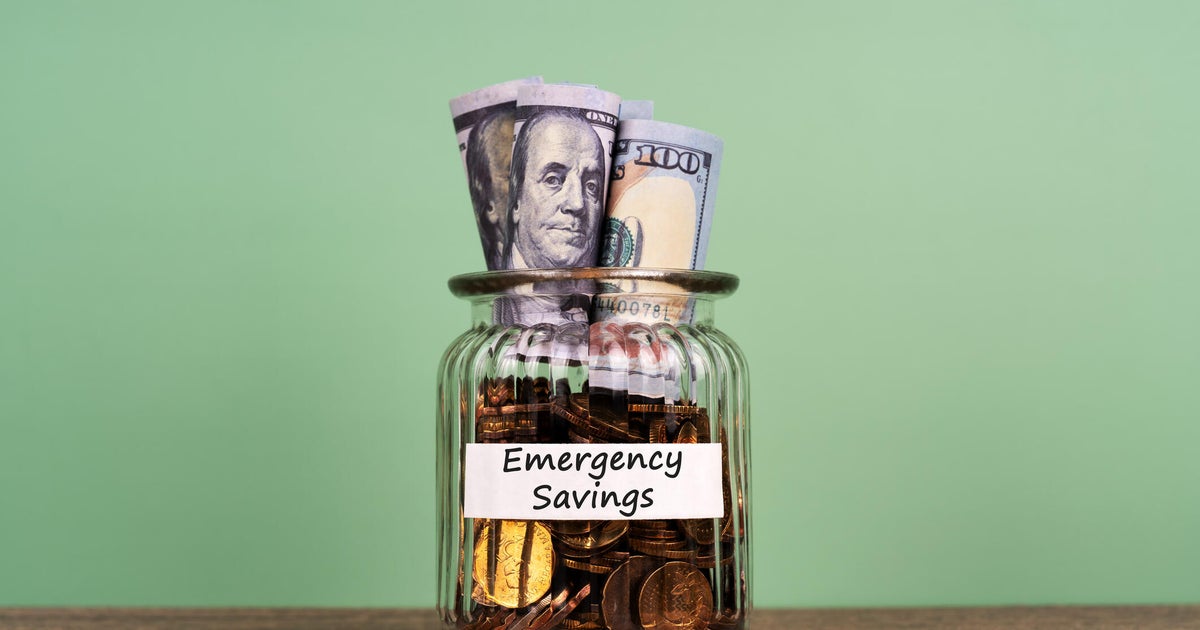
Many Americans face financial stress due to rising inflation and high credit card interest rates. It is important to balance paying off debt with keeping some emergency savings to avoid falling back into costly debt cycles.
Key Facts
Inflation is increasing the cost of essentials, making budgets tighter.
More people use credit cards to pay for everyday expenses.
Credit card interest rates are currently high, adding to debt burdens.
Experts suggest keeping a small emergency fund of $1,000 to $2,500 while paying off debt.
A full emergency fund usually covers 3 to 6 months of living expenses, but this may be too high when carrying debt.
People with unstable incomes or homeowners should save more within the starter emergency fund range.
Those with multiple high-rate credit card debts should focus on paying down debt while keeping a minimal emergency fund.
Large debt amounts may require seeking debt relief options instead of traditional repayment methods.
Read the Original
Want the full story? Tap a source to open the original
article.
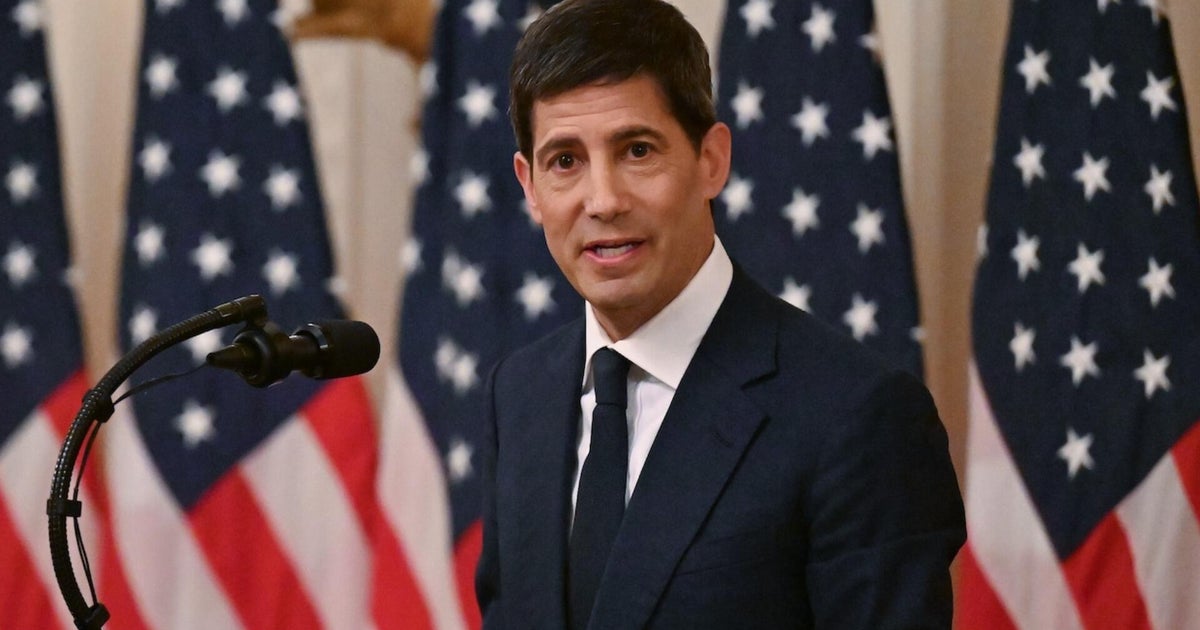
Kevin Warsh was sworn in as the new chair of the Federal Reserve, taking over from Jerome Powell. President Donald Trump said that Warsh will act independently while handling inflation and other economic issues in the United States.
Key Facts
Kevin Warsh became the new Federal Reserve chair on Friday.
He replaced the previous chair, Jerome Powell.
The Federal Reserve chair leads the U.S. central bank, which manages money and inflation.
President Donald Trump said Warsh will stay independent in his role.
Independence means Warsh will make decisions without political pressure.
Managing inflation is a key challenge for the Federal Reserve currently.
The swearing-in ceremony was covered by CBS News reporters Ed O’Keefe and Emily Pandise.
Read the Original
Want the full story? Tap a source to open the original
article.
Small businesses want Congress to make taxes lower, reduce rules, and cut healthcare costs. They believe these changes will help them compete with big companies and hire more workers.
Key Facts
Small businesses are asking Congress for tax relief.
They want fewer regulations that affect their operations.
They seek savings on healthcare expenses.
Their goal is to compete better with larger businesses.
They hope these changes will lead to more job creation.
Read the Original
Want the full story? Tap a source to open the original
article.
A $40,000 short-term certificate of deposit (CD) offers interest rates around 4%, providing a safe way to earn guaranteed returns without risking the original money. Short-term CDs (from 3 months to 1 year) can earn between about $384 and $1,640 in interest, which is much higher than what traditional savings accounts currently pay.
Key Facts
Short-term CDs have fixed interest rates around 4% right now.
A 3-month CD pays approximately $384 in interest on $40,000.
A 1-year CD can earn about $1,640 in interest on $40,000.
CDs protect the original deposit (principal) and are insured up to $250,000 by the FDIC.
Early withdrawal from a CD may cause penalties that reduce interest earned.
Traditional savings accounts have very low rates (~0.38%) and do not keep up with inflation.
Using online platforms can help find the best CD rates and terms.
Choosing a CD helps savers earn more interest safely in today’s higher interest rate environment.
Read the Original
Want the full story? Tap a source to open the original
article.
The marketing company Cox Media Group (CMG) claimed it could listen to consumers’ devices to target ads, but this was false. The Federal Trade Commission (FTC) has made CMG and two other firms pay nearly $930,000 to settle charges that they misled customers about this service.
Key Facts
CMG promoted a service called Active Listening that claimed to use voice data from devices like smartphones to target ads.
CMG removed the promotional webpage after the false claims were exposed.
The FTC says the service did not listen to conversations or use voice data at all.
Instead, the service sold email lists from other data companies at a high price.
CMG agreed to pay $880,000 in a settlement to affected customers.
Two other marketing firms, 1010 Digital Works LLC and MindSift LLC, will each pay $25,000 settlements.
The companies falsely claimed customers had agreed to be targeted through app terms of service.
The FTC stated that if the service had worked as claimed, it would have violated consumer privacy laws anyway.
Read the Original
Want the full story? Tap a source to open the original
article.
Demand for short-term rentals like Airbnb is rising sharply ahead of the 2026 FIFA World Cup, especially among families and groups seeking larger affordable homes. However, hotels are reporting weaker bookings than expected and warn that the expected tourism boost might not fully happen.
Key Facts
Airbnb and Booking.com data show a big increase in accommodation searches and bookings linked to World Cup match dates.
Families and groups make up more than half of the World Cup trips on Airbnb.
Most bookings are for larger rentals under $500 per night.
Booking interest spikes significantly in cities hosting matches like Mexico City, Toronto, Los Angeles, Kansas City, Dallas, NYC, and East Rutherford.
Despite search interest, 80% of hotels report bookings below expectations.
Domestic travelers outnumber international visitors due to visa limits, travel costs, and geopolitical issues.
FIFA canceled or released many large hotel room blocks, causing booking challenges.
High ticket prices and rising hotel costs may be limiting hotel stays during the event.
Read the Original
Want the full story? Tap a source to open the original
article.
Boxing champion Floyd Mayweather is suing a former business associate for $175 million. He claims this person ran a long-term fraud scheme against him.
Key Facts
Floyd Mayweather is a well-known boxing star.
He filed a lawsuit against a former associate.
The lawsuit asks for $175 million in damages.
Mayweather alleges he was a victim of fraud.
The fraud scheme is said to have lasted for several years.
The case is part of a civil legal dispute.
No other details about the associate or the fraud have been provided.
Read the Original
Want the full story? Tap a source to open the original
article.
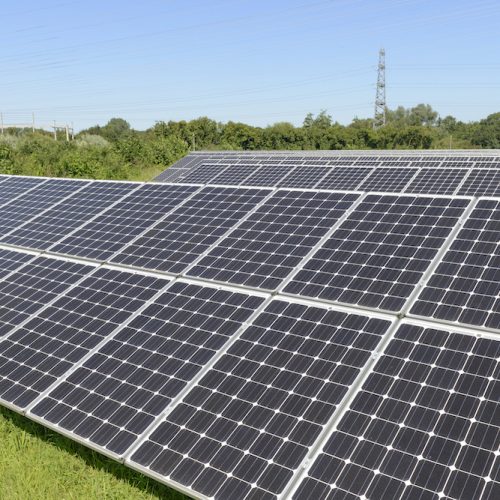
In early 2026, U.S. electricity demand grew slightly, while solar and hydro power production increased significantly. This growth in renewable energy led to a notable drop in coal use, although natural gas use rose a bit.
Key Facts
U.S. electricity demand grew by 1.5% in the first quarter of 2026 compared to the same time in 2025.
Solar power production increased by 24% year-over-year, offsetting most of the rising demand.
Overall renewable energy (wind, solar, hydro) grew by 11%, which is faster than the demand growth.
Coal use dropped by over 10%, while natural gas use increased slightly in the same period.
Hydroelectric production rose 22%, likely due to warm western weather causing earlier snowmelt, not new dams.
Fossil fuels still provide about half of U.S. electricity, with renewables supplying more than a quarter.
When adding nuclear power, clean energy sources make up nearly half the U.S. electricity supply.
The ongoing growth of renewables is pushing coal out of the U.S. power grid.
Read the Original
Want the full story? Tap a source to open the original
article.
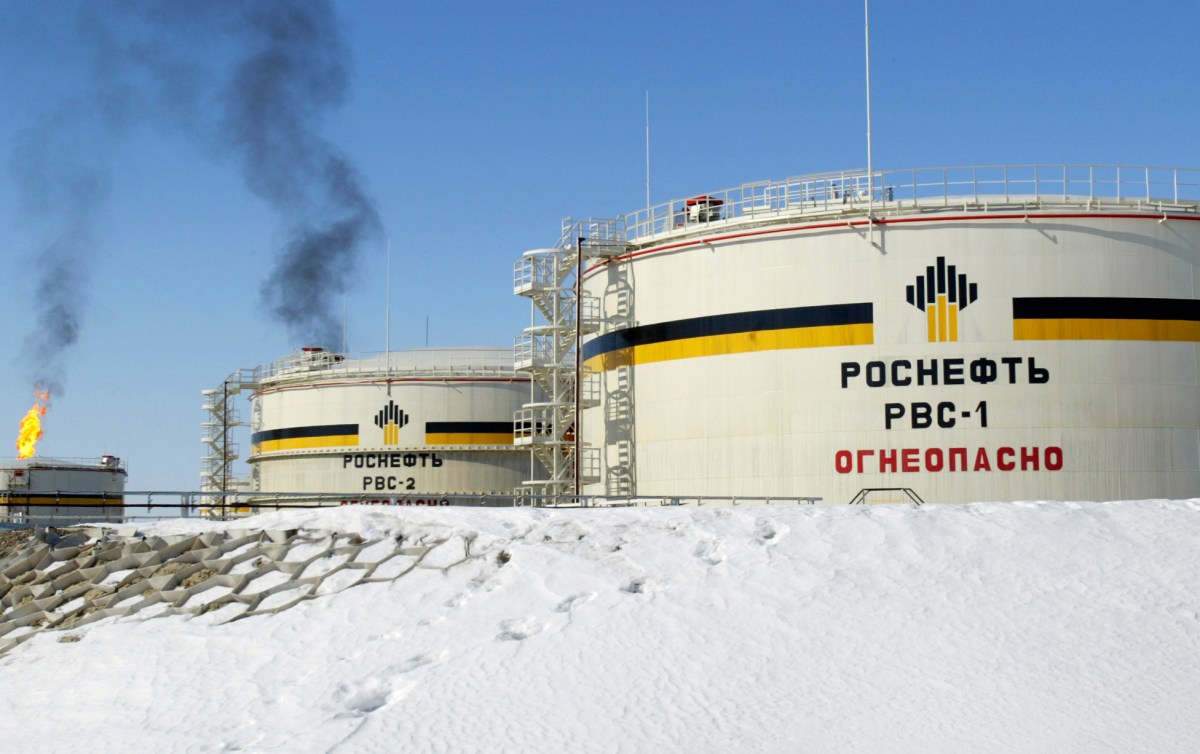
An Indian company, Reliance Industries, shipped important oil refinery chemicals to Russia during the Ukraine war. These shipments, worth about $420,000, might attract attention because Russia’s energy sector finances its actions in Ukraine, though no laws or sanctions appear broken.
Key Facts
Reliance Industries, led by billionaire Mukesh Ambani, sent around 500,000 kilograms of refinery catalysts to Russia between April 2023 and January 2025.
The chemicals are called fluid catalytic cracking catalysts (FCCs), which help improve oil refining efficiency.
These shipments took place during the war between Russia and Ukraine.
The total value of the shipments is estimated at $420,000.
There is no evidence that these shipments broke U.S. or European sanctions.
Export restrictions focus on certain goods and entities, and foreign firms are generally not banned unless U.S. components are involved.
Reliance Industries has a business connection to the Trump Organization through a licensing deal.
Experts say these exports might get extra attention because they help Russia’s oil industry, which funds its war.
Read the Original
Want the full story? Tap a source to open the original
article.
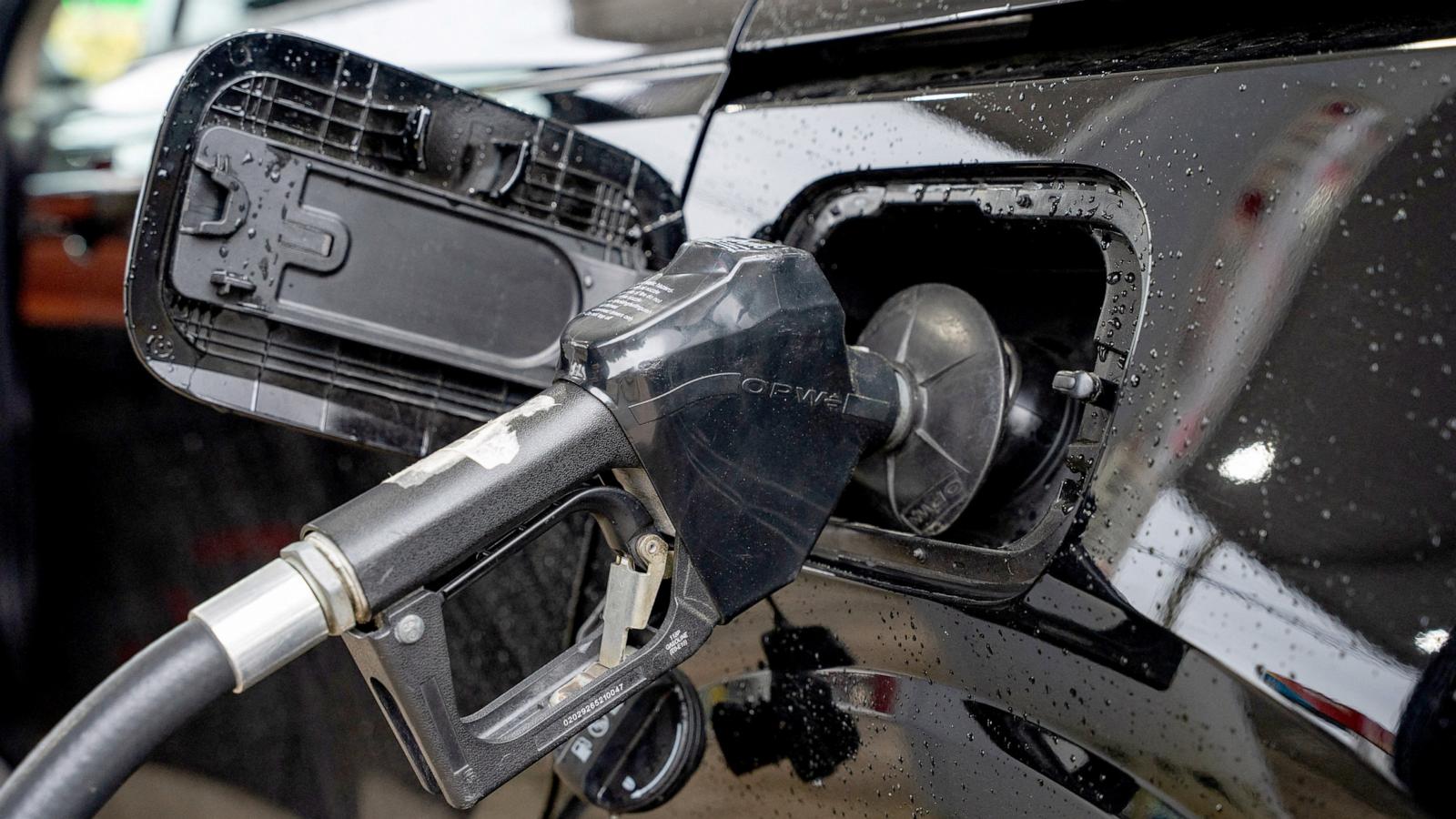
Gas prices in the U.S. are near their highest level in four years ahead of the Memorial Day weekend. This rise is mainly due to reduced global oil supply caused by the war in Iran, which has affected the price of crude oil and gasoline.
Key Facts
The national average gas price is $4.55 per gallon, about 42% higher than last year.
Six states have average gas prices over $5 per gallon, with California at $6.13 per gallon.
About 39 million Americans are expected to travel by car during Memorial Day weekend.
Americans will spend roughly $2 billion more on gasoline this holiday compared to last year.
The war in Iran has disrupted oil supply by closing the Strait of Hormuz, a key shipping route.
Oil prices rose about 50% since the war began on February 28.
Gasoline prices may slightly drop if tanker traffic through the Strait of Hormuz resumes.
Low-income households spend a higher share of their income on gas compared to middle- and upper-income households.
Read the Original
Want the full story? Tap a source to open the original
article.
A new study by pet safety company Dog-G8 shows that Memorial Day weekend increases the risk of dogs going missing due to busy holiday routines and travel. The study identifies the states with the highest rates of lost dogs and explains that many dogs escape from everyday situations like open doors or being startled.
Key Facts
About 10 million pets go missing in the US each year.
Shelters see more stray dogs around Memorial Day, with the trend continuing into summer.
Rhode Island has the highest lost-dog rate, with 7,807 lost dogs per 100,000 dog-owning households.
Utah ranks second with 7,013 lost dogs per 100,000 dog-owning households.
Lost-dog risk is influenced by local habits, outdoor activities, and holiday routines, not just dog population size.
Most lost dogs stay close to where they disappeared; 70% are found within a mile, and 42% within about a city block.
Dogs often run away due to distractions like open gates, visitors, loud noises, or changes in daily routine.
Memorial Day weekend and summer trips are common times for pets to escape.
Read the Original
Want the full story? Tap a source to open the original
article.
Stew Leonard Jr., leader of the Stew Leonard's grocery stores, spoke about how rising prices from inflation affect grocery shopping. He explained challenges in managing costs as groceries become more expensive.
Key Facts
Stew Leonard Jr. is the president and CEO of Stew Leonard's grocery chain.
Inflation is causing grocery prices to increase.
Higher costs are impacting how grocery stores operate.
Stew Leonard Jr. discussed these issues on CBS News.
Consumers are facing higher prices at the grocery store.
The interview focused on strategies to handle inflation’s effects on food costs.
Read the Original
Want the full story? Tap a source to open the original
article.
Chinese fast-fashion company Shein is buying Everlane, a retailer known for eco-friendly and ethical clothing. Everlane’s CEO says the company will stay independent and keep its focus on sustainability with Shein’s financial support.
Key Facts
Everlane was founded in 2011 with a goal to offer affordable, eco-friendly clothing.
The company has faced worker treatment controversies in recent years.
Shein, a leading fast-fashion company from China, is acquiring Everlane.
Everlane’s CEO Alfred Chang confirmed the deal and will remain in charge.
Everlane will continue as its own brand and maintain its sustainability promises.
Everlane’s sales have declined, and it has increasing debt, requiring new ownership.
Shein’s purchase is expected to provide financial stability for Everlane.
The deal may affect how some Everlane customers view the brand due to Shein’s fast-fashion reputation.
Read the Original
Want the full story? Tap a source to open the original
article.
Spending on artificial intelligence (AI) technology is currently helping the U.S. economy grow, even though consumer spending is weak. However, if companies reduce their AI investments, economic growth may slow down and the stock market could drop.
Key Facts
AI capital spending means companies are investing money to develop and use AI technology.
This spending is currently supporting overall economic growth in the U.S.
Consumer spending, which is money people spend on goods and services, is currently weak or soft.
If companies cut back on AI investments, the economy may slow down.
A slowdown in growth could lead to the stock market entering "bear territory," which means prices would drop by 20% or more.
The current boost from AI spending is temporary and may not last forever.
Economic growth depends on multiple factors, including both consumer spending and business investments.
Read the Original
Want the full story? Tap a source to open the original
article.
A bank levy happens when a creditor freezes money in your bank account after winning a court judgment. The freeze usually lasts from a few days to a few weeks, depending on state laws and bank procedures, but it is not always permanent. Some funds, like Social Security or veterans’ benefits, may be protected from being taken, though sometimes you must prove that to the court.
Key Facts
A bank levy can freeze your bank account quickly after a creditor obtains a court judgment against you.
The freeze period often ranges from a few days to a few weeks but varies by state and bank rules.
Some money, including certain federal benefits like Social Security and veterans’ payments, is usually protected from bank levies.
Protected funds may need extra paperwork or a court hearing if mixed with other money.
Government agencies collecting taxes or child support have stronger powers and may use different rules for freezing accounts.
The account can remain partially frozen longer if disputes or additional legal steps happen.
Not all debts qualify for a bank levy, and private creditors and government agencies follow different procedures.
Understanding your rights and protections is important if your bank account is frozen by a levy.
Read the Original
Want the full story? Tap a source to open the original
article.
The Farmer's Dog, a dog food company, was created to provide healthier, home-cooked style meals for dogs after seeing traditional dog food often lacked proper nutrients. The company partners with media like CBS Mornings and Oprah's podcast to highlight the bond between dogs and humans and promote pet health.
Key Facts
The Farmer's Dog was inspired by a sick dog named Jada, whose health improved after switching to home-cooked meals.
Traditional dog food is often highly processed and may not have all the necessary vitamins and minerals.
The company aims to improve dog health through fresher, nutrient-rich food.
They partnered with CBS Mornings during National Pet Month to celebrate the dog-human bond.
The Farmer's Dog is collaborating with The Oprah Podcast to share stories about dogs and their owners, including a military veteran and a service dog.
Oprah Winfrey, a well-known dog lover, supports the effort to keep dogs healthy and happy.
The CEO believes feeding dogs well is one important way to improve both dog and human health.
Read the Original
Want the full story? Tap a source to open the original
article.
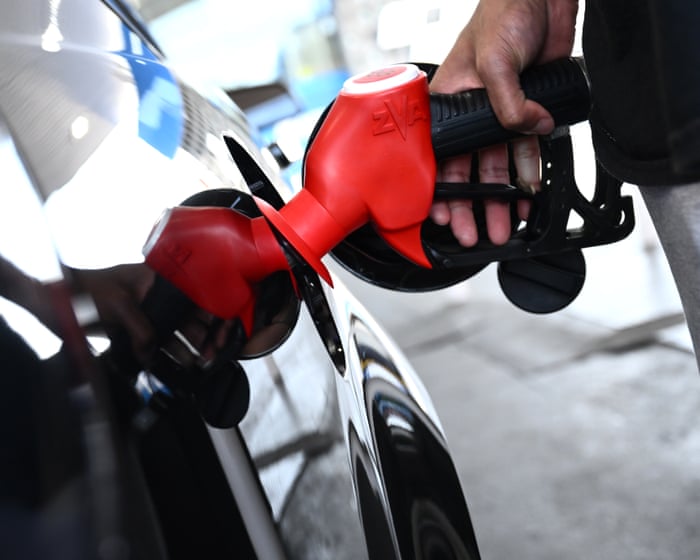
The Australian government has plans for fuel rationing as a backup in case of a fuel shortage. This comes amid warnings from the International Energy Agency that global oil supplies will tighten by August due to problems in the Middle East.
Key Facts
The government may limit how much fuel a vehicle can buy in one day if there is a local fuel shortage.
Fuel rationing is currently a "worst-case scenario" and not expected to be needed soon.
The International Energy Agency warns oil markets will face supply problems by August.
The Department of Climate Change, Energy, the Environment and Water is considering rationing plans if fuel supply management by petrol companies fails.
The federal energy minister can declare a liquid fuel emergency and use powers to direct fuel supply or ration fuel.
Government leaders have publicly said they do not expect to need rationing.
Other countries have limited fuel purchases and asked people to reduce travel during fuel crises.
The government has increased fuel stockpiles by buying extra diesel and jet fuel and included a $10 billion package for fuel security.
Read the Original
Want the full story? Tap a source to open the original
article.
Mortgage interest rates in 2026 have gone up and down a lot. After starting the year near 6%, rates have fluctuated due to factors like inflation, global conflicts, and Federal Reserve decisions, reaching around 6.5% by May.
Key Facts
At the start of 2026, the average 30-year mortgage rate was about 5.99%.
Rates dropped slightly through February and early March, reaching about 5.75%.
A conflict in Iran, higher oil prices, and rising inflation caused rates to rise to over 6.3% by the end of March.
April saw some rate drops, but they rose again by the end of the month due to the Federal Reserve keeping rates steady amid inflation.
By mid to late May, the 30-year mortgage rate climbed to roughly 6.5%.
These rates are still better than many mortgage rates offered in 2023 and 2024.
Borrowers can use mortgage rate locks to secure current rates and protect against future increases.
The Federal Reserve did not raise rates in 2026 so far, but inflation and unresolved global issues continue to influence mortgage rates.
Read the Original
Want the full story? Tap a source to open the original
article.
Wage garnishment takes money directly from a person’s paycheck to repay debt, which can cause serious problems for people already living paycheck to paycheck. Federal and state laws limit how much can be taken, but losing part of a paycheck can make it hard to pay for essentials like rent and groceries.
Key Facts
Wage garnishment happens when a creditor takes money from your paycheck to collect unpaid debt.
Most creditors can take up to 25% of your disposable earnings or the amount over 30 times the federal minimum wage weekly, whichever is less.
Being garnished when you live paycheck to paycheck can make it very hard to pay for things like rent, utilities, and food.
Missing payments due to garnishment can lead to late fees, extra interest, overdrafts, and more debt.
Different debts (taxes, student loans, child support, credit cards, medical bills) have different garnishment rules and limits.
Some states have laws that protect workers by limiting garnishment amounts further.
Wage garnishment can cause stress and force people to delay important spending like medical care or savings.
People may still contest a garnishment or pursue debt relief options to improve their financial situation.
Read the Original
Want the full story? Tap a source to open the original
article.