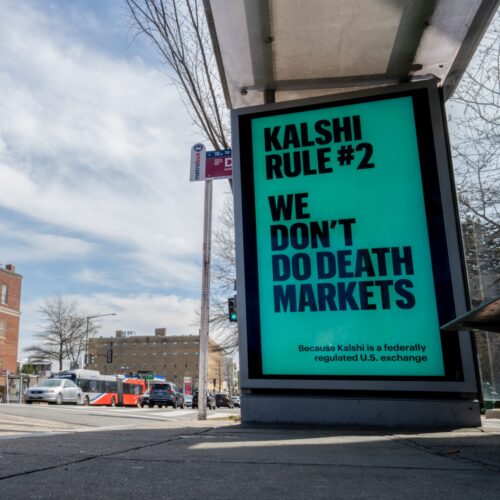
The Trump administration sued Minnesota to stop a new state law that bans prediction markets, which are markets where people bet on future events. The federal Commodity Futures Trading Commission (CFTC) says Minnesota’s law conflicts with federal rules that regulate these markets, and it asked the court to stop the law before it begins on August 1.
Key Facts
Minnesota passed a law making it a felony to create, run, or advertise prediction markets.
Prediction markets let people bet on events like sports, elections, weather, and more.
The CFTC, a federal agency, claims it has exclusive control over these markets under a 50-year-old law.
The Trump administration filed the lawsuit in federal court in Minnesota to block the state law.
Minnesota’s Attorney General will defend the law, arguing prediction markets can harm people by encouraging gambling and inequality.
The CFTC has won similar legal battles against New Jersey and Arizona over prediction markets.
Other states like Connecticut, Illinois, and New York also face lawsuits or legal challenges from the CFTC.
Courts have given mixed rulings, and some cases are still moving through appeals courts.
Read the Original
Want the full story? Tap a source to open the original
article.
Travel costs in the U.S. are rising ahead of Memorial Day weekend and the summer season. Airfare, gas prices, lodging, and activities are all more expensive than last year, leading many Americans to consider shorter or closer trips.
Key Facts
Flights to Nashville cost $121 more than last year; the national average airfare is $383, up $89 from last year.
Gas prices have increased by $1.42 per gallon compared to a year ago.
Activities for travelers cost 5.5% more than last year.
Lodging prices have risen by 4.3%, and dining out costs are up 3.6%.
Despite higher costs, some popular destinations like Nashville expect more visitors than last year.
Many travelers plan to stay closer to home to manage rising travel expenses.
The overall rise in travel costs is being called "vacation inflation."
Read the Original
Want the full story? Tap a source to open the original
article.
The article discusses whether supermarkets are making extra profits because food prices have gone up. It looks at how higher food costs affect supermarket earnings.
Key Facts
Food prices have increased recently.
The article questions if supermarkets benefit more when food costs rise.
It explores the impact of inflation on supermarkets.
Inflation means prices for goods and services go up over time.
Supermarkets sell food and household items.
The story aims to clarify the relationship between price changes and supermarket profits.
It addresses public concerns about rising grocery bills.
No detailed data or specific supermarket names are provided in the excerpt.
Read the Original
Want the full story? Tap a source to open the original
article.
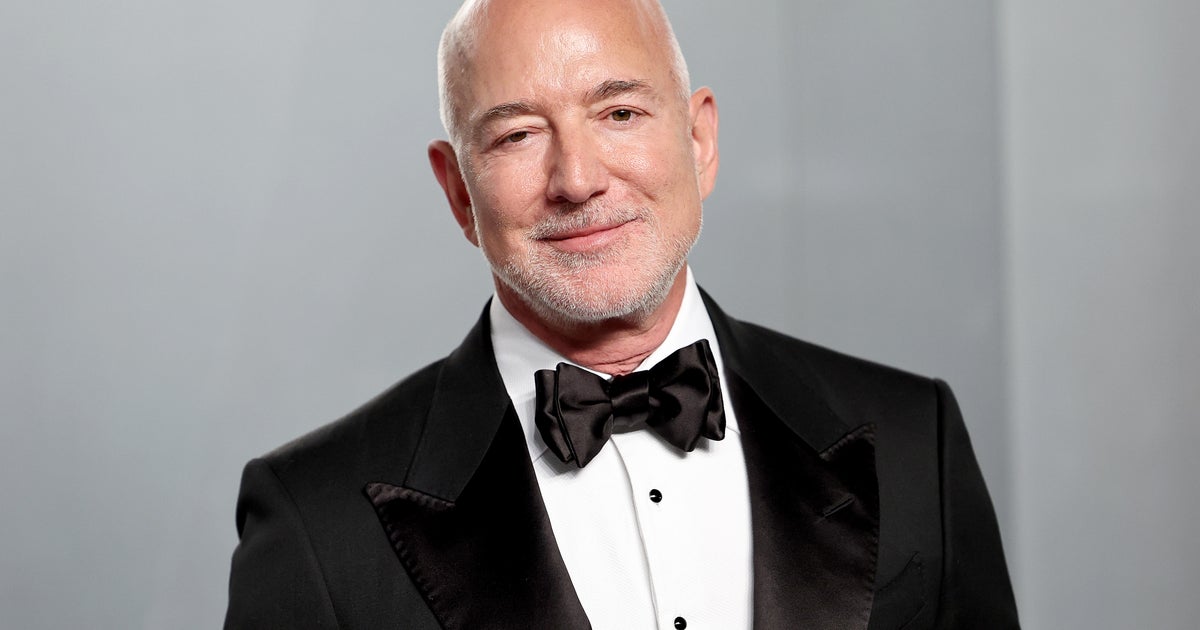
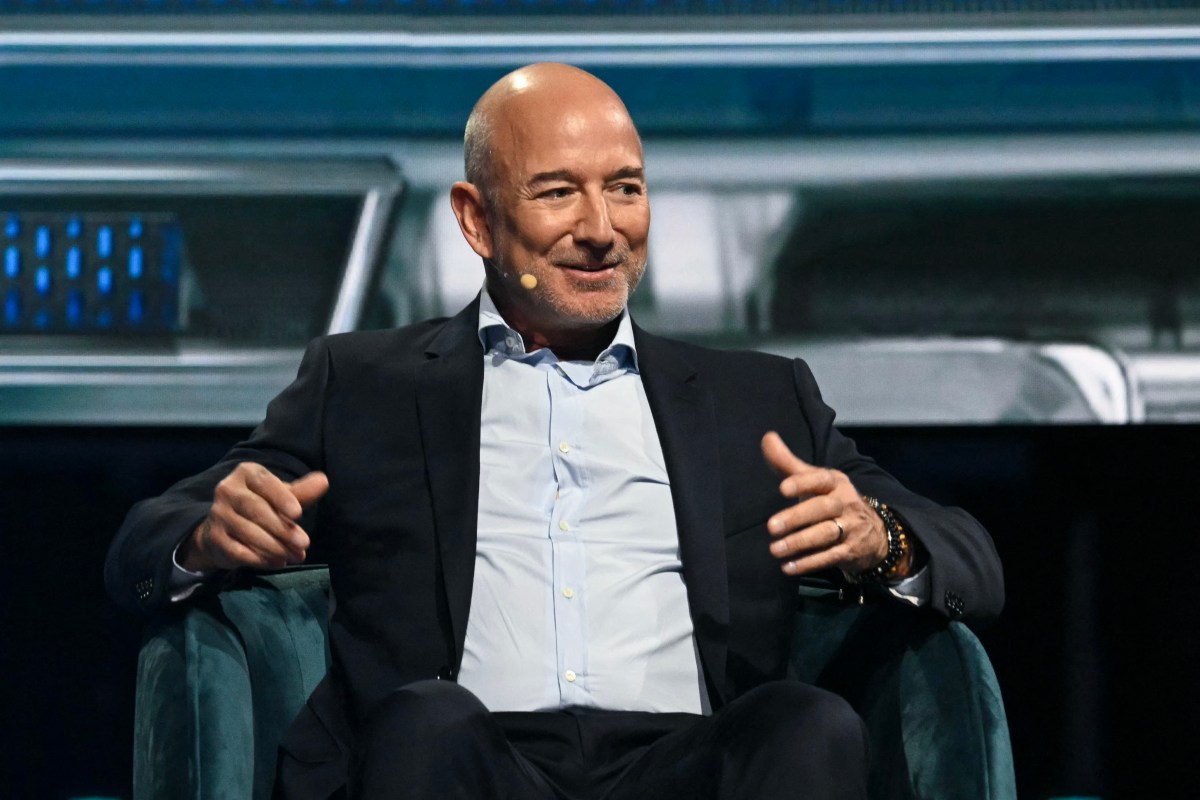
Jeff Bezos said that the bottom half of people in the U.S. should not pay any federal income tax. He thinks this would help people who struggle with money and could encourage them to start new businesses.
Key Facts
The bottom 50% of U.S. earners currently pay about 3% of federal income taxes.
Bezos suggests this share should be reduced to zero, meaning no federal income tax for the bottom half.
The top 1% of households pay about 40% of federal income taxes.
Bezos is one of the richest people in the world, worth about $279 billion.
Some Democrats are proposing new taxes on very wealthy people, like billionaires.
Republicans recently passed a tax and spending bill that includes tax breaks for wealthy households.
Senator Elizabeth Warren proposed a tax bill on very rich people, including a tax on those who leave the country.
The average tax rate for the bottom half of earners was 3.7% in 2023, while the top 1% paid 26.3%.
Read the Original
Want the full story? Tap a source to open the original
article.
Iran’s stock market reopened after nearly three months of closure with restrictions on some companies and extended trading hours. The reopening showed small improvements, but many major firms stayed offline due to ongoing security concerns linked to the conflict involving the United States and Israel.
Key Facts
Iran’s stock market was closed for almost three months before reopening on Tuesday and Wednesday.
About 36 percent of major companies, including big petrochemical and steel firms, did not participate to protect shareholders amid the US-Israel conflict.
Trading hours were extended by one hour each day to help recovery.
Share price changes were limited to 3 percent to prevent market instability.
Equity funds with heavy investments in affected companies remain suspended.
The Tehran Stock Exchange’s main index, TEDPIX, showed modest gains during the reopening.
Economic challenges like inflation and the falling value of Iran’s currency affect market conditions.
Smaller brokerage firms and traders who used credit faced difficulties due to the market shutdown.
Read the Original
Want the full story? Tap a source to open the original
article.
Retirement income, like Social Security and pension payments, is not always fully protected from creditors. While Social Security benefits have strong federal protections against most private creditors, federal debts such as taxes and student loans can lead to garnishment. Pension protections depend on the type of plan and state laws, with some pensions partially exposed to creditors after payments are distributed.
Key Facts
Many retirees face financial pressure due to higher healthcare and living costs and entering retirement with more debt than past generations.
Social Security benefits are mostly protected from private creditors but can be garnished up to 15% for federal debts like unpaid taxes, student loans, or child support.
Employer-sponsored pensions under federal law (ERISA) often have strong protections while funds remain inside the plan.
Once pension payments are received by retirees, protections can vary by state, and creditors may garnish some of that income with a court order.
Federal law limits wage garnishments to either 25% of disposable earnings or the amount exceeding 30 times the federal minimum wage, which can apply to pension income.
Retirement income rules become more complex when funds are deposited into personal bank accounts, which may expose them to creditors.
Medical debts, credit cards, and personal loans can lead to collection actions if retirees fall behind on payments.
Different types of creditors have varying rights to access retirement income depending on the type of debt and income source.
Read the Original
Want the full story? Tap a source to open the original
article.
A charity report shows that people in the South East of England have an average debt of £14,000, which can take about 10 years to repay. A woman named Gaynor Lake had debts of £26,000 due to rising bills and poverty, but a debt relief program has helped her start managing her money better.
Key Facts
People in the South East region owe an average of £14,000 each in debt.
Christians Against Poverty (CAP) helps people with debt through local churches.
On average, it takes 10 years to repay this level of debt.
Gaynor Lake’s debts reached £26,000 after a period of rising household bills over 10 years.
Gaynor used a Debt Relief Order to reduce her debt and begin rebuilding her finances.
The government says household incomes have increased, poverty among children has dropped, and food bank use has fallen.
The government is working to reduce poverty by raising the National Living Wage and increasing Universal Credit payments.
The Child Poverty Strategy aims to lift 550,000 children out of poverty by 2030.
Read the Original
Want the full story? Tap a source to open the original
article.
A study by the National Association of Realtors shows that U.S. homeowners gained significant wealth through home equity over the past ten years. Coastal metropolitan areas, especially in California, saw the biggest increases, while older generations hold most homeownership, benefiting the most from rising home values.
Key Facts
Homeowners gained home equity worth about three years of their income nationally over the last decade.
California has four metro areas among the top ten for home equity gains in the country.
San Jose, CA, leads with home equity gains of $1,163,300, equal to 7.3 years of household income.
Other top metro areas include Los Angeles, Barnstable (MA), Honolulu, San Diego, Miami, San Francisco, New York, Naples (FL), and Reno (NV).
Baby boomers (age 62-80) have the highest homeownership rate at 79.9%, much higher than millennials (55.4%) and Gen Z (27.1%).
Older generations benefitted from lower home prices in the past and have built significant equity.
Americans aged 61-79 are now the largest group of home buyers and sellers in the U.S. housing market.
Rising home prices and costs have made it harder for younger Americans to buy homes.
Read the Original
Want the full story? Tap a source to open the original
article.
Chris Sununu, CEO of Airlines for America and former New Hampshire governor, said the recent shutdown of Spirit Airlines shows the need to approve business mergers when warnings arise. Spirit Airlines closed after it and the Trump administration could not finalize a deal.
Key Facts
Spirit Airlines stopped operating earlier in the current month.
The closure happened after failed merger negotiations involving Spirit and the Trump administration.
Chris Sununu is the CEO of Airlines for America and was previously the governor of New Hampshire.
Sununu believes that when there are concerns ("red flags"), mergers should be allowed to proceed to prevent such shutdowns.
The situation highlights issues in how airline mergers are approved by the government.
Read the Original
Want the full story? Tap a source to open the original
article.
New research shows that nearly half of companies in the U.S. and U.K. are using artificial intelligence (AI) in employee performance reviews. Employers use AI tools to analyze feedback and generate evaluation reports, but concerns remain about bias, transparency, and training.
Key Facts
A survey of over 500 senior leaders found that 47% already include AI in performance evaluations.
93% of leaders encourage AI use, and 82% say they use AI regularly at work.
AI is often used to help with everyday tasks and HR functions like feedback analysis and talent reviews.
Only 30% of HR professionals have received training specific to using AI on the job.
Experts worry that AI systems can be biased, unclear, or lead managers to rely too much on automation.
Some benefits of AI in reviews include more consistent feedback, less personal bias, and faster evaluation processes.
Companies adopt AI mainly to save time and create more data-driven, standardized performance reports.
Leadership focus tends to be more on how often AI is used rather than the quality of its impact on business results.
Read the Original
Want the full story? Tap a source to open the original
article.
The article compares how much interest a $2,500 deposit can earn in a certificate of deposit (CD), a high-yield savings account, and a money market account over different time periods. It shows that CDs often earn the most interest if you keep the money locked in, but savings and money market accounts offer more flexibility to access and add funds.
Key Facts
A 6-month CD at 4.10% would earn about $50.74 in interest on $2,500.
A 6-month high-yield savings account at 4.03% would earn about $49.88 on $2,500.
A 6-month money market account at 3.90% would earn about $48.28 on $2,500.
Over 9 months, a high-yield savings account slightly outperforms a 9-month CD.
Over 1 year, a CD at 4.10% earns the most interest—about $102.50 on $2,500.
CDs lock the interest rate for the full term, guaranteeing returns if no early withdrawals are made.
High-yield savings and money market accounts have variable rates that can change over time.
Money market accounts allow features like check writing, offering more convenience than CDs or savings accounts.
Read the Original
Want the full story? Tap a source to open the original
article.
A new report by the environmental group Beyond Plastics tracked Starbucks plastic cups labeled as "widely recyclable" and found that none were actually recycled. Instead, many cups ended up in landfills, incinerators, or other waste facilities, raising concerns about Starbucks' recycling claims.
Key Facts
Starbucks labeled their plastic cups as "widely recyclable" earlier in 2026.
Beyond Plastics used Bluetooth trackers hidden inside cups to follow their path after disposal.
None of the 53 tracked cups were sent to recycling plants; many went to landfills or incinerators.
The plastic cups are made of polypropylene, which few facilities in the US can recycle.
Only two commercial facilities in the US currently recycle this type of plastic.
Beyond Plastics argues that accepting items for recycling does not guarantee they are actually recycled.
The group recommends Starbucks switch to fiber-based cups and promote reusable cups instead.
Plastic waste can be harmful to human health, linked to illnesses like respiratory problems and cancer.
Read the Original
Want the full story? Tap a source to open the original
article.
The UK has signed a £3.7 billion trade deal with six Gulf countries, aiming to boost exports in food, luxury cars, defence, and other sectors. The deal removes tariffs on most goods and guarantees access for UK services, but it does not include any human rights protections.
Key Facts
The deal involves the UK and six Gulf Cooperation Council (GCC) states: Saudi Arabia, Kuwait, Oman, Qatar, UAE, and Bahrain.
It is worth £3.7 billion, doubling earlier estimates for export opportunities.
Tariffs will be removed on 93% of British goods sold in these Gulf countries.
Sectors benefiting include food, luxury cars, defence, aerospace, hospitality, and advanced manufacturing.
UK services, which make up 80% of the UK economy, will have guaranteed market access in the Gulf states.
The deal does not include a human rights chapter despite previous concerns about abuse in the Gulf region.
UK farmers welcomed the deal, especially the protection of poultry standards.
This is the third trade agreement by Prime Minister Keir Starmer, after deals with India and South Korea.
Read the Original
Want the full story? Tap a source to open the original
article.
Jeff Bezos proposes that millions of Americans earning under $50,000 should not pay any federal taxes. He believes the government spends money inefficiently and that changing spending habits would help more than raising taxes.
Key Facts
Bezos suggests that the bottom half of earners pay zero federal taxes.
This change would affect over 100 million people earning less than $50,000 a year.
He says these earners currently contribute only about 3% of federal tax revenue.
Bezos argues government inefficiency is the real problem, not tax rates.
He gave examples of workers paying thousands in taxes that could go to essentials like food and housing.
Bezos responded to criticism about his wealth by saying large fortunes come from meeting consumer demand.
He called the tax system complicated and full of loopholes.
Bezos said higher taxes on the wealthy are possible but not as urgent as better government spending.
Read the Original
Want the full story? Tap a source to open the original
article.
Incoming Federal Reserve chief Kevin Warsh wants to reduce the Fed’s large collection of bonds, which grew sharply after the 2008 crisis and the COVID-19 pandemic. However, many Fed officials worry that shrinking the balance sheet too fast could cause higher borrowing costs and market problems.
Key Facts
The Fed’s assets grew from $800 billion before 2008 to almost $9 trillion in 2022 due to crisis support programs.
The balance sheet has been reduced to $6.7 trillion but started growing again last December due to market stresses.
Warsh criticizes the Fed’s large balance sheet and prefers cutting interest rates to help the broader economy.
Shrinking the balance sheet could push up mortgage and long-term borrowing rates.
Rapid reductions in the balance sheet risk destabilizing money markets, as seen in 2019.
Some Fed officials doubt current ideas to reduce banks’ need for reserves, an important part of the balance sheet.
Warsh plans to reduce the balance sheet “slowly and deliberately” to avoid damaging financial stability.
Fed governor Michael Barr opposes shrinking the balance sheet, saying it could harm banks and money markets.
Read the Original
Want the full story? Tap a source to open the original
article.
The failure of Spirit Airlines shows that preventing mergers just to avoid large companies can hurt customers instead of helping them. Experts have long said that blocking bigger business deals without clear reasons does not improve services or prices.
Key Facts
Spirit Airlines has gone through a significant collapse.
Some people have tried to stop companies from merging to avoid creating very large businesses.
Experts believe stopping mergers only because a company is big does not benefit customers.
In the case of Spirit Airlines, blocking growth led to worse outcomes for customers.
The example highlights problems with the approach called the “New Antitrust” movement.
The “New Antitrust” movement aims to limit the size and power of big companies.
This approach may not always lead to better services or prices for people.
Read the Original
Want the full story? Tap a source to open the original
article.
Jeff Bezos defended Amazon’s decision to buy and promote a documentary about Melania Trump, calling it a good business choice. He denied being personally involved in the deal or trying to gain favor with President Donald Trump’s administration.
Key Facts
Amazon spent $40 million to purchase the Melania Trump documentary.
Melania Trump reportedly earned $28 million from the film.
Amazon also spent about $35 million on marketing the documentary.
Jeff Bezos said he had no personal role in buying or promoting the film.
The movie earned $16.7 million worldwide but did not make back its full budget in theaters.
Amazon claims the film has cultural and historical importance and denies any bribery accusations.
Senator Elizabeth Warren criticized the deal as a possible pay-to-play scheme with the Trump administration.
The documentary was directed by Brett Ratner, who has faced past sexual misconduct allegations.
Read the Original
Want the full story? Tap a source to open the original
article.
When you do not pay your credit card debt for a long time, the creditor may mark the debt as "charged off." This does not erase the debt—you still owe it, and the lender or a new collection agency can try to collect the money. A charge-off damages your credit score and can stay on your credit report for seven years.
Key Facts
A charge-off means the lender writes the debt as a loss in their books but you still owe all the money, including interest and fees.
Your credit score will drop significantly after a charge-off and the mark stays on your credit report for seven years.
Credit card companies often sell charged-off debts to debt collection agencies for less than the full amount.
Debt collectors will try to get you to pay and may contact you by phone or mail.
Creditors or collectors can sue you to recover the debt, and if they win, they can take money from your wages or bank account.
Interest usually keeps building up on the unpaid balance even after a charge-off.
Debt settlement is one common option to handle charged-off debts where you might pay less than the full amount owed.
Read the Original
Want the full story? Tap a source to open the original
article.
Jeff Bezos said he was not involved in Amazon's decision to fund a documentary about Melania Trump. He denied that making this movie was meant to gain favor with President Donald Trump's administration.
Key Facts
Amazon agreed to produce a documentary about Melania Trump that will cost $75 million.
Jeff Bezos is the founder of Amazon.
Bezos stated he had no role in approving the Melania Trump documentary.
He said claims that the film was made to gain favor with President Trump are false.
Bezos made these remarks during an interview on CNBC.
The topic arose amid criticism or speculation about Amazon’s decision.
The documentary is described as a multimillion-dollar project by Amazon.
Bezos referred to the claim that the movie was meant to please the Trump administration as a "falsehood."
Read the Original
Want the full story? Tap a source to open the original
article.