The Portland Trail Blazers have let go of many employees who worked in business roles. This change is part of a reorganization led by the team's new owner, Tom Dundon.
Key Facts
The Portland Trail Blazers are a professional basketball team.
They recently laid off a large number of employees in business-related jobs.
The layoffs are part of a reorganization plan.
The reorganization is directed by the team's new owner, Tom Dundon.
The changes focus on the business side, not the players or coaching staff.
Read the Original
Want the full story? Tap a source to open the original
article.
Over £52 million of public money meant for social housing is at risk after two investment companies linked to Heylo Housing went into administration. The government and housing regulator are working to protect taxpayers' money and keep about 3,500 social homes from moving into the private sector.
Key Facts
Two investment companies run by Heylo Housing, backed by BlackRock, have entered administration.
About £52 million in public funds, granted from 2018 to 2023 for social housing, is now at risk.
The money comes from Homes England, a government agency funding affordable housing projects.
Around 3,500 social homes and their residents are affected but will not lose their homes or payments immediately.
Heylo’s complicated structure means the homes are leased from investment firms, not directly owned by the regulated housing provider.
The Regulator of Social Housing (RSH) has limited powers to intervene because of changes made in 2017.
The situation reveals weaknesses in housing industry rules that allowed public money to go to for-profit companies without enough oversight.
The RSH hopes another social landlord can buy the properties to keep them in the social housing sector.
Read the Original
Want the full story? Tap a source to open the original
article.
The UK government has extended the freeze on fuel duty, keeping the 5p tax cut on petrol and diesel until the end of the year instead of ending it in September. This decision comes after rising fuel prices caused by conflicts in the Middle East and is also accompanied by reduced taxes on red diesel and a temporary tax break for heavy goods vehicles.
Key Facts
The 5p cut on fuel duty was introduced in March 2022 by the Conservative government to help with rising fuel prices.
The fuel duty cut was supposed to end after 12 months but has been extended multiple times.
The freeze on fuel duty will now last until the end of the year, not just until September.
Rising fuel prices have been influenced by the war between the US and Israel in Iran, which disrupted global oil and gas supplies.
The government plans to reduce the fuel duty on red diesel, used mainly in farming equipment, by over one-third until the end of the year.
A 12-month holiday on vehicle excise duty (a tax on vehicles) will apply to heavy goods vehicles (HGVs) to help with higher supply chain costs.
The average petrol price reached 158.52 pence per litre recently, the highest since the start of the Iran war.
Industry experts have raised questions about the fuel duty policy after this year, including whether prices will rise sharply or if further extensions will happen.
Read the Original
Want the full story? Tap a source to open the original
article.
Debt from domestic rates bills in Northern Ireland rose by over 50% last year, reaching more than £1 million, according to Advice NI. The average bill increased due to higher regional and local council rates, putting more financial pressure on households during the cost of living crisis.
Key Facts
Domestic rates bill debt in Northern Ireland grew from about £705,558 in 2024/25 to over £1,066,170 in 2025/26.
The average domestic rates bill is now £1,239, up because of a 5% increase in the regional rate set by Stormont and rises in district rates by councils.
Domestic rates help pay for public services, local projects, tourism, and waste management.
Advice NI warns that unpaid rates debt can lead to legal action, such as wage deductions or insolvency, risking people's homes.
Most people wait about two years before seeking help for debt, so the problem may grow as costs rise.
Council areas saw different rate increases, with Ards and North Down having the highest at 4.5%.
The rates bill has three parts: the property value, a regional rate by Stormont, and a district rate by the local council.
Northern Ireland’s overall rates bills are generally lower than in the rest of the UK because some charges, like water fees, are not included.
Read the Original
Want the full story? Tap a source to open the original
article.
Samsung Electronics’ workers in South Korea will strike for 18 days starting Thursday to protest bonus payments. About 48,000 employees, mainly in the chip division, will stop work, which could hurt Samsung’s production and South Korea’s economy.
Key Facts
More than 48,000 Samsung Electronics workers will strike for 18 days starting Thursday.
The strike is mainly about the size of bonus payments; workers want a share of 15% of the company’s annual profit.
Samsung currently caps bonuses at 50% of a worker’s yearly salary and disagrees with the union’s demands.
Samsung is the world’s largest maker of memory chips used in many electronics and data centers.
Samsung’s revenues equal about 12.5% of South Korea’s total economy (GDP).
The Bank of Korea says the strike could reduce economic growth by 0.5 percentage points and cost about 30 trillion won ($20 billion).
Government-led talks failed to resolve the dispute before the strike.
Samsung and its union have had ongoing negotiations and strikes in 2024, but large-scale strikes are rare for Samsung.
Read the Original
Want the full story? Tap a source to open the original
article.
Keir Starmer announced that the planned increase in fuel duty will be canceled, and the current lower fuel tax will continue until the end of the year. He also said haulage businesses will get a 12-month exemption from vehicle tax to help with rising costs caused by global events.
Key Facts
The 5p temporary cut in fuel duty, originally set to end in September, will be extended through the rest of the year.
Haulage companies will get a one-year break from paying vehicle tax.
Chancellor Rachel Reeves will announce more support measures soon.
The government had previously planned to end the 5p cut after nine months.
Fuel prices have increased partly because of conflict involving the US, Israel, and Iran.
The freeze on fuel duty and tax breaks are aimed at helping families and businesses cope with rising costs.
The freeze could save an average driver £120 over two years and heavy lorry owners £600 over one year.
The government links these measures to a strong UK economy and ongoing global uncertainties.
Read the Original
Want the full story? Tap a source to open the original
article.
Public pension boards face a structural problem in how they manage pensions, which leads to a lack of accountability. This issue is not caused by political party differences but is built into the system itself.
Key Facts
Public pension boards manage retirement funds for public employees.
There is a gap in accountability in how these boards operate.
The problem is structural, meaning it is part of the system’s design.
The issue is not related to political party conflicts.
This gap affects the management of pensioners' money.
It may cause decisions that do not fully protect pensioners' interests.
Read the Original
Want the full story? Tap a source to open the original
article.
The U.S. aviation industry is preparing for a busy summer due to large events like the FIFA World Cup and America 250 celebrations. Airlines expect more passengers and cargo shipments but face challenges like global political problems and changing fuel prices.
Key Facts
The summer will feature big events, increasing air travel demand.
The FIFA World Cup will take place in the U.S.
America 250 celebrations mark the country’s 250th anniversary.
Airlines expect record levels of passengers and air cargo.
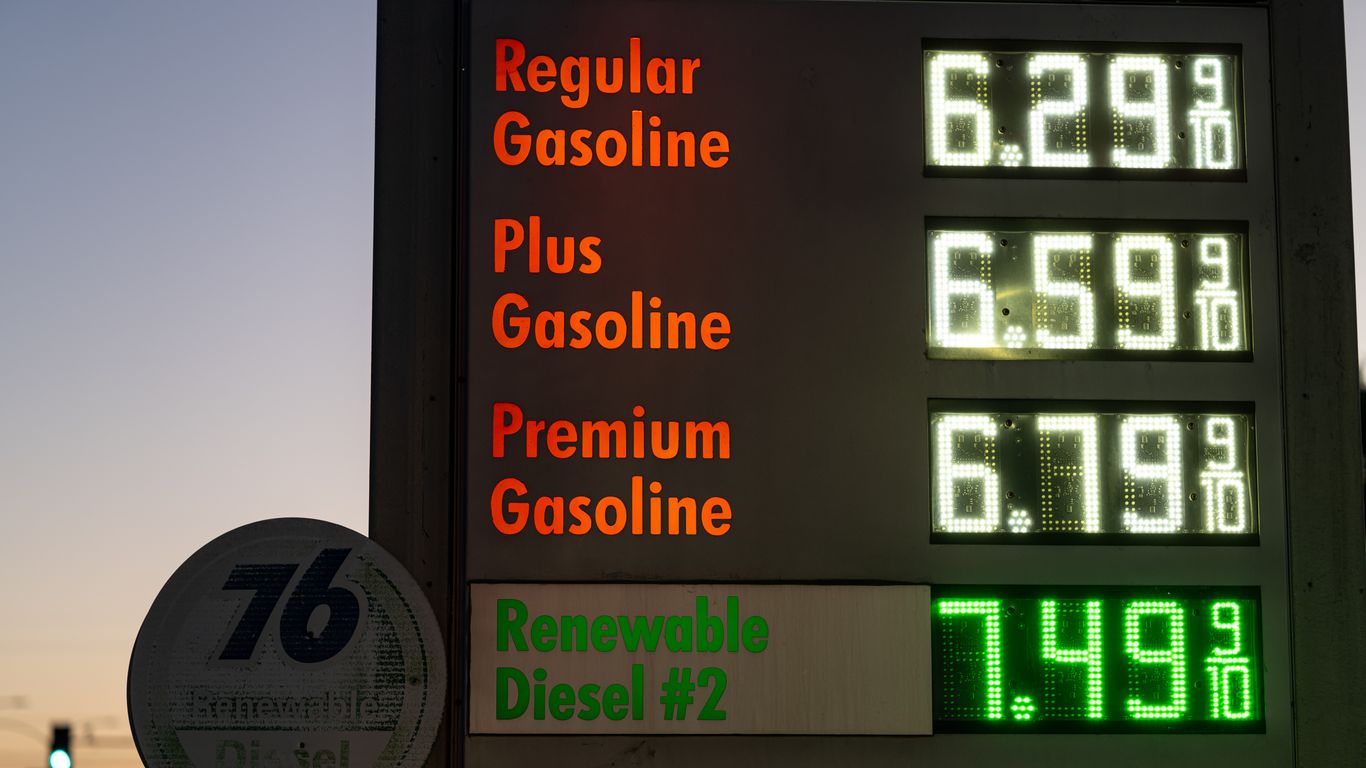
All 50 U.S. states have average gas prices above $4 per gallon, with some states over $5 per gallon, according to AAA. Higher fuel prices are linked to the ongoing war with Iran and are increasing costs for businesses and consumers.
Key Facts
The national average price for a gallon of gas is $4.56.
California has the highest gas price at $6.15 per gallon.
Georgia has the lowest gas price at $4.01 per gallon.
Seven states have gas prices over $5 per gallon.
Gas prices have gone up by 53% since the war with Iran began.
The war is causing extra costs for small businesses and contributing to inflation.
Analysts warn gas prices could rise above $5.03 if the Strait of Hormuz stays closed.
Some southern states recently had gas prices just under $4 per gallon before rising.
Read the Original
Want the full story? Tap a source to open the original
article.
The chief executive of Marks & Spencer (M&S), Stuart Machin, criticized a government idea to set voluntary price caps on essential food items, calling it “completely preposterous.” He urged the government to reduce taxes and regulations instead, explaining that M&S already makes little or no profit on some basic products. M&S also revealed lower profits due to a cyber-attack and plans to invest in technology and new stores to support future growth.
Key Facts
M&S CEO Stuart Machin opposes government voluntary price caps on basic food items like milk and bread.
He says M&S loses money on some essentials and only makes small profits on others.
Machin suggests cutting taxes and regulations to help businesses instead of controlling prices.
M&S faces extra costs from a new packaging tax (£40m), national insurance changes (£50m to £100m), and supplier price increases due to Middle East conflict.
Profits dropped 23.8% to £671 million last year, partly because of a cyber-attack that cost £131.3 million.
Food sales grew 7%, but sales in fashion, homewares, beauty, and international markets fell.
M&S plans to invest in technology, automated distribution centers, and new food stores to boost growth.
Analysts warn M&S profits may be lower than expected due to ongoing higher costs and government tax levies.
Read the Original
Want the full story? Tap a source to open the original
article.
After long talks, the European Union agreed to approve a trade deal made with the United States in July 2025. This decision comes as President Donald Trump threatened to raise taxes (tariffs) on European cars to 25% if the deal was not approved by July 4.
Key Facts
EU Parliament and EU Council representatives held five-hour talks and agreed to move forward with the trade deal ratification.
The trade deal was originally reached between the EU and US in July 2025.
President Donald Trump warned that he would increase tariffs on EU cars to 25% if the deal was not implemented by July 4, 2026.
The EU delayed other trade decisions due to political pressure and negotiations linked to the US deal.
The story also mentioned ongoing labor talks at Samsung and other business news, but the main focus is on EU-US trade relations.
The trade deal aims to reduce trade barriers and improve economic relations between the EU and the US.
Tensions around the deal highlight the use of tariffs as a negotiation tool in international trade.
Read the Original
Want the full story? Tap a source to open the original
article.
Marcus Breitschwerdt is the CEO of Mercedes-Benz’s Heritage division, which preserves and promotes the company’s long history. He has developed the Heritage unit into a business that sells restored parts, classic cars, and premium experiences, connecting the brand’s past with its current and future customers.
Key Facts
Marcus Breitschwerdt leads Mercedes-Benz’s Heritage division, focusing on the company’s history and legacy.
The Heritage unit preserves Mercedes-Benz’s heritage dating back to 1886, the start of the automobile.
This division is run as a business, selling restored parts, classic cars, and offering restoration services.
Spare parts for older cars are often remanufactured to original Mercedes-Benz standards.
The Heritage business supports brand value, trust, and makes new models more appealing.
Breitschwerdt expanded Mercedes-Benz Heritage’s presence globally, including in the U.S.
The Heritage division takes part in famous auto events worldwide like Pebble Beach and Goodwood.
It combines physical locations, customer experiences, and online services to maintain interest in classic Mercedes vehicles.
Read the Original
Want the full story? Tap a source to open the original
article.
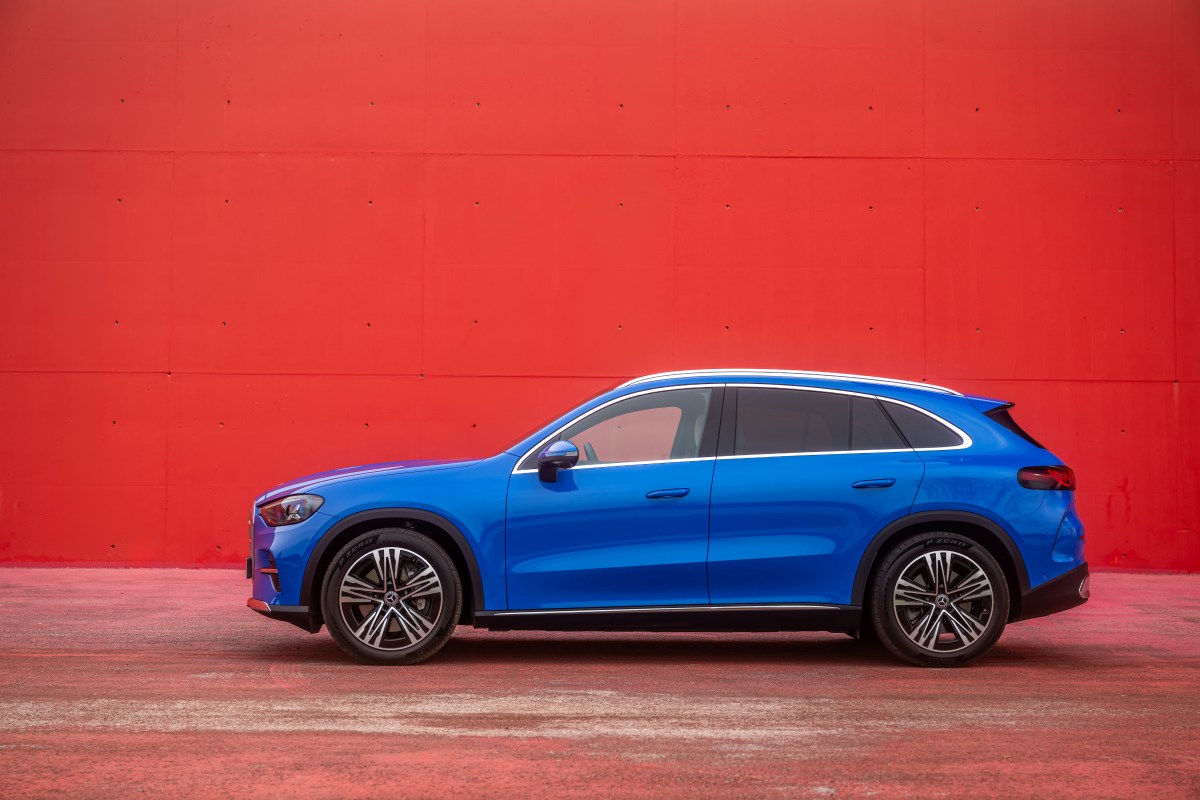
Mercedes-Benz has developed a new battery-electric version of its GLC model that cuts its carbon footprint by two-thirds compared to the gas-powered version. The company set strong sustainability goals for its design, production, and materials, focusing on reducing emissions and using recycled or renewable materials without losing luxury or performance.
Key Facts
The GLC 400 4MATIC with EQ Technology reduces its total carbon footprint by about 66% over its lifecycle compared to the gasoline GLC.
Mercedes achieved a 23% drop in emissions during the vehicle’s production.
Each battery cell’s carbon footprint was cut by 40%.
Two-thirds of the aluminum used in the car comes from renewable energy processes or recycled sources.
The new GLC includes five times more thermoplastic parts than the older model, using recycled and reused plastic materials.
The vehicle contains around 661 pounds (300 kilograms) of plastic, with 134 pounds (61 kilograms) made from recycled content.
Mercedes sources battery cells produced with net zero carbon emissions.
A partnership with Norsk Hydro ASA allows Mercedes to use aluminum with up to 90% less CO2 emissions compared to the European average by 2030.
Read the Original
Want the full story? Tap a source to open the original
article.
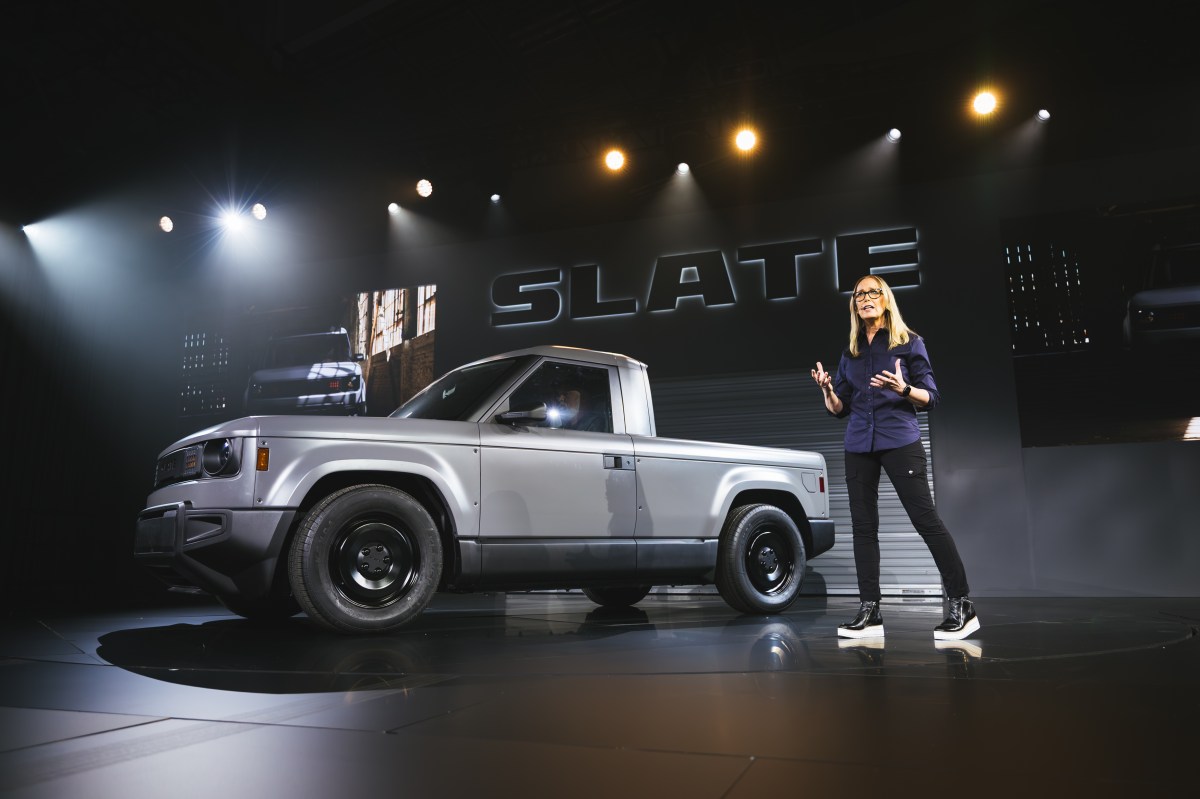
Slate has created a new truck focused on simple, practical design instead of complex technology. The truck can be customized by customers through interchangeable body panels and easy-to-apply wraps, allowing them to change the vehicle’s style and appearance over time.
Key Facts
Slate’s truck emphasizes practicality over high-tech features.
It is made in Warsaw, Indiana, and has a modular body that can transform into different styles like an SUV or open-top model.
Customers can buy extra panels to upgrade their truck when they want.
The truck has no paint and uses composite body panels designed for easy wrapping.
Users can personalize their truck by applying wraps themselves or through professionals in Slate’s network.
Customizing the front and main parts of the truck is encouraged to give buyers more choice.
Slate’s design approach removes unnecessary features to keep costs low and focus on core vehicle functions.
The truck’s price will be announced officially in late June but is expected to be affordable.
Read the Original
Want the full story? Tap a source to open the original
article.
Slate is a new electric vehicle (EV) company that launched its brand and cars in an unusual way by revealing multiple test vehicles in public without prior hints or traditional gradual marketing steps. The company focused on creating a strong identity and message while working quietly behind the scenes and used a small, dedicated team to build a brand centered on personalization, utility, and affordability.
Key Facts
Slate skipped the usual gradual marketing approach and revealed multiple EV test vehicles in Los Angeles at once.
The company worked in "stealth mode," keeping details secret until the public debut.
Slate’s marketing and public relations teams closely collaborated to create a unique brand identity before the launch.
Launching a new EV brand was challenging due to current skepticism about new car companies and EV makers.
Slate built a small internal team focused on brand values like personalization, usefulness, and affordability.
The company deliberately avoided focusing on luxury and high-tech features common in other EV brands.
Slate won Newsweek’s World’s Greatest Auto Disruptors Marketing Disruptor of the Year award.
Tight budgets led Slate to do much of the work themselves instead of spending heavily on advertising.
Read the Original
Want the full story? Tap a source to open the original
article.
A report from the American Hotel & Lodging Association (AHLA) shows that hotel bookings in US cities hosting the World Cup are much lower than expected. The AHLA blames FIFA for blocking many hotel rooms, causing high prices and many cancellations, which may reduce the expected economic benefits from the tournament.
Key Facts
The World Cup runs from June 11 to July 19 in various US cities.
The AHLA represents over 32,000 hotels and says bookings are far below predictions in most host cities.
FIFA sold over five million tickets but has canceled many hotel room bookings they had reserved.
FIFA booked many rooms early, causing artificially high prices and then canceling many, leading to lower availability now.
Hotel prices remain high, over $300 a night in some cities, which is too expensive for many fans.
Some fans are staying farther from city centers and renting cars to save money.
FIFA rejects AHLA’s claims and says it followed normal procedures with hotel partners.
A FIFA study predicted the World Cup would add $17.2 billion to the US economy and create 185,000 jobs, but lower hotel bookings could reduce this impact.
Read the Original
Want the full story? Tap a source to open the original
article.
Antonio Filosa is the CEO of Stellantis, a car company formed by merging PSA Group and Fiat Chrysler Automobiles. He has spent his first year fixing the company’s problems, such as falling profits and weak dealer relationships, by improving operations and product plans.
Key Facts
Stellantis was created by merging two car companies: PSA Group and Fiat Chrysler Automobiles.
Antonio Filosa became CEO after 26 years in the car industry, starting in manufacturing.
Before becoming CEO, he worked in many roles, including logistics, marketing, purchasing, and product development.
Filosa has worked in different countries like Spain, Italy, Brazil, Argentina, and the United States.
When Filosa led the Argentina business unit, he managed operations during economic troubles like hyperinflation and trade difficulties.
Stellantis faced falling profits, high dealership stock, and losing market share in the US before Filosa took over.
Filosa’s work focused on improving product plans, dealer relations, and regional company operations.
Read the Original
Want the full story? Tap a source to open the original
article.
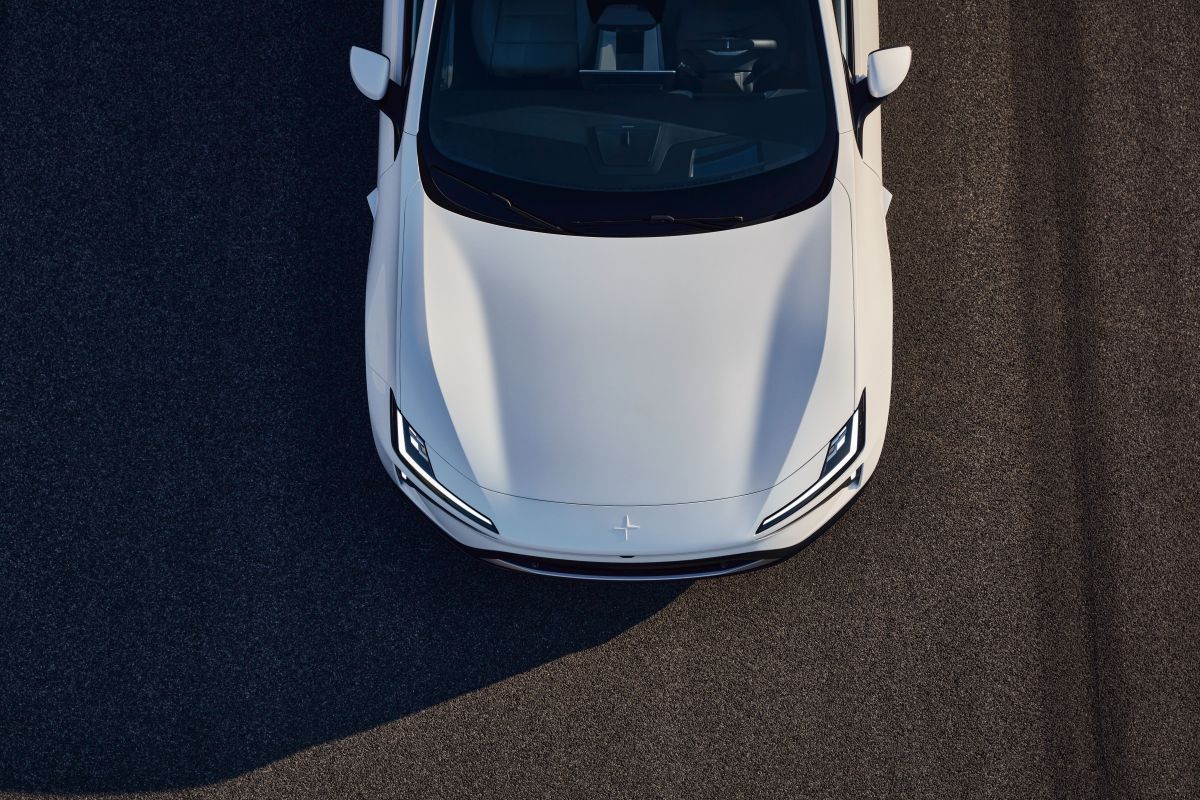
Polestar, a Swedish electric car maker, is marketing its vehicles as an alternative to Tesla, highlighting its unique features. The company reported record sales growth in 2025 but still sells far fewer cars than Tesla. Polestar’s CEO criticizes the European Union for unclear and changing policies on electric vehicles.
Key Facts
Polestar is a Swedish company that makes battery-electric cars.
The CEO, Michael Lohscheller, is openly comparing Polestar cars to Tesla’s in advertising.
Polestar sold 60,119 cars in 2025, a 34% increase from 2024, and sales grew 7% in Q1 2026.
Tesla sold over 1.6 million vehicles in 2025, much more than Polestar.
Polestar will have four car models globally by mid-2026: Polestar 2, 3, 4, and 5.
Lohscheller previously worked at Opel, VinFast, and Nikola Motor before joining Polestar.
He criticizes the EU for reversing and confusing its climate and electric vehicle policies.
Polestar offers trade-in incentives to Tesla owners to encourage switching to its cars.
Read the Original
Want the full story? Tap a source to open the original
article.
Slate is a new car company aiming to make affordable electric vehicles (EVs) made in America. The company’s president, Chris Barman, leads efforts to build and sell a simple, reasonably priced EV for middle-class families. Slate plans to start production in Indiana and sell its cars differently than traditional automakers.
Key Facts
Slate began as Project Re:Car, focused on creating affordable vehicles like old models such as the Ford Model T.
The company makes one basic version of the car that customers can add accessories to after purchase.
Chris Barman is the president and has been deeply involved in the development, manufacturing, and launch plans.
Slate’s factory is located in Warsaw, Indiana.
The company aims to produce affordable cars with fewer features and less complexity to keep costs low.
Slate uses a faster, more flexible approach than traditional automakers like Ford and General Motors.
Slate plans to avoid selling cars through regular dealerships, using a different sales strategy.
The first vehicle is expected to come to market later in 2024.
Read the Original
Want the full story? Tap a source to open the original
article.
President Donald Trump visited China with top business leaders aiming for deals and investments. During the trip, filmmaker Brett Ratner scouted locations for the movie Rush Hour 4, marking a potential Hollywood return to large-scale filming in China after many years and challenges caused by COVID-19 and stricter Chinese regulations.
Key Facts
President Donald Trump traveled to China with business leaders like Elon Musk and Nvidia's Jensen Huang.
Brett Ratner used the trip to scout locations for Rush Hour 4, a sequel planned for nearly 20 years.
Paramount approved Rush Hour 4 after Trump reportedly asked Larry Ellison to help revive the movie franchise.
Rush Hour 4 will be Ratner’s first narrative film since 2017 when his career stalled amid misconduct allegations.
This film marks Hollywood’s first major filming project in China since 2014’s Transformers: Age of Extinction.
Before COVID-19, China was a key market for Hollywood movies, often creating content tailored for Chinese audiences.
Since the pandemic, tighter Chinese government controls and worse U.S.-China relations have reduced Hollywood’s market share in China.
Hollywood’s box office earnings in China have significantly dropped, with fewer movies making over $200 million in recent years.
Read the Original
Want the full story? Tap a source to open the original
article.