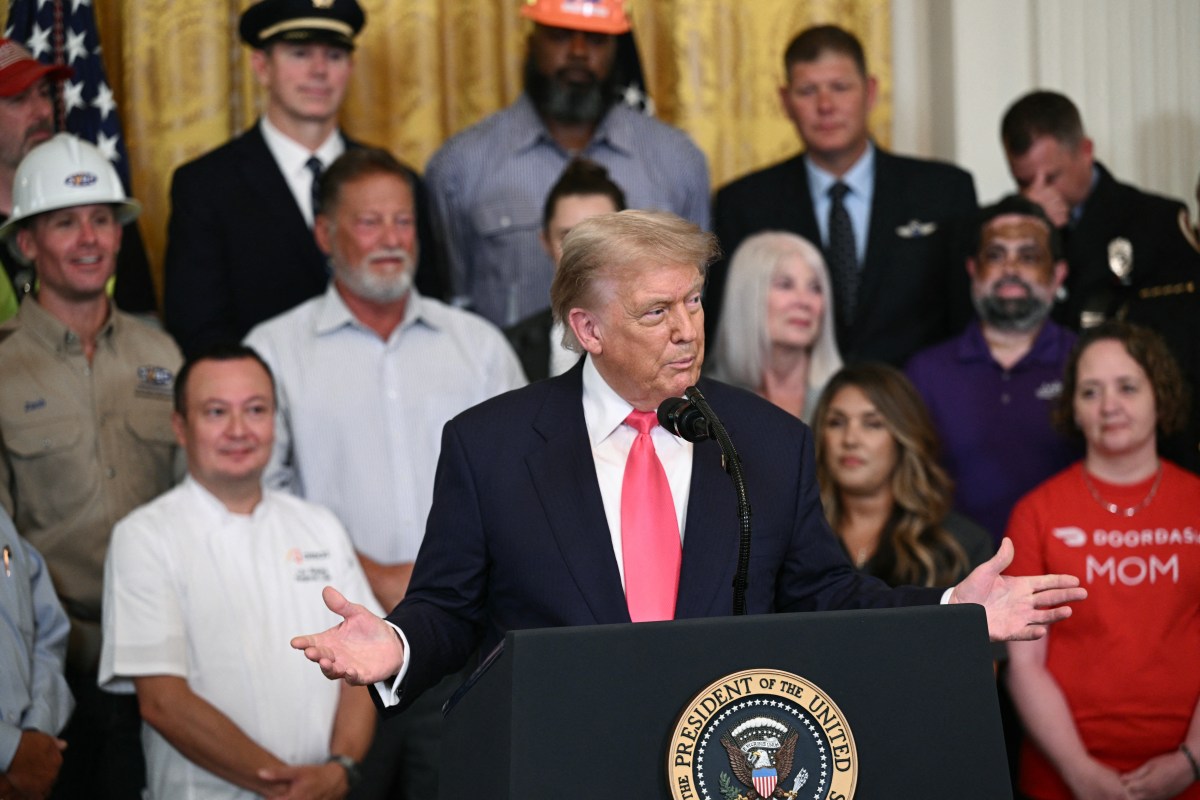
The 2025 Tax Relief Bill is helping millions of Americans keep more of their money through larger tax refunds and new deductions. The bill is also encouraging big companies to invest more in the U.S., creating tens of thousands of new jobs and supporting innovation.
Key Facts
Over 95 million Americans have received tax refunds totaling more than $312 billion this year, up 17.8% from last year.
More than 90% of tax filers used at least one new tax cut from the bill.
A study found companies plan to create over 37,000 new jobs due to the bill.
Seventeen companies announced 23 investments totaling over $2.1 billion after the bill passed.
Honeywell is seeing increased business jet sales partly because of a tax rule allowing immediate deduction of new equipment costs.
Procter & Gamble is bringing 100 jobs to Iowa City by moving manufacturing back to the U.S.
Johnson & Johnson plans to invest $55 billion in U.S. manufacturing and research over four years, citing the tax bill as a key reason.
The bill removed a tax rule that discouraged U.S. research, leading companies like General Mills and IBM to invest in new research centers focused on advanced technology.
Read the Original
Want the full story? Tap a source to open the original
article.
Kelly Kershaw, a cashier at Nationwide Building Society in Caernarfon, was sentenced to 16 months in prison for stealing money from vulnerable customers. She forged signatures and withdrew cash without permission, funding expensive holidays shown on her Facebook posts.
Key Facts
Kelly Kershaw stole at least £8,605 from customers over 12 months.
Her victims included elderly people and a man with learning disabilities.
She worked at Nationwide in Caernarfon, Gwynedd.
Colleagues noticed her holiday photos on Facebook, which led to an internal investigation.
Kershaw admitted five counts of fraud.
She took money by logging larger withdrawals than requested and pocketing the difference.
Nationwide has reimbursed the victims.
A future court hearing will decide how much money Kershaw must pay back.
Read the Original
Want the full story? Tap a source to open the original
article.
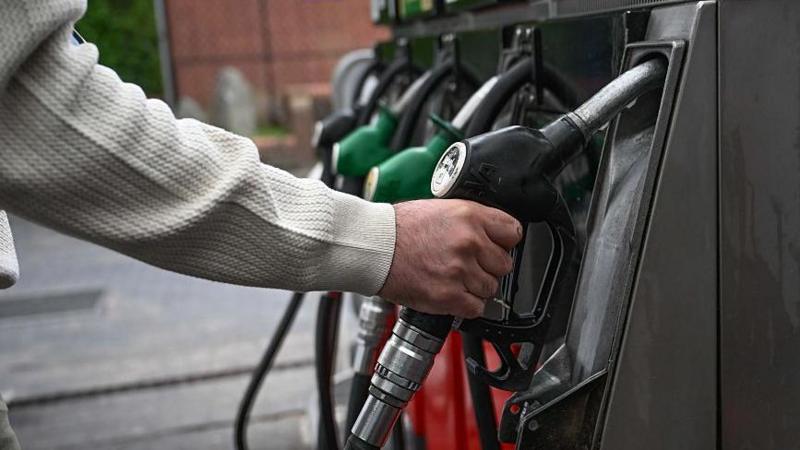
European airlines may start using US-made jet fuel to help with jet fuel shortages and high prices caused by the war between the US, Israel, and Iran. Aviation groups say US jet fuel is similar enough to European fuel, but special safety rules would need to be followed.
Key Facts
The war involving the US, Israel, and Iran has caused jet fuel prices in Europe to rise sharply.
Europe usually imports a type of jet fuel called Jet A-1 from the Gulf region, but these supplies have dropped.
The US mainly produces Jet A fuel, which is slightly different but still a form of kerosene.
Using US Jet A fuel in Europe could help reduce fuel shortages if managed carefully.
The European Aviation Safety Agency gave guidelines to ensure safety when using US jet fuel in Europe.
Jet A fuel has a higher freezing point than Jet A-1, but North American airlines use additives and planning to operate safely in cold regions.
British Airways' parent company said current fuel supplies are fine but could be limited if the Middle East conflict continues.
Increased US shipments have helped fill some of the supply gap in Europe, but US refineries can only produce limited amounts of Jet A-1 fuel.
Read the Original
Want the full story? Tap a source to open the original
article.
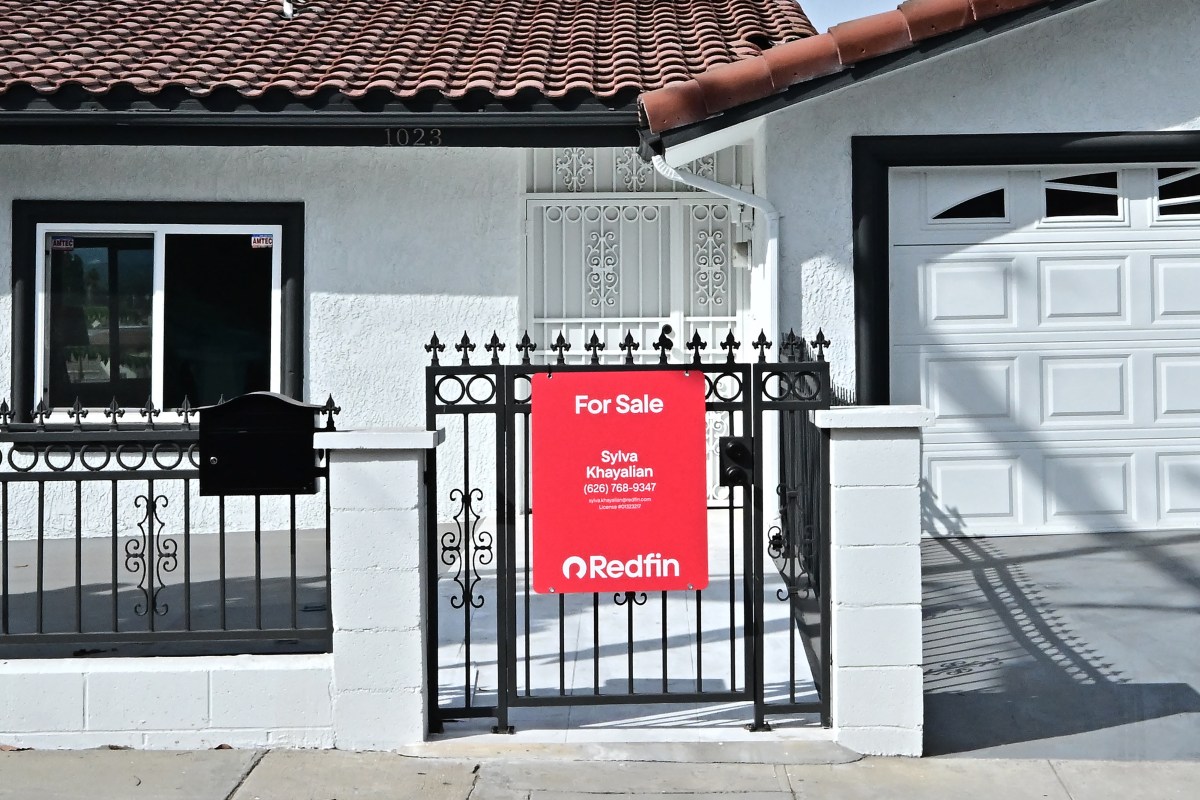
Pending home sales in the U.S. rose to their highest level since September 2022, showing signs of increased market activity in early May 2026. This increase happened alongside a small drop in the typical monthly mortgage payment, which has encouraged some buyers to return despite higher home prices.
Key Facts
Pending home sales increased by 7.7% compared to the same period in 2025, reaching 340,101 sales in early May 2026.
The median home sale price rose by 1.9% from 2025 to $394,803.
The median monthly mortgage payment dropped by 2.2% to $2,606 at a 6.3% mortgage interest rate.
Mortgage rates had recently peaked at 6.46% before declining slightly.
The biggest sales increases were in Chicago (19.2%), Pittsburgh (16.5%), San Francisco (15.2%), Miami (15%), and Austin (14.6%).
Sales decreased in Houston, Detroit, Seattle, and Warren, Michigan, mainly due to affordability and local price trends.
The typical U.S. home took 43 days to go under contract, three days longer than a year ago, showing slower market competition.
Only 26.4% of homes sold above asking price, the lowest rate for this spring season in at least five years.
Read the Original
Want the full story? Tap a source to open the original
article.
US farmers in the central and southern Great Plains, especially in Kansas and Oklahoma, are facing severe losses in their wheat crops due to extreme heat, drought, and erratic temperatures during the 2025-2026 growing season. The unusual weather, linked to climate change, has caused crop yields to drop dramatically, with some farmers deciding not to harvest damaged fields.
Key Facts
Merrill Nielsen, a Kansas wheat farmer, expects only about 2 bushels per acre this year, compared to the usual 40-50 bushels.
Kansas, Oklahoma, Texas, Colorado, and Nebraska grow most of the US hard red winter wheat.
Kansas and Oklahoma experienced their second-warmest year from March 2025 to March 2026, with March temperatures 10-11°F above normal.
About 44% of Kansas’s and 49% of Oklahoma’s wheat crops are rated in very poor to poor condition.
Climate experts say the March heat would have been nearly impossible without the influence of climate change.
Some farmers in north-central and northwest Kansas have already decided to abandon their crops.
Rainfall has been minimal in the spring, and forecasts predict below-average rain through July.
Wheat can recover somewhat with rain, but the ongoing drought may continue to limit yields.
Read the Original
Want the full story? Tap a source to open the original
article.
The chief executive of South East Water, David Hinton, has announced he will step down this summer after major water supply failures affected customers in Kent and Sussex. His resignation follows the recent departure of the company’s chairman and a critical report by UK MPs blaming leadership problems for the outages.
Key Facts
David Hinton joined South East Water’s board in 2013 and will stay for a smooth leadership change.
The company faced serious water supply outages from November to January, affecting thousands of customers.
The chairman, Chris Train, resigned last week after MPs expressed no confidence in the company’s leadership.
MPs on the Environment, Food and Rural Affairs (Efra) committee criticized the company’s poor response and leadership.
The outages were caused by neglected infrastructure, poor risk management, and lack of investment.
South East Water was slow to restore water, communicated poorly with customers, and did not provide enough emergency water supplies.
Community groups and MPs had called for the CEO’s resignation to improve leadership and protect customers.
The interim chair of South East Water thanked Hinton for his service while emphasizing the need for new leadership.
Read the Original
Want the full story? Tap a source to open the original
article.
The parent company of British Airways, International Airlines Group (IAG), warned that higher jet fuel costs due to the Iran war will reduce its profits this year. Fuel expenses are expected to rise by about €2 billion, and while IAG plans to manage some of these costs through increased revenue and cost controls, the situation may lead to fewer flights and potential fuel shortages.
Key Facts
IAG expects to spend about €9 billion on fuel this year, up from earlier estimates of €7.1 billion.
The company has hedged 70% of its fuel needs to protect against price changes.
Higher fuel prices, rising from $72 to over $100 per barrel, are linked to the Iran war.
IAG forecasts lower profits this year due to increased fuel costs.
Around 2 million airline seats worldwide have been cut because of soaring jet fuel prices.
London Heathrow saw only a small net reduction of 111 flights despite global cuts.
The UK is highly vulnerable to jet fuel shortages due to high import needs and low reserves.
IAG reported a 77% increase in pre-tax profits to €422 million for the first quarter of the year.
Read the Original
Want the full story? Tap a source to open the original
article.
David Hinton, the chief executive of South East Water, has resigned after the company faced serious water supply problems affecting tens of thousands of people. He will stay in his role for a short time to help with a smooth transition, following previous resignations and criticism over the supply failures.
Key Facts
David Hinton, CEO of South East Water, decided to step down but will remain during a transition period over the summer.
South East Water experienced severe water supply failures in Kent and Sussex, impacting around 24,000 homes in late 2023 and up to 30,000 homes shortly after.
The supply issues caused disruptions such as loss of water and low water pressure for customers.
Several Members of Parliament called for Hinton’s resignation due to these failures.
Chris Train, the chair of South East Water, resigned one week before Hinton after a critical report by a select committee.
Interim chair Lisa Clement thanked Hinton for his many years of service to the company.
The company emphasized its priority is to restore a reliable water supply for its customers.
Read the Original
Want the full story? Tap a source to open the original
article.
UK house prices fell for the second month in a row in April, causing Halifax to cut its annual growth forecast by half due to effects from the Middle East conflict. Rising energy costs and higher mortgage rates have made borrowing more expensive, leading to fewer homebuyers and slower market activity.
Key Facts
UK house prices dropped 0.1% in April, following a 0.5% fall in March.
Halifax lowered its forecast for yearly house price growth to 0.4% from 0.8%.
Higher energy prices linked to the Middle East conflict have increased inflation expectations.
Average two-year fixed mortgage rates rose to 5.77% in April from 4.83% in March.
The market faces a gap between seller price expectations and buyer willingness to pay.
Nationwide showed house prices rose 0.4% in April and 3% year-over-year, differing from Halifax’s data.
The conflict has created uncertainty, causing mixed signals in the housing market’s direction.
Mortgage affordability in the UK is at its hardest level since 2008 due to these factors.
Read the Original
Want the full story? Tap a source to open the original
article.
A home baker in Nottinghamshire closed her cake shed because the local council requires a street trading licence costing over £1,000. The council says the licence is needed to ensure safety and fairness, but some bakers say the fee is too high for small, local businesses.
Key Facts
Natalie Brook sold cakes from a shed in her garden since January.
Bassetlaw District Council says cake sheds need a street trading licence costing £1,007.
Without the licence, cake sellers could face fines of £1,000.
The council’s rule applies to cake sheds to cover food safety and neighborhood concerns.
Natalie believes the fee is too expensive for a small weekend business and has closed her shed.
She plans to try selling cakes by pre-order directly from her house instead.
Another baker, Sally Bruce, was told to stop trading without a licence and may apply despite the cost.
The council consulted on the policy for two years and offers cheaper six-month licences as alternatives.
Read the Original
Want the full story? Tap a source to open the original
article.
The war involving Iran has caused energy prices to rise sharply, benefiting some companies with big profits. Oil companies, banks, and defense firms have all earned more money because of the conflict and the resulting market changes.
Key Facts
The war disrupted oil and gas shipments through the Strait of Hormuz, pushing up energy prices.
European oil companies like BP, Shell, and TotalEnergies reported large profit increases in early 2026.
US oil companies ExxonMobil and Chevron had lower earnings than last year but still beat profit forecasts.
Major banks including JP Morgan, Bank of America, and Goldman Sachs saw profits rise due to increased trading.
JP Morgan’s trading division earned a record $11.6 billion in the first quarter of 2026.
Investors increased trading activity because of market uncertainty caused by the war.
Defense companies experienced higher demand as governments invested in missile defense and military equipment.
BAE Systems expects strong sales and profits due to the growth in security threats worldwide.
Read the Original
Want the full story? Tap a source to open the original
article.
Richard Lewer won the 2026 Archibald prize, a $100,000 award, for his portrait of Iluwanti Ken, a Pitjantjatjara elder and artist. The prize is given each year to the best portrait of a notable Australian, selected from over 1,000 entries and judged by the Art Gallery of New South Wales’ trustees.
Key Facts
Richard Lewer is a New Zealand-born artist based in Melbourne.
His winning portrait features Iluwanti Ken, a traditional healer and senior artist from South Australia.
The Archibald prize has been awarded annually since 1921 for portraits of important Australians in art, letters, science, or politics.
The 2026 prize had 1,034 entries, with 59 finalists shortlisted.
Other finalists included portraits of musicians, actors, and journalists like Daniel Johns and Virginia Trioli.
The Wynne prize for landscape and figurative sculpture, worth $50,000, was awarded to Gaypalani Waṉambi for The Waṉambi tree.
The Sulman prize, of $40,000 for genre and subject painting, went to Lucy Culliton for her painting of a greyhound named Toolah.
The prizes were presented at the Art Gallery of New South Wales.
Read the Original
Want the full story? Tap a source to open the original
article.
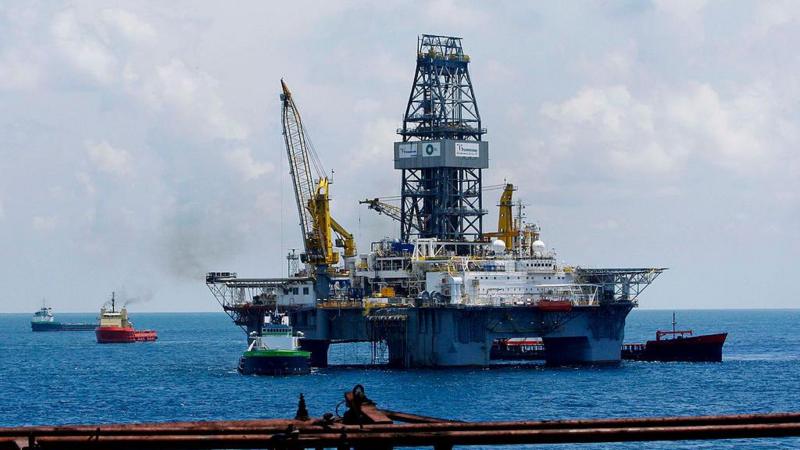
Oil prices increased after the US and Iran exchanged fire in the Strait of Hormuz, a vital waterway for global oil shipments. The US military said it responded to attacks by Iran while its ships were leaving the area, raising concerns about regional security and oil supply.
Key Facts
The US and Iran exchanged fire in the Strait of Hormuz, a key route for world oil shipments.
The US military described the Iranian attacks as "unprovoked" and used self-defense strikes in response.
Brent crude oil prices rose by 2.3% to $102.40 per barrel, and US crude rose 2.1% to $96.80 per barrel after the incident.
President Donald Trump extended a ceasefire with Iran on April 21 to allow more time for peace talks.
The US and Israel attacked Iran starting February 28, triggering the ongoing conflict.
Iran threatened to attack ships passing through the Strait of Hormuz in response to the strikes.
More than 20% of the world’s oil and gas shipments pass through this waterway, making it very important for energy supply.
Read the Original
Want the full story? Tap a source to open the original
article.
The movie "28 Years Later: The Bone Temple," released in January 2026, earned only $58 million worldwide, much less than its predecessor "28 Years Later," which made $151 million. The director, Nia DaCosta, said the movie's poor performance was mainly because people were confused about it being a sequel so soon after the first film.
Key Facts
"28 Years Later: The Bone Temple" came out six months after "28 Years Later," causing audience confusion.
The sequel made about $58 million globally, roughly a third of the original film’s $151 million earnings.
Director Nia DaCosta blamed marketing and scheduling for the low box office results.
Despite the low earnings, the sequel has a 92% positive score on Rotten Tomatoes, higher than the previous film’s 88%.
Sony planned to decide on making a third film based on the success of this sequel, but the poor box office puts that in doubt.
The film’s ending hints at a third installment featuring character Jim, played by Cillian Murphy.
Screenwriter Alex Garland is busy directing the movie "Elden Ring," scheduled for 2028.
Cillian Murphy has expressed interest in completing the trilogy.
Read the Original
Want the full story? Tap a source to open the original
article.
The West Health Accelerator launched as a partnership between West Health and the American Hospital Association to help hospitals use existing health technology more effectively. The program focuses on improving electronic health records, virtual care, and artificial intelligence in healthcare, aiming to turn pilot projects into widespread use despite challenges in decision-making and coordination.
Key Facts
The West Health Accelerator is a collaboration between West Health and the American Hospital Association.
It aims to close the gap between health care innovation and actual use in hospitals.
The focus areas are electronic health records (EHR) optimization, virtual care, and AI implementation.
The program uses beacon sites to test ideas and support from companies like Epic.
Many health system leaders find changing processes slow and difficult due to competing priorities and fragmented management.
Leaders tend to prefer small, safe improvements rather than shared risks in big changes.
The Accelerator encourages hospitals to work together and learn from each other's experiences.
Hospitals can get involved by visiting nationalaccelerator.org.
Read the Original
Want the full story? Tap a source to open the original
article.
More employers are looking for job candidates who have skills in artificial intelligence (AI). A survey found that 80% of hiring managers see AI skills as important for jobs in 2025.
Key Facts
80% of hiring managers say AI skills will be a priority in 2025.
The data comes from research by Resume Genius.
Jobs are changing because of the growing use of AI technology.
Workers familiar with AI have better chances to be hired.
The article was reported by CBS News MoneyWatch.
AI stands for artificial intelligence, which means computers doing tasks that usually need human thinking.
More companies want employees who understand and can use AI tools.
Read the Original
Want the full story? Tap a source to open the original
article.
Health care systems are rethinking how they present themselves to patients to better meet rising expectations. Patients want not only excellent medical care but also a smoother, more personal experience throughout their visits.
Key Facts
Health systems are focusing on their brand identity to connect better with patients.
Patients expect simple and smooth experiences, but often face complexity like repeating personal information.
Small issues like billing errors or parking problems can negatively affect the patient experience.
Providing high-quality medical care is essential but not enough; patients want the whole experience to feel caring and personalized.
Health care providers are learning from other industries, like hotels, to improve patient interactions.
The goal is to make patients feel comfortable and confident about their care choice.
A recent webinar discussed these challenges and ways to create stronger health care brands.
Read the Original
Want the full story? Tap a source to open the original
article.
A U.S. trade court ruled that President Trump's latest 10% tariffs are illegal because the law does not give him unlimited power to impose them. However, the tariffs will likely stay while the administration appeals and may be replaced by new tariffs before they expire in July.
Key Facts
The Court of International Trade said President Trump’s use of a 1974 trade law to impose 10% tariffs was not allowed.
These tariffs were created after the Supreme Court struck down earlier tariffs in February.
The law allows temporary tariffs up to 15% for up to 150 days to fix serious balance-of-payments problems.
The court said the president cannot decide too broadly what counts as a balance-of-payments deficit to impose tariffs anytime.
Small businesses challenged the tariffs, arguing they harm their operations.
Most state attorneys general were dismissed from the case because their harm was too indirect.
The administration plans to appeal the ruling and may use other trade tools (Section 301 investigations).
The current tariffs expire in July, but new tariffs might be put in place before then.
Read the Original
Want the full story? Tap a source to open the original
article.
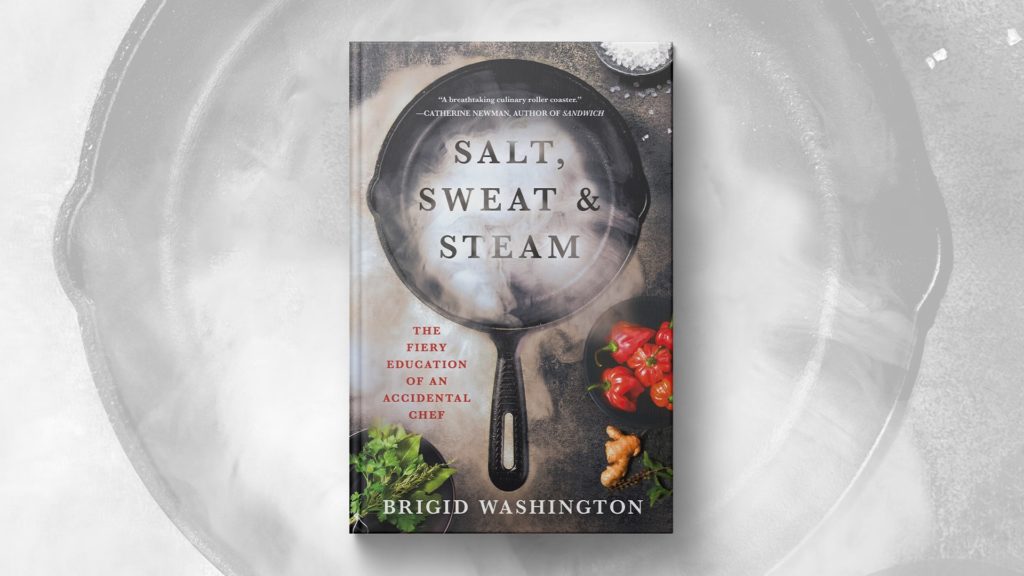
Brigid Washington wrote a memoir called "Salt, Sweat & Steam" that tells the story of her unexpected path into cooking. The book focuses on her experiences with loss, uncertainty, and finding her identity through food.
Key Facts
The memoir is titled "Salt, Sweat & Steam."
Brigid Washington shares her journey to becoming a chef.
Her story includes themes of loss and uncertainty.
The book explores questions about her identity.
Food is shown as a way to survive and express culture.
Geoff Bennett interviewed Washington about her book.
The conversation was part of a series called CANVAS focused on arts and culture.
Read the Original
Want the full story? Tap a source to open the original
article.