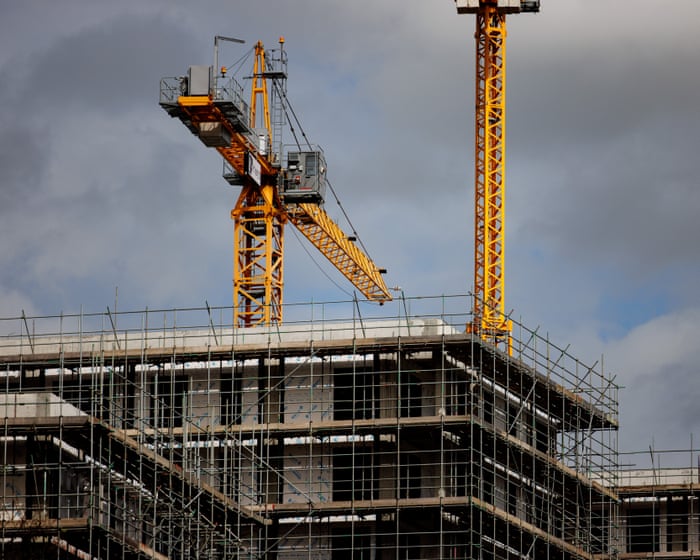
Construction companies in the UK are facing the highest increase in costs in nearly 30 years, mainly due to the war in Iran pushing up prices for fuel and materials. The construction sector is also shrinking, with fewer new projects and lower demand, which is causing some companies to warn about lower profits.
Key Facts
UK construction input costs rose sharply in April, the biggest jump since June 2022.
Higher fuel costs from the war in Iran and a shipping blockade are driving up prices for materials.
The UK construction purchasing managers’ index (PMI) fell to 39.7 in April, showing the sector is shrinking.
Readings above 50 on the PMI mean growth; below 50 means contraction; the sector has not grown since January 2023.
Construction makes up about 7% of the UK economy and employs over two million people.
Many construction firms are losing staff and seeing slower new project starts.
UK housebuilders Crest Nicholson and Berkeley issued profit warnings because of higher costs and lower demand.
Builders’ merchant Travis Perkins reported a 1.7% drop in revenue due to weak construction activity in early 2024.
Read the Original
Want the full story? Tap a source to open the original
article.
Apple has agreed to pay $250 million to settle a lawsuit about false advertising. People who bought an iPhones recently might be able to get some money back from this settlement.
Key Facts
Apple settled a lawsuit for $250 million.
The lawsuit involved claims of false advertising by Apple.
The settlement affects people who bought iPhones recently.
Eligible buyers may receive money back from the settlement.
The details on how to claim the money will be explained by CBS News.
The case resolved concerns about Apple’s marketing practices related to iPhones.
This is a financial settlement, not a criminal penalty or government fine.
Read the Original
Want the full story? Tap a source to open the original
article.
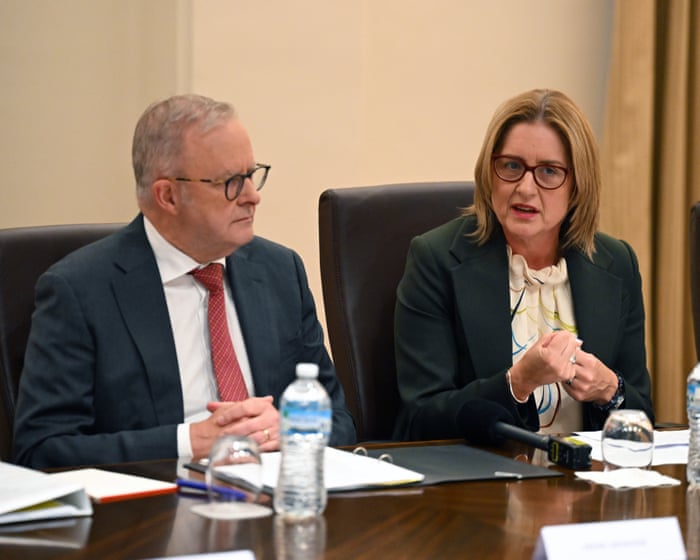
The federal government will add $3.8 billion to the funding for Melbourne’s Suburban Rail Loop, a 90-kilometer underground train project. This brings total federal support to over $6 billion as the state and federal governments prepare for the upcoming Victorian state election.
Key Facts
The Suburban Rail Loop is a large underground train line planned to run 90 kilometers across Melbourne, from Cheltenham to Werribee and stopping at Melbourne Airport.
The federal government will invest an additional $3.8 billion over four years in the project, raising total federal contributions above $6 billion.
The Victorian state government has committed about $11.8 billion for the first stage, SRL East, a 26 km tunnel section between Cheltenham and Box Hill.
Construction contracts worth around $13 billion are already signed, including two major tunnelling contracts with a consortium led by John Holland.
The project was first promised before the 2018 election and has faced criticism over its cost, planning, and the secrecy surrounding its development.
The 2021 business case estimated the eastern section would cost up to $34.5 billion and be completed by 2035, with around 71,000 daily passengers expected in 2036.
Victoria’s independent budget office estimated total costs for the first two stages could reach $125 billion by 2085.
The federal opposition has criticized the funding shift towards the Suburban Rail Loop, claiming it harms other projects like the inland rail.
Read the Original
Want the full story? Tap a source to open the original
article.
A survey found that college students expecting to earn about $80,000 one year after finishing their bachelor's degree are overestimating their starting salaries by $24,000. This means the actual average salary for recent graduates is about $56,000.
Key Facts
College students think they will earn around $80,000 a year after graduating.
The true average starting salary is about $56,000.
Students overestimate their earnings by $24,000 on average.
The survey focused on students pursuing bachelor’s degrees.
The data highlights a gap between expectations and reality in early career pay.
Read the Original
Want the full story? Tap a source to open the original
article.
Oil prices fell below $100 a barrel after President Donald Trump said a deal between the US and Iran to end their conflict is “very possible.” Markets reacted to hopes that the Strait of Hormuz, a key oil shipping route, might reopen soon, helped by a peace proposal sent through Pakistan.
Key Facts
Brent crude oil price dropped about 3% to $98.30 a barrel, near a two-week low.
Oil prices fell because the risk of long disruption in the Strait of Hormuz seems lower now.
The US sent a one-page peace proposal to Iran through Pakistan, seeking to end the conflict.
Iran has not yet agreed but is expected to respond soon; nuclear talks may follow.
Pakistan’s foreign ministry is optimistic that a deal could happen soon.
The UK pound slightly strengthened against the US dollar amid hopes for a US-Iran peace deal.
The Iran conflict is affecting global energy prices and causing concern for economic growth worldwide.
Some central banks, like Malaysia’s, are keeping interest rates steady while monitoring the situation.
Read the Original
Want the full story? Tap a source to open the original
article.
STV, a Scottish broadcaster, faces strike action from staff upset over a company-wide pay freeze during a drop in company income. The strike will affect coverage of Scotland’s election counts, as employees protest job cuts and reduced news coverage in some regions while STV invests in launching a new radio station.
Key Facts
Around 120 STV journalists and technical staff plan to strike on Friday over pay and job concerns.
STV imposed a pay freeze after its revenues fell by 6% last year, with advertising revenue dropping 10%.
STV cut staff numbers and reduced news coverage in northern Scotland to save money.
The company is investing in a new commercial radio station and digital projects to diversify beyond traditional TV.
STV’s chief executive said a pay raise in 2026 would risk further cost cuts and job losses, so the freeze aims to protect jobs.
The media regulator delayed approval of STV’s merger plans until after the election but is expected to approve them with minor changes.
STV faces pressure from big media companies like Comcast and ITV after a fall in its share price.
STV said it regrets the strike’s impact on audiences and wants to keep negotiating with unions.
Read the Original
Want the full story? Tap a source to open the original
article.
The conflict in Iran has caused oil prices to rise sharply, leading to big profits for oil companies. Experts worry these profits could slow down efforts to switch to cleaner energy by encouraging more oil production and giving oil companies more money to influence politics.
Key Facts
The Iran war disrupted oil supplies, raising energy prices worldwide.
Major oil companies like ConocoPhillips and Valero Energy reported big increases in profits in early 2026.
Some oil giants like ExxonMobil and Chevron expect higher profits soon, despite recent drops.
Gasoline prices in the US reached $4.52 per gallon, the highest since July 2022.
President Trump downplayed concerns about rising gas prices and supports the oil industry.
Trump’s administration ended a ban on exporting liquefied natural gas (LNG), which affected US gas prices.
Oil companies are using their extra money to support political efforts that favor fossil fuels.
Critics say these trends make it harder to move toward renewable energy and lower costs for consumers.
Read the Original
Want the full story? Tap a source to open the original
article.
The Military Installation Development Authority in Utah approved a data center project in April. Kevin O’Leary responded to protests against the new data center in the state.
Key Facts
The data center project was approved by Utah’s Military Installation Development Authority.
Approval took place in April.
Kevin O’Leary spoke out in reaction to protesters opposing the data center.
The protests are about concerns related to the data center in Utah.
The article focuses on the development and public response to the data center project.
Read the Original
Want the full story? Tap a source to open the original
article.
Alison Roman is a popular cookbook author and chef who has built a large following through social media and cookbooks. She recently opened a grocery store and continues to produce cookbooks, podcasts, and newsletters, while also balancing her new role as a mother.
Key Facts
Alison Roman began working in restaurants at age 19 after dropping out of college.
She started at Bon Appétit in 2012 as a recipe tester before gaining popularity online.
Roman has 800,000 Instagram followers and nearly 300,000 YouTube subscribers.
Her first cookbook, Dining In (2017), featured viral recipes like salted chocolate chunk shortbread cookies.
She has written several cookbooks, including Nothing Fancy (2019), Sweet Enough (2023), and Something from Nothing (2023).
Roman opened a grocery store called First Bloom in the Western Catskills, selling her own tomato sauce.
She became a mother in 2023 and balanced parenting with finishing her latest cookbook.
Roman chooses not to use AI for writing because she sees writing as a personal, emotional process.
Read the Original
Want the full story? Tap a source to open the original
article.
This article compares two popular strollers, the Stokke YoYo and the Nuna Swiv, focusing on their features, costs, and suitability for different lifestyles. The author, a first-time mother living in New York City, explains the pros and cons of each stroller based on her personal experience and lifestyle needs.
Key Facts
The Stokke YoYo stroller costs about $500, while the Nuna Swiv stroller costs about $1,000.
The Stokke YoYo is lightweight, easy to fold, has a shoulder strap, and is compact for small car trunks.
The Stokke YoYo stroller cannot move side-to-side, has a fixed handle, no car seat attachment, and a small storage basket.
The Nuna Swiv stroller can move side-to-side, has a handle with three adjustable positions, an option for car seat attachment, and a large storage basket.
The Nuna Swiv is heavier, larger, and more expensive compared to the Stokke YoYo.
The author prefers the Stokke YoYo for city life because it is easier to carry on stairs and use on public transit.
The smaller basket and no car seat attachment on the Stokke YoYo are drawbacks if you need to carry many items or use taxis often.
The Nuna Swiv is better for suburban use where there is car access and more space for storage.
Read the Original
Want the full story? Tap a source to open the original
article.
A study by Pew Research shows that in 2023, about 51% of Americans lived in middle-class households, which is lower than the 61% reported in 1971. However, some states have seen their middle-class incomes grow, while a few states have seen declines.
Key Facts
In 2023, 51% of Americans lived in middle-class households.
This is a decrease from 61% in 1971.
Some states have experienced growth in middle-class income.
Two states have seen their middle-class incomes shrink.
The study focuses on income trends within middle-class households.
The changes show regional differences in economic conditions.
The middle class is defined by a specific income range based on household earnings.
The data helps understand economic shifts across the U.S. population.
Read the Original
Want the full story? Tap a source to open the original
article.
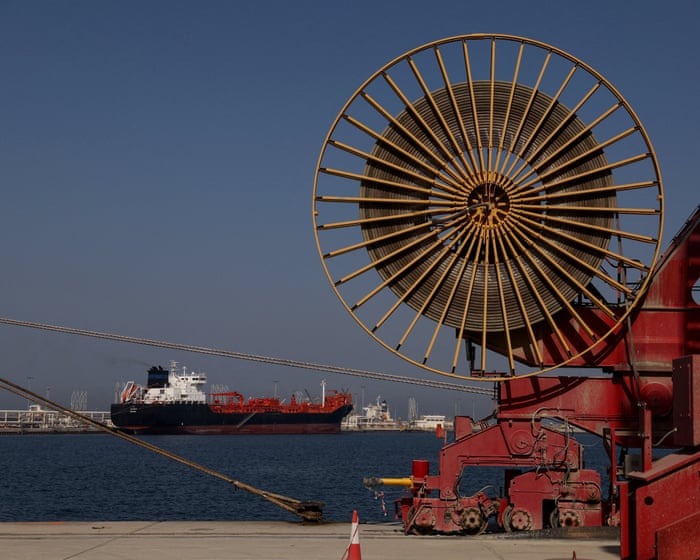
The CEO of Maersk said reopening the Strait of Hormuz will only have a small effect on shipping cargo flows. High fuel costs due to the closed strait have increased expenses for the shipping company, but it has passed these costs on to customers.
Key Facts
The Strait of Hormuz is a key shipping channel where about 20% of the world’s oil and gas usually passes.
The strait has been mostly closed since late February, causing fuel prices to rise sharply.
Maersk’s fuel bill nearly doubled, adding around $500 million in costs each month.
Maersk increased freight rates to cover higher fuel costs.
More than 800 ships and 20,000 crew members are stuck west of the strait due to the closure.
The US-flagged ship Alliance Fairfax recently passed through the strait safely with US military escort.
Maersk expects demand for shipping containers to grow by 2% to 4% this year, despite some revenue decline.
Maersk’s shares dropped by up to 4% in Copenhagen stock trading after the report.
Read the Original
Want the full story? Tap a source to open the original
article.
Private utility companies in the US are funding local groups to oppose efforts by cities to take control of their electric grids and create public power systems. Public power utilities are owned by local governments and usually have lower rates and better service, but private utilities risk losing profits if cities municipalize their power systems.
Key Facts
Many US communities want to create municipal utilities, which are locally owned and tend to have lower electricity bills.
Private utilities are secretly funding groups to discourage cities from switching to public power.
In Ann Arbor, Michigan, a local group opposing public power is actually funded by DTE Energy, the main private utility there.
DTE and other private utilities stand to lose billions if more cities municipalize their electricity grids.
Municipal utilities reinvest excess money into the grid or use it to lower customer bills, unlike private utilities that pay profits to investors.
The municipalization process requires cities to pay utilities for the infrastructure but allows local control of electricity.
Cities like Ann Arbor have tried other options, such as sustainable energy programs, but still rely on private utilities for their grid.
Some utilities use unusual tactics, like hiring canvassers from plasma donation centers, to fight public power campaigns.
Read the Original
Want the full story? Tap a source to open the original
article.
Shivon Zilis, a former OpenAI board member, testified in a lawsuit between Elon Musk and OpenAI that Musk wanted Tesla to take control of OpenAI by making it a subsidiary. The trial is about a dispute between Musk and OpenAI CEO Sam Altman over the company's direction and control.
Key Facts
Shivon Zilis testified in the trial involving Elon Musk and OpenAI.
She is a former board member of OpenAI and has a personal relationship with Musk.
Musk aimed for Tesla to become the parent company of OpenAI.
The lawsuit concerns Musk's disagreements with OpenAI leadership, including CEO Sam Altman.
Musk and Altman are involved in a legal battle over control and decisions about AI development.
The trial is taking place in California with a judge and jury present.
The case highlights tensions in the technology and artificial intelligence sector.
Read the Original
Want the full story? Tap a source to open the original
article.
Gas prices in the U.S. are unlikely to return to the low levels seen before the war until early or mid-2027, even if a peace deal with Iran is reached and the Strait of Hormuz reopens. Higher prices are due to slow recovery in global oil flow, production cuts, and the time it takes for fuel retailers to adjust prices.
Key Facts
The average U.S. price for regular gasoline was $4.54 per gallon, compared to just under $3 before the war.
If the Strait of Hormuz reopens, some gas price relief could happen within days, but full recovery will take months.
Analysts predict it may take until early or mid-2027 for gas prices to drop back to pre-war levels.
Oil producers in the Persian Gulf reduced output when export routes were cut, slowing price recovery.
Gas stations sell fuel bought at higher prices first, causing slow declines in retail prices even when oil prices fall.
The Strait of Hormuz’s future stability is uncertain because Iran might still threaten or disrupt its passage.
Experts suggest building pipeline networks to bypass the Strait and reduce future risks to oil supply.
A full reopening of the Strait and meaningful oil volume recovery might not happen before June, according to some analysts.
Read the Original
Want the full story? Tap a source to open the original
article.
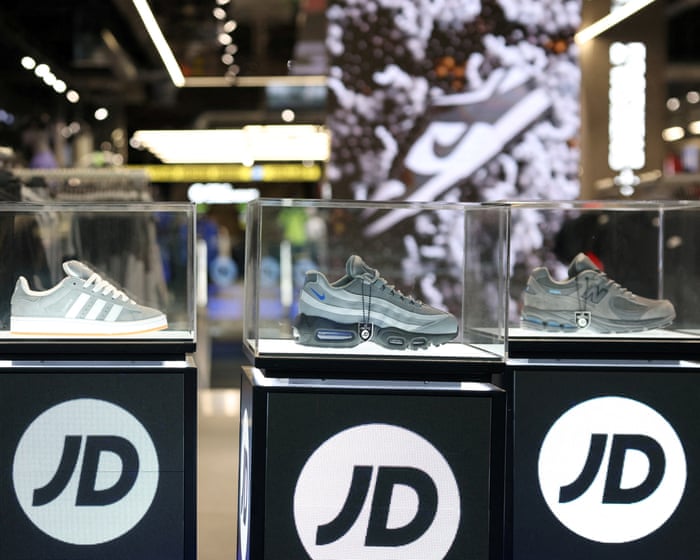
JD Sports expects lower profits this year because people, especially young customers, are spending less and because of concerns about the war in Iran. The company said the conflict might increase costs and prices, but there has been no direct effect on its stores yet.
Key Facts
JD Sports runs 4,800 stores worldwide, including JD, Blacks, and Millets in the UK.
The company forecasts profits between £750 million and £850 million this year, down from £852 million last year.
Sales were flat in the three months to April and rose 2.1% in the year ending January to £12.66 billion.
UK sales fell by 2.5%, while sales in Europe and the US grew.
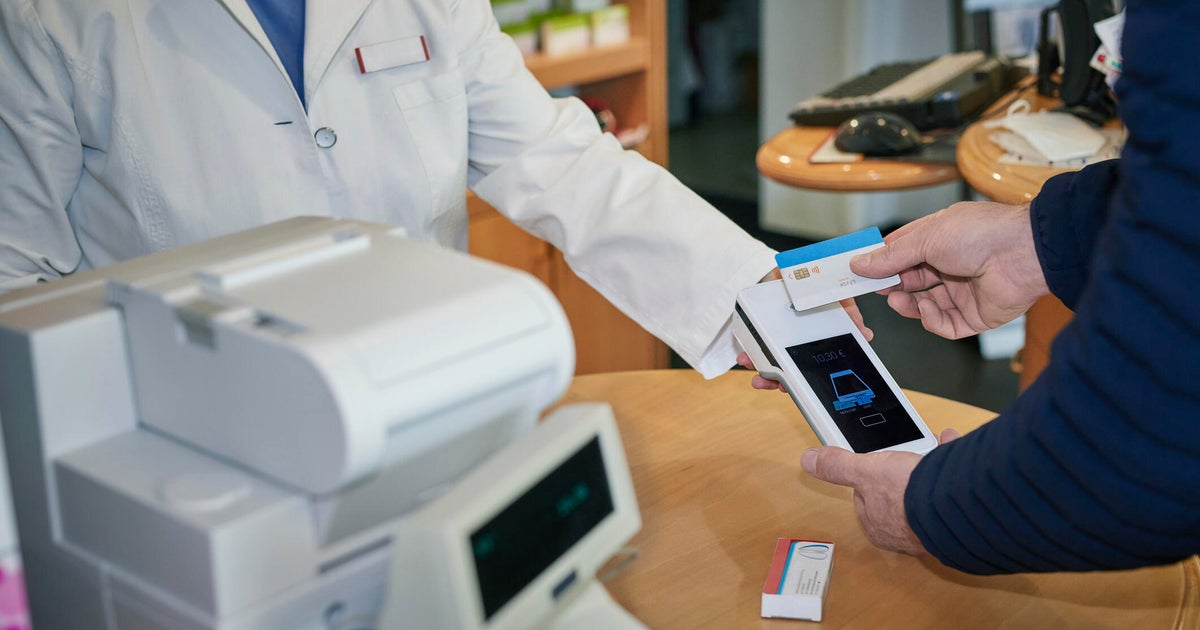
Pharmacy coupons offered by drug manufacturers can help patients save money on brand-name prescription drugs, especially for people without insurance. However, for those with commercial insurance, using these coupons can be complicated because they may lead to higher overall costs for insurers and consumers.
Key Facts
Drug manufacturers provide coupons to reduce the cost of brand-name drugs at the pharmacy.
These coupons differ from discount card services like GoodRx, which negotiate lower prices with drug sellers.
Coupons encourage patients to choose brand-name drugs over cheaper generic versions.
Patients with commercial insurance have used fewer manufacturer coupons recently, despite rising drug costs.
Insurance companies say coupons make them pay for more expensive drugs, raising premiums for everyone.
Uninsured patients can save money using coupons or programs like the federally funded TrumpRx.
TrumpRx offers coupons for about 85 drugs, but not all medications have coupon offers there.
For insured patients, using coupons can be helpful only if the drug is not covered by insurance or when paying cash.
Read the Original
Want the full story? Tap a source to open the original
article.
British Michelin-starred chef Jason Atherton is opening restaurants abroad, such as in Italy, to help support his UK businesses due to high taxes and difficult conditions in the UK hospitality sector. He says restaurants in the UK face higher taxes than in Europe, making it hard to make a profit and risking their survival.
Key Facts
Jason Atherton is opening a new restaurant in Italy called Maria’s, located in the Principessa hotel at Forte dei Marmi.
He has restaurants in various countries, including Dubai and St Moritz.
Atherton says UK restaurants face higher taxes, including a 20% VAT (value-added tax), which is the highest in Europe compared to Italy’s 10%.
Business rates (a type of local tax) have increased in the UK after Covid relief ended, adding about £32,000 extra in tax costs to the average restaurant.
Employer contributions to national insurance (a UK tax on wages) have risen for lower-paid workers, increasing labor costs for restaurants.
UKHospitality, an industry group, says UK restaurants are at a disadvantage due to these high taxes compared to European competitors.
Atherton is cautious about opening new UK venues and says some of his UK restaurants are losing money.
He strives to keep prices affordable, such as offering pints of beer for under £5 despite rising costs.
Read the Original
Want the full story? Tap a source to open the original
article.
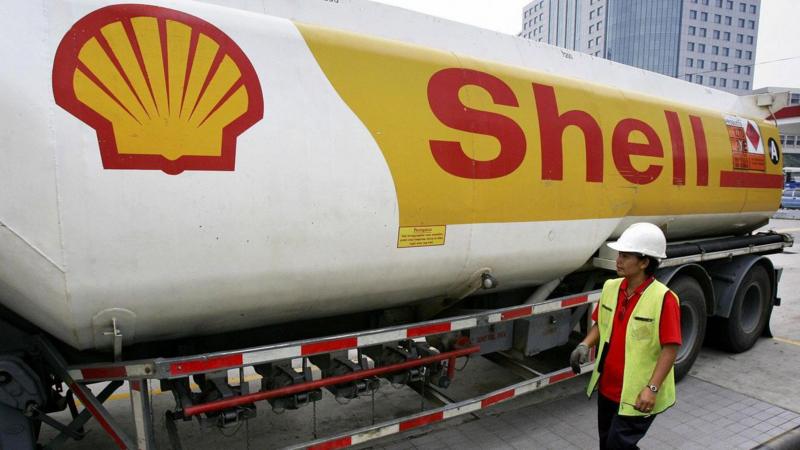
Shell's profits rose to $6.92 billion in the first three months of the year, helped by higher oil prices after the war involving Iran began. The conflict caused the Strait of Hormuz to close, reducing oil supply and raising prices, which also helped Shell's oil trading business make more money.
Key Facts
Shell earned $6.92 billion in profits from January to March 2024, up from $5.58 billion last year.
Oil prices rose sharply due to the war involving Iran and the closure of the Strait of Hormuz.
About 20% of the world's oil and natural gas usually passes through the Strait of Hormuz.
Rival company BP reported that its profits more than doubled in the same period.
Shell’s oil and gas production fell by 4% because its gas plant in Qatar was damaged during the conflict.
Shell’s profits were supported by gains in its oil trading business, which benefits from price changes.
Shell’s CEO Wael Sawan highlighted their focus on safe operations and working with governments amid energy market challenges.
Read the Original
Want the full story? Tap a source to open the original
article.
The federal and Victorian governments have approved a new gas drilling project called the Annie gasfield in the Otway basin, expected to start producing gas by 2028. Environmental groups warn this project could harm the ocean near the Twelve Apostles and slow down the shift to cleaner energy in Victoria.
Key Facts
The Annie gasfield project is located about 9 km off the coast near Peterborough and Port Campbell, close to the Twelve Apostles.
The project could produce up to 65 petajoules of gas, which is over one-third of Victoria’s yearly gas use.
Gas demand is falling as more people move to electric power, but some industries still need gas.
Environmental groups say the new gasfield risks the ocean environment and harms efforts to reduce carbon emissions.
Victoria aims to reach 95% renewable energy by 2035, but new fossil fuel projects may slow progress.
Victoria is the largest gas user in Australia, especially in manufacturing and industrial heating.
The Australian Energy Market Operator expects gas supply shortages to be delayed until 2029 due to new projects and less gas use.
The opposition plans to pause major renewable energy transmission projects and support urban solar farms instead of new power lines.
Read the Original
Want the full story? Tap a source to open the original
article.