Australia’s main banks have raised interest rates after the Reserve Bank of Australia (RBA) increased the cash rate to 4.35%. The federal government is preparing a budget with $74 million to combat terrorism and online threats amid concerns raised by the Middle East conflict and its effects on inflation and fuel prices.
Key Facts
The RBA increased the cash rate from 4.1% to 4.35%, marking the third hike in a row.
Macquarie Bank and Australia’s big four banks (Commonwealth Bank, NAB, Westpac, and ANZ) passed on the 0.25% rate rise to their home loan customers.
Prime Minister Anthony Albanese is leading talks with state and territory leaders about the international fuel crisis.
Australia currently has 43 days of petrol, 33 days of diesel, and 28 days of jet fuel supplies.
US President Donald Trump warned Iran against attacks in the Strait of Hormuz, where over 800 ships and 20,000 crew are stranded.
The government will allocate $74 million over two years to set up a national center to detect and disrupt online violent extremism and terrorism.
This center will coordinate efforts from ASIO (Australia’s security agency), federal police, state police, and international law enforcement.
The new capability will focus on monitoring and countering extremist threat online by tracking high-risk spaces and engaging covertly.
Read the Original
Want the full story? Tap a source to open the original
article.
Gas prices rose sharply last week but may drop significantly soon in five states. Other areas could also see lower gas prices because of changes in supply and demand.
Key Facts
Gas prices increased sharply in the previous week.
Experts expect prices to fall by double digits soon in five specific states.
The drop in prices is linked to changes in fuel supply and demand.
Other states might also experience a decrease in gas prices.
Factors affecting prices include regional fuel availability and transportation costs.
Consumers in affected states could save money on fuel soon.
The situation shows how quickly gas prices can change based on market conditions.
Read the Original
Want the full story? Tap a source to open the original
article.
The Equal Employment Opportunity Commission (EEOC) has filed a lawsuit against the New York Times, claiming the company did not promote a White male employee because of his race and gender. The EEOC says this breaks a federal law that bans discrimination based on race or sex in the workplace.
Key Facts
The EEOC sued the New York Times for not promoting a White male editor.
The EEOC says the decision violates Title VII of the Civil Rights Act of 1964, which forbids discrimination by race or sex.
The employee was an experienced real estate editor but was passed over for an editorial role.
The person hired was a White female with little to no real estate journalism experience, although that experience was required.
EEOC Chair Andrea Lucas stated all forms of race or sex discrimination are illegal, with no exceptions for diversity efforts.
The New York Times denied the claims, calling the lawsuit politically motivated and saying their promotions are based on merit.
This lawsuit follows other EEOC investigations targeting companies accused of discriminating against White workers.
The EEOC’s actions align with the Trump administration's approach to challenging diversity, equity, and inclusion programs.
Read the Original
Want the full story? Tap a source to open the original
article.
The European Union and Armenia held their first meeting focused on strengthening their partnership. They agreed to improve cooperation in transport, energy, and digital connections, even though Armenia still depends heavily on Russian energy and is part of a Russian-led economic group.
Key Facts
The EU and Armenia held their first bilateral summit.
They signed a new partnership to improve transport, energy, and digital links.
Armenia is shifting towards closer ties with the EU.
Armenia remains dependent on Russian energy supplies.
Armenia is a member of the Eurasian Economic Union led by Russia.
The summit marks a cautious move by Armenia to engage more with Western partners.
The new deals aim to boost economic cooperation between the EU and Armenia.
Read the Original
Want the full story? Tap a source to open the original
article.
A money market account with $150,000 can earn thousands in interest over a year at current rates around 3.9%. This type of account offers higher returns than regular savings accounts and allows easy access to funds without locking them in, but savers should also consider other investment options based on their personal financial goals.
Key Facts
Money market accounts currently offer about a 3.9% interest rate, much higher than the 0.38% rate of traditional savings accounts.
With $150,000 deposited at 3.9% interest, a saver could earn roughly $1,440 in three months and about $5,850 in one year, assuming rates stay the same.
Money market accounts allow check-writing and easy access to money, unlike certificates of deposit (CDs) that lock funds for a set time.
Interest rates on money market accounts can change over time because they have variable rates.
Alternatives to money market accounts include investing in real estate, stocks, bonds, or precious metals like gold and silver.
Choosing where to put $150,000 depends on a saver’s financial health, need for quick access to money, and long-term goals.
With inflation high and interest rates steady, money market accounts offer a relatively safe place to keep money while earning interest.
Savers should compare all options carefully before opening a money market account to ensure it fits their financial plan.
Read the Original
Want the full story? Tap a source to open the original
article.
The United States plans to raise tariffs on European Union cars to 25 percent, reversing a recent agreement to lower them to 15 percent. This decision mainly affects luxury carmakers from Germany, such as BMW, Mercedes, and Volkswagen, and is part of ongoing trade and security tensions between the US and Europe.
Key Facts
The US will increase tariffs on EU cars from 15% back up to 25%.
The original 25% tariff was set last year under Section 232, citing national security.
In August, the US and EU agreed to reduce these tariffs to 15%.
The White House claims the EU did not fully comply with the agreement, especially related to military support in the Strait of Hormuz.
German car companies, including BMW, Mercedes, and Volkswagen, are expected to be most affected.
EU cars make up 29% of the European Union’s total car export value to the US.
Tariffs mainly impact higher-end and luxury vehicles imported as finished products.
Some car production occurs in the US under trade agreements that reduce tariffs for mid-level cars.
Read the Original
Want the full story? Tap a source to open the original
article.
Delta Air Lines will stop offering free snacks and drinks to most passengers on flights shorter than 350 miles. This change is part of the airline’s effort to manage rising costs caused by global events including the war in Iran.
Key Facts
Delta will end free snacks and drinks on most short flights under 350 miles.
The airline industry is facing higher costs due to the war in Iran.
Rising costs have led to more expensive tickets and extra fees for checked bags.
The change applies mainly to short-distance flights rather than longer ones.
Delta made this decision to help control expenses and keep the business running.
The new policy affects hundreds of flights Delta operates regularly.
This move is part of wider industry trends to reduce free services amid financial pressure.
Read the Original
Want the full story? Tap a source to open the original
article.
The price of gold has dropped significantly since January, making it more affordable for investors this May. Because gold often holds value during inflation and amid market ups and downs, adding some gold to a portfolio could help protect money in uncertain economic times.
Key Facts
Gold’s price fell by over 18% between January and early May, dropping from about $5,589 to $4,564 per ounce.
Gold is known as a good investment during inflation because it tends to keep or increase its value.
Inflation is currently more than 1% above the Federal Reserve’s 2% target, making protection against inflation important.
The stock market has been unstable due to conflicts, geopolitical issues, and rising oil prices.
Gold helps diversify investments, reducing risk from stocks and bonds losing value.
Experts advise not to invest more than about 10% of a portfolio in gold to maintain balance.
Investors can buy fractional amounts of gold, making it accessible even with smaller budgets.
A new inflation report will be released in mid-May, which may influence gold’s appeal as an investment.
Read the Original
Want the full story? Tap a source to open the original
article.
Netflix will make a movie based on the popular young-adult book "Better Than the Movies" by Lynn Painter. The story follows two teenage neighbors, Wes and Liz, who have a complicated friendship that turns into romance. The film will be directed by Julia Hart and Jordan Horowitz.
Key Facts
"Better Than the Movies" is a best-selling book published in 2019.
The movie adaptation was officially announced by the author on Instagram.
Netflix is producing the film version of the book.
Julia Hart and Jordan Horowitz will direct the movie.
The story centers on Wes and Liz, teenage neighbors with a love-hate relationship.
The book has over 800,000 ratings on Goodreads, showing its popularity.
Lynn Painter also recently announced a movie adaptation of another book, "Fake Skating."
Fans of the book expressed excitement about seeing the characters on screen.
Read the Original
Want the full story? Tap a source to open the original
article.
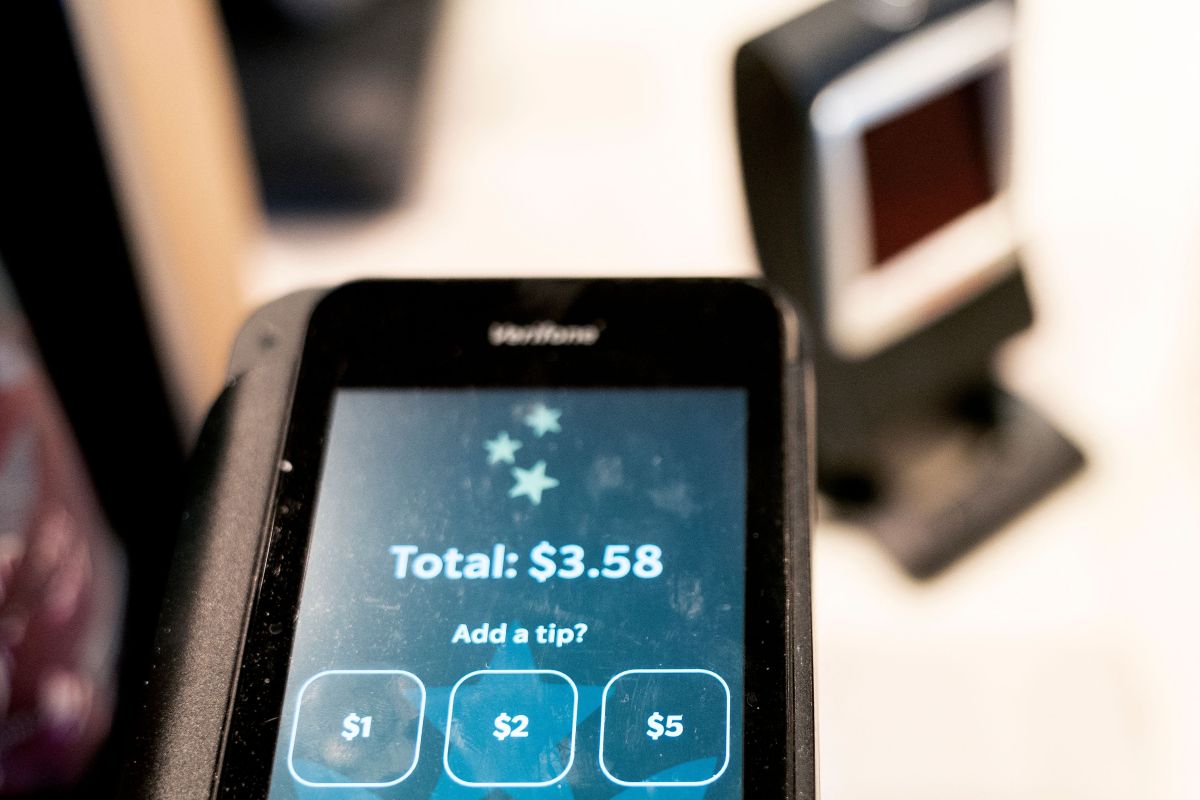
A new survey shows that millennials are the generation most likely to skip tipping, with 6% saying they leave no tips in a typical month. Baby boomers tend to tip more consistently, especially in the $10 to $24 per month range. Many Americans say they are asked to tip more often than before and feel pressure from digital payment screens.
Key Facts
The survey included responses from 500 U.S. adults about their tipping habits.
6% of millennials report leaving no tips in an average month.
Baby boomers most often tip between $10 and $24 per month, more than other groups.
Most people tip regularly at sit-down restaurants, where 93% say they often or always tip.
Many Americans feel overwhelmed by frequent tipping requests at checkout screens and self-service businesses.
62% of respondents say they are asked to tip in more situations than two years ago.
Half of the people surveyed dislike pre-selected tip options on digital payment screens.
Millennials are seen as making a conscious choice not to tip, reflecting changing views on tipping and labor.
Read the Original
Want the full story? Tap a source to open the original
article.
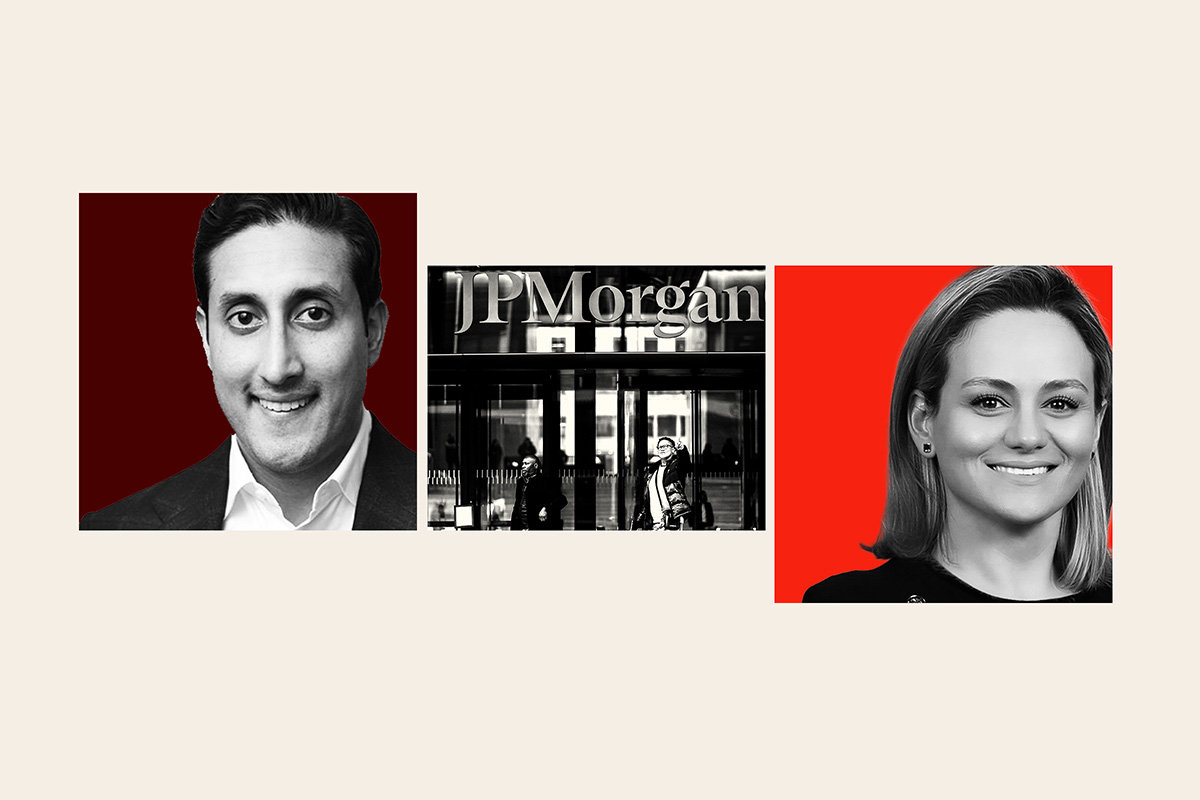
A former JPMorgan banker has filed a lawsuit accusing a senior executive, Lorna Hajdini, of sexual assault and harassment, including threats to damage his career if he did not comply. JPMorgan and Hajdini deny the claims, and the bank’s internal investigation found no evidence to support the allegations.
Key Facts
The former banker, Chirayu Rana, accused Lorna Hajdini, his former supervisor, of sexual assault and harassment.
Rana claims Hajdini threatened to "ruin" his career if he did not submit to her.
JPMorgan conducted an investigation but reported no findings that supported Rana’s allegations.
Rana refused to participate in the investigation or provide key facts.
Two anonymous witnesses said they saw Hajdini harassing Rana, including an incident where she allegedly asked one witness to join them in a bedroom.
The witnesses described Hajdini as being physically inappropriate with Rana at a concert and elsewhere.
Hajdini’s lawyers deny all accusations, stating she never had a sexual or romantic relationship with Rana and calling the claims false.
The lawsuit was refiled recently in New York County Supreme Court after being removed last week.
Read the Original
Want the full story? Tap a source to open the original
article.
A major German shipping company, Hapag-Lloyd AG, said that passing through the Strait of Hormuz is still not possible. This statement came one day after the U.S. started escorting ships through this important sea route.
Key Facts
Hapag-Lloyd AG is one of the world’s largest container shipping companies.
The company said its risk assessment of the Strait of Hormuz has not changed.
The statement was given the day after the U.S. began escorting ships through the area.
The Strait of Hormuz is a crucial waterway used for global shipping.
U.S. naval escorts aim to protect vessels traveling through this region.
Despite the U.S. escorts, Hapag-Lloyd sees the transit as still unsafe or impossible currently.
Read the Original
Want the full story? Tap a source to open the original
article.
Retirees with tax-deferred accounts like traditional IRAs and 401(k)s must take required minimum distributions (RMDs) each year starting at age 73. The RMD amount depends on the account balance and the retiree’s age, with withdrawals increasing as life expectancy factors decrease.
Key Facts
Required minimum distributions (RMDs) apply to most traditional retirement accounts.
Retirees must start RMDs by age 73 under current IRS rules.
The RMD amount is calculated by dividing the account balance by a life expectancy factor from IRS tables.
For a $500,000 balance, the RMD at age 73 is about $18,868.
The RMD increases as retirees get older because the life expectancy factor gets smaller.
RMDs are taxed as ordinary income and can affect tax brackets, Social Security taxes, and Medicare costs.
Missing an RMD can lead to a penalty up to 25% of the amount not withdrawn.
Withdrawals from multiple IRAs can be combined, but 401(k) withdrawals are usually separate, making planning important.
Read the Original
Want the full story? Tap a source to open the original
article.
More companies are citing artificial intelligence (AI) as a reason when they lay off workers. In 2025, firms announced 55,000 job cuts connected to AI, mostly in the tech sector, as they shift jobs toward automation and new AI tools.
Key Facts
In 2025, 55,000 jobs were cut with companies saying AI was a factor, over 12 times more than two years earlier.
Most AI-related layoffs happened in tech-heavy states like California and Washington.
Amazon plans to reduce some white-collar jobs by using AI “agents” to improve efficiency.
Pinterest described job cuts as a way to invest more in AI systems.
Some experts think companies might use AI as an excuse to justify layoffs or stop hiring.
Coinbase cut 700 jobs, about 14% of its staff, to focus on AI-driven work.
Financial tech company Block announced a plan to reduce its workforce by nearly half.
Labor market analysts see AI having a bigger impact on fewer new hires than on layoffs so far.
Read the Original
Want the full story? Tap a source to open the original
article.
The U.S. government will begin sending the first tariff refunds on May 12. This follows a Supreme Court decision that struck down a key part of President Trump’s trade policy.
Key Facts
Tariff refunds will start being paid electronically on May 12.
The refunds come after the Supreme Court canceled a major part of President Trump’s trade plan.
U.S. Customs and Border Protection (CBP) gave the new refund schedule in a message to shipping companies.
The refunds relate to tariffs that were previously collected under the Trump administration’s trade rules.
Shipments impacted can be tracked using tools provided by CBP.
The timeline for refunds is about three months after the Supreme Court ruling.
The Supreme Court decision affects how tariffs are charged and refunded going forward.
Read the Original
Want the full story? Tap a source to open the original
article.
This article compares how much interest you can earn by putting $75,000 into three types of bank accounts: a certificate of deposit (CD), a high-yield savings account, and a money market account. It shows that CDs generally offer a fixed and guaranteed interest rate, while savings and money market accounts have variable rates that can change over time.
Key Facts
A CD locks your money for a set time and pays a fixed interest rate.
High-yield savings and money market accounts have interest rates that can go up or down.
For a 3-month term, the high-yield savings account earns the most interest.
For 6- and 9-month terms, the CD earns slightly more interest.
Interest earnings range from about $720 to $2,260 depending on account type and term length.
If interest rates rise, savings and money market accounts could earn more, but CDs keep a steady rate.
Withdrawing money early from a CD often results in a penalty.
These accounts are safer and less risky than some other investments, like stocks or real estate.
Read the Original
Want the full story? Tap a source to open the original
article.
Debt relief programs can help people reduce what they owe, but there are costs that might not be clear at first. These include fees based on the total debt enrolled, possible taxes on forgiven debt, and higher costs when borrowing money in the future.
Key Facts
Debt relief companies often charge fees between 15% and 25% of the total debt enrolled, not just on the amount reduced.
These fees are usually included in monthly payments and may reduce the overall savings from the program.
When a portion of debt is forgiven, the IRS may consider that forgiven amount as taxable income, which can increase your tax bill.
There is a tax exemption called insolvency that can reduce or eliminate this tax if your debts are greater than your assets, but it requires careful documentation.
Debt relief programs might require you to stop paying creditors temporarily, which can hurt your credit and make borrowing more expensive later.
These extra costs can be easy to miss during the early stages of enrolling in a debt relief program.
Borrowers should carefully review all possible costs and consequences before joining a program.
Read the Original
Want the full story? Tap a source to open the original
article.
Delta Air Lines will stop serving food and drinks on flights shorter than 350 miles starting May 19, except for first class passengers who will still get full service. At the same time, Delta will add food and drink options on some longer flights, affecting about 9% of flights losing service and 14% gaining full service.
Key Facts
Delta is ending food and beverage service on flights under 350 miles for most passengers starting May 19.
First class passengers will continue to receive full food and drink service on all flights.
Flights under 350 miles include routes like New York to Boston, but Los Angeles to San Francisco flights remain eligible for service.
About 9% of Delta’s flights will no longer offer food or drinks due to this change.
Around 14% of Delta’s daily flights will gain full food and beverage service for Delta Comfort and Delta Main passengers on flights 350 miles or longer.
Delta aims for a more consistent customer experience across all flights.
Other airlines serve food only on slightly shorter or similar longer routes (American: 250+ miles, Southwest: 250+ miles, United: 300+ miles).
Airlines are raising prices and reducing routes as jet fuel costs rise, partly due to the Iran war and the shutdown of budget airline Spirit Airlines.
Read the Original
Want the full story? Tap a source to open the original
article.
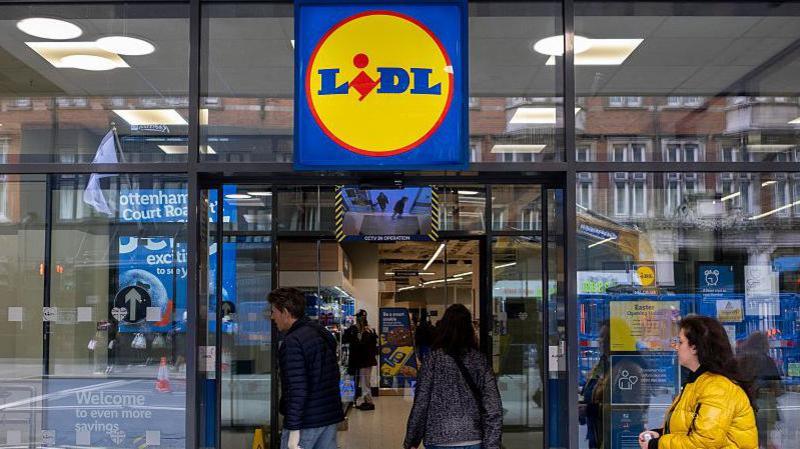
Lidl has changed its loyalty program from giving shoppers discount coupons to a points-based system where customers earn one point for every £1 spent. Some customers say the new system is less generous than before, while Lidl says it offers better value and is similar to other supermarkets’ loyalty programs.
Key Facts
Lidl changed its loyalty scheme to a points system on Tuesday.
Customers now earn one point for every £1 they spend.
Previously, shoppers could get discounts like 10% off after spending £250 in a month.
Some customers say they now have to spend more to get rewards like free bakery items.
Lidl says customers can earn more than one point per £1 due to special campaigns like double or triple points.
The change makes Lidl’s program more like Tesco’s Clubcard and Sainsbury’s Nectar card.
A retail expert said the points system will give Lidl more control over when to reward shoppers.
The competition watchdog said supermarkets’ loyalty schemes usually offer real savings but could improve access for people without smartphones and those under 18.
Read the Original
Want the full story? Tap a source to open the original
article.
The cost for the UK government to borrow money for a long time has reached its highest level since 1998. This rise is linked to the ongoing conflict between the US, Israel, and Iran, as well as political uncertainty before upcoming local and national elections in the UK.
Key Facts
UK government bond yields for 30 years hit a 28-year high; 10-year bond yields reached an 18-year high.
The Iran war caused the closure of the Strait of Hormuz, affecting oil and natural gas supplies and raising energy prices worldwide.
Higher inflation expectations and borrowing costs have pushed bond markets down globally.
UK markets were more affected than other major economies, due to inflation concerns and political instability around UK elections.
Rising bond yields mean the UK government will have to pay more interest on its debt.
Chancellor Rachel Reeves aims to avoid borrowing for daily spending and wants to reduce the government’s debt compared to national income.
UK government borrowing was £132 billion for the year to March, the lowest in three years, but may increase if inflation rises.
The Bank of England’s governor, Andrew Bailey, said currency value shows UK markets are not unusually weak despite the situation.
Read the Original
Want the full story? Tap a source to open the original
article.