Film producer Jason Cloth has been charged by a federal grand jury with wire fraud in a $100 million Ponzi scheme involving movie funding. Prosecutors say he promised investors their money would go to films or video games but used it for other projects and to pay earlier investors.
Key Facts
Jason Cloth financed movies like “Joker” and “Ghostbusters: Afterlife.”
He was indicted in Chicago and arrested in Los Angeles on wire fraud charges.
Cloth allegedly raised over $100 million from investors claiming it would fund films or video games.
Instead, he used the money for a Canadian real estate project and to pay back previous investors.
The charges include seven counts of wire fraud, each carrying up to 20 years in prison.
Authorities want Cloth to forfeit more than $12 million.
The FBI is asking anyone who may be a victim to contact their Chicago office.
Cloth and his company are also involved in other ongoing legal cases and investigations related to similar fraud allegations.
Read the Original
Want the full story? Tap a source to open the original
article.
Marcia Kilgore, who left university, built several successful beauty companies including Beauty Pie, Bliss Spa, Soap & Glory, and FitFlop. She shares lessons from her journey, such as starting without a perfect plan, gaining hands-on experience, refining ideas, and valuing kindness in business.
Key Facts
Marcia Kilgore founded Beauty Pie in 2016, an online subscription beauty brand known worldwide.
Before Beauty Pie, she created Bliss Spa, Soap & Glory, and FitFlop.
Kilgore dropped out of Columbia University after her tuition plan failed and supported herself by working and taking beauty classes.
She gained deep knowledge by doing all salon tasks herself, including treatments and training staff.
She advises testing business ideas with customers early to make sure they solve a real problem or have clear value.
Kilgore warns against "ownership bias," where people think their idea is great just because it is theirs.
She believes AI tools can help new entrepreneurs test and improve ideas affordably.
Being kind, polite, and reliable helped her build good relationships that supported her career growth.
Read the Original
Want the full story? Tap a source to open the original
article.
The Bank of England is expected to keep its interest rate at 3.75% for the fifth time due to global political and economic uncertainties. This rate influences borrowing costs for loans and mortgages and helps control inflation, which is currently above target.
Key Facts
The Bank of England’s interest rate is likely to stay at 3.75%, unchanged for the fifth time.
The Bank’s Monetary Policy Committee meets eight times a year to decide interest rates.
Inflation in the UK was 2.6% in the year to June, slightly above the 2.3% target.
Inflation may rise in July because of a 13% increase in domestic energy prices.
The rise in energy prices is linked to the Iran war affecting wholesale energy costs.
Most mortgage holders have fixed-rate deals, but new fixed-rate mortgage rates are rising.
The average two-year fixed mortgage rate recently hit 5.62%, the highest in over a month.
The Bank of England predicts that by the end of 2028, over five million homeowners could see higher mortgage payments.
Read the Original
Want the full story? Tap a source to open the original
article.
The Federal Reserve decided to keep interest rates the same, although three officials wanted to raise them because of inflation and higher energy prices linked to the Iran war. President Trump announced a $22 billion plan to improve Washington Dulles International Airport. In Japan, an earthquake has caused 18 deaths.
Key Facts
The Federal Reserve kept interest rates steady.
Three Fed officials voted to increase interest rates.
Inflation and energy prices rising, partly due to the Iran war, are concerns.
President Trump revealed a $22 billion plan to upgrade Washington Dulles International Airport.
The airport project is part of efforts to improve the region.
An earthquake in Japan has resulted in 18 deaths.
The news comes from a Wednesday update covering multiple stories.
Read the Original
Want the full story? Tap a source to open the original
article.
A Chinese company called Geek+ makes robots that help warehouses pick and move goods faster. Many big UK retailers like Tesco and Asda use these robots to speed up their operations and save space. The UK, which has many online shoppers and large warehouses, is starting to use more robotics to improve productivity and handle labor shortages.
Key Facts
Geek+ builds autonomous robots that carry shelves and pallets inside warehouses.
Over 2,000 Geek+ robots work across 10 sites in the UK.
UK retailers using Geek+ include Tesco, Asda, and Next.
These robots help warehouses pick orders faster, store more items in tight spaces, and reduce mistakes.
Geek+ robots use QR codes on the floor to navigate, unlike traditional fixed conveyor systems.
The UK has lagged behind other countries in adopting robotics despite its strong manufacturing history.
Robotics adoption is seen as key to improving UK business productivity and addressing worker shortages.
The Trades Union Congress wants robots to improve jobs and productivity rather than just cutting labor.
Read the Original
Want the full story? Tap a source to open the original
article.
Fifa plans to create a new company to manage part of the World Cup. It will sell 20% of this company to private investors, with the shares worth more than $4 billion. One possible buyer is Thrive Eternal, an investment firm linked to Jared Kushner’s brother.
Key Facts
Fifa will form a new subsidiary to run part of the World Cup.
They will sell a 20% ownership stake in this subsidiary.
The stake is valued at over $4 billion.
Talks are ongoing with potential buyers for these shares.
Thrive Eternal, an investment firm connected to Jared Kushner’s brother, is a likely buyer.
The move marks one of the first times Fifa is seeking private investment in the World Cup.
This plan aims to raise money by selling shares in the World Cup management.
Read the Original
Want the full story? Tap a source to open the original
article.
The stock market dropped significantly after the Federal Reserve decided not to raise interest rates, even though inflation remains high. The Dow Jones fell over 1,100 points, marking its biggest drop since April 2025.
Key Facts
The Federal Reserve kept interest rates unchanged.
Inflation is still a concern despite the Fed's decision.
The Dow Jones Industrial Average fell by 1,153.18 points (2.19%).
This was the Dow's largest one-day drop since April 2025.
In April 2025, President Trump introduced new tariffs called “Liberation Day” tariffs.
The S&P 500 index also dropped by 1.52%.
The stock decline shows investor worry about the economy and inflation.
Read the Original
Want the full story? Tap a source to open the original
article.
A recent survey by the Federal Reserve Bank of New York shows more Americans are applying for higher credit card limits and fewer are being denied. Lenders appear more willing to offer credit, which may help consumers but also signals some financial stress.
Key Facts
Credit card limit increase requests and other credit applications are at their highest since October 2021.
The overall rejection rate for credit applications is 16.1%, down from 23.1% a year ago.
Consumers feel they have a better chance of credit approval now than earlier this year.
More people want higher credit limits to provide financial flexibility or prepare for unexpected expenses.
Around 34% of people expect to need $2,000 unexpectedly within a month, with many unsure they could cover it.
Some experts warn that higher credit limits can lead to carrying more debt and paying more interest.
Lenders may be more open to lending because the job market is stable and people feel slightly more confident about handling emergencies.
Despite improved access, increased borrowing could indicate underlying financial pressures on households.
Read the Original
Want the full story? Tap a source to open the original
article.
Meta's second-quarter earnings were weaker than expected, causing its stock to fall nearly 8%. CEO Mark Zuckerberg promoted the benefits of artificial intelligence (AI), but this optimism did not prevent investor concerns about the company's high spending on AI and legal costs.
Key Facts
Meta reported earnings per share of $6.18, below the expected $7.14.
Revenue was $60.8 billion, slightly above predictions of $60.23 billion.
The company increased its expected yearly expenses to between $165 billion and $169 billion.
Meta’s legal charges for the second quarter were $2.4 billion.
Capital spending for 2026 is expected to be $130 billion to $145 billion, focusing heavily on AI.
Meta’s stock price has dropped about 10% over the past year due to concerns about AI investment.
Zuckerberg described a vision where everyone has access to personalized AI assistants.
Meta faces challenges including privacy concerns, youth safety issues, and employee data use.
Read the Original
Want the full story? Tap a source to open the original
article.
Microsoft reported $90 billion in revenue for the April-June quarter, beating Wall Street expectations. The company saw strong growth in its cloud services and paid AI users, with its cloud platform Azure showing a 43% increase in revenue.
Key Facts
Microsoft earned $90 billion in revenue during the April-June quarter, up 18% from last year.
The earnings per share were $4.81, higher than the expected $4.24.
Microsoft Cloud revenue reached $59.3 billion, a 27% increase compared to last year.
Azure and other cloud services revenue increased by 43%.
For the full fiscal year ending in June, Microsoft’s revenue was $331.8 billion.
Azure revenue surpassed $100 billion for the first time this year.
Microsoft 365 Copilot, the AI assistant, now has over 30 million paid users.
Microsoft’s shares rose about 3% after the earnings report was released.
Read the Original
Want the full story? Tap a source to open the original
article.
Starbucks reported higher-than-expected sales and profits for its latest quarter and increased its forecast for the full year. The company’s sales grew strongly in both the U.S. and global markets, and it made operational changes to improve customer experience.
Key Facts
Starbucks’ global same-store sales rose 7.9% in the third fiscal quarter, beating the expected 5.7% increase.
U.S. same-store sales also grew 7.9% in the April-June period.
The company raised its full-year global same-store sales growth forecast from 5% to 6%.
Starbucks now expects earnings per share of $2.55 to $2.65, up from the previous $2.25 to $2.45.
Quarterly revenue was $9.3 billion, slightly lower than before but still above analysts’ forecast.
Net income increased by 87% to $1 billion in the quarter.
Starbucks improved service by adding staff during busy times and using technology to handle orders more efficiently.
The company redesigned stores to create a more comfortable, coffeehouse atmosphere.
Read the Original
Want the full story? Tap a source to open the original
article.
The Federal Trade Commission (FTC) filed a lawsuit against the telehealth company Hims & Hers, accusing it of sharing customers' health information with social media companies like Meta and Snap without permission. Hims & Hers denies the claims and says it will defend itself in court.
Key Facts
The FTC sued Hims & Hers in a federal court in Northern California.
The lawsuit says Hims & Hers shared private health data despite promising to keep it confidential.
The company reportedly used tracking tools from Meta and shared customer lists with advertisers.
Hims & Hers offers virtual doctor services and prescription drugs for wellness and other issues.
The company’s stock price dropped nearly 15% after the lawsuit was announced.
Hims & Hers claims customers know how their data is used and that health info is only for care purposes.
The FTC also accused the company of not clearly telling customers about prescription charges and making it hard to cancel subscriptions.
The FTC said customers were unknowingly signed up for recurring payments and had their sensitive health data shared without consent.
Read the Original
Want the full story? Tap a source to open the original
article.
The Dow Jones stock market index fell by more than 1,000 points. This happened after the Federal Reserve decided not to change interest rates again, despite rising energy prices linked to the conflict in Iran and ongoing high inflation.
Key Facts
The Dow Jones dropped over 1,000 points in a single day.
The Federal Reserve kept interest rates unchanged for the fifth time in a row.
Energy prices have increased due to the war involving Iran.
Inflation remains high, meaning prices for goods and services continue to rise.
The Fed’s decision aims to balance economic growth and control inflation.
Investors reacted negatively to the Fed’s hold on rates.
Read the Original
Want the full story? Tap a source to open the original
article.
Meta reported a drop in its second-quarter profit due to high legal and layoff-related costs, even though its revenue grew more than expected. The company continues to invest in artificial intelligence and expects revenue to rise moderately in the next quarter.
Key Facts
Meta’s second-quarter profit was $15.85 billion, down 14% from last year’s $18.34 billion.
Revenue increased 28% to $60.8 billion, which beat analysts’ average estimate of $60.22 billion.
Legal expenses and severance costs from layoffs contributed $3.58 billion to total expenses.
Meta laid off about 8,000 employees, with total staff at 75,472 as of June 30.
Daily active users on Facebook, Instagram, WhatsApp, and Messenger grew 3% to 3.6 billion.
Meta forecasts third-quarter revenue between $61 billion and $64 billion, slightly below analysts’ expectations.
Meta shares fell 4.2% in after-hours trading following the earnings report.
CEO Mark Zuckerberg emphasized AI as a key driver for current and future growth.
Read the Original
Want the full story? Tap a source to open the original
article.
Mystery Hill, a roadside attraction in Onsted, Michigan, is one of the few remaining attractions in the Irish Hills area. Nathan Wakefield recently bought the site to preserve it and keep the tradition of local roadside attractions alive despite many others closing.
Key Facts
Mystery Hill is known for its gravity-defying house on three acres of land.
Nathan Wakefield, who grew up nearby, purchased Mystery Hill in 2026.
Many roadside attractions along US 12 in Michigan have closed due to less traffic after I-94 opened.
Attractions like Frontier City and Stagecoach Stop closed in 1974 and 2007.
Mystery Hill survives partly because it does not have high costs or require many employees.
New entertainment options like putt-putt golf or go-kart racing help modern attractions stay popular.
Prehistoric Forest, a dinosaur-themed park, closed in 2002 and was not successfully restored after being sold.
The area around Irish Hills still draws visitors for natural beauty and events like car races at Michigan International Speedway.
Read the Original
Want the full story? Tap a source to open the original
article.
A lawsuit claims a Comcast store manager in Connecticut forced low-selling employees to have cream pies smashed in their faces as a punishment and motivation method. The lawsuit says the manager made others take part in and record these actions, creating a hostile work environment that led to an employee’s resignation.
Key Facts
The lawsuit alleges a Comcast store manager made the lowest salespeople monthly get a cream pie smashed in their face.
Employees were tied to chairs and assaulted as part of this punishment ritual.
The manager also made other employees participate in and video record the pie attacks.
The plaintiff, David Figueroa, said he was not told about this at hiring and resigned due to the hostile environment.
The lawsuit claims Comcast failed to supervise the store and should have known about the harmful policies.
Comcast said it disagrees with the claims and has zero tolerance for harassment.
The lawsuit seeks compensation for lost income and emotional harm.
A chart was kept ranking employees and marking those who were or would be assaulted.
Read the Original
Want the full story? Tap a source to open the original
article.
After the Federal Reserve paused interest rate changes, high-yield savings accounts have become a good choice for savers. These accounts offer higher interest rates than traditional savings accounts and can increase rates if the Fed raises interest rates later.
Key Facts
The Federal Reserve paused interest rate changes for the fifth time in 2024 but may increase rates in 2026.
Traditional savings accounts now offer very low interest rates, about 0.38%.
High-yield savings accounts can offer interest rates of around 4.10%, higher than money market accounts.
Interest rates on high-yield savings accounts are variable, meaning they can go up or down with market changes.
If the Fed raises rates, high-yield savings accounts are likely to increase their rates as well.
High-yield savings accounts allow easy access to money, unlike certificates of deposit (CDs) that lock funds for a set time.
These accounts help savers earn more interest while keeping funds flexible during uncertain economic times.
Online banks often offer better rates and terms for high-yield savings accounts than traditional banks with physical branches.
Read the Original
Want the full story? Tap a source to open the original
article.
The Federal Reserve decided to keep interest rates steady at 3.5% to 3.75% for the fifth time in a row. However, three Fed officials disagreed, wanting to raise rates to control inflation, which remains above the Fed’s 2% target partly due to higher energy prices linked to tensions in the Middle East.
Key Facts
The Fed’s benchmark interest rate stayed at 3.5% to 3.75%.
This is the fifth consecutive time the Fed has held rates steady.
Three of the 12 Federal Open Market Committee (FOMC) members voted to raise rates.
Inflation is still high, driven partly by supply issues and higher energy costs.
The recent conflict in the Middle East has caused oil prices and gas prices to rise.
Some analysts say the Fed may increase rates later if inflation grows again.
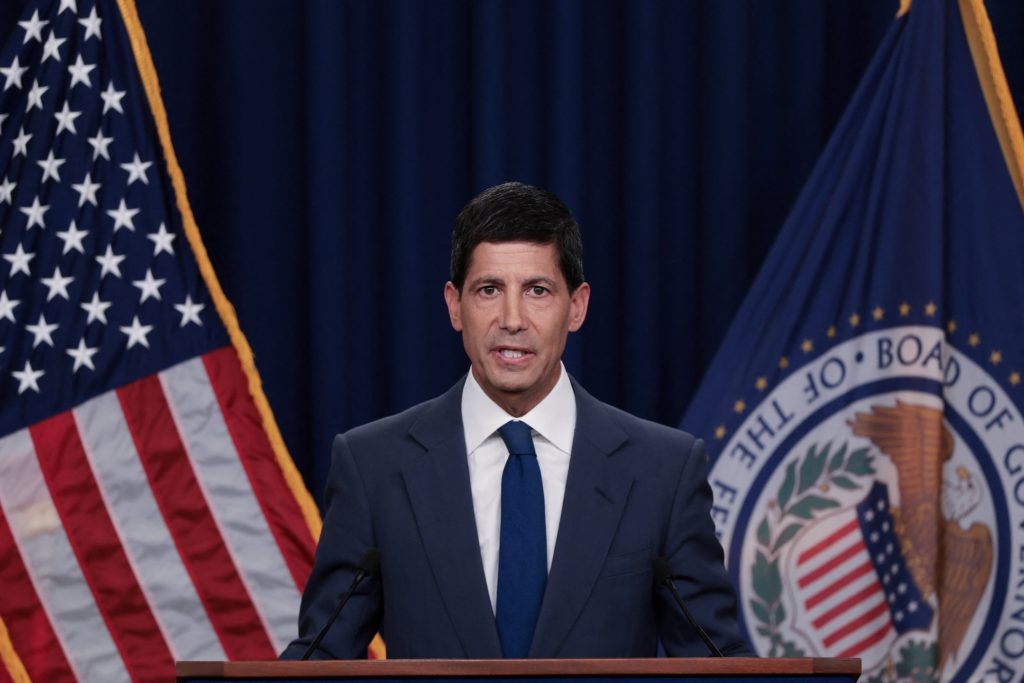
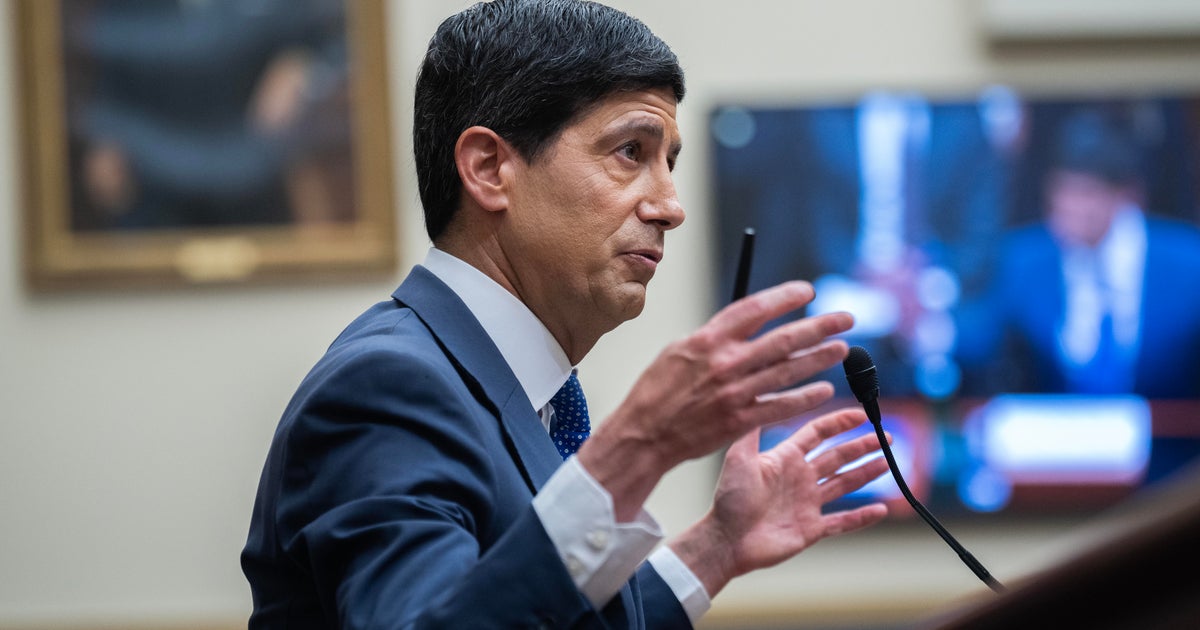
Fed Chairman Kevin Warsh will give a press conference to explain the decision.
President Trump has urged the Fed regarding interest rates, but the article doesn’t detail his specific position.
Read the Original
Want the full story? Tap a source to open the original
article.
The Federal Reserve decided to keep interest rates steady between 3.5% and 3.75%. This decision came even though there are concerns about rising inflation and oil prices. Not all members agreed with the decision.
Key Facts
The Federal Reserve kept interest rates unchanged at 3.5% to 3.75%.
There are ongoing worries about inflation increasing.
Rising oil prices are also a concern influencing the economic outlook.
The vote to keep rates steady was not unanimous, meaning some members wanted a different decision.
Interest rates affect borrowing costs for individuals and businesses.
The Fed's decisions aim to balance controlling inflation and supporting economic growth.
Read the Original
Want the full story? Tap a source to open the original
article.
Many American shopping malls are changing, with some closing while others do well. Older malls like Livingston Mall are mostly empty and rundown, while upscale malls like The Mall at Short Hills attract many shoppers, especially young people.
Key Facts
Livingston Mall, opened in 1972, is mostly empty and in poor condition.
Major department stores like Macy’s, Sears, and Lord & Taylor have closed at Livingston Mall.
Only a Barnes & Noble store remained at Livingston Mall but it is moving out after 18 years.
About 900 malls remain in the U.S., down from 1,100 in 2008.
Shoppers have shifted toward online shopping and away from traditional department stores.
The Mall at Short Hills, featuring high-end stores, is busy and popular, especially for teenagers.
The mall trend shows a split: upscale malls thrive while middle- and lower-income malls struggle.
The pandemic accelerated the decline of many malls.
Read the Original
Want the full story? Tap a source to open the original
article.