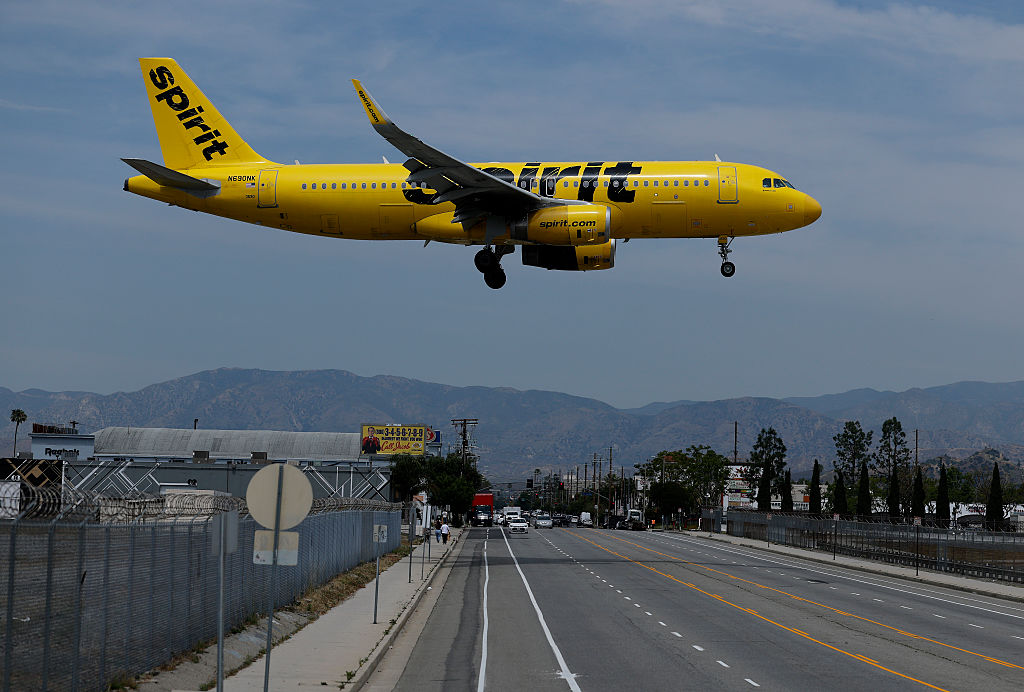
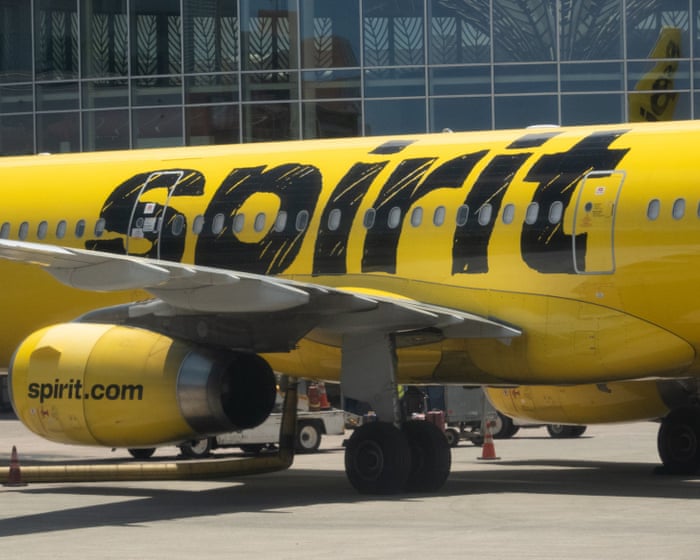
Spirit Airlines is preparing to shut down after failing to get a $500 million rescue deal from the U.S. government and bondholders rejecting the plan. The news caused shares of JetBlue Airways and Frontier Airlines to rise sharply, as they may benefit from Spirit’s possible exit from the market.
Key Facts
Spirit Airlines could shut down operations soon due to financial troubles.
Spirit failed to secure a $500 million federal funding deal.
Bondholders of Spirit Airlines rejected the rescue terms.
Spirit Airlines had filed for bankruptcy twice in the last two years.
The airline operated fewer than half its flights compared to two years ago.
Spirit faced problems like high fuel costs, competition, pandemic losses, and engine issues.
JetBlue and Frontier shares rose by 7.4% and 8.8% respectively after the news.
It is unclear when Spirit flights might stop and how passengers will be affected.
Read the Original
Want the full story? Tap a source to open the original
article.
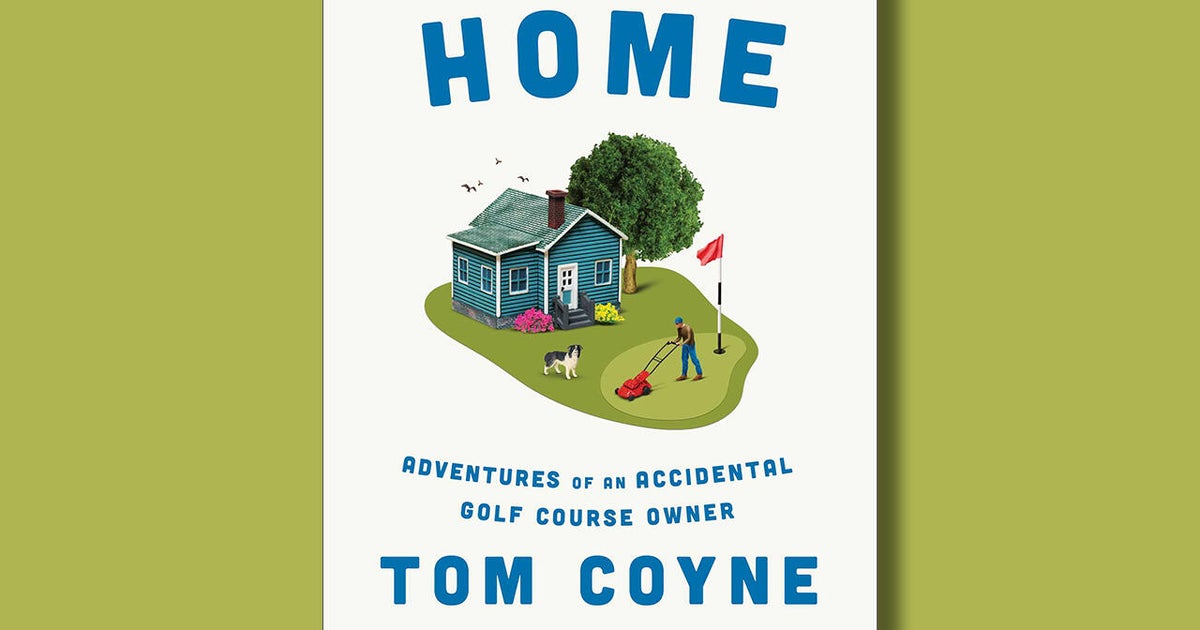
Tom Coyne, editor of The Golfer's Journal, took on running a small, struggling golf course in New York's Catskill Mountains. In his upcoming book, he shares his experience doing the hard work of maintaining the course and explains why understanding this work helps golfers appreciate their game more.
Key Facts
Tom Coyne became the operator of a failing nine-hole golf course in the Catskill Mountains.
His book "A Course Called Home" is about the challenges and rewards of managing a golf course.
Maintaining the course involves difficult physical work like clearing mud from mower blades and caring for grass.
Coyne argues that golfers should experience course maintenance to understand the effort behind their playing grounds.
Lessons include why course features look a certain way and why maintenance budgets affect course conditions.
Course upkeep is often low paid and physically demanding, requiring early morning work.
Greenskeepers rarely receive thanks but have a deep connection to turf care.
The book will be published by Avid Reader Press on May 5 and includes an interview with Coyne on "CBS Sunday Morning."
Read the Original
Want the full story? Tap a source to open the original
article.
President Donald Trump announced he will raise tariffs on cars and trucks imported from the European Union to 25 percent. He said this decision comes because the EU is not following their trade agreement with the United States.
Key Facts
President Trump made the announcement on a social media platform called TruthSocial.
The tariffs will start next week.
The new tariff rate on EU cars and trucks will be 25 percent.
The tariffs aim to address the EU’s alleged failure to meet trade deal terms.
Tariffs are taxes on imports that make foreign goods more expensive.
This move affects trade between the United States and the European Union.
The decision could impact prices for vehicles in the U.S. market.
The increased tariffs are part of broader trade tensions between the U.S. and the EU.
Read the Original
Want the full story? Tap a source to open the original
article.
New research from the Federal Reserve Bank of New York shows that spending growth in the U.S. economy is uneven, with richer households increasing their spending much more than middle- and low-income households. This pattern, called a K-shaped economy, means the economy depends heavily on wealthy consumers, which could be risky if financial markets fall.
Key Facts
Spending growth since January 2023 has been highest for households earning over $125,000, with about 7.6% real spending growth by March 2026.
Middle-income households saw about 3% growth, while low-income households (under $40,000) experienced just over 1% growth.
Before the COVID-19 pandemic, lower-income households’ spending grew faster than that of wealthier ones.
The spending gap widened after pandemic relief programs ended in 2023.
Wealth gains from financial assets largely explain the higher spending growth among rich households.
The top 1% of earners increased their real net worth by more than 25% since 2023, while the middle 40% gained less than 10%.
Real spending recently declined across all income groups, but the difference between rich and poor persists.
The economy’s heavy reliance on high-income consumers may create vulnerability to a financial market downturn.
Read the Original
Want the full story? Tap a source to open the original
article.
The European Union and South America’s Mercosur trade pact has started on a provisional basis after 25 years of talks. This deal aims to reduce taxes on many goods traded between the two regions, creating one of the world’s largest free trade areas with over 700 million consumers.
Key Facts
The EU-Mercosur trade deal started provisionally on Friday.
The agreement covers about 720 million potential consumers and a market worth $22 trillion.
It eliminates tariffs on more than 90% of goods traded between the EU and Mercosur countries.
The deal favors European exports like cars, wine, and cheese.
South American exports such as beef, poultry, sugar, rice, honey, and soybeans will enter Europe more easily.
The deal is challenged by the EU’s court because it was activated without full parliament approval.
Brazil’s President Lula approved the deal and sees it as a move against US tariffs and in support of global cooperation (multilateralism).
Some farmers and environmental groups oppose the deal due to fears of cheap imports and increased deforestation.
Read the Original
Want the full story? Tap a source to open the original
article.
President Donald Trump announced he will raise tariffs on cars and trucks imported from the European Union to 25% next week. He said the EU is not following the 2025 trade deal that limited tariffs to 15%, but he did not provide detailed reasons for the tariff increase.
Key Facts
President Trump plans to increase US tariffs on EU vehicles from 15% to 25%.
The original 2025 trade deal between the US and EU capped tariffs on autos at 15%.
Trump said the European Union is not complying with the agreed trade deal.
The announcement was made on May 1, 2026, via Trump's Truth Social platform.
The trade deal was agreed on last July between Trump and European Commission President Ursula von der Leyen.
Germany is expected to be most affected because it exports many cars and auto parts to the US.
A recent US Supreme Court ruling limited Trump's authority to impose tariffs on EU goods, complicating the trade situation.
Trump also criticized German Chancellor Friedrich Merz just before announcing the tariff hike, linking it to broader political tensions.
Read the Original
Want the full story? Tap a source to open the original
article.
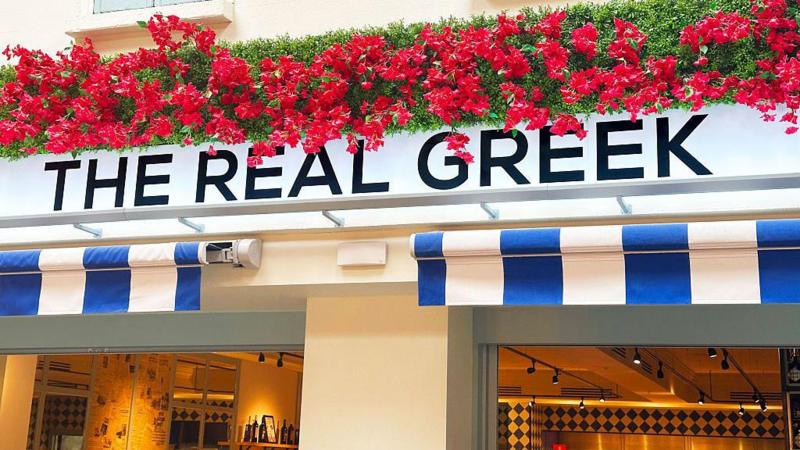
The Real Greek, a UK restaurant chain with 28 locations, may close soon because it is no longer financially sustainable. Its Japanese owner, Toridoll, which bought the chain’s parent company in 2023, said rising costs for energy, food, and wages have made running the restaurants too expensive.
Key Facts
The Real Greek has 28 outlets across the UK, nearly half in London.
Toridoll, a Japanese company, owns The Real Greek’s parent company, The Fulham Shore.
Toridoll plans to appoint administrators for The Real Greek, which means it may go into financial trouble or close.
The Real Greek has been more affected by economic problems than The Fulham Shore’s other chain, Franco Manca.
Rising costs of energy, food, labor, and business rates have made running The Real Greek difficult.
The chain began in London in 1999 and offers Greek-style food in a casual setting.
Karali Group, owner of Cote Brasserie, might be interested in buying some of the restaurants.
The hospitality industry in the UK has been facing increased financial pressures due to inflation and cost rises.
Read the Original
Want the full story? Tap a source to open the original
article.
Spirit Airlines is planning to stop its operations because it has run out of money. Efforts by the Trump administration to provide a government loan or buy the airline have not yet succeeded, and the airline faces high fuel costs and challenges increasing passenger demand.
Key Facts
Spirit Airlines is preparing to shut down due to lack of cash.
The Trump administration considered providing a $500 million loan or buying Spirit Airlines.
President Donald Trump mentioned the government might buy the airline and sell it later for a profit.
High oil prices have increased jet fuel costs, hurting Spirit and other airlines.
Spirit’s financial troubles existed before recent global conflicts, like the war in Iran.
A federal judge blocked a $3.8 billion merger between JetBlue and Spirit due to antitrust concerns.
The White House said Spirit would be stronger financially if the merger had been allowed.
Spirit Airlines is at risk of being the first major U.S. airline to liquidate since 2008.
Read the Original
Want the full story? Tap a source to open the original
article.
The US has removed tariffs on whisky imports from Scotland and the UK in a new trade deal. This change helps whisky exports, benefits both countries, and has prompted political leaders in Scotland to debate who deserves credit for the agreement.
Key Facts
US tariffs on Scotch whisky cost the industry about £4 million each week.
The trade deal removes import taxes on whisky both ways between the US and the UK.
President Donald Trump said King Charles and Queen Camilla’s state visit influenced the tariff removal.
The Scotch Whisky Association and US trade partners worked closely to achieve this change.
The deal is seen as a zero-for-zero tariff agreement, helping whisky sales in both countries.
Scottish political leaders are competing to claim credit ahead of the Scottish Parliament election.
SNP's John Swinney lobbied President Trump and discussed the deal with him directly.
UK government officials say their negotiations also played a key role in the tariff removal.
Read the Original
Want the full story? Tap a source to open the original
article.
A $250,000 immediate fixed annuity for a 60-year-old provides a guaranteed monthly income, but the exact amount depends on factors like gender and payout type. Men typically receive higher monthly payments than women, and single-life annuities pay more than joint or guaranteed period options, which offer more security but lower payments.
Key Facts
A 60-year-old man with a $250,000 annuity can expect about $1,325 per month for a single-life annuity.
A 60-year-old woman with the same annuity would receive about $1,258 per month for single-life.
Adding a guarantee for 10 or 20 years lowers monthly payments but ensures payments to beneficiaries if the annuitant dies early.
Joint life annuities pay less monthly since they cover both spouses for life.
Women generally get lower monthly payments than men because they tend to live longer.
Buying an annuity at 60 means a longer expected payout period, so payments are less than if purchasing at older ages like 65 or 70.
Annuities provide a dependable, steady income unaffected by market ups and downs, especially useful as traditional pensions become less common.
Monthly payment amounts can vary depending on current interest rates and insurer calculations, so these figures are estimates, not guarantees.
Read the Original
Want the full story? Tap a source to open the original
article.
Many companies are using artificial intelligence (AI) in their daily operations, especially in customer service. However, experts say it is important to measure whether AI is actually improving results like revenue or productivity, not just track its use.
Key Facts
AI is handling routine tasks in many companies, such as customer service calls.
GoTo, a business software company, uses AI to manage most customer calls without human help unless needed.
Real AI success means it is deeply integrated to improve workflows and outcomes, not just added on top.
Many companies measure AI activity (like new tools) but don't measure if AI improves business results.
GoTo helps clients like auto dealerships use AI to handle calls, freeing staff to focus on customers in person.
AI allows human workers to focus on complex tasks instead of routine ones.
AI is changing IT service pricing because AI makes software production faster and smaller teams can do more.
The value and price of IT work are shifting as AI changes how work is done.
Read the Original
Want the full story? Tap a source to open the original
article.
PulteGroup, the third-largest homebuilder in the U.S., increased buyer incentives to 10.9% of the home's price in early 2026, which is more than three times usual levels. This helps buyers afford homes but reduces builders' profits, possibly limiting new home construction amid high supply and low demand.
Key Facts
PulteGroup offered incentives equal to 10.9% of the home’s sales price in the first quarter of 2026.
Normally, PulteGroup’s incentives were around 3% to 3.5% of the sales price before recent market changes.
Higher mortgage rates and home prices caused fewer buyers to enter the market after the COVID-19 homebuying boom ended.
U.S. home sellers currently outnumber buyers by over 600,000, increasing competition for buyers.
Lennar, the second-largest homebuilder, cut home prices by 10% in late 2025; PulteGroup now offers even larger discounts.
Incentives can help some buyers afford homes, but lower builder profits may reduce new home construction.
The U.S. faces a shortage of about 10 million houses, worsening the affordability crisis.
Builder confidence fell in April 2026 to its lowest point since September 2025, due to higher interest rates and economic uncertainty.
Read the Original
Want the full story? Tap a source to open the original
article.
Virgin Galactic showed a new spaceship being moved outside its factory as it works on a next-generation craft for space tourism. The company has stopped flying its current ship and plans the first flight of the new vehicle around late 2026 or early 2027, but its cash reserves are shrinking due to low revenue and delayed flights.
Key Facts
Virgin Galactic was founded 22 years ago to offer space tourism.
The company flew passengers with its VSS Unity spacecraft, completing six spaceflights in 2023.
It stopped flying VSS Unity in June 2024 to focus on a new spaceship.
Virgin Galactic revealed a photo of the new ship being moved for final testing in Mesa, Arizona.
The first flight with research payloads is planned for summer 2026; private astronaut flights may begin in fall 2026.
The company’s cash reserves dropped from $982 million in early 2024 to $338 million by March 2025.
Blue Origin stopped its suborbital tourist flights in January 2024, leaving Virgin Galactic as the main company in this market.
Space tourism remains expensive and challenging, with companies struggling to make profits.
Read the Original
Want the full story? Tap a source to open the original
article.
The CEO of Octopus Energy said some people might accept occasional power outages if it meant lower electricity bills. He warned that costly upgrades to the UK’s power grid could raise bills and suggested that flexible energy systems using home batteries might help manage costs while maintaining reliability.
Key Facts
Octopus Energy is the largest energy supplier in the UK.
The CEO, Greg Jackson, said some Spanish consumers would accept occasional blackouts for electricity that costs 25% less.
Spain and Portugal experienced a major power outage last year that affected millions and caused at least six deaths.
Home batteries, which store electricity, are now affordable and can provide power during outages.
Jackson warned against expensive power grid investments in the UK that may not be necessary.
Octopus Energy supports building flexible energy systems to keep costs down and manage renewable energy better.
An official report blamed the 2023 Iberian blackout on multiple factors including renewable energy, conventional plants, and the power network.
The UK’s National Energy System Operator said more investment is needed to improve the grid and prevent blackouts, but full blackouts are not expected.
Read the Original
Want the full story? Tap a source to open the original
article.
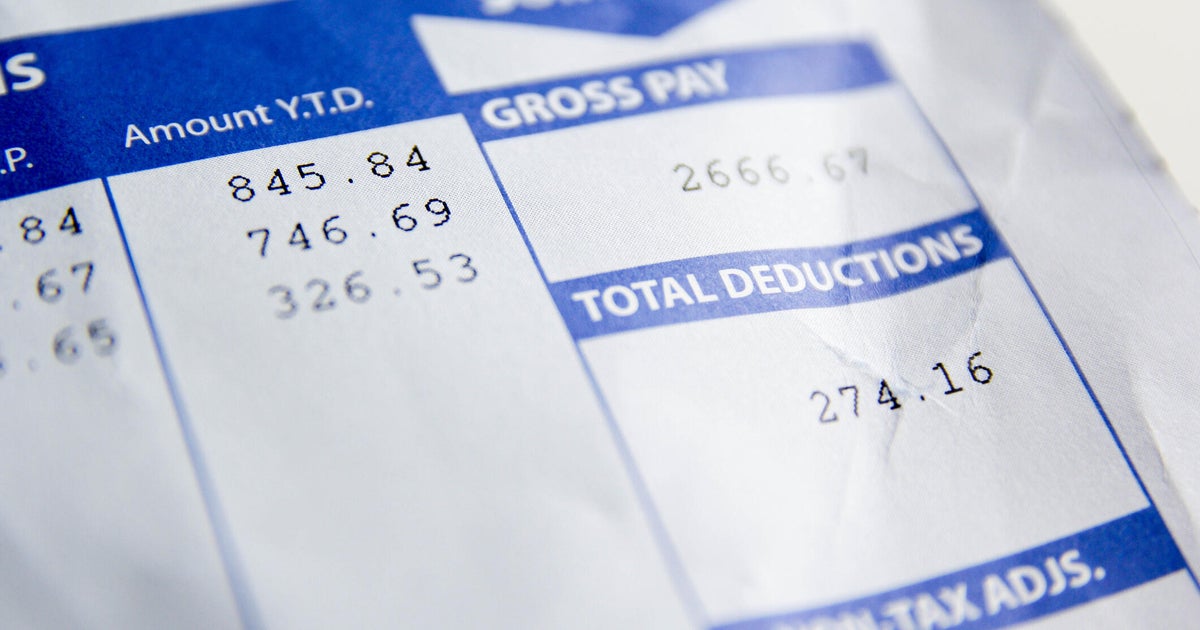
A wage garnishment is a legal order that requires an employer to take part of a worker’s paycheck and send it to a creditor. This can lower the amount of money a person takes home, sometimes by as much as 25% of their disposable income. Garnishments happen when people fall behind on debts, and they affect budgets by reducing the money available for daily expenses.
Key Facts
Wage garnishment happens when a court orders part of your paycheck to go to a creditor.
The amount taken is usually limited by federal law to the lesser of 25% of disposable income or the amount over 30 times the federal minimum wage.
Disposable income means what is left after taxes and required deductions are taken from your gross pay.
Some debts, such as unpaid taxes, child support, or student loans, may have higher garnishment limits.
Lower-income earners are protected by law to ensure some earnings remain for essentials, sometimes resulting in garnishments less than 25%.
A moderate-income worker with $750 disposable weekly income could lose about $187.50 to garnishment.
Wage garnishments reduce the money people have to pay rent, buy food, and cover utilities.
This process becomes more common as more people fall behind on debt amid economic pressures.
Read the Original
Want the full story? Tap a source to open the original
article.
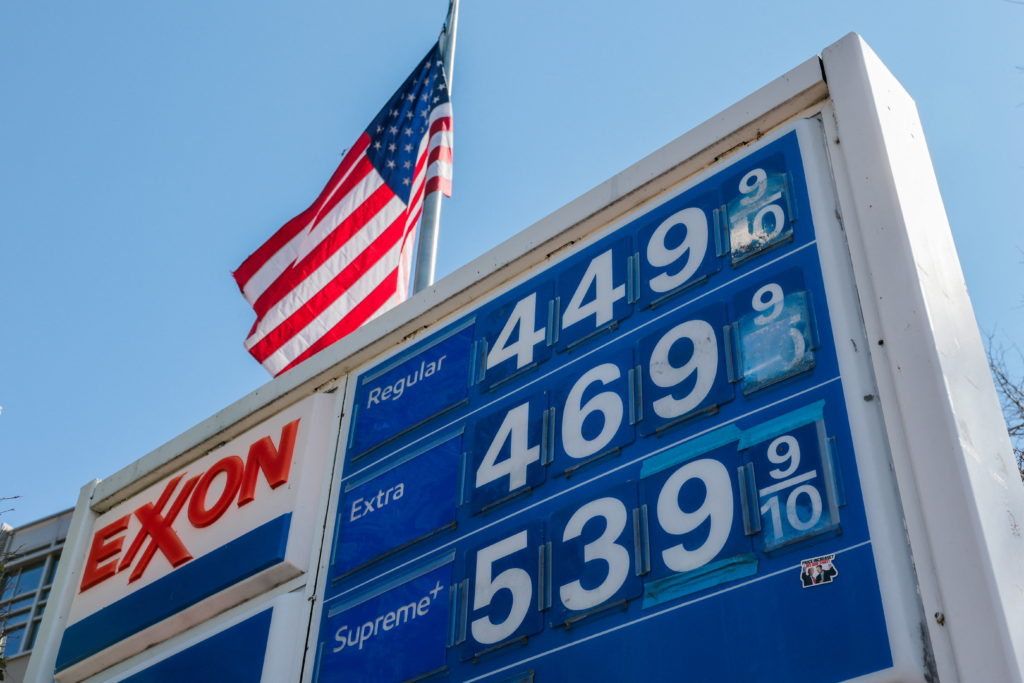
The biggest U.S. oil companies, Exxon Mobil and Chevron, showed lower profits on paper for the first quarter, despite rising oil and gasoline prices. This happened because financial hedges they used to protect against price changes did not work as planned after attacks involving the U.S. and Israel in February.
Key Facts
Exxon Mobil and Chevron reported lower profits on paper for the first quarter of the year.
Oil and gasoline prices increased sharply during this period.
The profit drop was due to financial hedges that did not perform well after attacks on Iran.
These hedges are a common strategy to reduce risk from price changes in the energy industry.
Both companies still reported adjusted profits above what Wall Street expected.
Shares of Exxon Mobil and Chevron rose before the stock market opened after the announcement.
The price of energy was lower at the start of the year, prompting the companies to use these hedges.
Read the Original
Want the full story? Tap a source to open the original
article.
Two Crayola craft toy boxes have been recalled because the sand inside might contain small amounts of asbestos, which can be harmful to health. The products were sold by several major retailers, and customers are advised to stop using them and return them for a refund.
Key Facts
The recall affects the Crayola Touchy Feely Craft Box and Crayola Discovery Craft Box.
The sand inside these kits might be contaminated with asbestos, a mineral linked to health risks.
These kits were made in China and sold by stores like Argos, Asda, Sainsbury's, and The Works.
The recall covers items sold between March or August 2025 and April 2026, depending on the box.
The government advises people to stop using the kits immediately and keep them away from children.
If the sand is still in packaging, it should be sealed in a heavy-duty plastic bag and stored safely.
When cleaning up used sand, gloves and masks should be worn to avoid breathing in dust.
Customers should contact the store they bought the kits from to get a refund.
Read the Original
Want the full story? Tap a source to open the original
article.
The article reviews different pressure washers available in the UK for cleaning outdoor spaces like patios, decking, and garden furniture. It compares 11 models based on their cleaning power, price, and features, showing which are the best overall, budget, cordless, and versatile options.
Key Facts
Pressure washers connect to a hose and spray water with force to remove dirt quickly.
The tester used the machines on patios, decking, car wheels, and other garden items.
11 pressure washers from various brands were tested under similar conditions.
The Ava Go P40 was rated the best overall pressure washer.
The Kärcher K 2 Classic was the best budget option, priced at £75.
Stihl REA 60 Plus was recognized as the best cordless model.
Nilfisk Core 140-6 was best for variable pressure settings.
Kärcher K 4 WCM Flex Eco Booster was noted for having the most useful accessories.
Some tested washers were donated to a charity supporting skills training and new businesses.
Read the Original
Want the full story? Tap a source to open the original
article.
In March, China’s Chery car company sold more Jaecoo 7 SUVs in the UK than any other car, marking a first for a Chinese brand in that market. Chery uses lower costs, large-scale production, and strong government support to compete with European carmakers and plans to expand further in Europe.
Key Facts
The Jaecoo 7 SUV became the bestselling car in the UK in March, selling 10,064 units.
Chery is a partly state-owned Chinese company that has been the largest Chinese exporter for 23 years.
Chery aims to combine the qualities of Tesla and Toyota and sold 2.8 million cars last year, including 1.3 million exports.
Making a Jaecoo 7 costs about $25,000, compared to $33,000 for a similar European SUV, due to lower materials and labour costs in China.
China’s government provides broad support to its car industry, including grants for robotics, artificial intelligence, and factory building.
Chery shares many parts and designs across different models, simplifying production and lowering costs.
European carmakers also receive aid but at a smaller scale compared to the comprehensive subsidies in China.
Chery is expanding sales in Europe with various brands in countries like the UK, Spain, and Italy.
Read the Original
Want the full story? Tap a source to open the original
article.