The number of UK companies facing serious financial trouble has increased by over a third in one year, mainly because of higher taxes and the impact of the Middle East conflict. Hospitality and leisure businesses are struggling the most due to falling consumer confidence and rising costs.
Key Facts
UK firms in critical financial distress rose by 36.9% in the first three months of this year compared to last year.
About 62,193 companies are now affected, up from 45,416 the previous year.
Higher taxes, including increased national insurance contributions and minimum wage, have pressured businesses.
Rising energy costs linked to the Iran war have contributed to financial problems.
Hospitality, leisure, and sports sectors saw the largest increases in distress, with hotels up 69.3% and leisure and culture firms up 65.9%.
Inflation, interest rates, and unemployment threaten to reduce consumer spending further.
Some UK holiday businesses might benefit if overseas trips are limited by jet fuel shortages and flight cancellations.
"Zombie" businesses—those barely able to pay debt interest—are at risk of failing this year.
Read the Original
Want the full story? Tap a source to open the original
article.
Residents at the Byker Wall housing estate will have their energy bills frozen in 2026-27 to provide cost stability. Newcastle City Council, which owns the district heat network supplying heat to the estate, has already issued refunds and reduced fees to help homeowners manage expenses.
Key Facts
Byker Wall homeowners previously paid over £200 a month for heating via a district heat network (DHN).
Newcastle City Council gave more than £56,000 in refunds last year, averaging about £646 per household.
The council will freeze bills for 167 private homeowners this year to offer financial certainty.
Bills are made up of an energy charge and an infrastructure charge; the energy charge is more affected by national gas prices.
Last year’s new DHN fees lowered heating bills by up to 31%.
The annual infrastructure charge will stay at £366.32, with an energy charge of £18.92 per square meter yearly.
Heat networks are now regulated by Ofgem, but not included in the energy price cap.
The council does not profit from the heat network and is reviewing all its heat networks to improve billing transparency and base charges on actual consumption.
Read the Original
Want the full story? Tap a source to open the original
article.
AstraZeneca has decided to invest £300 million in two sites in the UK, reversing its earlier decision to pause large projects. This new investment aims to support drug development and protect jobs in Cambridge and Macclesfield.
Key Facts
AstraZeneca paused large projects in the UK last year due to concerns about the business environment and NHS drug pricing.
The company will now invest £300 million in sites at Cambridge (its headquarters) and Macclesfield.
The investment includes completing the Rosalind Franklin building and creating a “lab of the future” using digital tools.
UK Labour leader Keir Starmer announced the investment, highlighting job protection in both locations.
AstraZeneca had previously stopped a £200 million investment in Cambridge and a £450 million vaccine facility in Merseyside due to reduced government support.
AstraZeneca CEO Pascal Soriot praised the government’s efforts to improve patient access to medicines.
AstraZeneca reported an 8% revenue increase to $15.3 billion, with strong growth in cancer and rare disease drugs.
GSK also showed growth in cancer drug sales, with vaccine sales rising slightly despite challenges in the US market.
Read the Original
Want the full story? Tap a source to open the original
article.
The Barclay brothers avoided bankruptcy by reaching a deal with HSBC over a debt of more than £140 million. HSBC stopped legal action after the brothers agreed to a repayment plan following their involvement with overdue loans linked to their business activities.
Key Facts
Aidan and Howard Barclay owed HSBC £143.5 million related to loans they personally guaranteed.
HSBC started legal action after the collapse of a company connected to the Barclay family’s courier service, Yodel.
The Barclay brothers agreed to a debt repayment plan called an individual voluntary arrangement (IVA).
The IVA requires the Barclays to pay HSBC’s legal costs, but details of the agreement were not made public.
If HSBC had won bankruptcy proceedings, they and other creditors could have taken and sold off the Barclays’ remaining assets.
Bankruptcy would have prevented the Barclays from holding company director roles for at least a year.
The Barclay family lost control of the Telegraph newspapers in 2023 due to earlier debts totaling £1.16 billion owed to Lloyds Bank.
The Barclay family has sold other assets recently, including the Ritz hotel and the Very Group shopping business.
Read the Original
Want the full story? Tap a source to open the original
article.
Oil prices have risen sharply to around $115 per barrel after reports that President Donald Trump plans to extend the blockade of Iran’s ports. The blockade aims to pressure Iran’s economy, and Iran has responded by disrupting shipping through the Strait of Hormuz, a critical route for global oil supplies.
Key Facts
Brent crude oil price rose to about $115 a barrel after news of a planned extended US blockade on Iran.
The blockade is intended to limit Iran’s oil exports and hurt its economy.
Iran has restricted shipping through the Strait of Hormuz, which carries about 20% of the world’s oil and natural gas.
The Strait of Hormuz has been effectively closed for weeks due to the ongoing conflict involving Iran, the US, and Israel.
Iran warned that ships near the strait could be targeted, increasing tensions in the region.
The US has declared it will intercept or turn back vessels going to or from Iranian ports.
Oil prices fell after a ceasefire in the nearby Israel-Lebanon conflict, but have recently risen again due to the blockade.
The World Bank predicts energy prices will rise 24% in 2026 if major disruptions from the Iran conflict end in May.
Read the Original
Want the full story? Tap a source to open the original
article.
The European Union will pay up to 70% of extra fuel and fertilizer costs for farmers, fishing businesses, and road hauliers affected by the war in Iran. Small businesses can get up to €50,000 each with minimal paperwork through a temporary aid program lasting until the end of 2024.
Key Facts
The EU launched emergency aid to cover higher fuel and fertilizer prices due to the Iran war.
Farmers, fishers, and transport sectors like road, rail, and waterways are eligible.
Each small business can claim up to €50,000 until December 31, 2024.
The aid covers up to 70% of extra electricity costs for energy-heavy industries.
Minimal paperwork is required; receipts for fuel purchases are not needed.
Airlines and airports are not included, but future help is possible.
The EU sees this aid as temporary to help sectors stay alive despite high energy prices.
Officials say the energy crisis could last years, making immediate support necessary despite long-term green goals.
Read the Original
Want the full story? Tap a source to open the original
article.
The Irish government has announced new financial aid to help certain workers and businesses with rising fuel costs after recent protests. The support includes two main schemes for transport operators, farmers, and fishers, with payments based on fuel usage and vehicle numbers.
Key Facts
The government had already cut fuel taxes but added more support following nationwide protests over fuel prices.
The Road Transporters Supports Scheme is worth €120 million and helps hauliers and bus/coach operators, with payments based on the number of vehicles they have.
Operators with up to 5 vehicles will get €1,350 per vehicle; those with 6 to 20 vehicles get €790 per vehicle; those with more than 21 vehicles receive €300 per vehicle.
The Fuel Support Scheme, costing €100 million, targets farmers, agricultural contractors, and fishers to help with the cost of green diesel.
Support from the Fuel Support Scheme is approximately 20 euro cents per litre or €200 per 1,000 litres, covering March to July 2024.
The government has spent a total of €755 million on fuel supports in recent months, including tax cuts and these new measures.
Planned increases to the carbon tax have been postponed to ease costs.
Applications for the transport scheme will open in May, and payments will be backdated to March when diesel prices exceeded €1.90 per litre.
Read the Original
Want the full story? Tap a source to open the original
article.
Low-cost airlines in the U.S. are facing serious financial problems due to rising fuel prices and growing debt. They have asked President Donald Trump’s administration for $2.5 billion in federal help to cover higher fuel costs and keep ticket prices low.
Key Facts
Budget airlines have requested $2.5 billion from the federal government to help with increased fuel expenses.
Jet fuel prices have risen sharply because of conflict-related disruptions in the Middle East, increasing over 55% since the crisis began.
Fuel expenses make up over 28% of airline operating costs.
The Association of Value Airlines, which includes Spirit, Frontier, Allegiant, Avelo, and Sun Country, made the federal aid request.
Spirit Airlines has faced bankruptcy multiple times and may need government assistance to avoid shutting down.
President Donald Trump has shown concern for budget airlines’ finances and may support aid efforts.
Some airlines like JetBlue refuse bankruptcy and plan to reduce costs and cut unprofitable routes instead.
Smaller budget airlines serve airports that larger airlines often ignore, offering cheaper nonstop flights to many travelers.
Read the Original
Want the full story? Tap a source to open the original
article.
Ghirardelli Chocolate Company has recalled several powdered hot chocolate and frappe mixes due to a possible presence of salmonella in milk powder from a supplier. The recall affects products mainly sold to food-service providers but may also include items sold online, and no illnesses have been reported so far.
Key Facts
The recall covers 13 powdered drink products, including chocolate, white chocolate, mocha, vanilla, and frappe mixes.
Most recalled items were sold in bulk to cafés, restaurants, and catering companies.
The milk powder supplier identified a potential salmonella risk, leading to the recall.
No confirmed cases of salmonella illness or contamination have been reported in the finished products.
Best-before dates on recalled products range from February 2027 to January 2028.
Salmonella is a common foodborne illness that can cause diarrhea, fever, stomach pain, and vomiting.
People at higher risk include young children, older adults, pregnant women, and those with weak immune systems.
Consumers are advised to stop using recalled products and follow return or disposal instructions.
Read the Original
Want the full story? Tap a source to open the original
article.
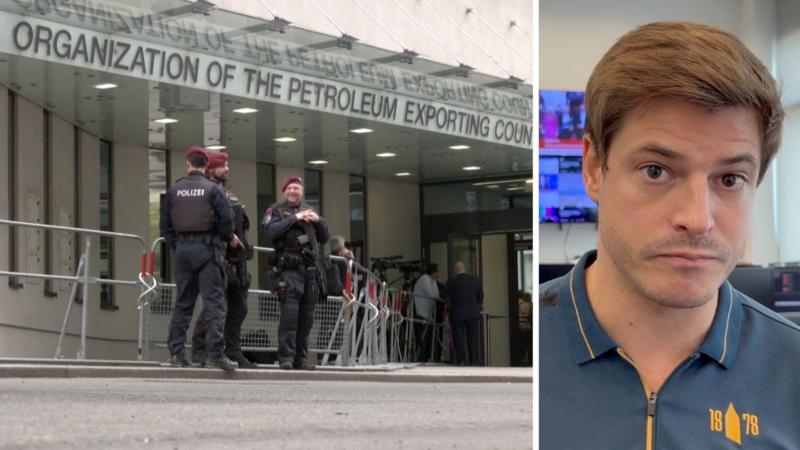
The United Arab Emirates (UAE) has decided to leave OPEC, the group of countries that produce most of the world’s oil. This is important because OPEC controls oil production levels and affects global oil prices.
Key Facts
The UAE was a member of OPEC for nearly 60 years.
OPEC is mainly made up of Gulf countries that export oil.
OPEC manages how much oil its members produce to influence global prices.
The UAE’s exit is sudden and seen as a setback for OPEC.
Changes in OPEC’s membership and decisions can impact oil prices worldwide.
Higher or lower oil prices affect the cost of fuel and goods for consumers everywhere.
The UAE leaving may change how OPEC coordinates oil production in the future.
This event could have economic effects beyond just the oil industry.
Read the Original
Want the full story? Tap a source to open the original
article.
CEOs of the top U.S. utility companies received an average pay raise of 16% last year, reaching $12.3 million each. This increase happened while many customers faced higher utility bills and frequent power shutoffs.
Key Facts
CEO pay at 38 of 51 major U.S. utilities increased last year.
The average CEO salary for these companies is now $12.3 million.
Utility bills have risen by up to 40% in some areas since 2021.
Utilities shut off power to customers 13 million times nationwide in 2024.
Customers have paid over $5 billion towards utility CEO salaries since 2017.
CEOs received perks such as private jets and condos, sometimes paid for by customers.
Some CEOs got pay raises despite their companies having poor performance and many outages.
State utility commissions regulate these companies, and customers often cannot choose their utility provider.
Read the Original
Want the full story? Tap a source to open the original
article.
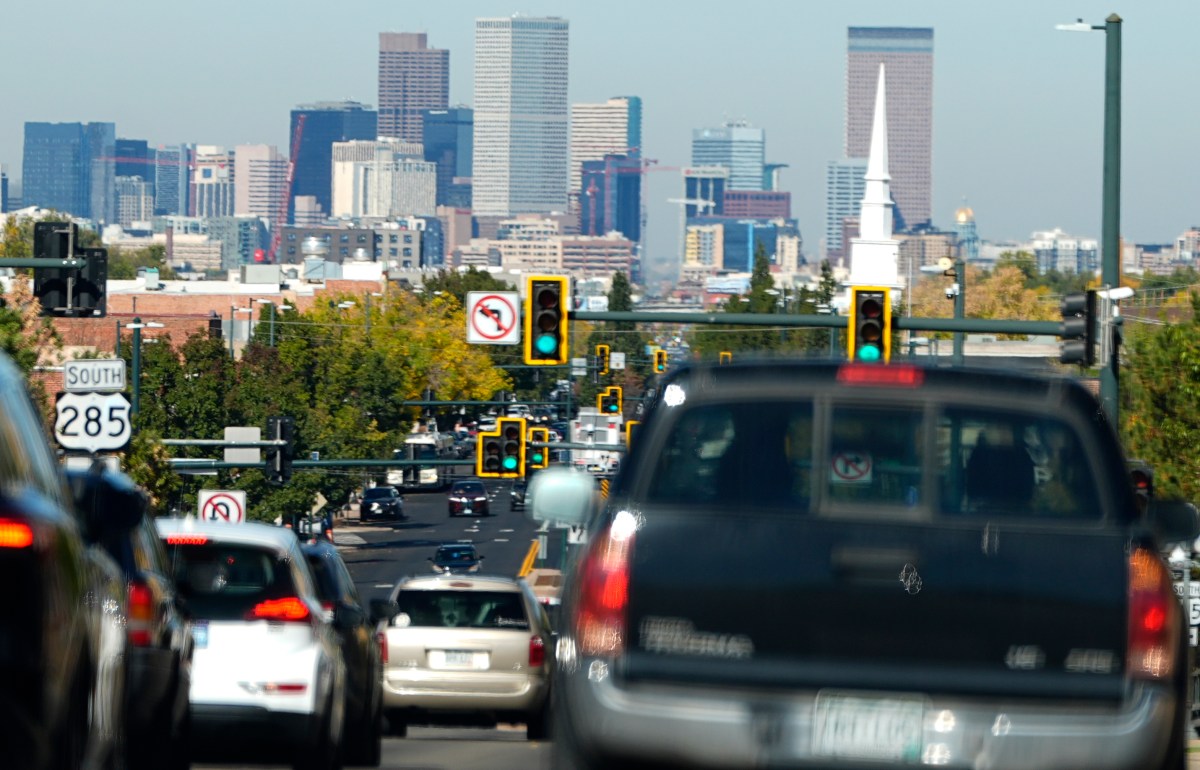
Denver has the fastest falling home values among major U.S. cities, with prices dropping 2.2% in February compared to a year ago. Many other cities, especially in the Sun Belt and West, are also seeing home prices decline due to more homes for sale and less demand, while some areas in the Northeast and Midwest still see rising prices.
Key Facts
Denver's home values fell 2.2% year over year in February, the largest drop in the country.
Tampa had the second biggest decline, down 2.1%.
Over half of major U.S. metro areas showed lower home prices in February.
Cities with notable declines include Seattle (-2%), Phoenix (-1.8%), Dallas (-1.7%), Las Vegas (-1.1%), and Portland (-0.9%).
The housing market is split: supply-rich areas like the Sun Belt and West face price drops, while supply-limited Northeast and Midwest regions often see prices rise.
Falling demand and increased new home construction contribute to more homes for sale and lower prices in some areas.
Factors affecting Denver include reduced migration to the state, higher building and insurance costs, and changes in mortgage rates reducing affordability.
Experts say these changes show market fragmentation, not a full national housing market decline.
Read the Original
Want the full story? Tap a source to open the original
article.
The United Arab Emirates (UAE) is leaving OPEC, the group of major oil-producing countries, to focus on its own national interests. This departure adds pressure on OPEC, which is already dealing with problems like the closure of the Strait of Hormuz, a key oil shipping route.
Key Facts
The UAE announced it will leave OPEC, the global oil cartel.
The decision is based on protecting the UAE’s national interests.
OPEC is currently facing a crisis due to the closure of the Strait of Hormuz, an important route for oil shipments.
The UAE’s exit is seen as a significant setback for OPEC.
The news was reported by France 24 on April 29, 2026.
Other topics in the same report include Airbus’s weak quarterly results and Purdue Pharma’s $5.5 billion fine for its role in the US opioid crisis.
The Strait of Hormuz closure affects global oil supply and increases challenges for oil producers.
Read the Original
Want the full story? Tap a source to open the original
article.
Lloyds Bank says the conflict in the Middle East could cost it £151 million and cause slower growth and higher unemployment in the UK this year. The bank predicts UK economic growth to be weak, unemployment to rise, and inflation to increase, mainly due to higher energy prices.
Key Facts
Lloyds expects a £151 million cost from the Middle East conflict’s economic effects.
UK economic growth forecast is 0.5% for this year, lower than the IMF’s 0.8% estimate.
UK unemployment is expected to rise to 5.6% by late 2024, up from 4.9% in February.
Inflation in the UK is currently at 3.3% but is forecast to reach 3.9% by the end of the year due to rising oil prices (over $114 per barrel).
Lloyds does not expect the Bank of England to raise interest rates this year or cut them before 2027.
Lloyds reported a £295 million impairment charge this quarter, slightly lower than last year.
Lloyds’ pre-tax profits rose by one-third to £2 billion in the first quarter, beating analyst predictions.
The banking sector’s profits have increased amid market volatility caused by the Iran war; oil companies are also making high profits.
Read the Original
Want the full story? Tap a source to open the original
article.
People in North East Lincolnshire will vote for local council members on May 7. Each of the 15 wards has one seat available. The article also mentions plans for Freshney Place, a shopping center.
Key Facts
Local elections for North East Lincolnshire Council will take place on May 7.
Voters will choose 15 councillors, one for each ward.
The article discusses shopper opinions about the future of high streets, which are main shopping streets in towns.
Freshney Place is a shopping center involved in local development plans.
The focus is on the local shopping experience and community representation.
The event is part of England’s ongoing local elections cycle.
Read the Original
Want the full story? Tap a source to open the original
article.
The U.S. currently has the most billionaires and millionaires in the world, but many ultra-rich people born outside the U.S. are starting to invest and live in other countries as well. Cities like Singapore and Dubai are becoming popular alternatives, while the U.S. stays important due to its strong economy and innovation.
Key Facts
Forty percent of the world’s ultra-rich live in the U.S., with about 205,000 as primary residents.
Ultra-high-net-worth individuals are defined as people with $30 million or more in investable assets, not counting their main home.
Foreign-born ultra-rich people in the U.S. are diversifying by investing and living in multiple countries.
The number of people with over $5 million is expected to grow to 7.7 million by 2030.
The ultra-rich group is forecast to grow by 34% to about 734,100 people by 2030.
Their combined wealth is expected to rise from $63 trillion to $84 trillion by 2030.
London is losing popularity among the wealthy, while Singapore and Dubai are becoming more attractive.
U.S. remains a key wealth hub due to large capital markets, strong infrastructure, and innovation, especially in technology.
Economic uncertainty and higher taxes in some U.S. states are encouraging the wealthy to spread their wealth and residences across more countries.
Read the Original
Want the full story? Tap a source to open the original
article.
Newsweek has published a gift guide for Mother’s Day 2026 featuring luxury and unique products. The guide highlights items like advanced fitness wearables, fine wines, skincare, jewelry, and high-end home goods designed for different interests.
Key Facts
The guide includes a wearable exoskeleton that reduces physical strain by up to 39%, priced at $1,999.
A wine gift box features two premium Landmark Vineyards vintages, costing $130.
Skincare options include a collagen-infused moisturizer and a facial mist designed to support skin health.
Luxury jewelry items like a sapphire ring with diamonds and a diamond-studded watch are featured.
Beauty tech tools like a 24k gold-plated vibrating facial bar are included.
Home products include a large, long-burning scented candle and a spacious jewelry box made of vegan leather.
The gifts aim to be thoughtful, durable, and appealing to women with diverse tastes and lifestyles.
Prices range from around $75 to several thousand dollars, reflecting the premium nature of the items.
Read the Original
Want the full story? Tap a source to open the original
article.
Fifa is close to getting a tax exemption for all 48 World Cup 2026 national teams from the US government. This means these teams could avoid paying federal taxes on their World Cup earnings, although they may still owe state and local taxes.
Key Facts
Fifa has been working with the US Treasury and President Donald Trump’s World Cup taskforce to secure tax exemptions.
National associations can apply for tax-exempt status under section 501(c)(3) of the US tax code.
To qualify, organizations must not benefit private individuals or engage in political activities.
Fifa itself has been tax-exempt in the US since the 1994 World Cup but could not extend this to member associations before.
Canada and Mexico, the other two 2026 World Cup hosts, already provide tax exemptions for their national teams.
Getting US tax exemption will save national teams millions of dollars and reduce financial worries about participation costs.
Fifa increased the prize money and participation fund by 15%, totaling $871 million, guaranteeing $12.5 million to each qualifying team.
The tax exemption process is ongoing, and final approval is not yet confirmed.
Read the Original
Want the full story? Tap a source to open the original
article.
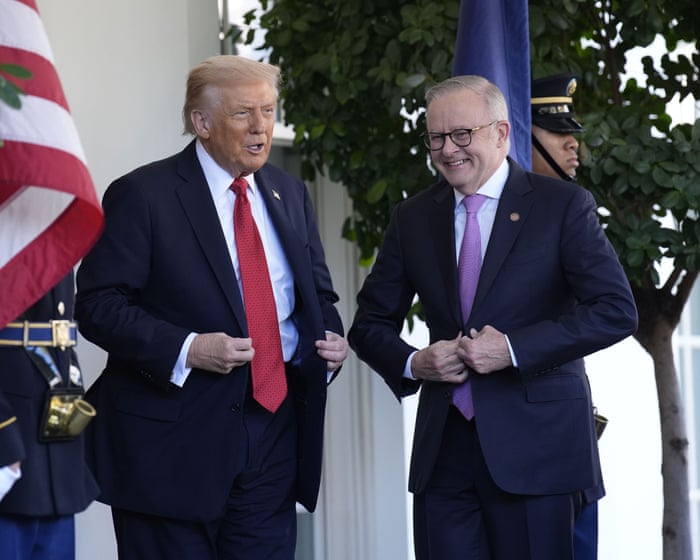
The Trump administration called Australia’s new law requiring big tech companies to pay news publishers “extortion.” Australian Prime Minister Anthony Albanese said the law is meant to protect news organizations and fairly reward their work. Tech companies like Google and Meta, and a U.S. industry group, criticized the law and urged the U.S. government to respond.
Key Facts
Australia passed a law making big tech firms pay news publishers or face a 2.25% levy.
Prime Minister Albanese said the law values journalists’ intellectual property and creativity.
The law encourages deals between tech companies like Meta, Google, TikTok, and Australian news outlets.
The Trump administration called the law “foreign extortion” and wants to defend U.S. tech companies.
A U.S. tech industry group called the law “discriminatory” and warned it could violate trade rules.
Google and Meta criticized the law, saying it unfairly targets their companies.
Some Australian politicians, including Nationals leader Matt Canavan, support the law.
The Greens want more details on how the deals and funding will work before fully supporting it.
Read the Original
Want the full story? Tap a source to open the original
article.
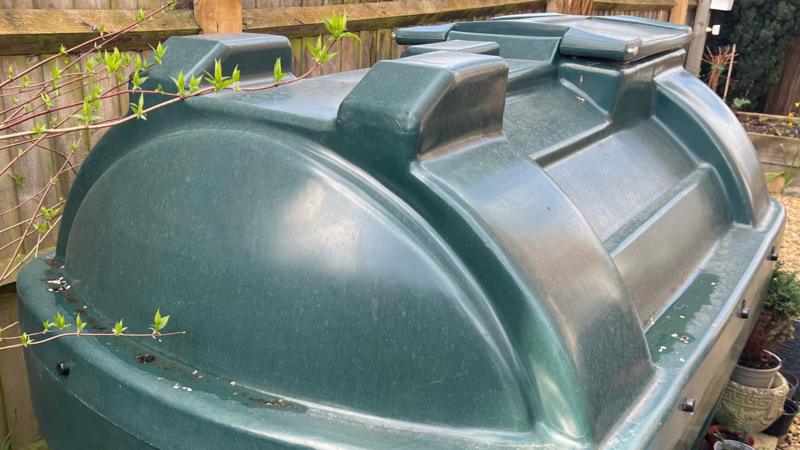
Families in North Northamptonshire who use heating oil and have low oil levels can apply for a £150 emergency grant to help pay for heating oil. This support targets low-income and vulnerable households facing high prices due to recent increases caused by international conflicts.
Key Facts
The grant is £150 and is provided as a prepaid card through the Huggg voucher platform.
Only households with oil tanks at 30% capacity or less qualify.
The grant is for emergency heating oil needs, not regular or planned purchases.
It is meant for families who cannot afford the minimum cost of an oil delivery.
Heating oil prices increased sharply after the US-Israeli war involving Iran.
Unlike gas and electricity, heating oil prices are not controlled by the UK energy regulator Ofgem.
The support focuses on rural communities where heating oil is common.
North Northamptonshire Council runs this program to prevent health or safety risks from lack of heating.
Read the Original
Want the full story? Tap a source to open the original
article.