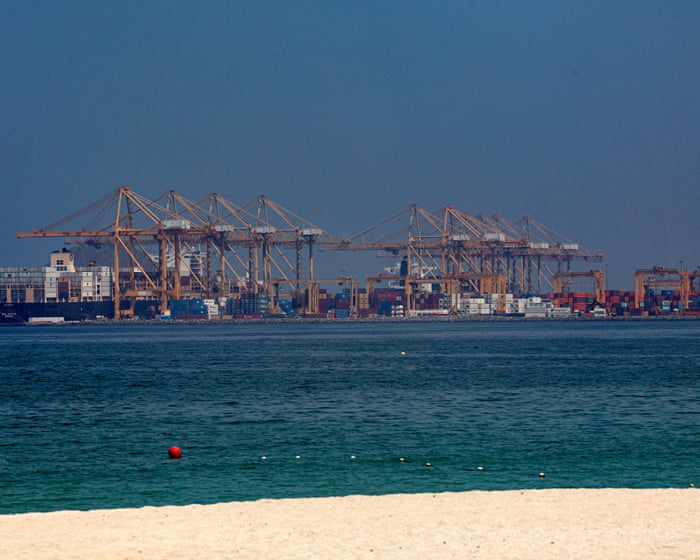
Stocks fell sharply after President Trump announced that the ceasefire with Iran is over. Oil prices rose more than 6% due to fears that new conflict could disrupt oil supply through the Strait of Hormuz.
Key Facts
President Trump said the ceasefire with Iran has ended and called dealing with Iran a waste of time.
Iran's Islamic Revolutionary Guard Corps attacked three oil tankers in the Strait of Hormuz, and the U.S. responded with strikes.
Brent crude oil price rose 6.3% to $78.80 per barrel; West Texas Intermediate oil rose 6.4% to $75 per barrel.
Major U.S. stock indexes dropped: Dow Jones fell 479 points (0.9%), S&P 500 down 0.4%, Nasdaq declined 0.2%.
The U.S. government revoked a recent waiver allowing Iranian oil sales, tightening sanctions after the tanker attacks.
Higher oil prices could increase inflation by raising gas and transport costs, complicating economic recovery and possibly leading to higher interest rates.
Experts say the ceasefire was fragile and the market is uncertain if the conflict will escalate or calm down.
Some analysts believe the White House prefers a diplomatic solution and expects the situation to stabilize eventually.
Read the Original
Want the full story? Tap a source to open the original
article.
A recent study shows that about half of millennials feel they must choose between financial stability and having children. Younger generations, including Millennials and Gen Z, experience financial stress when deciding whether to become parents.
Key Facts
Around 50% of millennials report feeling pressure to decide between financial security and starting a family.
Both Millennials and Gen Z face financial challenges related to having children.
The study highlights a connection between economic concerns and family planning among young adults.
Financial stability is a key factor influencing the decision to become a parent.
CBS News business analyst Jill Schlesinger offers advice on handling this kind of pressure.
The information comes from research covered in a CBS News report.
Read the Original
Want the full story? Tap a source to open the original
article.
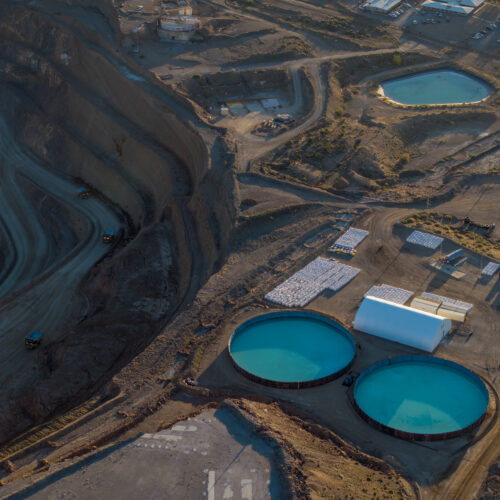
US companies backed by the government are producing rare earth metals but mostly selling them to Asian countries like Japan and South Korea, because US demand is still low. These metals are important for technologies such as electric vehicles, weapons, and electronics, and the US is trying to develop its own supply chain to reduce dependence on China.
Key Facts
US rare earth companies MP Materials, Energy Fuels, and Phoenix Tailings have received billions in government support.
These companies are selling rare earth metals mainly to Japanese and South Korean manufacturers.
China currently controls much of the global rare earth supply and has limited exports, causing concern for US national security.
Rare earth metals are used in many technologies, including electric vehicle batteries, weapons, and electronics.
MP Materials leads US rare earth production and sells most of its products through a deal with a Japanese company.
Energy Fuels plans to send oxides to South Korea and is acquiring companies in South Korea and Germany to expand production.
The US produces far fewer rare earth magnets than Japan, South Korea, and China.
The US government is pushing to grow the domestic rare earth industry but it will take time.
Read the Original
Want the full story? Tap a source to open the original
article.
Specialty farmers, who grow fruits and vegetables, are facing challenges due to extreme heat caused by human-driven climate change. They are adjusting their farming practices, such as changing harvest times and protecting crops, to deal with hotter and more unpredictable weather.
Key Facts
A recent heat dome brought intense heat and humidity to some farming areas.
This heat is part of a larger pattern of extreme weather linked to climate change.
Specialty farmers often do not have the same financial protections as large commodity crop growers when weather is bad.
Farmers like Annie Woods work during cooler parts of the day and take steps to protect themselves and their crops from heat.
Extreme heat can damage crop quality and lead to faster ripening or crop loss.
Heat and humidity also increase risks of plant diseases and pests.
Farmers use greenhouses with fans and keep seedlings in cooler places to help young plants survive.
Protecting crops and changing harvest schedules are key ways farmers adapt to climate-related challenges.
Read the Original
Want the full story? Tap a source to open the original
article.
The article explains how people can find bank accounts they have lost track of. A finance expert, Laura Pomfret, gives tips on how to locate these accounts.
Key Facts
The article is about finding lost bank accounts.
Laura Pomfret, a finance expert, provides advice on this topic.
The information is presented in a video format.
The video requires JavaScript enabled to play.
It is available with subtitles on BBC iPlayer, in the Morning Live program from 08/07/2026.
The article was published very recently, just 16 minutes ago.
Read the Original
Want the full story? Tap a source to open the original
article.
Slate is building a new factory in Warsaw, Indiana to make electric trucks. The factory is almost finished and already producing parts of the trucks, with more production steps planned to start by the end of summer.
Key Facts
Slate’s manufacturing plant has two buildings, West and East, to build electric trucks.
One year ago, the plant was just an empty shell, but now floors and major structures are complete.
The company is making the "body in white," which is the truck frame before painting.
Quality checks include tearing down some frames and using ultrasonic tools to inspect welds.
About 70% of the rust-proofing and baking area is ready, expected to be fully operational by late summer.
Slate will also move parts of its bonding process from a Michigan supplier to the Indiana plant by the end of summer.
The assembly area and production lines for truck parts like chassis and seats are being installed and prepared.
Slate’s vehicle president spends part of her week onsite to oversee the factory progress.
Read the Original
Want the full story? Tap a source to open the original
article.
The International Monetary Fund (IMF) has raised its forecast for UK economic growth this year from 0.8% to 1%, making it the third fastest-growing economy among the G7 nations in 2026. The IMF cited slower-than-expected negative effects from the Middle East conflict and a boost from advances in artificial intelligence (AI), while warning that risks remain from ongoing global uncertainties.
Key Facts
The IMF now expects the UK's economy to grow by 1% in 2026, up 0.2 percentage points from April’s forecast.
The UK’s 2027 growth forecast remains unchanged at 1.3%.
The US is predicted to grow by 2.3%, helped by increased AI investment.
Canada, an oil exporter, is forecasted to grow by 1.1%.
Inflation in the UK stayed steady in May, with markets expecting only one interest rate rise by next spring.
Global economic growth is forecast at 3% in 2024 and 3.4% in 2025, down from 3.5% in previous years.
The IMF notes that higher oil and energy prices have been partly balanced by growth in technology demand, especially AI.
The IMF warns of ongoing risks from renewed conflict in the Middle East and possible sharp corrections in technology-related markets.
Read the Original
Want the full story? Tap a source to open the original
article.
Oil prices rose sharply after President Donald Trump said that talks to end conflict with Iran are a "waste of time" following new U.S. strikes on Iran. Although prices increased, the market does not expect a full return to war or a long closure of the Strait of Hormuz, a key shipping route.
Key Facts
Brent crude oil price reached $77.53 per barrel, about $5 higher than the start of the week.
President Trump stated the Iran ceasefire is "over," but negotiations might still continue.
The U.S. conducted strikes in response to Iranian attacks on commercial ships in the Strait of Hormuz.
Oil prices are rising but remain far below peaks from earlier in the year when prices hit $126 per barrel.
The market expects some uncertainty and higher costs in shipping due to risks around vessel safety and delays.
The U.S. revoked temporary waivers that allowed Iran to sell oil under a previous agreement.
Despite the waiver revocation, Iran is still able to sell significant amounts of oil.
If oil prices keep rising, U.S. gasoline prices might increase again after weeks of decline.
Read the Original
Want the full story? Tap a source to open the original
article.
The Rolling Stones released a new album called "Foreign Tongues," their 25th studio album. The songs show the band’s lasting creativity, featuring guest artists like Paul McCartney and Bruno Mars, and touch on themes of aging, personal reflection, and politics.
Key Facts
"Foreign Tongues" is the Rolling Stones’ 25th studio album.
Mick Jagger sings about getting older and staying home in the song "Mr. Charm."
The album includes political themes, especially about current America.
Guest musicians include Paul McCartney on bass and Bruno Mars on cowbell.
The late Charlie Watts, the band’s original drummer who died in 2021, plays on one track.
The album continues the band’s creative surge, following their 2023 album "Hackney Diamonds."
Songs like “Divine Intervention” and “Back in Your Life” have strong guitar and vocal performances.
The album has no weak tracks and features a blend of rock and emotional lyrics.
Read the Original
Want the full story? Tap a source to open the original
article.
Blue Origin, the space company founded by Jeff Bezos, is raising $10 billion from private investors for the first time, valuing the company at $130 billion. Bezos will invest $2 billion himself, while other investors like Coatue Management and large institutions will contribute the rest to help Blue Origin compete with SpaceX.
Key Facts
Blue Origin was founded in 2000 by Jeff Bezos.
The company aims to be a leader in spaceflight, building heavy rockets, lunar landers, and satellite constellations.
Blue Origin is raising $10 billion in private capital, including $4 billion from Coatue Management, $4 billion from institutional investors, and $2 billion from Bezos.
This new funding comes after years of Bezos funding Blue Origin almost entirely by himself.
The company’s main rocket, New Glenn, exploded in May, destroying its launch pad in Florida.
Bezos and Blue Origin’s CEO, Dave Limp, are quickly working to rebuild and plan to fly New Glenn again, possibly within a year.
Blue Origin competes with SpaceX, which has a much higher valuation of around $2 trillion after recent funding.
Blue Origin plans include two large satellite networks to provide internet services worldwide.
Read the Original
Want the full story? Tap a source to open the original
article.
U.S. stock markets are expected to fall after President Donald Trump said the ceasefire with Iran has ended. Oil prices increased sharply due to concerns about more conflict affecting oil flow through the Strait of Hormuz.
Key Facts
President Trump declared the ceasefire with Iran "over" and called talks with Iran a "waste of time."
Iran's Islamic Revolutionary Guard Corps attacked three tankers in the Strait of Hormuz, leading to U.S. military strikes.
Oil prices rose about 6%, with Brent crude reaching $78.80 per barrel and West Texas Intermediate hitting $75 per barrel.
Stock futures showed declines: Dow Jones fell 1%, S&P 500 dropped 0.8%, and Nasdaq decreased 1.3%.
The U.S. government revoked a waiver that allowed Iranian oil sales, tightening sanctions after the tanker attacks.
Higher oil prices could increase inflation by raising gasoline and transport costs, potentially affecting Federal Reserve policies.
Some experts think the conflict may flare temporarily but believe the White House wants to avoid full military escalation.
Energy markets have adjusted by finding alternative oil routes and responding to lower global demand.
Read the Original
Want the full story? Tap a source to open the original
article.
The BBC’s new director general, Matt Brittin, said the current TV licence fee system is outdated and not working well. He suggested that the government should consider a new way to charge households for BBC funding, such as a compulsory fee included in utility bills like electricity or broadband.
Key Facts
Matt Brittin became BBC director general six weeks ago.
The BBC mainly gets money from a £180-a-year TV licence fee.
Fewer households are paying the TV licence fee, dropping to 80%.
Brittin called the licence fee model "yesterday's model" and "no longer fit for purpose."
He proposed a household levy collected through utility bills, which the government has previously ruled out.
Alternatives like adverts or subscriptions could reduce BBC services like children’s shows and local news.
The BBC is cutting about 2,000 jobs to save £500 million.
The current BBC funding agreement expires in 2027 and is under public review.
Read the Original
Want the full story? Tap a source to open the original
article.
The Dutch branch of Tata Steel is facing legal action for allegedly releasing harmful substances into the environment, which could harm public health. The prosecutor’s office found enough evidence to bring criminal charges related to steel production processes and poor maintenance, and a court hearing is set for November 20.
Key Facts
The Dutch prosecutor’s office accuses Tata Steel's Dutch branch of unlawfully releasing harmful substances into the air.
The case began after a 2022 complaint from over 800 people represented by a lawyer.
The investigation focuses on Tata Steel’s coke oven gas plants, which process coal into coke for steel production.
Tata Steel is also suspected of poor maintenance, operating without permission, and not reporting several incidents.
Coke production involves toxic emissions that can affect public health.
Tata Steel says it is working to reduce under-baked coke and has made technical improvements.
The prosecutor is also investigating if managers could be personally responsible.
A preliminary court hearing is scheduled for November 20 in Amsterdam District Court.
Coke: a fuel made by heating coal without air, used in making steel.
Under-baked coke: coke that is not fully processed, causing more pollution.
Read the Original
Want the full story? Tap a source to open the original
article.
Many Americans cannot afford to buy their first home because home prices have grown much faster than incomes. A study by LendingTree found that only about 38% of first-time buyers in the U.S. can afford a starter home in their state, with big differences between states.
Key Facts
Over 62% of nonhomeowners in the U.S. cannot afford to buy a starter home.
The average starter home costs about $200,000 nationwide.
The median income for nonhomeowners is $7,099 less than the $62,099 needed to buy a starter home.
States in the South, like Mississippi and West Virginia, have the highest affordability, with over 50% of nonhomeowners able to buy a starter home.
The Northeast and West, especially Rhode Island and California, are the least affordable areas for first-time buyers.
In Rhode Island, only 16.5% can afford a starter home priced around $350,000.
In California, the average starter home costs $482,000, and only 21.3% of nonhomeowners can afford one.
Rising home prices and slow wage growth make it harder for people to buy homes and build wealth.
Read the Original
Want the full story? Tap a source to open the original
article.
The German car industry warns that many jobs could be lost across Europe without bold action to handle competition from China and other rivals. Volkswagen plans to cut up to 100,000 jobs by 2030, triggering protests, and industry leaders say Germany may need to allow foreign ownership of car plants to save jobs.
Key Facts
Volkswagen plans to cut up to 100,000 jobs by 2030, double its previous plan.
The German Association of the Automotive Industry (VDA) says bold decisions are needed to face competition, especially from China.
The VDA suggests allowing foreign manufacturers to take over some German car plants to keep jobs.
Europe’s car production capacity exceeds demand by over 5 million vehicles annually, equal to closing about 35 factories.
The automotive industry employs about 3 million people in Germany, directly and indirectly.
Trade unions like IG Metall are organizing protests against planned job cuts at Volkswagen locations.
The VDA warns politicians that factories cannot be protected from changes in business and market conditions.
The car industry’s challenges include fewer cars being bought in Europe and overcapacity in production, especially in China.
Read the Original
Want the full story? Tap a source to open the original
article.
Vistry Group, a major housebuilder in the UK, expects to lose £30 million before tax in the first half of 2024 due to heavy discounting of unsold homes. The company has reduced its unsold home inventory but faces weaker market conditions and rising mortgage costs linked to economic uncertainty and global events.
Key Facts
Vistry Group is one of Britain’s largest housebuilders and was formerly known as Bovis.
The company predicted a £30 million loss before tax between January and June 2024.
It cut prices by an average of 7.1% to sell homes, compared to 1.4% last year.
Unsold private homes decreased from £600 million to less than £300 million.
Market challenges include higher mortgage rates and lower buyer confidence due to the Middle East war and economic concerns.
Vistry plans to reduce annual costs by £25 million by offering voluntary redundancies and cutting hiring.
The finance director, Tim Lawlor, will leave the company in October.
Vistry is involved in building social housing and is waiting on government grants tied to a £39 billion affordable housing program.
Read the Original
Want the full story? Tap a source to open the original
article.
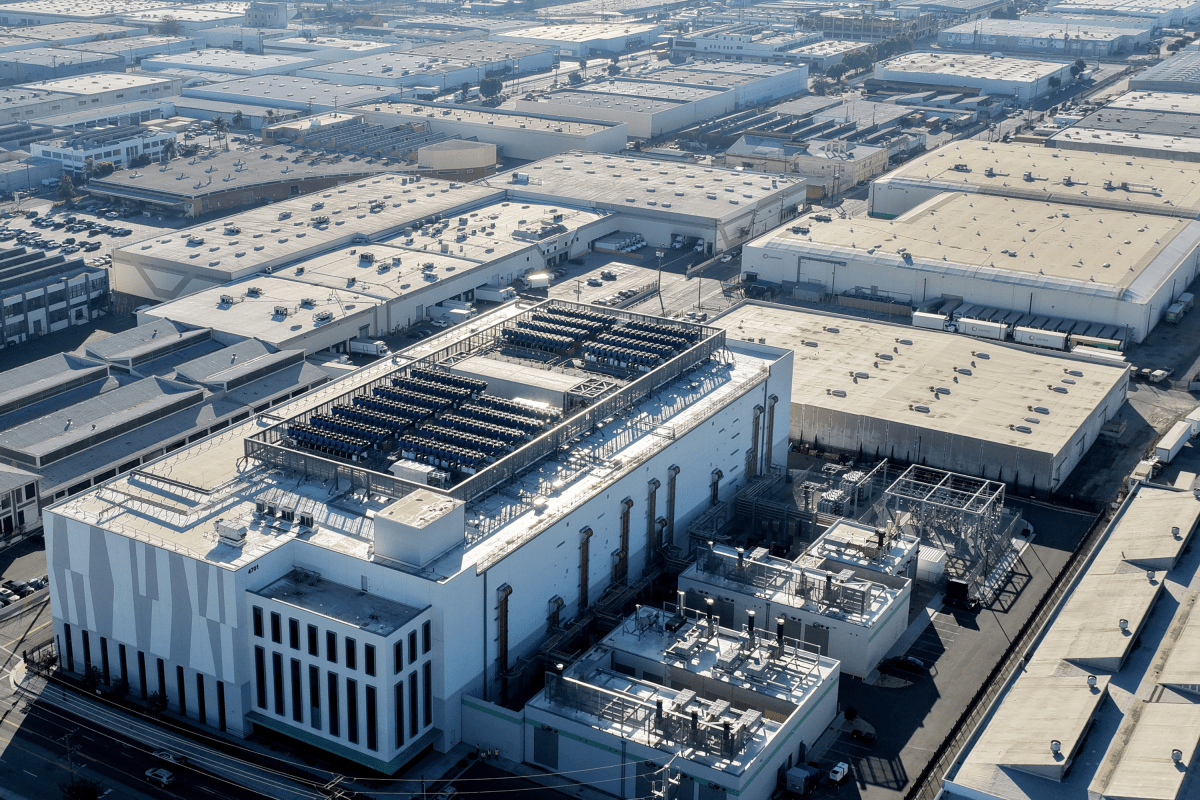
Arizona has paused new tax breaks for data centers for three years while it reviews the benefits and drawbacks of these incentives. Other states are also reconsidering such tax incentives due to concerns about environmental impact, utility demands, and community costs.
Key Facts
Arizona froze new data center tax incentives for three years starting July 1.
The pause affects new applications and renewals of the state's data center tax exemption program.
Governor Katie Hobbs supports a review to balance economic growth with concerns about groundwater use and utility strain.
Arizona adopted its data center tax incentives in 2013 to attract technology investment.
The pause is estimated to save the state about $57 million.
Residents have raised concerns about water use, environmental effects, and infrastructure costs related to new data centers.
At least 28 states introduced proposals in 2026 to change or limit data center tax incentives.
Some states, like Illinois, Massachusetts, and Virginia, are pausing or debating changes to incentives to address community and environmental concerns.
Read the Original
Want the full story? Tap a source to open the original
article.
Edmunds has identified five used sedans that cost under $15,000 and offer good comfort, reliability, fuel economy, and modern features. The recommended cars include four small sedans and one midsize sedan, all with high reliability ratings and available in recent model years.
Key Facts
The average price for a 3-year-old used car is over $30,000, but these sedans offer a more affordable option under $15,000.
Recommended models include the 2016 Honda Civic, 2019 Kia Forte, 2016 Mazda 3, 2015-2017 Toyota Corolla, and 2019 Chevrolet Malibu.
Each car scores well on Edmunds’ ratings and has a reliability score of at least 4 out of 5 from RepairPal.
The 2016 Honda Civic was redesigned with new styling, a roomier interior, and an optional turbocharged engine.
The Kia Forte offers sharp styling, a quiet interior, good fuel economy, and a large trunk.
The Mazda 3 is known for its stylish look and fun driving experience.
The Toyota Corolla provides advanced driver assist features and comfortable driving.
The Chevrolet Malibu is the only midsize sedan on the list, offering more passenger space and updated infotainment technology.
Read the Original
Want the full story? Tap a source to open the original
article.
Severn Trent Water broke rules on managing wastewater but avoided a fine because it took responsibility and started fixing the problems before being formally investigated. The company invested £98 million to improve its system, leading to fewer sewage spills despite heavy rainfall.
Key Facts
Severn Trent Water serves over eight million people in England and Wales.
The company failed to properly manage sewers, breaching its wastewater duties.
Ofwat, the water industry regulator, investigated and found serious breaches.
Severn Trent began correcting issues proactively before Ofwat opened an enforcement case in July 2024.
The company invested £98 million from shareholders to improve infrastructure.
Sewage spills dropped by 41% per storm overflow in 2025 compared to 2024.
Ofwat accepted a formal agreement to ensure Severn Trent returns to full compliance.
Other water companies investigated have faced fines totaling over £300 million, including a £104.5 million fine for Thames Water.
Read the Original
Want the full story? Tap a source to open the original
article.
Polymarket, a prediction market app, has returned to the U.S. market after four years of being offshore due to legal issues. The company is investing in marketing and hiring compliance experts to show that its new U.S.-based platform is trustworthy and follows regulations.
Key Facts
Polymarket had to leave the U.S. market in 2022 after settling charges for operating an unregistered derivatives market.
The company now runs a new U.S. platform after acquiring a licensed derivatives exchange called QCEX.
Polymarket U.S. operates under U.S. regulations and uses U.S. dollars, unlike its international platform which uses cryptocurrency and blockchain.
Polymarket hired experts from Coinbase, Robinhood, the Department of Justice, and the FBI to ensure compliance and regulatory oversight.
The company is promoting itself through social media influencers, partnerships with sports teams and media outlets to build public trust.
Polymarket’s U.S. platform offers fewer types of contracts and stricter regulations compared to its international version.
The goal is to convince regulators and the public that Polymarket U.S. is a safe and legal way to trade predictions about events like politics and sports.
Read the Original
Want the full story? Tap a source to open the original
article.