Many people in Generation Z do not trust the government pension system to support them when they retire. This shows a lack of confidence in the future of state pensions among younger adults.
Key Facts
Generation Z includes people born roughly from the late 1990s to early 2010s.
A significant number in this group doubt the state pension system.
The state pension system is money the government pays to people after they stop working.
Trust in the system is lower among younger people compared to older generations.
Concerns about the pension system may lead young people to save money in other ways.
This lack of trust can affect how Generation Z plans for retirement.
The story highlights personal finance and savings as related topics.
The article also mentions cryptocurrency as an area of interest for some young people regarding finances.
Read the Original
Want the full story? Tap a source to open the original
article.
Some companies in England are letting employees start work later on Monday after the England vs. Mexico World Cup match that begins at 1 a.m. While some industries like finance offer flexible hours, sectors such as manufacturing and retail find it harder to adjust. The government has allowed pubs to stay open late, and employers are encouraged to be understanding about work schedules during the event.
Key Facts
MG Finance Group in London will let staff start work at 11 a.m. on Monday after the late football match.
This company usually expects all employees at the office by 8:45 or 9 a.m. but is allowing flexibility because of the match.
The government approved pubs staying open until 5 a.m. on Monday for the World Cup game.
Employers are urged to consider flexible requests like working from home or changing shift times when possible.
Trade unions suggest that workers be allowed to make up hours later or swap shifts to manage fatigue.
Some jobs, like factory work, retail, and hospitality shifts, cannot easily change their hours.
Supermarkets such as Sainsbury’s and Aldi will operate normally without changes.
Employees don’t have a legal right to take last-minute annual leave for the match but might be better off applying for it to avoid tiredness or calling in sick.
Read the Original
Want the full story? Tap a source to open the original
article.
A Homeowners Association (HOA) in San Marcos, California, warned residents they could be fined for displaying American flags on structures the HOA calls common property. The residents argue that federal and state laws protect their right to show the flag on their property, leading to a disagreement about the rules HOAs can enforce.
Key Facts
The Ambiance Owners Association manages a 112-unit community in San Marcos, CA.
Residents have flown American flags outside their homes for over 20 years.
The HOA threatened $100 fines for displaying flags on what it calls common property.
The HOA says it does not ban the American flag but regulates where flags can be placed.
Residents argue federal and state laws protect the right to display the American flag on private property.
The disagreement relates to the 2006 Freedom to Display the American Flag Act.
This law prevents HOAs from stopping flag displays on residential property owned or controlled by the homeowner.
HOAs may apply "reasonable restrictions" on flag display time, place, and manner but cannot ban the flag outright.
Read the Original
Want the full story? Tap a source to open the original
article.
Jersey's government will share residents' personal data with UK credit reference agencies to make it easier to get credit cards, unless people choose to opt out by July 30. Some islanders support the change as it may improve access to credit cards, while others worry about privacy and prefer an opt-in system.
Key Facts
The government will share names, addresses, and birth dates to help with credit card applications.
Islanders must opt out if they do not want their data shared; otherwise, sharing will happen automatically.
The change starts on July 30.
Some residents, like Eilidh Bell, believe this will help especially young people starting their careers.
Others, such as Mark de Gruchy, feel uncomfortable with automatic data sharing and prefer to give explicit permission first.
Consumer Council representative Carl Walker said sharing data is necessary for financial services like credit cards and has strict rules to protect privacy.
Business owners hope easier credit card access will encourage spending and benefit local shops.
To opt out, residents can email or call the government with their personal details and the message "OPT OUT."
Read the Original
Want the full story? Tap a source to open the original
article.
Starling Bank will cut 130 jobs, about 3% of its staff, to reduce duplicate roles and focus more on artificial intelligence (AI) to lower costs. The bank made these changes during a time when its revenue and profits fell slightly due to investments and regulatory challenges.
Key Facts
Starling Bank employs over 4,000 people and plans to make 130 jobs redundant.
The job cuts aim to simplify operations and increase investment in AI technology.
The bank’s revenue dropped 6% to £887 million in the year ending March.
Pre-tax profit fell 3% to £217 million, partly due to spending on its digital banking software called Engine.
Founded in 2014 by Anne Boden, Starling was a leading UK digital-only bank alongside Revolut and Monzo.
It has 6.2 million customers, mostly in the UK, but has faced difficulties growing internationally.
UK regulators fined Starling £29 million in 2024 for weak controls against financial crime.
The bank’s CEO has suggested the company might become publicly traded (a plc) in the near future.
Read the Original
Want the full story? Tap a source to open the original
article.
Nayara Energy, an Indian oil company partly owned by Russian interests, has reportedly sold petroleum to Russia amid Ukrainian attacks on Russian oil facilities, which have caused fuel shortages in Russia. Indian officials say companies are not selling fuel directly but do not rule out Russian purchases through traders.
Key Facts
Nayara Energy runs India’s second-largest private oil refinery in Gujarat with a capacity of 400,000 barrels per day.
Nayara was originally owned by Essar but partly acquired by Russian state-controlled Rosneft and a Russian asset management firm.
About 60,000 metric tonnes of petrol were reportedly shipped from India to Russia in two tankers carrying 30,000 to 40,000 tonnes each.
Ukrainian attacks on Russian oil refineries since March have caused fuel shortages and rationing in Russia.
Russian President Putin admits the strikes have caused some fuel shortages but calls them temporary and not critical.
Indian Oil Minister Hardeep Singh Puri says Indian companies are not directly selling fuel to Russia, but fuel may reach Russia via traders.
The European Union sanctioned Nayara Energy last year, banning petroleum imports from the company.
Ukraine’s strikes have targeted oil facilities including in Crimea and the Black Sea town of Tuapse, impacting Russian energy supply.
Read the Original
Want the full story? Tap a source to open the original
article.
U.S. home prices fell at the fastest rate in at least nine years in June, with the national median asking price dropping to $430,000. This decline, along with stable time on the market, suggests more buyers are cautiously returning to the housing market despite still-high mortgage rates.
Key Facts
The median home price in the U.S. fell 2.5% compared to last year, reaching $430,000 in June.
This was the eighth month in a row that home prices declined nationally.
Mortgage rates remain high, averaging about 6.43% for a 30-year fixed loan.
Monthly payments for a typical home buyer are about $132 less than last year due to lower prices and slightly lower rates.
The West and South regions saw the biggest price drops, with the West down 4% and the South down 2.5%.
The average time homes spent on the market stayed the same as last year, at 53 days.
The number of homes being removed from sale listings dropped nearly 10% compared to last year.
Active home listings grew slightly overall, with the largest increases in the Northeast and Midwest.
Read the Original
Want the full story? Tap a source to open the original
article.
SSE Airtricity will raise electricity bills for homes in Northern Ireland by 6.2% starting August 1. This means customers will pay about £71.57 more per year, or roughly 20p extra per day, due to higher costs in the energy market.
Key Facts
SSE Airtricity is increasing electricity bills by 6.2% from August 1 in Northern Ireland.
The typical annual bill will rise by around £71.57, reaching about £1,277.07 per year.
The increase equals about 20 pence extra per day for customers.
The company says the hike is because of ongoing changes and higher prices in the wholesale energy market.
Stephen Gallagher, the managing director, said the decision was not easy and results from factors outside the company’s control.
SSE Airtricity is working to reduce the impact of these higher costs on customers.
The change affects domestic (home) electricity customers in Northern Ireland.
Read the Original
Want the full story? Tap a source to open the original
article.
A group of over 250 major UK employers has launched a taskforce called Get Britain Working to reduce long-term sickness absence and help workers return to their jobs. The initiative aims to improve workplace health tracking and reduce costs linked to illness, which currently total £212 billion a year in the UK.
Key Facts
More than 250 large UK employers, including British Airways, Tesco, and Royal Mail, joined the Get Britain Working taskforce.
The taskforce’s goal is to prevent people from leaving work due to long-term illness and support their return to jobs.
Illness-related absence costs the UK economy £212 billion annually.
Participating employers will track sickness absence, return-to-work results, and disability inclusion to improve workplace health visibility.
Other businesses like Sainsbury’s, EDF Energy, Currys, and 10 mayoral authorities including London and Manchester are also involved.
Former John Lewis chair Sir Charlie Mayfield highlights lack of communication between employers and sick employees as a key problem.
The plan aims to reduce welfare spending, which is forecasted to be 23.6% of government expenditure in 2025-26.
Sir Charlie believes improving return-to-work rates can boost the economy without needing new workers from housing development, immigration, or young people entering the workforce.
Read the Original
Want the full story? Tap a source to open the original
article.
A journalist tested 53 reusable water bottles to find the best ones for stopping leaks, looking good, and helping the environment. The testing included checking how well bottles keep liquids cool or warm, how durable they are, and how eco-friendly their brands are. The top bottles were then donated to charity.
Key Facts
The writer tested 53 different water bottles over four months.
Testing included dropping bottles, checking for leaks while hanging in bags, and measuring how well insulated bottles keep drinks cold or warm.
The bottles were also evaluated for weight when empty and full.
The environmental impact of the brands was reviewed, including durability and recyclability.
The top recommended bottles include Owala FreeSip as the best overall and Ion8 as the best budget option.
Kids' bottles were tested by children to simulate school use.
After testing, all bottles were donated to charity for resale.
The testing aimed to find bottles that help people stay hydrated while being kind to the planet.
Read the Original
Want the full story? Tap a source to open the original
article.
President Trump’s family crypto company, World Liberty Financial, earned over $500 million from selling digital tokens in 2025. Pakistan signed an agreement to explore using the company’s stablecoin, USD1, for cross-border payments, giving Pakistan unique access to the Trump administration, though no actual stablecoin transactions have taken place.
Key Facts
World Liberty Financial, linked to President Trump’s family, made more than $500 million from token sales in 2025.
Pakistan’s Ministry of Finance signed a memorandum of understanding with WLF’s affiliate SC Financial Technologies in January to explore using USD1 stablecoin.
Pakistan’s Prime Minister Shehbaz Sharif and army chief Asim Munir welcomed WLF executives during the signing ceremony.
No pilot projects, licenses, or transactions involving the USD1 stablecoin have occurred in Pakistan so far.
A stablecoin is a digital currency tied to a fixed value, usually the US dollar, used for internet money transfers without banks.
Pakistan ranks third globally in crypto adoption but most local crypto activity uses the stablecoin USDT, not USD1.
Pakistan received $38.3 billion in remittances last year, a record high and a 27% increase from the year before.
Financial experts question the need for USD1 since formal banking channels already handle large remittance flows efficiently.
Read the Original
Want the full story? Tap a source to open the original
article.
New Jersey lawmakers have passed the Fair Price Protection Act to stop retailers from using shoppers’ personal data to charge different prices for the same grocery items. The bill now waits for Governor Mikie Sherrill’s signature and would ban using data collected through electronic surveillance and other sources to set individualized food prices.
Key Facts
The New Jersey Senate approved the Fair Price Protection Act by a 22-14 vote; the Assembly passed it 51-20-1.
The bill bans retailers and grocery delivery services from using personal data to charge different prices for the same products.
Personal data includes information gathered through electronic surveillance, biometric monitoring, and genetic data.
The bill includes a one-year pause on new electronic shelf labels while their role in surveillance pricing is studied.
Democrats support the bill, calling surveillance pricing a form of consumer fraud that hurts families.
Republicans oppose the bill, warning it may end loyalty programs and personalized discounts.
The bill allows promotions for broad groups like teachers and seniors and does not ban all discounts.
Maryland and Connecticut have similar laws, and New York has a pending bill on this issue.
Read the Original
Want the full story? Tap a source to open the original
article.
Security staff at Aberdeen Airport, who handle baggage checks, plan to strike for 14 days because pay talks with their employer ICTS HBS Security have failed. The strike could cause major delays at the airport, and the union urges the company to resume negotiations to avoid disruption.
Key Facts
The strike will last 14 consecutive days starting Monday.
The workers involved are mainly baggage screening staff.
The union representing them is Unite.
Pay negotiations between Unite and ICTS HBS Security broke down despite help from Acas, a government service that tries to resolve disputes.
Similar strikes were avoided recently at Glasgow and Edinburgh airports after pay deals were reached.
Unite warns the strike will cause significant delays at Aberdeen Airport.
The union says ICTS is a profitable company that can afford to increase pay.
Both Aberdeen Airport and ICTS have been asked to comment but no public response is noted.
Read the Original
Want the full story? Tap a source to open the original
article.
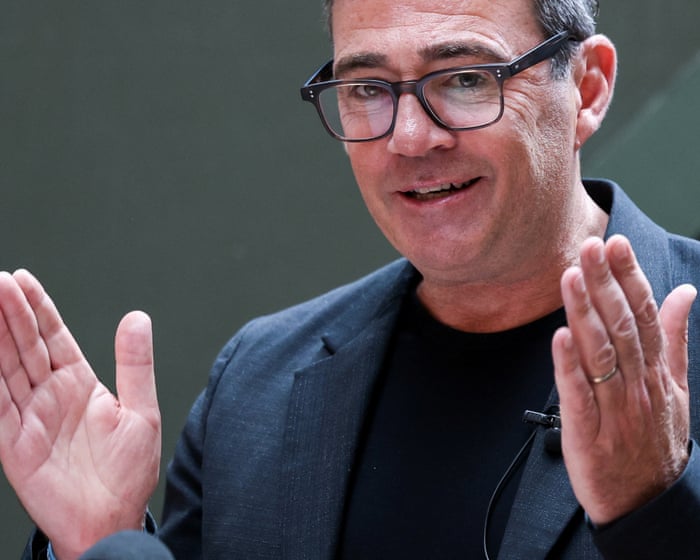
Andy Burnham, expected to become the next UK prime minister, faces challenges in managing the country’s finances due to global energy issues, higher borrowing costs, and rising spending demands. The government has some budget space left but must carefully balance extra defence spending and other costs while sticking to existing fiscal rules.
Key Facts
Burnham plans to follow Labour’s fiscal rules and 2024 manifesto promises.
The previous chancellor set a £23.6 billion budget “headroom” to balance daily spending within five years.
Recent factors like the Iran war and increased defence spending have reduced this buffer.
The outgoing prime minister added £15 billion in defence spending over four years without clear funding plans.
£10.3 billion of the defence costs is to be covered by moving funds within government departments.
The remaining £4.7 billion will need to be found in the autumn budget, causing a yearly shortfall of about £1.2 billion.
The impact of the Iran war on the UK economy may be smaller than first feared due to lower oil prices and bond yields.
The Bank of England’s decisions and Burnham’s budget choices will influence borrowing costs and market reactions.
Read the Original
Want the full story? Tap a source to open the original
article.
The demand for affordable horse boarding, called retirement livery, has grown a lot because many horse owners cannot afford rising costs. Padwick Farm in Staffordshire offers livery at less than half the usual price to help owners keep their horses instead of euthanizing them.
Key Facts
Livery means paying to board and care for horses in stables.
Costs for typical livery average about £800 a month, but Padwick Farm charges less than half of that.
There has been a 60% increase in livery bookings at Padwick Farm over the past five years.
Rising costs of hay, grass seed, vet visits, and farrier services make horse care difficult for many owners.
More than 80% of UK horse owners worry about the costs of keeping their horses.
Around 5% of owners have considered euthanizing their horses due to financial problems.
Padwick Farm aims to give horses a relaxed life without riding pressure and support owners with lower fees.
The British Horse Society says owners spend about £5,350 a year on direct horse care costs.
Read the Original
Want the full story? Tap a source to open the original
article.
Olivia Prince started selling clothes from her grandmother’s house during the Covid pandemic, and her business, Murci, has grown to a company making £10 million a year. The brand gained attention after being featured on the TV show Love Island and now has 35 employees and a distribution center in the US.
Key Facts
Olivia Prince founded the womenswear brand Murci while working as a receptionist during the Covid pandemic.
She began by buying and reselling clothes online from her grandmother’s house in Manchester.
Murci became well known after Love Island contestant Millie Court wore its clothes in 2021.
The business grew quickly, selling over 1,000 items of some designs in a single day.
Murci now employs 35 people and has moved to a larger headquarters in Manchester.
Olivia’s family helped from the start, with her mother and grandmother assisting with packaging and labeling.
Olivia’s brother set up a US distribution center to handle expanding sales in America.
The company was ranked among the 20 fastest-growing businesses in the UK by The Times.
Read the Original
Want the full story? Tap a source to open the original
article.
A California farmer named Cesar Mora is giving away white nectarines for free after being sued by a fruit company that claims it has exclusive rights to sell this type of nectarine. The lawsuit is about whether Mora broke a contract by selling the fruit to others, with a trial scheduled soon.
Key Facts
Cesar Mora, a farmer in Reedley, California, is giving away free white nectarines to avoid wasting them.
Mora has given away more than 100,000 pounds of nectarines since the giveaway started.
Giumarra Brothers Fruit Co. sued Mora, claiming exclusive rights over the white nectarine variety called "Monalise."
Giumarra says it owns sublicensing rights for the Monalise nectarines, which are sweeter and less tart.
Mora faces accusations of breaking a contract by selling nectarines outside the company’s approved packers.
Mora has accused Giumarra of unfair and dishonest business tactics.
The dispute will be settled in court, with a trial set for later in July 2026.
The case reflects wider conflicts between individual farmers and companies holding exclusive rights to certain plant varieties.
Read the Original
Want the full story? Tap a source to open the original
article.
Asian stock markets rose after the Dow Jones in the U.S. hit a new record, with some artificial intelligence (AI) related stocks recovering while others continued to lose value. U.S. job growth slowed but remained positive, which might ease inflation and reduce the need for higher interest rates this year.
Key Facts
The Dow Jones Industrial Average reached a new high of 52,900.07.
South Korea’s Kospi index recovered 2.8% after a big drop the day before.
Samsung Electronics rose 7%, and SK Hynix went up 4.9%.
The Tokyo Nikkei 225 climbed 0.9%, while Tokyo Electron fell 2.5% and Kioxia jumped 6.6%.
U.S. employers added 57,000 jobs in the last month, fewer than expected but still positive.
Lower job growth might help slow inflation, possibly limiting interest rate rises by the Federal Reserve.
Some chipmakers like Micron Technology and Nvidia saw their stock prices fall sharply.
Bitcoin and crypto-related stocks, such as Robinhood and Coinbase, increased after Bitcoin’s price rose about 2%.
Read the Original
Want the full story? Tap a source to open the original
article.
Indonesians are opposing a German cement company, Heidelberg Materials, which plans to build a limestone mine and cement factory in Central Java’s Kendeng Mountains. The local community and activists say the project could harm the environment and their livelihoods, and they have filed a complaint under Germany’s supply chain law, which aims to protect human rights and the environment in global business operations.
Key Facts
Heidelberg Materials is a major German cement producer planning a mine and factory in Kendeng Mountains, Central Java, Indonesia.
Locals and environmentalists worry the project will damage a rare karst ecosystem and hurt Indigenous peoples’ ways of life.
The company says it gathered feedback from local communities during the project approval process.
No final decision has been made by the company about starting the project.
The complaint uses Germany’s supply chain law, which holds companies responsible for human rights and environmental protections overseas.
This is the first Indonesian case using the German supply chain law.
Other European countries are preparing similar laws to regulate their companies’ global supply chains.
Similar legal actions are happening against European companies like Adidas and Shell in Asia, increasing risks for these businesses.
Read the Original
Want the full story? Tap a source to open the original
article.
Canadian Prime Minister Mark Carney has reached an agreement with British Columbia to build a large oil pipeline. The pipeline will carry oil from Alberta to the west coast, allowing Canada to export more oil to Asian markets and rely less on the United States.
Key Facts
The pipeline will carry about 1 million barrels of oil per day from Alberta across British Columbia to the Pacific coast.
This pipeline aims to open new export markets for Canadian oil, especially in Asia.
The project follows a route similar to the existing Trans Mountain pipeline corridor.
Alberta and the federal government are partnering with energy companies like Pembina Pipeline on the pipeline.
British Columbia has agreed to keep a tanker ban on its northern coast to protect the environment.
The province will be compensated for environmental risks from the pipeline on the southern coast.
Alberta plans to double its oil production to 8 million barrels per day in 10-15 years.
The pipeline strategy is part of Canada’s effort to reduce economic reliance on the United States amid trade tensions under President Donald Trump.
Read the Original
Want the full story? Tap a source to open the original
article.