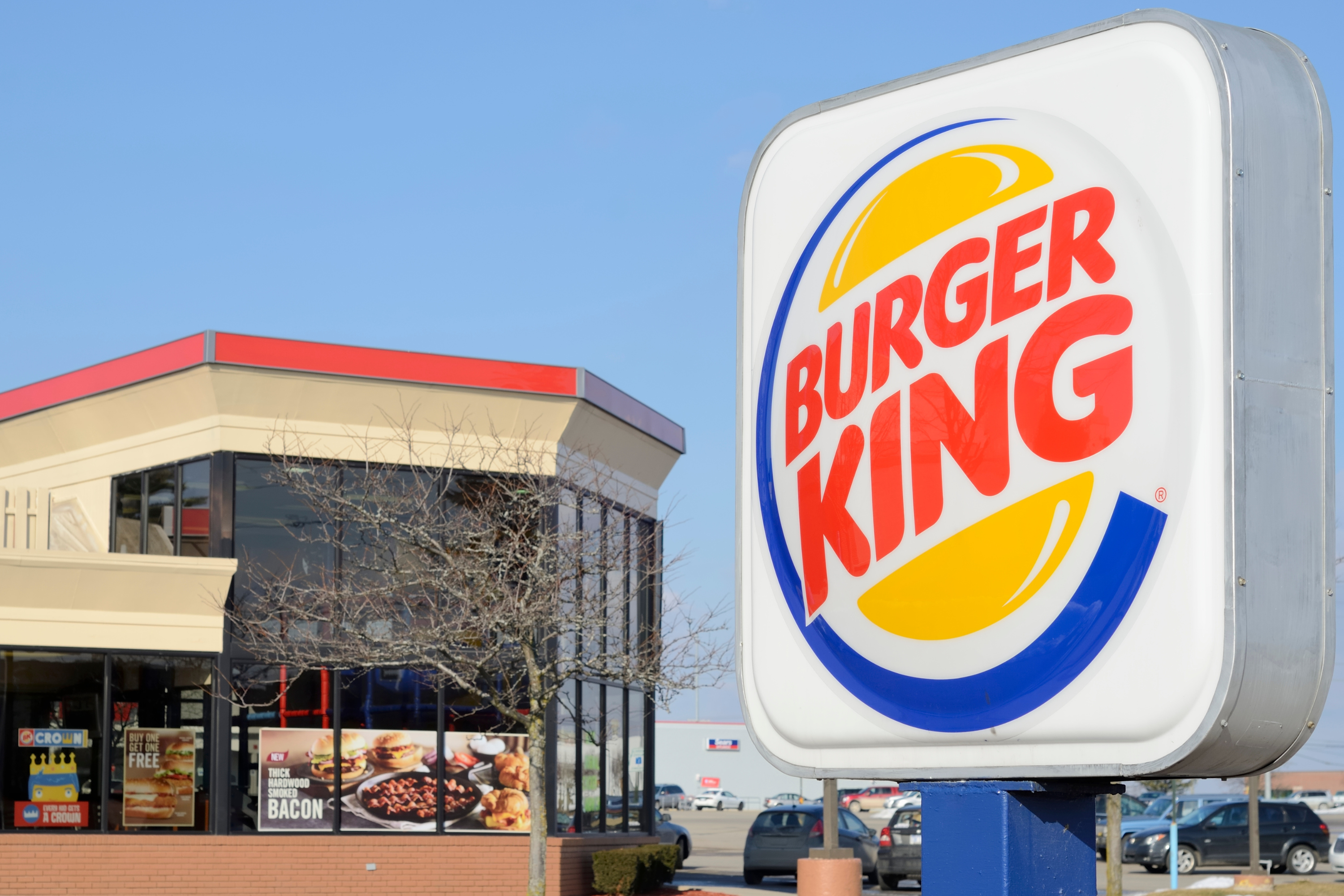
Burger King is starting a big hiring push to bring in up to 60,000 workers across the United States. This move follows improvements in their restaurants and increased customer visits. The jobs are for various roles from entry-level to management.
Key Facts
Burger King plans to hire up to 60,000 employees in the U.S.
The hiring effort covers about 6,500 restaurants nationwide.
Job openings range from hourly crew roles to management positions.
The hiring push is part of Burger King’s "Reclaim the Flame" turnaround plan.
Recent changes have increased sales and customer visits.
Most hiring will occur at franchise-operated restaurants, which are the majority in the U.S.
The hiring initiative is a collective effort involving franchise operators.
The move comes at a time when many restaurants face challenges from inflation and cautious consumer spending.
Read the Original
Want the full story? Tap a source to open the original
article.
The article discusses the situation where older employees might be asked to train younger workers who could potentially replace them. It highlights the legal aspects of age discrimination and suggests ways for employees to address potential discrimination issues with their employers.
Key Facts
The Age Discrimination in Employment Act (ADEA) protects people 40 and older from being unfairly treated due to age.
It is not automatically illegal for companies to replace older employees with younger ones.
Warning signs of age discrimination include being excluded from meetings, reduced responsibilities, and consistent unfavorable treatment compared to younger employees.
Employees should ask about company intentions and changes to their role when asked to train a potential replacement.
Legal experts suggest requesting written documentation about any role changes or training plans.
Being well-informed and documenting conversations can help clarify the company's intent and protect the employee's rights.
Read the Original
Want the full story? Tap a source to open the original
article.
Many American households are struggling to pay bills due to economic issues like inflation and layoffs. The New York Fed reports an increase in people who are late on loan payments. Experts advise taking proactive steps, such as contacting lenders and working to rebuild credit, to manage financial difficulties.
Key Facts
Economic challenges like inflation and layoffs are impacting American households.
The New York Fed reports a rise in "serious delinquency," meaning more people are over 90 days late on loan payments.
Mortgage delinquencies rose from 1.09% to 1.38% between 2024 and 2025.
Home equity line delinquencies increased from 0.56% to 1.24%.
Student loan delinquencies jumped to 16.19% after COVID-related forbearance ended.
Experts suggest contacting lenders to discuss better terms or hardship programs.
Rebuilding credit is crucial and can be aided by using secured credit cards.
Accessing retirement funds is an option for immediate financial relief but may impact future savings.
Read the Original
Want the full story? Tap a source to open the original
article.
Bankruptcies in the U.S. have increased significantly in 2026 due to economic challenges such as high inflation and consumer debt. Data shows a 14% rise in bankruptcy filings in the first quarter, affecting both businesses and individuals.
Key Facts
Bankruptcy filings in the U.S. rose 14% in the first quarter of 2026 compared to 2025.
There were 150,009 filings in 2026's first quarter, up from 132,094 in the same period the previous year.
Consumer filings reached 131,573, while commercial filings totaled 8,436.
Chapter 7 consumer bankruptcies increased 17% to 89,259 cases.
Chapter 13 filings, allowing debt reorganization, rose 8% to 51,962 cases.
Subchapter V filings, for small businesses, increased 67% to 833 cases.
Factors such as inflation, high interest rates, and tariffs have contributed to the rise in personal bankruptcies.
ABI supports congressional efforts to make bankruptcy options more accessible, including raising the threshold for small business reorganization.
Read the Original
Want the full story? Tap a source to open the original
article.
Walmart has issued recalls for several products sold on its online marketplace due to safety concerns. The U.S. Consumer Product Safety Commission (CPSC) has warned about risks linked to male-to-male extension cords, baby swim floats, and sauté pans, urging consumers to stop using these items immediately.
Key Facts
The recalls involve products sold on Walmart.com by third-party sellers.
Products recalled include male-to-male extension cords, "Relaxing Baby" swim floats, and Granitestone sauté pans.
The male-to-male extension cords pose risks of electrocution and carbon monoxide poisoning.
The "Relaxing Baby" swim floats are linked to a child's drowning.
Granitestone sauté pans have a defect that can cause the handle cap to eject, leading to burn hazards.
The CPSC has issued direct consumer warnings due to non-cooperation from certain manufacturers.
Consumers are advised to stop using the recalled items and follow disposal or refund instructions provided by the CPSC.
Read the Original
Want the full story? Tap a source to open the original
article.
A report by SoFi analyzed top U.S. cities for starting a business, evaluating factors like business applications, office costs, and unemployment rates. The research highlights certain Southern and Midwest cities as favorable for new businesses. Florida and Texas cities rank high due to increasing business activity and young and diverse populations.
Key Facts
In 2023, 5.5 million new business applications were filed in the U.S.
Small businesses employ 46% of the U.S. workforce.
SoFi evaluated 50 U.S. cities based on eight criteria, including living costs and business applications.
Three Florida cities rank in the top 10 for new businesses.
Miami tops the list with the most new business applications and self-employed people.
Cities like Minneapolis, St. Paul, and Madison score well among cold-weather locations.
Texas cities like Plano and Irving are also in the top 10, benefiting from a young workforce.
Miami offers high population growth, contributing to its business-friendly environment.
Read the Original
Want the full story? Tap a source to open the original
article.
Gina Maria's Pizza, a well-known Minnesota pizza chain, has filed for Chapter 7 bankruptcy and closed all its locations in the Twin Cities area. The company cited approximately $2.9 million in liabilities and about $64,000 in assets, resulting in the decision to liquidate its assets rather than attempt to reorganize.
Key Facts
Gina Maria's Pizza was established in 1975 in Minnetonka, Minnesota.
The company filed for Chapter 7 bankruptcy on March 26, 2025.
All restaurant locations in the Twin Cities area closed in October 2025.
The company left approximately $2.9 million in liabilities and only $64,000 in assets.
Under Chapter 7, a trustee will sell the company's assets to repay creditors.
A separate California restaurant, also named Gina Maria’s, is not affected by this bankruptcy.
The U.S. pizza industry faces challenges, with 61% of regional and mid-sized chains reporting declining sales.
Read the Original
Want the full story? Tap a source to open the original
article.
The Felix Project, a UK charity, is struggling with higher energy and fuel prices due to a conflict in the Middle East affecting oil supply. The increased costs are impacting their ability to distribute food, and they, along with other businesses, are seeking government help. The UK government has responded by announcing support measures to address the situation.
Key Facts
The Felix Project is a food redistribution charity operating in London.
The charity is facing higher energy and fuel costs due to a conflict in the Middle East.
The conflict has caused oil prices to rise, with the Strait of Hormuz being a major oil trade route affected.
Average petrol prices in the UK have risen to about £1.52 per litre.
Diesel prices have increased to just over £1.82 per litre.
The Felix Project uses 60 vans for food delivery, making them concerned about fuel costs.
The UK government has announced measures to help with energy costs for businesses and families.
The conflict in the Middle East continues to affect global and local economies.
Read the Original
Want the full story? Tap a source to open the original
article.
The ongoing war involving Iran has created uncertainty for Jersey's tourism sector, causing concern over price increases and the cost of living. Despite disruptions, tourism leaders see potential benefits, as more travelers may opt for shorter, safer trips to places like Jersey rather than long-distance travel. Rising fuel costs have led to increased delivery charges, affecting hospitality businesses on the island.
Key Facts
The war began on February 28, impacting oil and gas shipments through the Strait of Hormuz.
Jersey tourism started the year well but now faces uncertainty due to rising prices.
Cost-of-living pressures come from fuel surcharges on deliveries.
British holidaymakers are seeking safer travel options and may choose Jersey over the Middle East.
Tourism leaders see an opportunity to attract travelers looking for short, safe breaks.
Seymour Hotels noted expected cost increases due to supplier warnings about rising delivery charges.
Read the Original
Want the full story? Tap a source to open the original
article.
Global oil prices have risen above $110 a barrel after President Trump threatened to attack Iran if it did not allow ships to pass through the Strait of Hormuz. This waterway is crucial for oil shipments, and the threat has led to disruptions in oil supply and higher energy prices worldwide.
Key Facts
Oil prices went above $110 per barrel after President Trump threatened Iran.
He said the U.S. might attack Iran's power plants and bridges if ships couldn't use the Strait of Hormuz.
The strait is important because a large part of the world's energy passes through it.
Recent tensions started after U.S. and Israeli airstrikes prompted Iranian threats to vessels.
Energy prices globally have risen due to the disruption in the strait.
President Trump has postponed deadlines for Iran to allow ships to pass.
He used strong language in his social media post about the situation.
He suggested a deal might be reached soon but also mentioned taking more severe actions if not.
Read the Original
Want the full story? Tap a source to open the original
article.
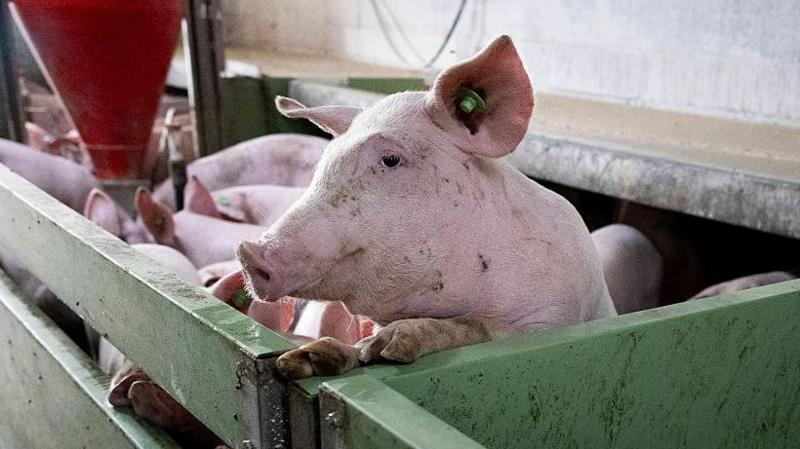
The pork industry in Spain is facing challenges due to an outbreak of African Swine Fever, a virus deadly to pigs but not humans. The outbreak has led to a significant drop in pork prices, affecting farmers economically, and efforts are underway to control the spread of the disease, particularly among wild boars.
Key Facts
African Swine Fever (ASF) has been detected in Spain, impacting pork prices.
ASF does not affect humans but is highly contagious and fatal for pigs and wild boars.
The outbreak began in Collserola Park near Barcelona, where an infected wild boar was found.
Authorities have closed the park and are controlling wild boar populations to prevent further spread.
Catalonia's government aims to reduce the wild boar population significantly.
Measures include culling 24,000 wild boars and setting high-risk areas for containment.
The Spanish pork industry, which is the largest in Europe, is valued at €25 billion.
Biosecurity and movement restrictions are being enforced to protect the industry.
Read the Original
Want the full story? Tap a source to open the original
article.
Benefits and pensions in the UK are increasing as the new financial year begins. The two-child benefit cap has been removed, allowing larger families to receive more financial support. Other benefits and the state pension rates are also rising due to cost of living increases.
Key Facts
The two-child benefit cap in the UK has ended, helping about 480,000 families with three or more children.
Families affected by the change will receive an average annual increase of £4,100.
Universal credit's child element will rise from May, adding nearly £300 a month per child for some.
The state pension is increasing by 4.8%, adjusting for average wage growth.
Disability and carer's benefits have increased by 3.8% with inflation.
The eligibility age for state pensions is gradually increasing from 66 to 67.
Other financial changes include updates to inheritance taxes and tax reliefs, while income tax thresholds remain frozen.
Read the Original
Want the full story? Tap a source to open the original
article.
United Airlines is introducing new premium ticket options for its Polaris business class and Premium Plus premium economy. Starting in April 2026, travelers can choose from Base, Standard, or Flexible fares, each offering different perks and flexibility levels. This change is part of United's strategy to cater to growing demand for premium travel.
Key Facts
United Airlines announced new tiered premium ticket options for Polaris and Premium Plus classes.
New fares include Base, Standard, and Flexible options, each with different benefits.
Base fares are the lowest cost but have more restrictions, such as limited baggage benefits and no changes or refunds.
Standard fares offer additional perks like free seat selection and more baggage allowances.
Flexible fares provide the most perks, including full refunds and generous change policies.
The new fare structure begins rolling out in April 2026 on select flights.
Changes to lounge access vary by fare, affecting which lounges passengers can use.
This move is part of United's effort to expand its premium travel services to meet strong demand.
Read the Original
Want the full story? Tap a source to open the original
article.
The U.S. Consumer Product Safety Commission has issued recalls for various products sold on Amazon due to safety hazards such as choking, poisoning, and fire risks. The products include children's toys, adult bed rails, hair growth products, battery chargers, and cookware. The CPSC advises customers to stop using these products immediately for safety reasons.
Key Facts
Recalls affect toys, household goods, personal care products, and electronics sold on Amazon.
Children's toys, including light-up rings and spiral tower toys, are recalled for choking and battery ingestion risks.
Adult bed rails are recalled due to risks of people getting trapped and suffocating.
Hair growth products are recalled because they pose a poisoning risk to children as the packaging isn't child-resistant.
Battery chargers are recalled for fire and explosion risks, while certain sauté pans have impact and burn hazards.
No injuries are reported for the recalled toys and bed rails, but there have been incidents involving battery chargers and pans.
The CPSC recommends customers to stop using recalled products and follow disposal or refund instructions.
Read the Original
Want the full story? Tap a source to open the original
article.
The global helium supply is facing disruptions due to a combination of geopolitical issues and the depletion of U.S. helium reserves. The situation is exacerbated by damaged infrastructure in Qatar, a key helium producer, and logistical challenges in the U.S. Following the sale of the Federal Helium Reserve, concerns about supply scarcity and high prices persist.
Key Facts
A war in Iran and missile strikes in Qatar have caused global energy supply disruptions.
Helium, a crucial element for medical and technological uses, is in short supply due to these disruptions.
Qatar is the world's second-largest helium producer, and recent damage to its gas facilities could take years to repair.
The U.S. no longer maintains a strategic helium reserve after selling it off as mandated by the 2013 Helium Stewardship Act.
The U.S. remains the largest helium producer but faces logistical and pricing challenges.
Experts have warned for years about potential helium shortages if reserves were depleted.
The element is essential for equipment like MRI machines and in scientific and electronic manufacturing industries.
There are no immediate national shortages, but access and pricing are significant concerns.
Read the Original
Want the full story? Tap a source to open the original
article.
James Mellors, director of Mellors Group, has bought Lightwater Valley Family Adventure Park in North Yorkshire. He plans to make improvements and introduce new rides, with a vision to enhance the park's appeal. The park recently launched a new ride as part of its transformation.
Key Facts
James Mellors purchased Lightwater Valley Family Adventure Park near Ripon.
The park was famous for the Ultimate rollercoaster, the longest in the world from 1991 to 2000.
Lightwater Valley was rebranded to focus on children under 12 after dismantling the Ultimate rollercoaster in 2023.
Mellors aims to introduce new rides and enhance the park's facilities.
The park recently opened a new rollercoaster called the Spinning Racer.
Mellors mentions the financial challenges of managing a theme park, including running costs and steel prices for rollercoasters.
Mellors intends to create an experience similar to popular theme parks, albeit on a smaller budget.
He notes challenges such as increased fuel prices affecting visitor numbers.
Read the Original
Want the full story? Tap a source to open the original
article.
Rising fuel costs are leading to higher prices for driving lessons in the UK. This change is affecting both driving instructors and students, who are finding it more challenging to afford lessons and manage travel costs.
Key Facts
Fuel prices in the UK have risen sharply, partly due to the Iran war.
The RAC noted that UK petrol and diesel prices have increased more in a single month than ever before.
Driving instructor Rachael Hutson-Lumb raised her lesson prices by 50p to £37.50 per hour due to fuel costs.
The Driving Instructors Association says instructors might need to pass on rising fuel costs to students.
Learner driver Catherine Thoyts mentioned that higher lesson prices would make it harder to afford lessons on a care worker's salary.
Fuel rationing has been implemented in some countries, but the UK government says there is currently no fuel shortage in the UK.
Driving organizations have asked the UK government to allow instructors priority access to fuel if rationing starts.
Read the Original
Want the full story? Tap a source to open the original
article.
The Environmental Protection Agency (EPA) has allowed wider summer sales of E15 fuel, which is cheaper than regular gasoline due to its higher ethanol content. However, using E15, especially in older vehicles or equipment without updated technology, could lead to engine issues over time. Ethanol can absorb moisture and cause problems such as corrosion and damage to certain engine parts.
Key Facts
The EPA, led by Lee Zeldin, announced a nationwide waiver for selling E15 fuel during the summer.
E15 fuel is 15% ethanol and 85% gasoline, a bit more ethanol than the standard E10, which is 10% ethanol.
Ethanol absorbs moisture, which can cause issues like phase separation and damage in older vehicles.
Vehicles made before 2001 may lack the technology to handle the effects of E15 fuel properly.
Using E15 in equipment without advanced systems, like lawnmowers, could lead to engine damage.
E15 offers cheaper fuel initially but reduces fuel efficiency by 1.5% to 2% compared to standard fuel.
The moisture absorption by ethanol could lead to metal corrosion in engines.
Read the Original
Want the full story? Tap a source to open the original
article.
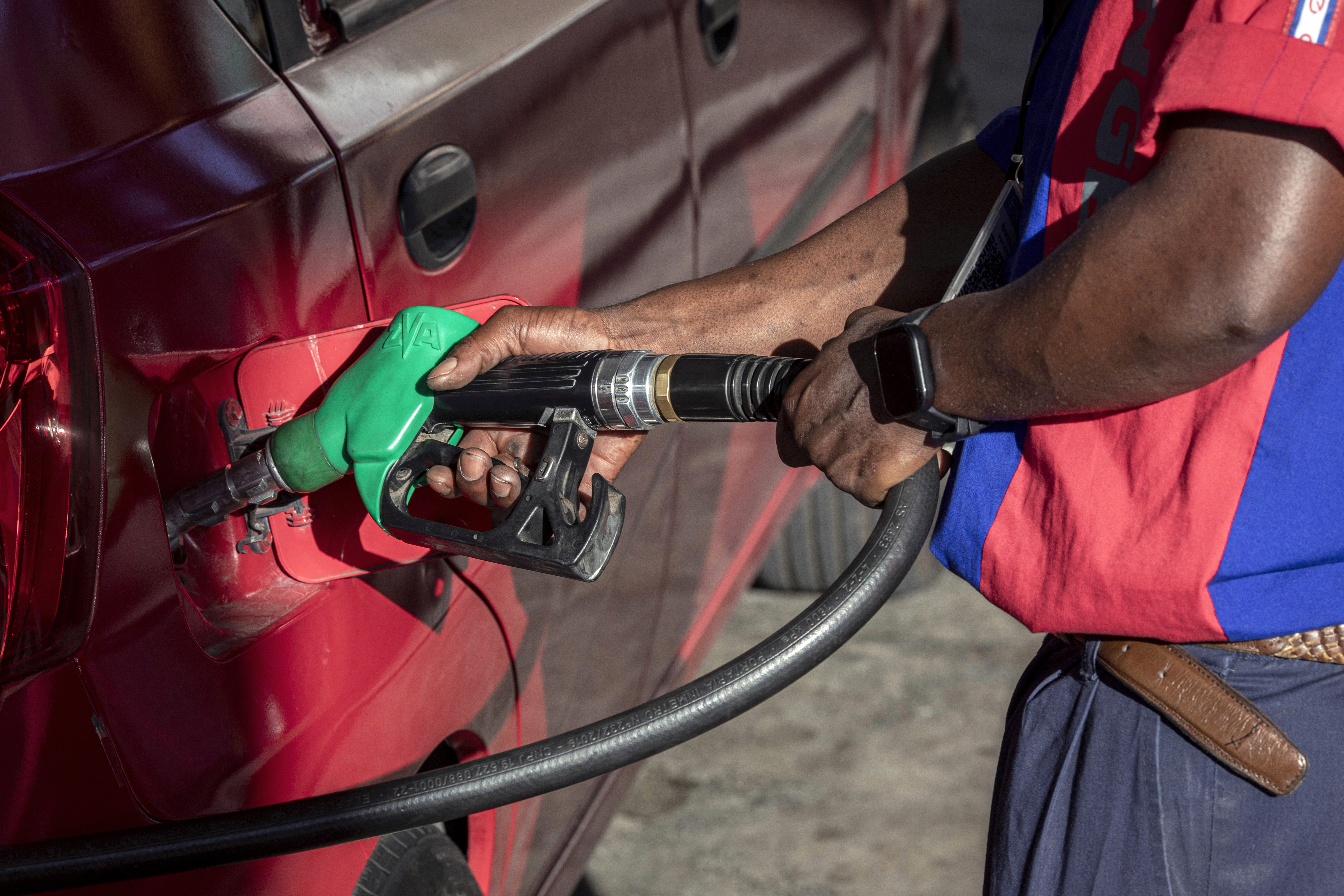
Diesel prices in San Francisco are close to reaching $8 per gallon, a record high for any U.S. city, partly due to an ongoing conflict in Iran affecting global oil supply. California's diesel prices are already the highest in the country, and supply constraints are making price increases more extreme. Diesel is essential for transporting goods and services, so higher prices could impact the broader economy.
Key Facts
San Francisco diesel prices are nearing $8 per gallon.
California's average diesel price is $7.63 per gallon, the highest in the U.S.
The ongoing Iran war has disrupted oil supply through the Strait of Hormuz.
Diesel powers trucks, ships, and equipment crucial to the U.S. supply chain.
California's fuel market has unique challenges like refinery constraints and environmental regulations.
The national average gasoline price is around $4.10 per gallon.
Global disruptions and refinery issues have increased diesel demand and costs.
California has special fuel blend requirements and high fuel taxes.
Read the Original
Want the full story? Tap a source to open the original
article.
The FDA has classified a recall of roasted peanut products distributed in 19 states as a Class III recall, indicating the products did not meet federal regulations but are not expected to cause health issues. Super World Trading Inc. initiated the recall after finding a banned sweetener in the products.
Key Facts
The recall affects roasted peanut products containing a banned sweetener, cyclamates.
Super World Trading Inc. started the recall in February 2026.
The FDA classified the recall as Class III on April 1, 2026.
Class III recalls mean the product doesn't pose a significant health risk but fails to meet regulations.
The affected products are Walnut and Garlic Flavor Roasted Peanuts sold in 9.17-ounce packages.
A total of 595 cases are involved in the recall.
These products were shipped to 19 states, including New York, Florida, and Texas.
The products were manufactured by Heshan Mei Heong Yuen Food Pte Ltd. and distributed by Super World Trading Inc. based in Brooklyn, New York.
Read the Original
Want the full story? Tap a source to open the original
article.