The article discusses modern leadership ideas shared by several CEOs at an event. The leaders talked about the importance of moving away from a strict control approach to a more flexible style that emphasizes empathy, understanding, and community focus.
Key Facts
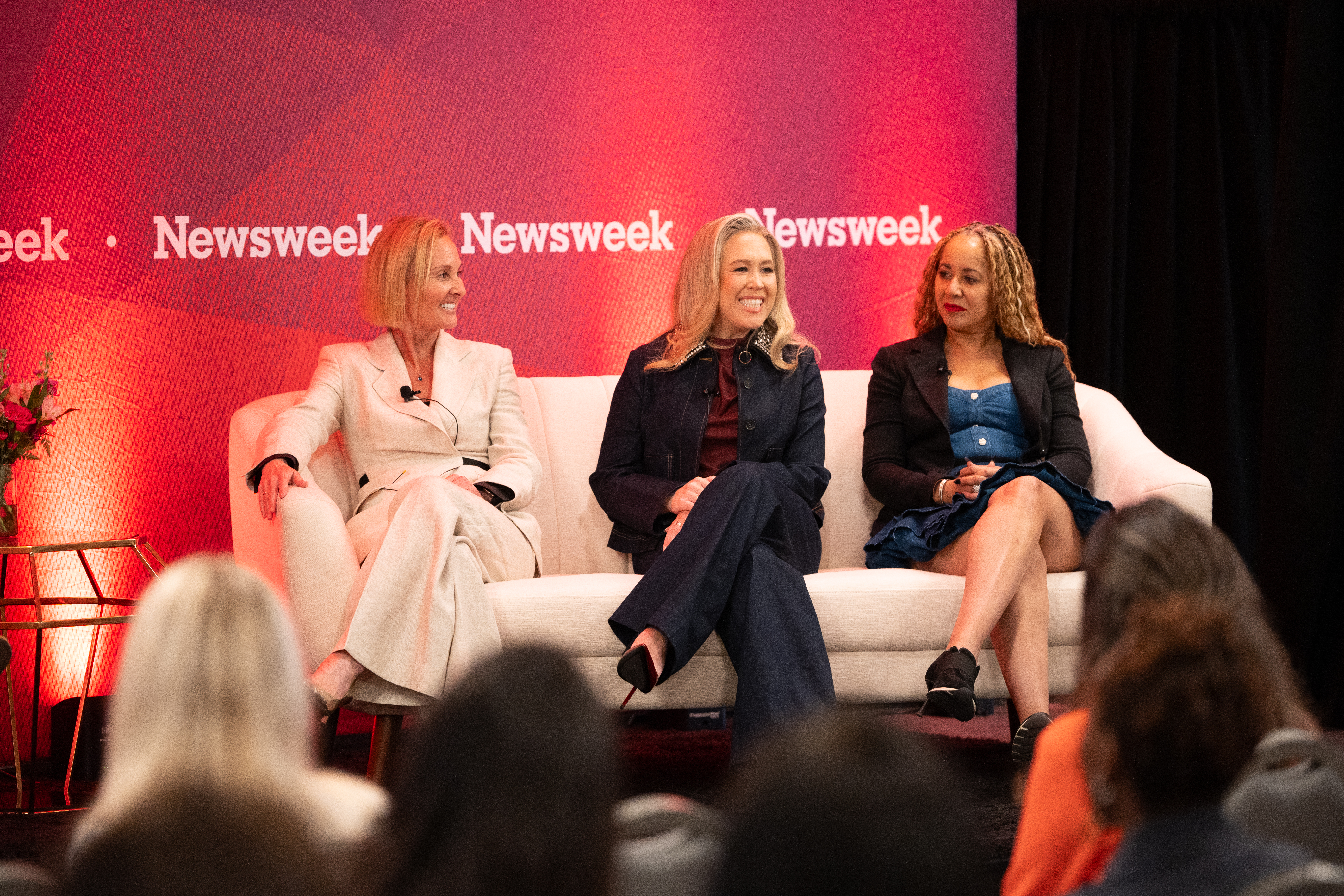
Several CEOs spoke about leadership at the Newsweek’s Women’s Global Impact Forum in Los Angeles.
Modern leadership is moving away from a command and control style.
Leaders believe that inspiring and motivating people is crucial today.
CEOs emphasized the importance of empathy but noted it should be combined with other skills.
Catherine Clay mentioned the need for situational awareness and curiosity in leadership.
Brieane Olson highlighted the shift towards putting the community first in business decisions.
The discussion focused on adapting to challenges and being in service to the team and community.
Read the Original
Want the full story? Tap a source to open the original
article.
United Airlines and JetBlue are increasing checked baggage fees due to rising fuel costs linked to a conflict in Iran. These increases happen just before the busy Easter travel period. Both airlines link the adjustment to higher operating costs because of increased oil prices.
Key Facts
United Airlines raised fees for checked baggage for tickets bought on or after April 3.
First and second checked bags cost $10 more on United; the third bag's fee increased by $50.
Surge in fuel prices is tied to a war in Iran affecting global oil supply.
United's exceptions to fee increases include MileagePlus Premier members, United credit card holders, military members, and premium cabin passengers.
JetBlue has also raised checked baggage fees, with the first checked bag costing up to $49 during peak travel times.
JetBlue states that higher baggage fees help maintain competitive base fare pricing amidst increased expenses.
American Airlines and Southwest have also previously adjusted their baggage fees.
Read the Original
Want the full story? Tap a source to open the original
article.
Aurigny, an airline, reports no immediate jet fuel shortages for the next four to six weeks despite a significant increase in fuel costs due to the Iran war. The airline assures there is enough fuel on both the UK and Guernsey sides. Aurigny has raised fuel surcharges and reduced some flights due to increased fuel prices.
Key Facts
Aurigny reports no jet fuel shortages expected for the next four to six weeks.
Fuel costs for Aurigny have increased by about 120% since the Iran war began.
The airline has assurances of fuel supply from multiple suppliers and airports.
Aurigny introduced a temporary £2 fuel surcharge on new bookings.
Flights will be reduced by about 12% between mid-April and early June to cope with costs.
20-50% of Aurigny's fuel volumes are secured at fixed prices.
Global supplies are disrupted due to halted shipments through the Strait of Hormuz.
Different flights will see costs increase by $600 to $2,100 per flight hour.
Read the Original
Want the full story? Tap a source to open the original
article.
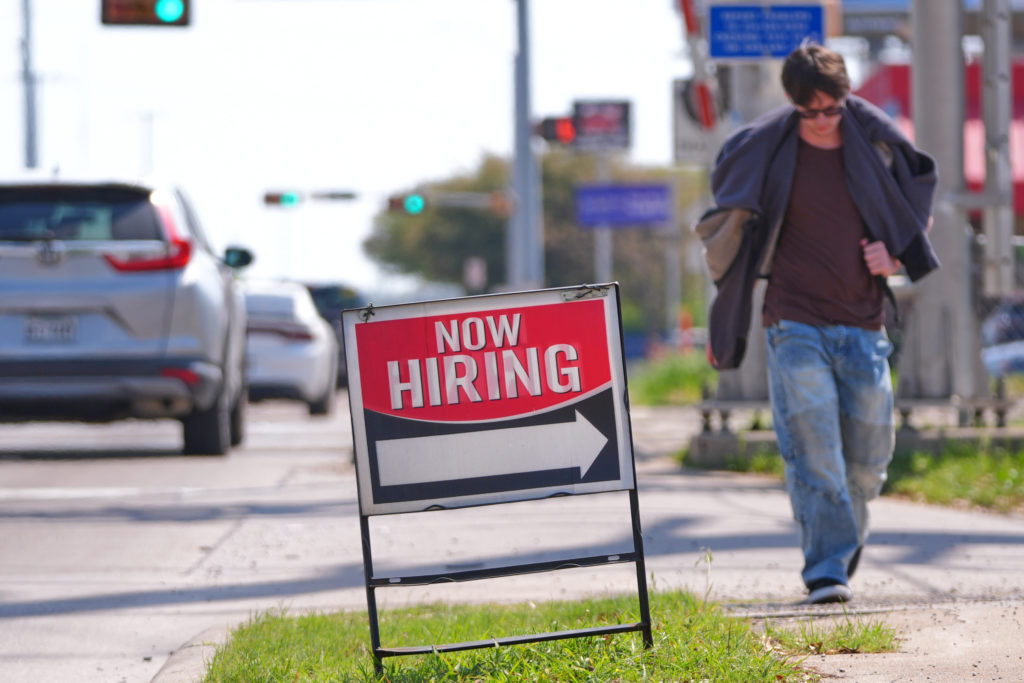
U.S. employers added 178,000 jobs in the past month, showing a recovery after losing 133,000 jobs in February. The unemployment rate in the U.S. dropped to 4.3%.
Key Facts
U.S. employers added 178,000 jobs last month.
This increase followed a 133,000 job loss in February.
The unemployment rate fell to 4.3%.
Job growth was stronger than economists predicted.
The Labor Department provided this employment data.
Read the Original
Want the full story? Tap a source to open the original
article.
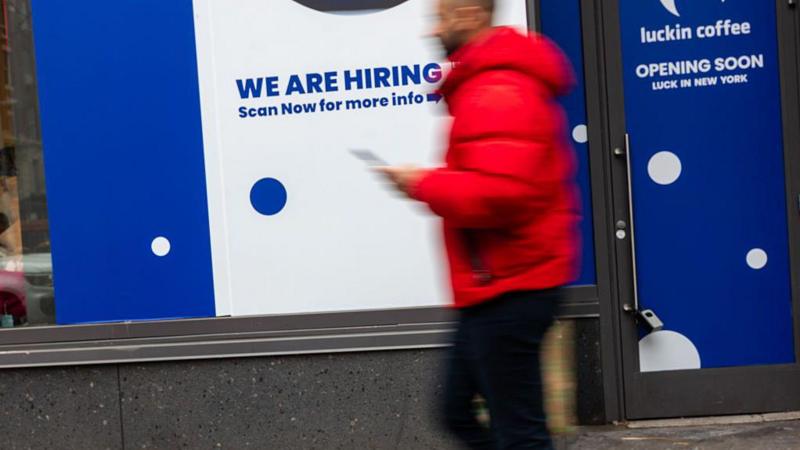
The U.S. economy added 178,000 jobs in March, which was more than expected. The unemployment rate decreased slightly to 4.3%. This job growth comes after a previous month of job losses, influenced by factors such as a health care strike.
Key Facts
The U.S. added 178,000 jobs in March 2023.
The unemployment rate dropped to 4.3%.
February saw a loss of 133,000 jobs, more than previously reported.
The health care sector added 76,000 jobs in March, recovering from a strike.
Construction gained 26,000 jobs; transportation and warehousing added 21,000 jobs.
Federal government employment decreased by 18,000 jobs.
The Iran conflict raises concerns about inflation impacting the economy.
The Federal Reserve is balancing risks between the labor market and potential inflation.
Read the Original
Want the full story? Tap a source to open the original
article.
In March, the U.S. saw a big increase in job creation, with 178,000 new jobs added, despite challenges from an ongoing conflict involving the U.S. and Iran. This helped lower the unemployment rate to 4.3%, according to the Labor Department.
Key Facts
The U.S. added 178,000 jobs in March 2023.
The unemployment rate in the U.S. fell to 4.3%.
Job growth exceeded expectations despite the U.S.-Israel conflict in Iran.
The end of healthcare industry strikes contributed to the job gains.
The job market has faced a slowdown over the past year.
The U.S. central bank says the economy is in a delicate balance.
The economy sees muted job creation with limited job cuts.
Read the Original
Want the full story? Tap a source to open the original
article.
Bo Lueders, a guitarist for the band Harm's Way and co-host of the HardLore podcast, has passed away at age 38. He was a key figure in the hardcore music scene and known for his compassionate character. The cause of death is not disclosed, and tributes have been shared widely by fans and the music community.
Key Facts
Bo Lueders was 38 years old at the time of his death.
He played guitar for the Chicago-based band Harm’s Way.
Lueders co-hosted the HardLore podcast, which focused on hardcore music.
News of his passing was shared on Instagram by the HardLore podcast team.
The cause of death has not been made public.
Fans and the hardcore music community have posted tributes online.
The HardLore team shared messages of support for those facing mental health issues.
Funeral arrangements have not yet been announced.
Read the Original
Want the full story? Tap a source to open the original
article.
The spring homebuying season is usually busy, but recent years have seen a slowdown due to high home prices and mortgage rates. Redfin and Thumbtack surveyed experts to give advice to buyers on how to navigate the current market, which involves understanding home conditions, competing effectively, and taking inspections seriously.
Key Facts
The spring season traditionally sees high activity in the housing market.
Since the pandemic peak in 2022, home sales have slowed because of high prices and mortgage rates.
Redfin and Thumbtack surveyed real estate pros to offer advice to homebuyers.
Buyers should look for potential problems in homes, like cracks or water damage.
Strong odors and roofing issues are often missed during home tours.
Key strategies in competitive markets include offering fewer contingencies and being prepared for all-cash offers.
Some areas remain highly competitive, like parts of the Northeast and West Coast.
In slower markets, buyers might negotiate better prices or terms if a home sits unsold.
Read the Original
Want the full story? Tap a source to open the original
article.
Seniors often face challenges with managing debt due to limited or fixed incomes. There are several debt relief options available to help manage these financial burdens, including debt consolidation, credit counseling, bankruptcy, and debt settlement.
Key Facts
Seniors can access debt relief programs, even if they are on a fixed income like Social Security.
Debt relief options include debt consolidation, credit counseling, bankruptcy, and debt settlement.
Debt consolidation combines multiple debts into one with a potentially lower interest rate.
Debt settlement involves negotiating with creditors to pay less than what is owed.
Not all debt relief solutions require a good credit score, but they might affect your credit for several years.
It is important to consider your full financial situation before choosing a debt relief method.
Senior debt relief programs can also involve support from government and nonprofit organizations.
Read the Original
Want the full story? Tap a source to open the original
article.
The war involving Iran is impacting India's bottled water industry by making raw materials more expensive. This is because the conflict is causing disruptions in oil supply, which is crucial for making plastic bottles. As a result, bottled water prices are rising in India.
Key Facts
The war with Iran is increasing the cost of bottled water in India due to a rise in crude oil prices.
About 15% of urban and 6% of rural households in India rely on bottled water.
The price of polyethylene terephthalate (PET) pellets used to make plastic bottles has increased.
Some bottled water companies have raised their prices, while others are absorbing the higher costs for now.
A significant portion of global oil passes through the Strait of Hormuz, which is currently disrupted.
India heavily depends on oil and gas imports, which affects the cost of manufacturing bottled water.
The increase in PET prices affects various industries, not just bottled water.
Demand for bottled water rises in India during the summer months of April and May.
Read the Original
Want the full story? Tap a source to open the original
article.
The article discusses subscription traps where people unintentionally find themselves paying for ongoing services. New rules are being introduced to help consumers cancel subscriptions more easily and obtain refunds. These rules aim to prevent companies from enrolling people in auto-renewal contracts without clear consent and reminders.
Key Facts
Consumers have reported being unknowingly enrolled in ongoing subscriptions.
Neha, an affected customer, discovered £500 in charges from a subscription service she thought was a one-time payment.
New laws are being introduced to make it easier to cancel subscriptions and get refunds.
Companies will need to remind customers before auto-renewal charges occur.
Affected individuals shared difficulties in canceling subscriptions, with companies often making the process complex.
The article mentions Adobe and the challenges users faced with unexpected auto-renewals and cancellation penalties.
The new rules aim to stop firms from trapping customers in hard-to-cancel contracts.
The government is taking action to ensure companies provide clearer billing information and reminders.
Read the Original
Want the full story? Tap a source to open the original
article.
As tax season finishes, there is a warning for people waiting for IRS tax refunds. Scammers, using tactics like artificial intelligence, are pretending to be tax professionals to steal personal information and file fake tax returns. This can delay real refunds and lead to identity theft.
Key Facts
People expecting IRS tax refunds are being targeted by scammers.
Fraudsters pretend to be tax professionals to collect personal details.
Criminals use these details to file fake tax returns and claim refunds.
Congress passed a new law called the One Big Beautiful Bill Act (OBBBA) that permanently keeps many of the tax cuts from the Tax Cuts and Jobs Act (TCJA). These changes affect retirement planning, tax deductions, and business income deductions, providing more stability for individuals and small business owners.
Key Facts
The One Big Beautiful Bill Act makes many tax cuts from the TCJA permanent.
Permanent reduced tax rates help with long-term retirement planning.
The standard tax deduction for those aged 65 and older now includes an added $6,000 per person.
The Qualified Business Income (QBI) deduction, which benefits small businesses, is now permanent.
Estate and gift tax exemptions are permanently set at higher amounts than before.
529 plans will allow higher withdrawals and can now be used for a wider range of educational expenses starting in 2026.
Read the Original
Want the full story? Tap a source to open the original
article.
A judge in New York dismissed sexual harassment claims made by Blake Lively against Justin Baldoni related to their film "It Ends With Us," but left two retaliation claims for trial. The court found that Lively, as an independent contractor, could not use harassment laws meant for employees. A trial is set for May 18, with jury selection discussed by the lawyers.
Key Facts
A judge dismissed Blake Lively's sexual harassment claims against Justin Baldoni.
The case involves their work on the film "It Ends With Us."
The judge found Lively was an independent contractor, not eligible for certain employee protections.
Two retaliation claims related to the case will go to trial.
Lawyers began discussions on how to pick a jury for the upcoming trial.
Justin Baldoni and Wayfarer Studios countersued Lively and her husband, Ryan Reynolds, earlier.
The judge had dismissed Baldoni's countersuit claims last June.
The film "It Ends With Us" was released in August 2024 and earned $50 million in its debut.
Read the Original
Want the full story? Tap a source to open the original
article.
A federal judge in New York reduced the number of claims Blake Lively filed against Justin Baldoni in a lawsuit. Out of 13 charges, only three will move forward to trial, focusing on issues like breach of contract and retaliation.
Key Facts
Blake Lively filed a lawsuit against Justin Baldoni.
U.S. District Judge Lewis Liman dismissed 10 out of 13 claims from the lawsuit.
Claims dismissed involved harassment, defamation, and conspiracy.
The judge allowed three claims to proceed: breach of contract, retaliation, and aiding retaliation.
Lively claims Baldoni retaliated after she raised concerns about the film's work environment.
The case is set to go to trial later this year unless settled beforehand.
Neither Lively's nor Baldoni's attorneys have commented on the ruling.
The film "It Ends With Us" was released in 2024.
Read the Original
Want the full story? Tap a source to open the original
article.
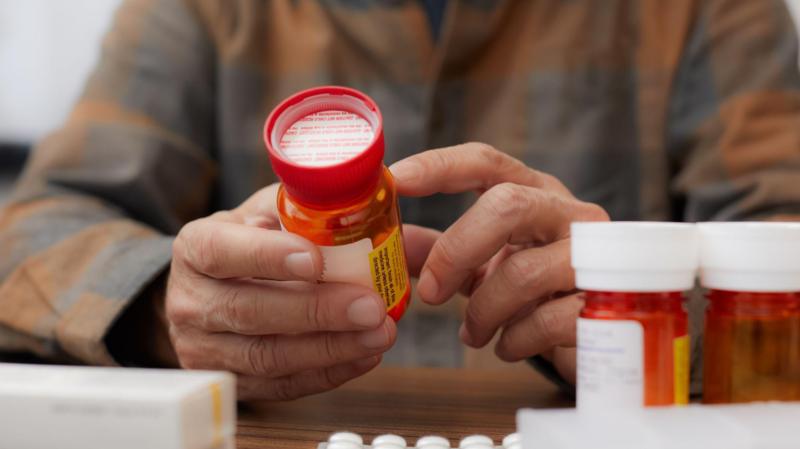
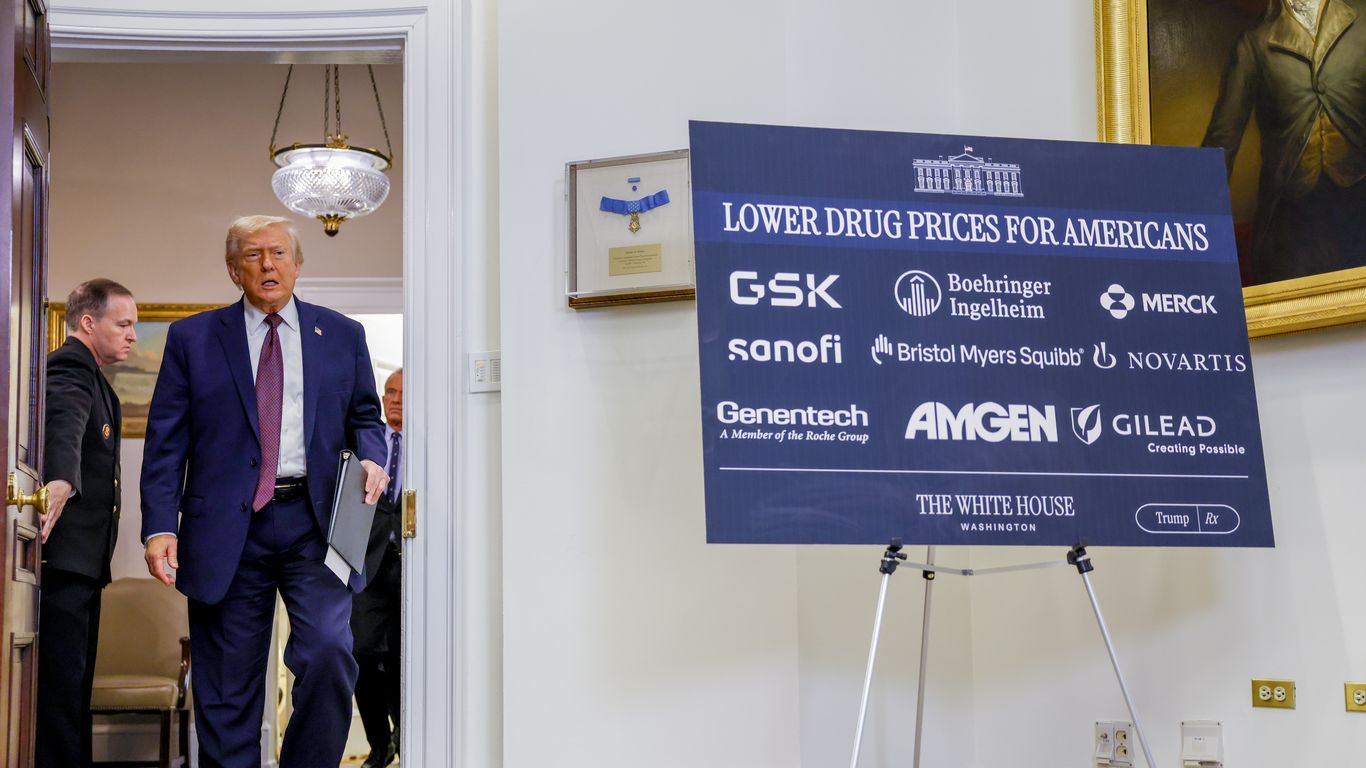
The U.S. has announced a 100% tariff on patented medicines entering the country. Companies can avoid these tariffs by making deals with the government, which include starting new manufacturing in the U.S. or agreeing to specific pricing terms. The aim is to encourage drug manufacturing in the U.S. to reduce national security risks.
Key Facts
The U.S. plans to impose a 100% tariff on patented medicines imported into the country.
Companies can avoid the 100% tariff if they strike deals with the U.S. government.
Companies that begin new manufacturing operations in the U.S. will only face a 20% tariff.
If companies reach specific pricing deals with the government, the tariff could drop to zero.
The tariffs do not apply to generic medicines.
Many large pharmaceutical companies have already made deals to avoid the tariffs.
Smaller and medium-sized companies have 180 days to make agreements, while larger ones have 120 days.
The White House goal is to increase U.S. manufacturing of key medicines to reduce security risks.
Read the Original
Want the full story? Tap a source to open the original
article.
During Newsweek’s Women’s Global Impact Forum 2026 in Los Angeles, a panel of women leaders discussed the importance of changing career paths for personal growth and adaptation. They highlighted how fear can motivate and how embracing change is essential for successfully navigating career shifts.
Key Facts
The panel was part of Newsweek's Women’s Global Impact Forum 2026.
It took place on March 25 at the London West Hollywood in Los Angeles.
The discussion focused on career pivots as strategies for growth.
Molly Sims transitioned from modeling and acting to entrepreneurship.
Sims mentioned fear can motivate people to pursue change.
Stacey Politi discussed the ease of transition by embracing change.
Pamela Greenwalt stressed the importance of taking action.
Laura Schwab shared insights from her move from the automotive industry to entrepreneurship.
Read the Original
Want the full story? Tap a source to open the original
article.
A study by the National Association of Realtors (NAR) shows which jobs are most likely to own homes in the U.S. Management and business professionals have the highest homeownership rates, while service workers have the lowest. Factors like job location and housing costs also influence homeownership rates.
Key Facts
Management and business professionals have around 72% homeownership in 2024.
Education and social service workers have a 67.3% homeownership rate.
STEM workers' homeownership dropped from 69.2% in 2014 to 67.2% in 2024 due to high housing costs.
Health care workers’ homeownership increased to 62.2% in 2024.
Sales and real estate workers saw their homeownership go up to 63.3%.
Service workers have the lowest homeownership rate at 45.5% in 2024.
Job location affects homeownership; affordable areas offer better opportunities.
High homeownership rates for specific jobs are found in regions like Myrtle Beach, SC, and Ocala, FL.
Read the Original
Want the full story? Tap a source to open the original
article.
The Trump administration announced it will impose 100% tariffs on patented pharmaceuticals to push for lower drug prices and more domestic manufacturing. Companies that agree to make these drugs in the U.S. or enter into specific pricing agreements can receive lower or no tariffs. This move may lead to more companies investing in U.S. drug production.
Key Facts
The Trump administration plans to use 100% tariffs on patented drugs to encourage price cuts and U.S. manufacturing.
Companies that agree to produce drugs in the U.S. may receive a reduced tariff of 20% or be exempted.
The tariffs apply to branded drugs and their active ingredients, but not to lower-cost generics.
Tariffs are set to begin in 120 days for large companies and 180 days for smaller ones.
The announcement may push pharmaceutical companies to invest in U.S. production.
Some foreign companies in Japan, South Korea, Switzerland, and the EU could be affected if they do not enter pricing deals.
The administration also adjusted tariffs on aluminum, steel, and copper, keeping them at a 50% rate.
Read the Original
Want the full story? Tap a source to open the original
article.
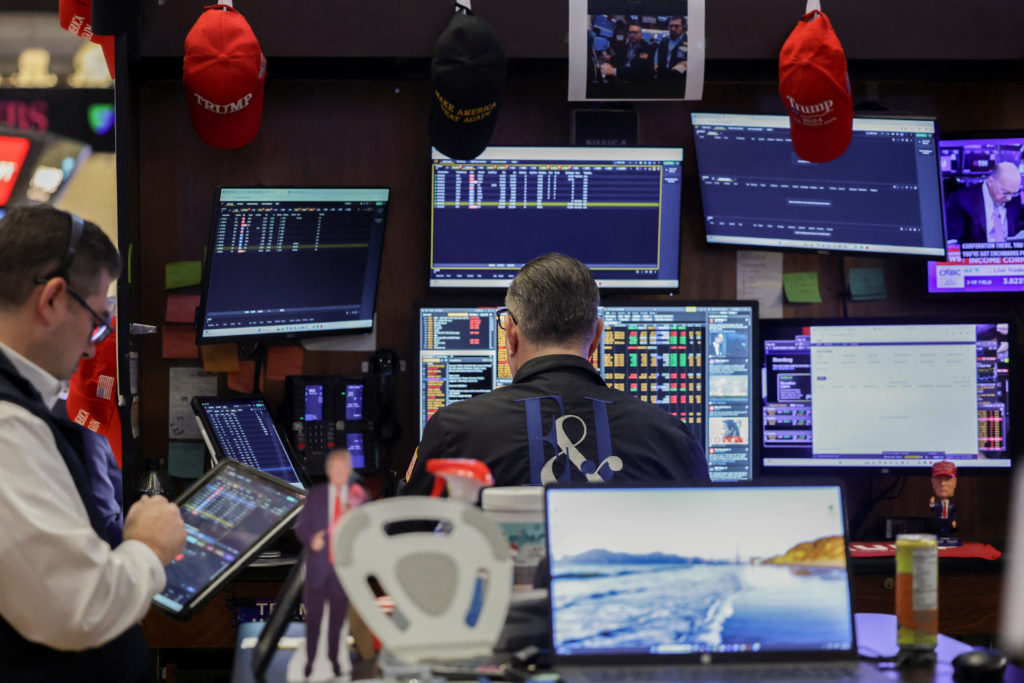
Wall Street experienced more ups and downs after a period of increases, with major stock indexes ending the day slightly lower. The price of U.S. oil briefly approached $114 a barrel, indicating ongoing high prices.
Key Facts
The S&P 500 index fell by 0.1% after dropping as much as 1.5% earlier in the day.
The Dow Jones Industrial Average went down by 142 points, or 0.3%.
The Nasdaq composite lost 0.2%.
Stock markets in Europe and Asia also ended the day lower.
The price of U.S. crude oil nearly reached $114 a barrel before slightly decreasing.
Volatility, which means lots of ups and downs, returned to the stock market after a couple of days of steady gains.
Read the Original
Want the full story? Tap a source to open the original
article.