Neutral summaries of your favorite news sources — just the facts.
Your favorite news sources, one neutral feed — we distill their reporting into fact-first
summaries and always link to the original story. How it works
Business News
Business news, market updates, and economic developments
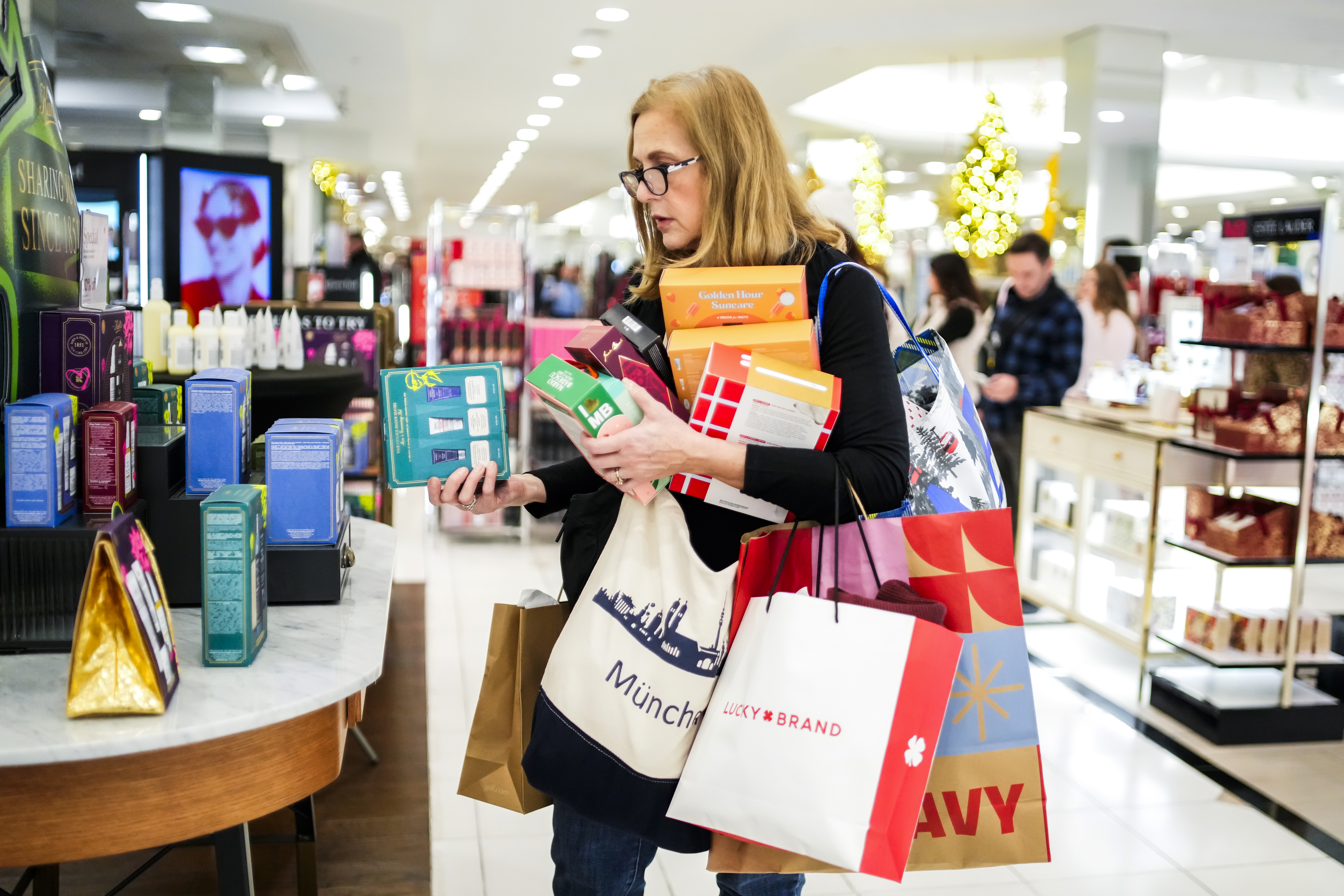
Americans used "buy now, pay later" (BNPL) options more during Cyber Monday, helping boost online sales by over $1 billion. Data from Adobe showed a record $14.25 billion spent online on Cyber Monday, driven partly by BNPL. Overall, this holiday season's BNPL spending is expected to reach $20.2 billion.
Key Facts
"Buy now, pay later" (BNPL) use increased 4.2% on Cyber Monday compared to last year.
BNPL helped contribute over $1 billion to Cyber Monday's online sales.
Total online spending for Cyber Monday reached a record $14.25 billion.
Adobe predicts BNPL spending will reach $20.2 billion by the end of the holiday season, an 11% rise from 2024.
The Thanksgiving shopping period saw $44.2 billion in online spending.
Some experts warn that rising BNPL use might hide financial struggles for U.S. consumers.
Inflation has caused higher prices, impacting how people spend their money on gifts.
Read the Original
Want the full story? Tap a source to open the original
article.
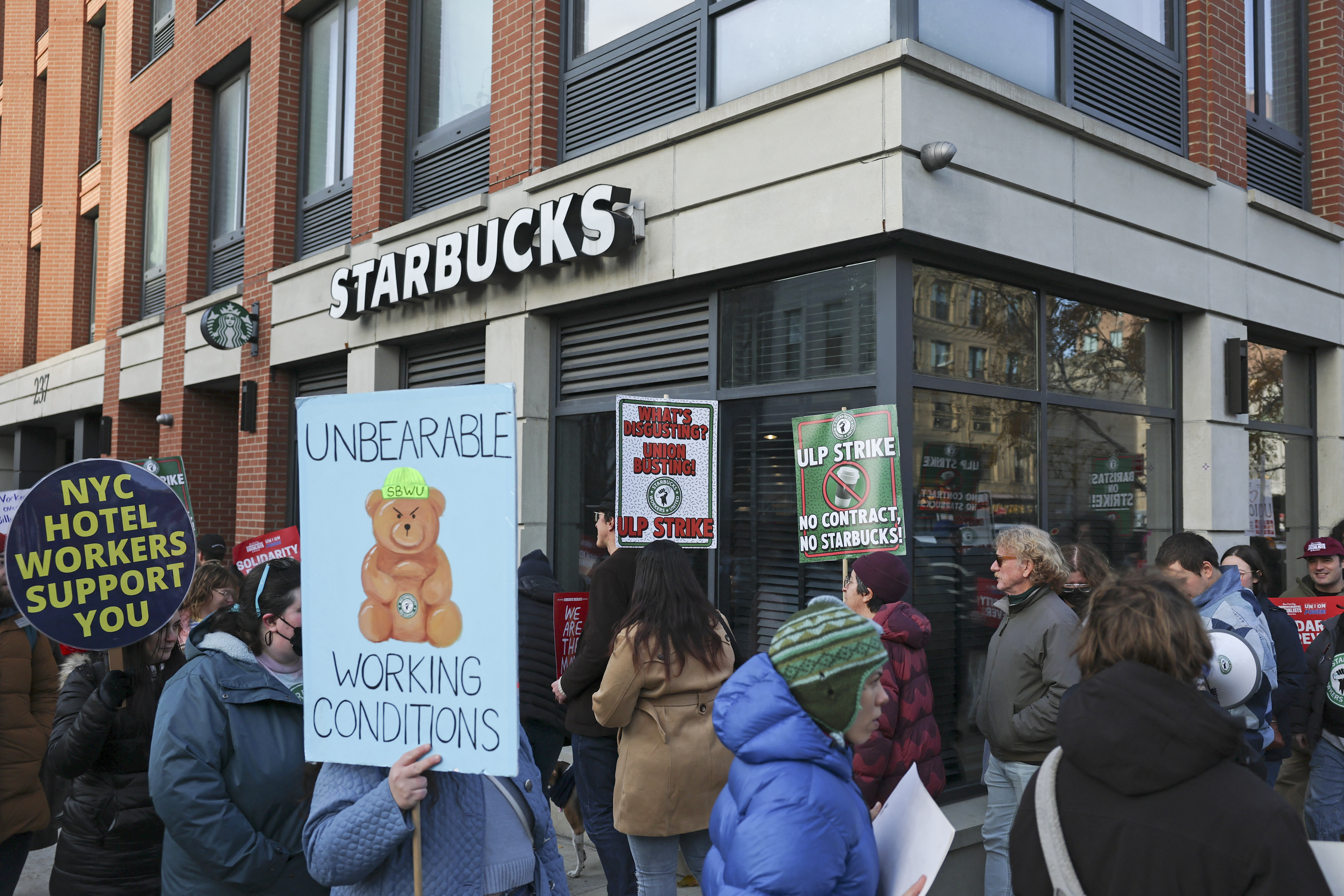
Starbucks will pay $35.5 million to workers at over 300 New York City locations due to a lawsuit about schedule violations. The settlement includes civil penalties and aims to address issues like unstable schedules and cut hours, following a city law investigation impacting more than 15,000 employees.
Key Facts
Starbucks agreed to a $38.9 million settlement due to violating NYC's Fair Workweek Law.
Of this amount, $35.5 million will go to 15,000 affected workers at over 300 locations.
An investigation found over half a million violations related to work schedules.
Each eligible worker will get about $50 per week worked from July 2021 to July 2024.
New York City's Fair Workweek Law requires consistent schedules and limits on cutting work hours.
The company faced strikes as workers demanded better hours and staffing.
Civil penalties and costs account for $3.4 million of the settlement.
The New York City Department of Consumer and Worker Protection will monitor Starbucks for future compliance.
Read the Original
Want the full story? Tap a source to open the original
article.
The UK's advertising regulator banned advertisements by Nike, Superdry, and Lacoste for making misleading claims about their products being environmentally friendly. The Advertising Standards Authority (ASA) found that the ads did not provide enough evidence to support their claims of sustainability. The companies must now ensure that future green claims in ads are clearly supported by solid evidence.
Key Facts
The UK banned ads from Nike, Superdry, and Lacoste for misleading green claims.
The Advertising Standards Authority (ASA) requires clear evidence for sustainability claims in ads.
Nike's ad claimed its products used "sustainable materials" but lacked evidence.
Superdry's ad suggested "style and sustainability" without sufficient proof.
Lacoste's ad promoted a "sustainable clothing" range but did not back the claim with data.
The ASA uses artificial intelligence to spot ads that might break its rules.
The companies must ensure future ads have strong evidence for any green claims.
Read the Original
Want the full story? Tap a source to open the original
article.
Panda Express has teamed up with chocolate company Compartés to give away a free Fortune Cookie Chocolate Bar on December 5 to customers who buy a two-item meal at certain locations. The chocolate bars are part of a special collection with flavors inspired by popular Panda Express dishes. This event highlights recent updates to Panda Express's customer perks.
Key Facts
Panda Express is collaborating with Compartés to offer a special one-day giveaway.
On December 5, a free Fortune Cookie Chocolate Bar is available with a two-item meal purchase at participating stores.
The offer is limited to in-store purchases only and while supplies last.
Four limited-edition chocolate bars inspired by Panda Express dishes are available online: Original Orange, Honey Walnut, Fortune Cookie, and Kung Pao.
Each chocolate bar costs $11.95, with a gift set option priced at $49.95.
Panda Express recently updated its rewards program, ending a monthly surprise gifts initiative.
The free chocolate bar event is separate from the Panda Rewards program, which allows members to earn points for purchases.
Read the Original
Want the full story? Tap a source to open the original
article.
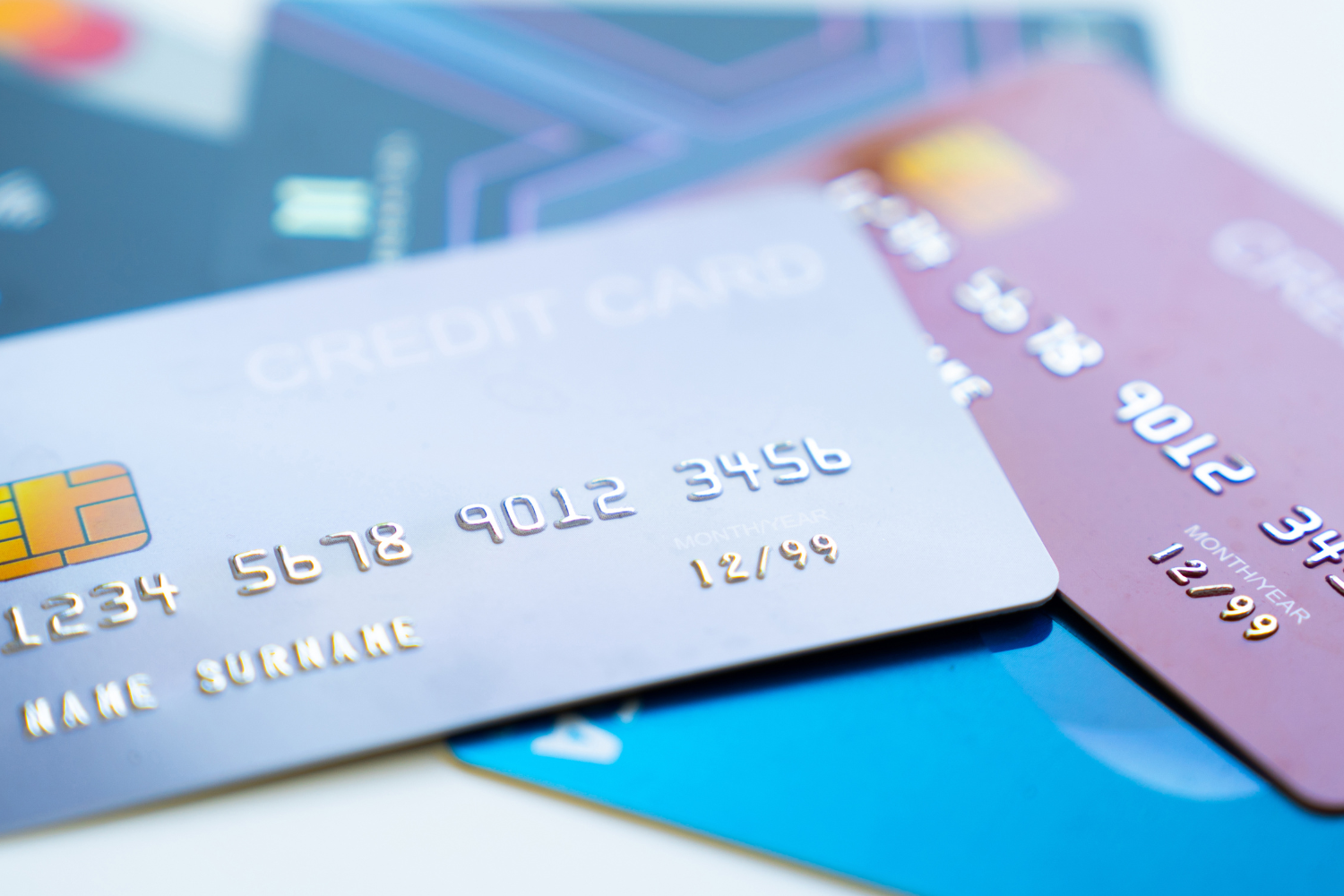
Research from King's Business School and the Federal Reserve Board shows that many banks increase credit limits without customers requesting them. This often leads to higher debt levels as customers use the additional credit made available. The study highlights concerns about this practice, noting that it mostly affects people already carrying debt.
Key Facts
Banks initiate about 80% of credit-limit increases in the U.S., not the customers.
These increases provide over $40 billion in additional credit every three months.
Most of the increased credit goes to those already carrying debt.
Algorithmic systems often decide which customers receive credit-limit increases.
Around one-third of unpaid U.S. credit-card balances exist due to these automatic increases.
Borrowers with lower credit scores are more likely to receive automatic credit-limit hikes.
U.S. policies are compared to U.K. and Canadian safeguards, which require consumer consent for credit-limit increases.
Introducing such regulations in the U.S. could improve consumer financial health and reduce debt levels.
Read the Original
Want the full story? Tap a source to open the original
article.
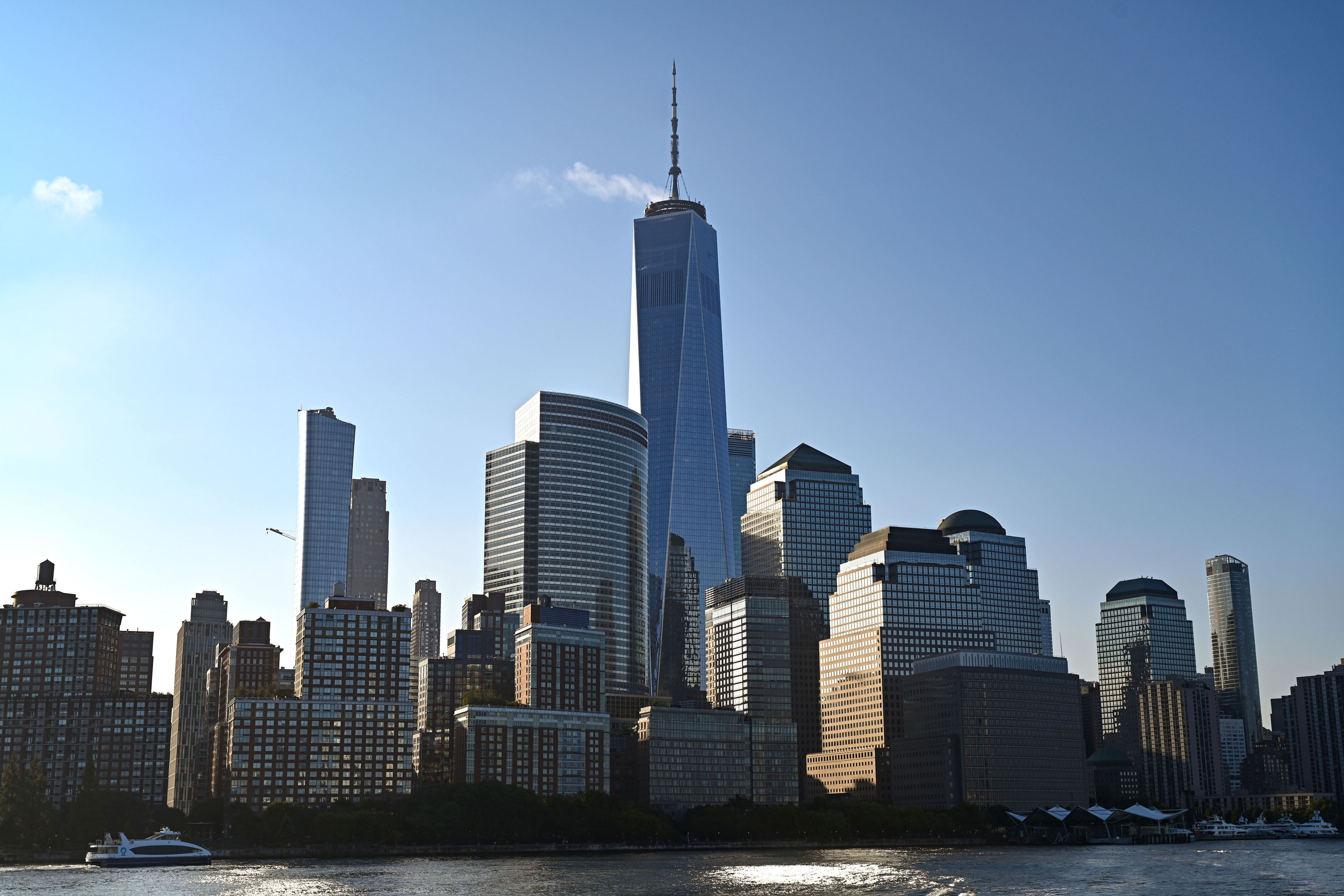
In the first half of 2025, over 60% of home sales in New York City were all-cash transactions, according to a report. Queens had the most cash purchases overall, while the Bronx had the highest ratio of cash buys compared to financed deals.
Key Facts
More than 60% of home purchases in New York City from January to June 2025 were made with cash.
There were 10,825 cash buys out of a total of 17,924 property sales during this period.
Queens had the most cash transactions with 4,132 sales.
The Bronx had the highest ratio of cash buys, with about 17 cash buys for every mortgage.
In some Bronx neighborhoods, there were far more cash buys than financed purchases (e.g., 320 cash buys vs. 5 financed in one council district).
Nearly 90% of properties over $3 million in Manhattan were bought with cash.
Harlem and Washington Heights were the only neighborhoods in Manhattan where financed deals outnumbered cash buys.
High interest rates may be causing more buyers to choose cash deals.
Read the Original
Want the full story? Tap a source to open the original
article.
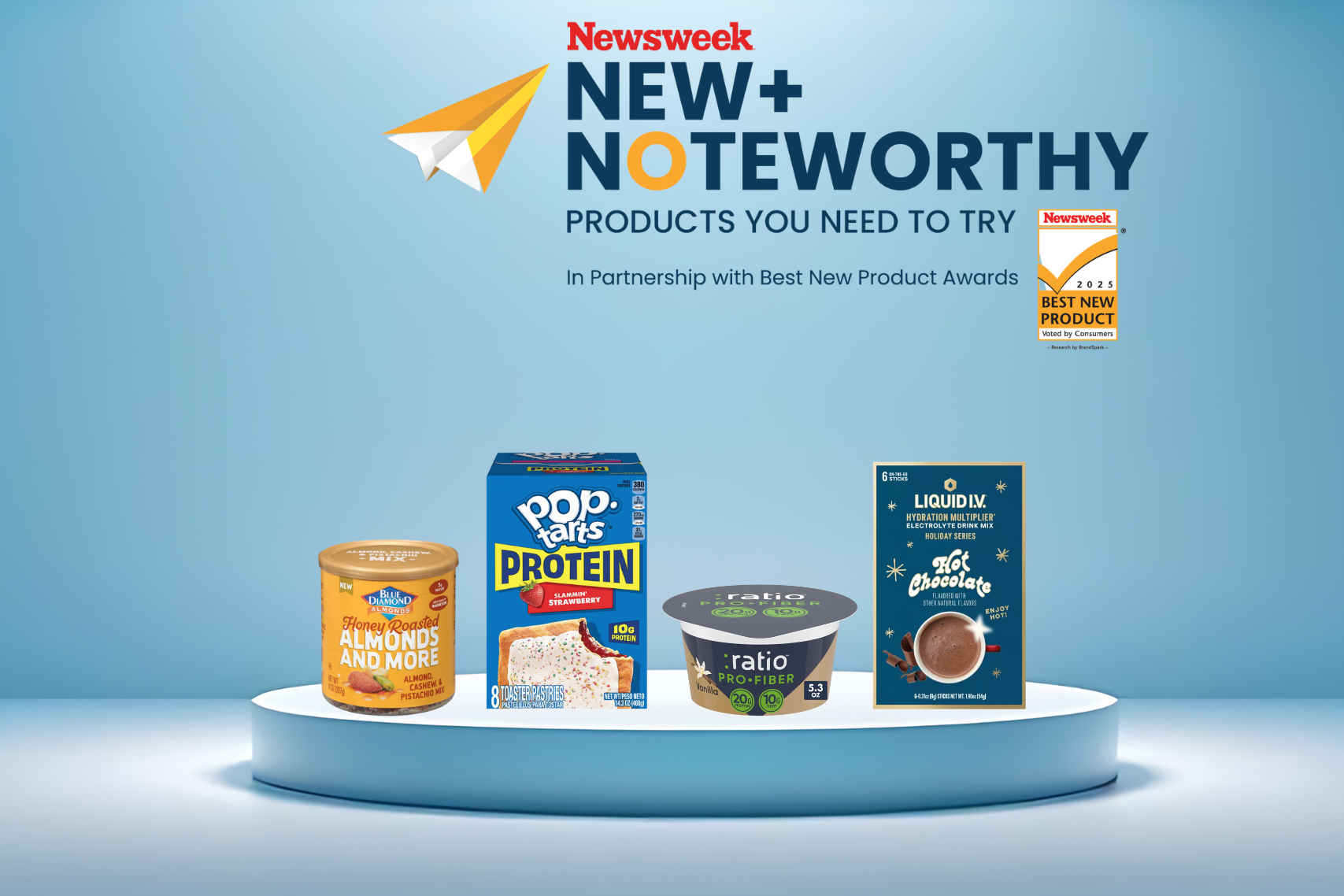
The article highlights a selection of new consumer products from various brands, including Pop-Tarts, Dave's Killer Bread, Liquid I.V., Blue Diamond, and Dr. Praeger's. These products range from protein-packed snacks to plant-based burgers and innovative hydration solutions. It is part of Newsweek's New & Noteworthy series, which showcases new and noteworthy products across multiple categories.
Key Facts
Pop-Tarts now offer a protein-rich version with 10 grams of protein per serving in three flavors.
Dave's Killer Bread launched a new Supreme Sourdough loaf, which is USDA organic and Non-GMO Project Verified.
Liquid I.V. introduced its first hot drink, Hydration Multiplier Hot Chocolate, designed for better hydration.
Blue Diamond Almonds and More are available in festive packaging with three popular flavors for the holiday season.
:ratio Pro-Fiber yogurt is a new dairy snack with high protein and fiber content, designed to be GLP-1-friendly.
Biore released a Paint & Peel Liquid Pimple Patch for targeted acne treatment with 1% salicylic acid.
Dr. Praeger's launched a new line of plant-based burgers with a steakhouse flavor profile.
Read the Original
Want the full story? Tap a source to open the original
article.
A woman’s father-in-law bought a taxidermy goat at a thrift store for $320. They later found out it could sell for around $5,000 online. The family plans to sell the goat on eBay after discovering its high value.
Key Facts
A woman shared a TikTok video about her father-in-law buying a taxidermy goat figure from a thrift store.
The goat figure was purchased for $320.
Online, similar taxidermy goats can be priced at about $5,000.
The man bought the goat during a visit to a Goodwill store over Thanksgiving weekend.
The plan is to sell the goat on eBay to make a profit.
The father-in-law has experience in reselling and co-owns a vintage clothing store.
The goat will temporarily be displayed at the family cabin.
Read the Original
Want the full story? Tap a source to open the original
article.
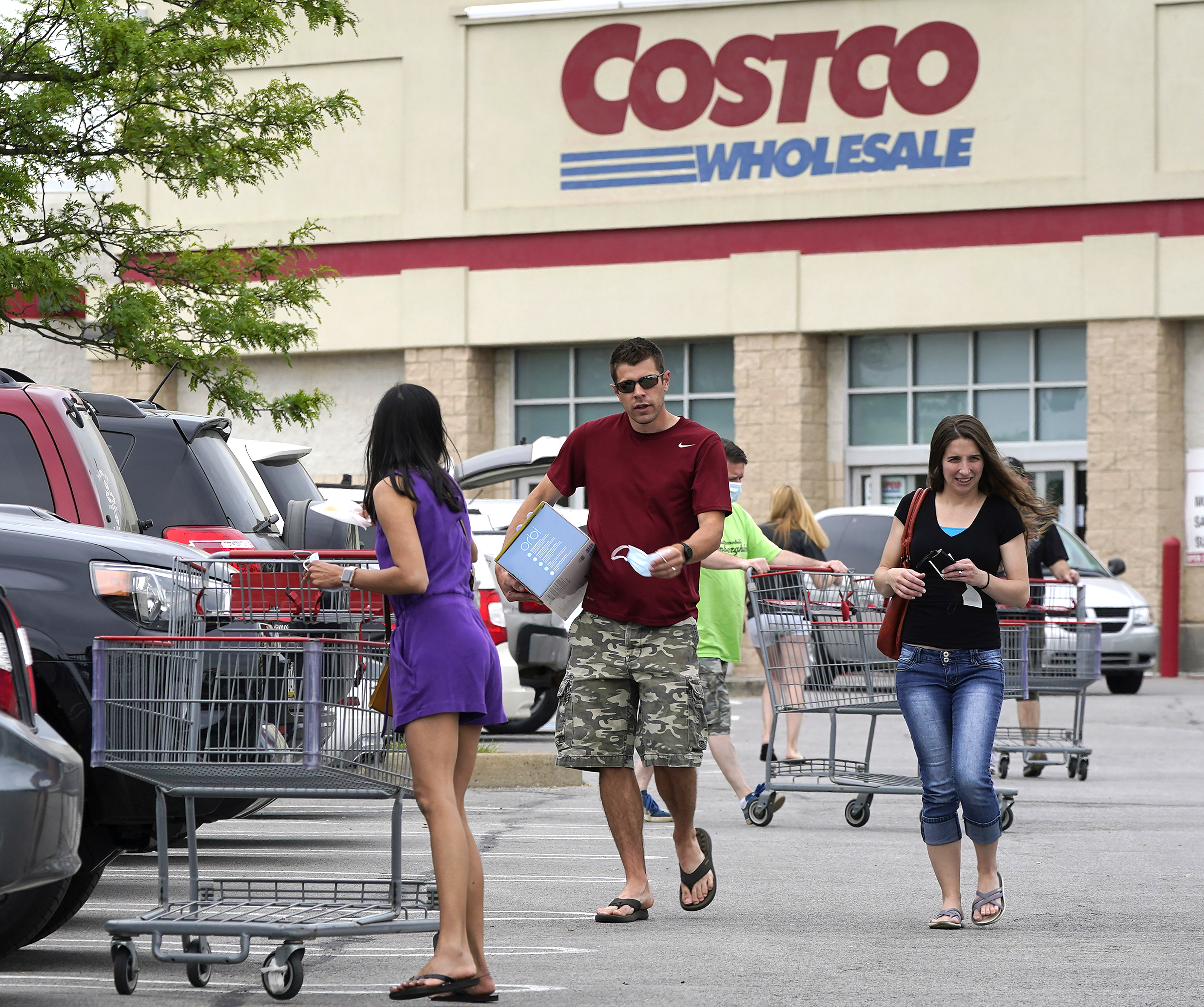
Costco has filed a lawsuit against the U.S. government, challenging tariffs imposed by President Donald Trump under the International Emergency Economic Powers Act (IEEPA). The case questions the extent of the president's authority under emergency laws and if tariffs were applied legally. The outcome could impact U.S. trade policy and whether businesses like Costco can reclaim tariff payments.
Key Facts
Costco is challenging tariffs imposed by the Trump administration under the IEEPA.
The lawsuit was filed with the U.S. Court of International Trade on November 28.
Costco argues that the administration overstepped its legal authority with these tariffs.
The U.S. Supreme Court is reviewing whether President Trump exceeded his powers in imposing the tariffs.
The lawsuit may affect how tariffs are applied across the United States and whether businesses can get refunds.
Legal experts believe there is a chance the Supreme Court might rule some of the IEEPA tariffs illegal.
Other companies might also seek refunds if Costco's lawsuit is successful.
The outcome may influence future U.S. trade policies and executive powers related to tariffs.
Read the Original
Want the full story? Tap a source to open the original
article.
Thames Water, a large UK water company, faces financial trouble with nearly £20 billion in debt. The company has increased its profits by raising customer bills and is in talks with the government to secure a rescue plan. If no plan is agreed upon soon, Thames Water may need government management to continue operating.
Key Facts
Thames Water has accumulated nearly £20 billion in debt.
The company raised customer bills, leading to increased profits.
It is in talks with the government and regulators for a rescue plan.
Administrators are ready to step in if the company collapses.
A group of major creditors has proposed a plan to invest in the company and reduce debt by forgiving part of it.
The proposal suggests creditors would give up a quarter of what they are owed.
Customer complaints about raised bills have nearly doubled from last year.
Thames Water promises that water services will not be interrupted despite financial issues.
Read the Original
Want the full story? Tap a source to open the original
article.
Ellen Jackowski is Mastercard's Chief Sustainability Officer. Her focus is on improving Mastercard's environmental practices while helping the company's finances grow. Under her leadership, Mastercard has progressed in sustainability and improved its ranking as a responsible company.
Key Facts
Ellen Jackowski is Mastercard's Chief Sustainability Officer and a Senior Vice President.
She worked at HP for 15 years focusing on sustainability before joining Mastercard in 2022.
Mastercard grew its revenue by 12% and reduced emissions by 7% last year.
The company's sustainability strategy involves empowering people, enhancing prosperity, and protecting the planet.
Mastercard ranked No. 2 on Newsweek's list of America’s Most Responsible Companies in 2024.
The company has been on this list every year since it started in 2021.
Mastercard uses data to promote sustainable consumer trends like circular fashion.
Nearly 29% of online luxury apparel transactions in the U.S. are now on resale or rental platforms.
Read the Original
Want the full story? Tap a source to open the original
article.
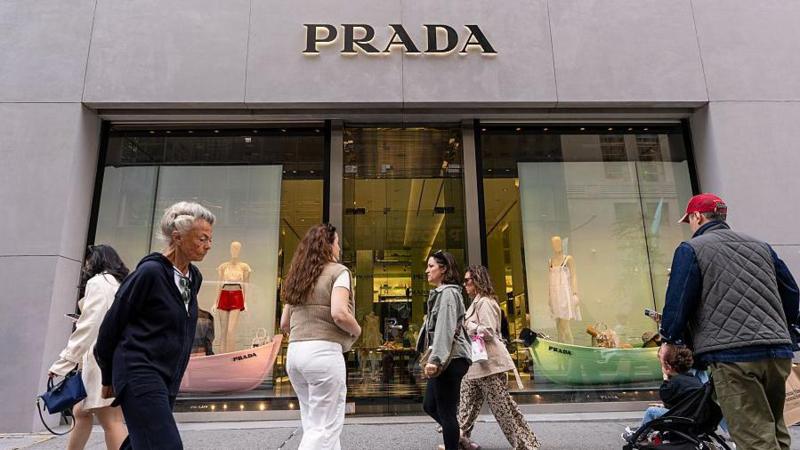
Prada, an Italian luxury fashion company, has bought Versace for $1.38 billion. This deal will help Versace's former parent company, Capri Holdings, reduce its debt and allows Prada to expand its collection of luxury brands.
Key Facts
Prada acquired Versace for $1.38 billion.
With this purchase, Prada aims to better compete with other big luxury groups like LVMH.
The sale helps Capri Holdings cut down its debt.
Donatella Versace stepped down from her role as creative chief in March.
Donatella was in charge of Versace since 1997 after her brother Gianni's death.
Dario Vitale, a former design director at Miu Miu, took over the creative leadership at Versace.
Prada's acquisition price is lower than the $2.15 billion Capri Holdings paid in 2018 for Versace.
Prada has completed the buyout after receiving all necessary regulatory approvals.
Read the Original
Want the full story? Tap a source to open the original
article.
A new survey from Visa shows that 45% of Gen Z would like to receive cryptocurrency as a holiday gift. Despite recent drops in cryptocurrency values, interest in digital currencies remains strong, particularly among younger Americans. The survey also highlights a growing use of AI in shopping.
Key Facts
Visa's survey found that 45% of Gen Z wants cryptocurrency as a gift this holiday season.
Only 28% of all surveyed adults share this interest in receiving cryptocurrency.
The crypto market recently experienced a significant drop, affecting currencies like Bitcoin, Ethereum, and XRP.
Gen Z is also leading in using cryptocurrencies for shopping, with 44% planning to do so during the holidays.
Nearly half (47%) of surveyed adults have used AI for shopping, mainly to get gift ideas.
AI-driven traffic to retail sites increased sharply during Black Friday and Cyber Monday, contributing to record online spending.
Bitcoin has shown a small recovery, rising over 10% from its lowest point in November.
Read the Original
Want the full story? Tap a source to open the original
article.
The IRS announced updates on Trump Accounts, a new type of retirement savings account for children under 18, part of the Working Families Tax Cuts plan. These accounts allow contributions from parents, employers, and charities, with a government contribution option for eligible children. The goal is to help American families build long-term financial security.
Key Facts
Trump Accounts are part of the Working Families Tax Cuts initiative and were introduced to help families save for their children’s future.
Parents or guardians can open Trump Accounts starting in 2026, with contributions beginning in July of that year.
Eligible children born between 2025 and 2028 may receive a one-time $1,000 contribution from the government if selected.
Total contributions to a Trump Account are capped at $5,000 annually, with up to $2,500 possible from employers.
Charitable and government contributions that meet specific criteria do not count toward the $5,000 limit.
Funds in Trump Accounts can be invested in mutual funds or ETFs linked to the U.S. stock market.
Withdrawals from the accounts are limited until the child turns 18, except in specific cases such as a rollover or disability.
Michael and Susan Dell contributed $6.25 billion, leading to a $250 addition to the Trump Accounts of 25 million eligible children.
Read the Original
Want the full story? Tap a source to open the original
article.
Texas voters approved 17 constitutional amendments, several of which affect the housing market and are expected to attract more foreign real estate investors. Key changes include tax breaks related to property and capital gains, which may make Texas a more attractive place for investors and businesses.
Key Facts
Texas voters approved 17 constitutional amendments, impacting areas like taxes.
Proposition 10 lowers property taxes temporarily if a home is damaged by fire.
Proposition 11 raises the homestead exemption for elderly or disabled Texans.
Proposition 7 offers tax breaks to spouses of deceased U.S. veterans.
Proposition 13 increases the homestead exemption for all homeowners in Texas.
Proposition 17 prevents property value increases near the border due to infrastructure.
Proposition 8 bans inheritance and estate taxes in Texas.
Proposition 2 bans taxes on profits from investments and capital assets.
Read the Original
Want the full story? Tap a source to open the original
article.
San Francisco has filed a lawsuit against ten major food companies, including Kraft Heinz and Coca-Cola, accusing them of marketing ultra-processed foods that are linked to health problems. The city claims these companies' actions resemble those of the tobacco industry and seeks financial penalties and changes in marketing practices.
Key Facts
San Francisco is suing ten food companies over ultra-processed products.
The lawsuit claims these foods are linked to diseases like obesity and diabetes.
The city compares the food companies' marketing tactics to those used by the tobacco industry.
The companies named include Kraft Heinz, Mondelez, and Coca-Cola.
San Francisco requests financial penalties and marketing changes from these companies.
The lawsuit is filed in San Francisco Superior Court.
Industry representatives argue there is no agreed scientific definition of ultra-processed foods.
Read the Original
Want the full story? Tap a source to open the original
article.
A rare Fabergé egg, called the Winter Egg, sold for a record £22.9 million ($30.2 million) at an auction in London. This egg, once owned by Russia's imperial family, was bought by an anonymous bidder.
Key Facts
The Fabergé egg sold for £22.9 million in London, setting a new record for such an item.
It was originally commissioned by Tsar Nicholas II in 1913 as a gift for his mother.
The previous record for a Fabergé egg was £8.9 million in 2007.
The egg is decorated with 4,500 diamonds and platinum snowflake motifs.
It measures 8.2 cm (3.2 inches) high and opens to reveal a basket of white quartz flowers.
Carl Fabergé created the egg, with design input from Alma Theresia Pihl.
Out of 50 Fabergé eggs made for the Romanov family, only seven, including this one, are privately owned.
Read the Original
Want the full story? Tap a source to open the original
article.
The OECD reports that global economic growth is doing better than expected, partly due to investment in AI. However, the organization warns that new trade tensions could harm this growth, and high expectations for AI might cause stock market changes if they aren't met. The OECD also highlights concerns about the impact of U.S. tariffs and fiscal policy.
Key Facts
The OECD expects global growth to slow from 3.2% in 2025 to 2.9% in 2026, with a rebound to 3.1% in 2027.
President Trump’s tariff increases have had mild effects so far, but their costs are expected to rise.
The U.S. economy is projected to grow 2% in 2025 and slow to 1.7% in 2026.
AI investment and expected cuts in U.S. interest rates help counter the negative effects of tariffs and other factors.
U.S. fiscal policy faces challenges with large budget deficits and rising debt.
China’s growth is forecast to remain stable in 2025 but slow in 2026 due to new U.S. tariffs.
Growth forecasts for the eurozone and Japan have been revised upward for 2025 but are expected to slow in 2026.
Global trade growth is projected to decrease from 4.2% in 2025 to 2.3% in 2026, affected by tariffs.
Read the Original
Want the full story? Tap a source to open the original
article.
Costco has filed a lawsuit against President Donald Trump's administration to get a refund on tariffs they paid and to block further tariff collections. The case is part of a broader legal challenge to the legality of these tariffs, which the Supreme Court is currently reviewing. Costco has joined other companies in seeking relief from these tariffs.
Key Facts
Costco sued the U.S. government to get a refund on tariffs paid and block future collections.
The lawsuit was filed in the U.S. Court of International Trade.
Costco argues that U.S. Customs and Border Protection denied a deadline extension for tariff refunds.
The Supreme Court is deciding if the tariffs are legal under the International Emergency Economic Powers Act (IEEPA).
IEEPA allows the U.S. president to impose tariffs during a national emergency.
Other companies, such as Ray-Ban and Revlon, have also filed similar lawsuits.
The White House has defended the tariffs, citing significant economic implications.
Read the Original
Want the full story? Tap a source to open the original
article.
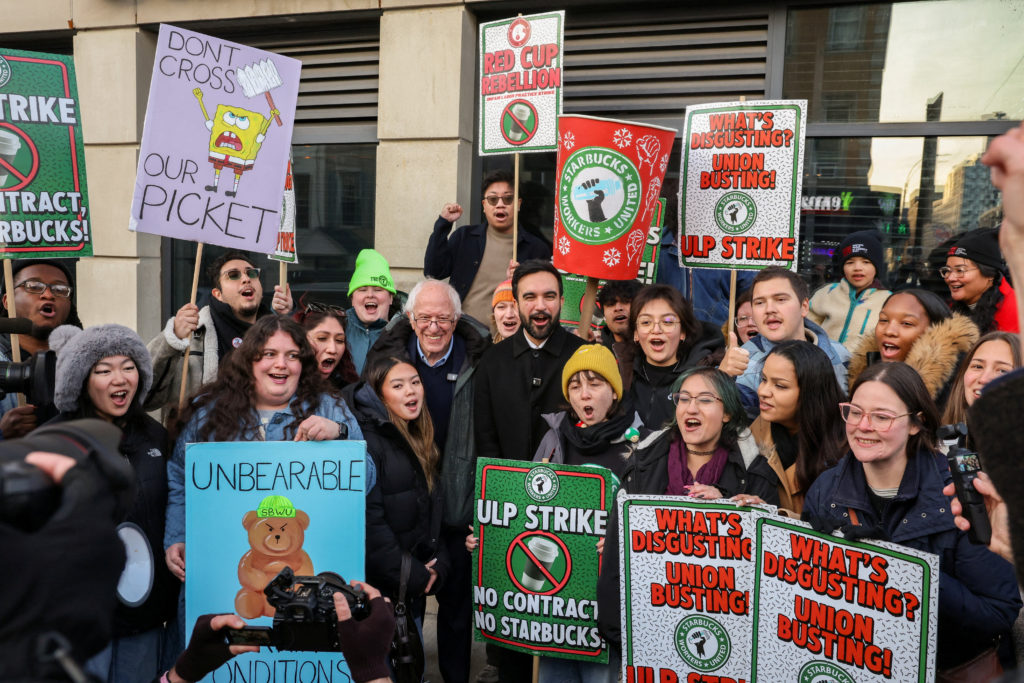
Starbucks is set to pay $35 million to over 15,000 workers in New York City to resolve issues regarding unstable work schedules and unfair hour cuts. The announcement comes as Starbucks employees continue a strike at multiple locations across the U.S. that began the previous month. Union representatives and workers are seeking better working conditions and have yet to agree on a contract with Starbucks after employees at around 550 stores opted to unionize.
Key Facts
Starbucks agreed to pay $35 million to settle claims related to unstable work schedules for over 15,000 NYC workers.
The settlement includes $3.4 million in civil penalties.
Workers are striking for better job conditions, including more stable hours and increased staffing.
About 550 of Starbucks' 10,000 company-owned stores in the U.S. are unionized.
Mayor-elect Zohran Mamdani and U.S. Sen. Bernie Sanders joined workers on the picket line in Brooklyn to support their cause.
The settlement requires Starbucks to comply with NYC's Fair Workweek law.
Affected employees will receive $50 for each week worked between July 2021 and July 2024.
Starbucks expressed readiness to negotiate with the union and noted challenges in managing compliance with local laws.
Read the Original
Want the full story? Tap a source to open the original
article.