Neutral summaries of your favorite news sources — just the facts.
Your favorite news sources, one neutral feed — we distill their reporting into fact-first
summaries and always link to the original story. How it works
Business News
Business news, market updates, and economic developments
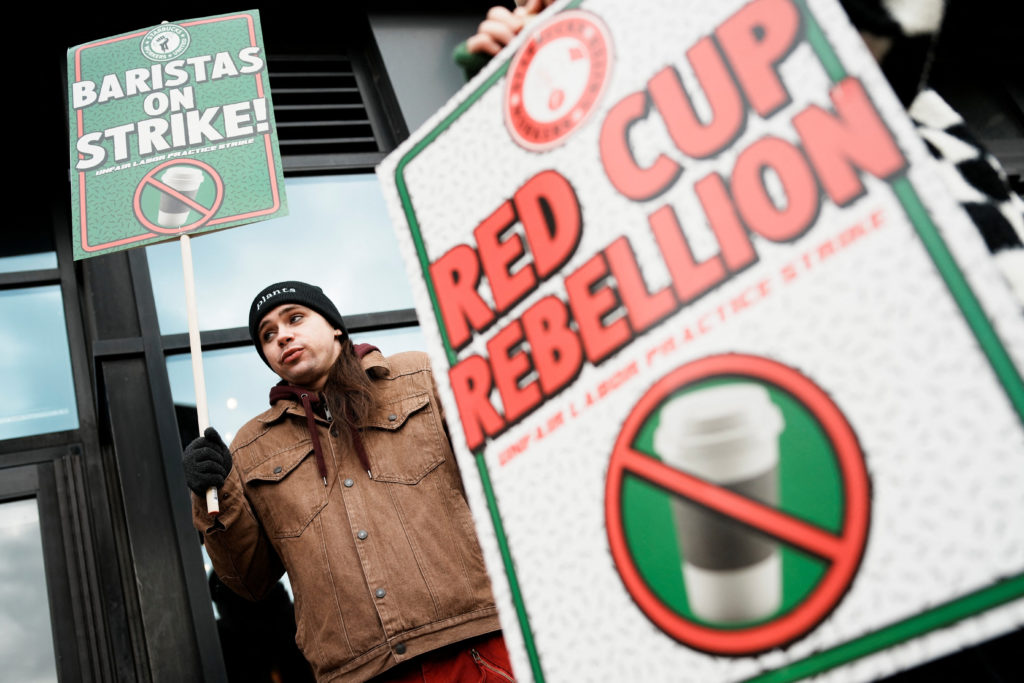
Starbucks workers at 65 unionized U.S. stores are striking over pay and staffing issues. The strike aligns with Starbucks' Red Cup Day, aiming to pressure management for better labor conditions after contract talks stalled earlier this year. The union says more than 1,000 workers in over 40 cities are participating.
Key Facts
The strike involves workers from 65 Starbucks stores in the U.S.
Workers are demanding better pay and staffing.
Contract negotiations broke down in the spring.
The union, Starbucks Workers United, has organized the strike.
The union has won union elections at over 600 Starbucks locations.
The strike takes place on Red Cup Day, a major sales event.
More than 1,000 baristas are participating in over 40 cities.
Starbucks claims the strike affects fewer than 1% of their stores.
Read the Original
Want the full story? Tap a source to open the original
article.
A government official in the UK stated that major mistakes occurred in a scheme to insulate homes, leading to damp and mould issues. Nearly all of the 23,000 homes that received external wall insulation under two schemes are at risk, and the responsible department did not adequately oversee the work.
Key Facts
The National Audit Office reported that 98% of 23,000 homes with new wall insulation could have damp and mould problems.
The issues are linked to external wall insulation installed through two government schemes.
Over three million homes have been insulated under various government initiatives over the past 20 years.
The Department for Energy Security and Net Zero was criticized for not properly overseeing the insulation schemes.
Trustmark, the body monitoring insulation quality, was found to have poor oversight.
Billions of pounds of public money have been spent on these insulation schemes.
Government officials acknowledged systemic failings in managing these projects.
MPs have called for the government to address the problems and ensure consumers are protected.
Read the Original
Want the full story? Tap a source to open the original
article.
The U.S. government shutdown has ended, but it created a delay in important economic data reports. This delay might lead to missing information about the economy's situation in October. Officials are concerned that this could affect the understanding of economic trends in the coming months.
Key Facts
The shutdown caused a delay in releasing important economic data reports.
The Bureau of Labor Statistics (BLS) might not release data for October.
The missing data could affect analysis of November economic trends.
The White House press secretary mentioned potential permanent harm to the Federal statistical system.
The BLS plans to update the schedule for releasing economic reports soon.
There is uncertainty about whether the October unemployment rate will be known.
Economists have concerns about the quality of future Consumer Price Index (CPI) data due to the data disruption.
Read the Original
Want the full story? Tap a source to open the original
article.
There is uncertainty about whether the Federal Reserve will cut interest rates in its upcoming December meeting. Some members of the rate-setting committee disagree on the best direction for policy, especially with high inflation and limited economic data.
Key Facts
The Federal Reserve is undecided on cutting interest rates next month.
Boston Fed President Susan Collins opposes cutting rates soon.
There are significant disagreements within the Fed, with some Trump-appointed governors pushing for rate cuts.
The chance of a December rate cut dropped from previous months.
Lack of sufficient economic data adds to the uncertainty of decision-making.
If no rates are cut, up to three governors might disagree publicly, which is rare.
If rates are cut, several members, including Collins, might oppose.
Chair Jerome Powell faces challenges due to these internal disagreements and missing data.
Read the Original
Want the full story? Tap a source to open the original
article.
Disney and YouTube TV are in a disagreement over carriage rights, leading to a halt in ESPN and ABC broadcasts on YouTube TV. This conflict has resulted in financial losses for Disney and frustration for sports fans missing key football games. Reports indicate a possibility of a resolution, although outcomes remain uncertain.
Key Facts
Disney and YouTube TV are having a dispute over carriage rights, which decides how TV channels are broadcast.
This disagreement has stopped ESPN and ABC from being shown on YouTube TV for three weekends.
Disney is losing about $4.3 million each day due to this issue.
As of the article, the dispute has lasted for 14 days since the channels were removed on October 31.
Disney CEO Bob Iger claims Disney's offer to YouTube TV is equal to or better than deals with other distributors.
Reports suggest there is some hope for an agreement between Disney and YouTube TV soon, despite no deal yet.
Read the Original
Want the full story? Tap a source to open the original
article.
Banks are using artificial intelligence (AI) to improve customer service and operations, even as they move cautiously due to concerns about compliance and accuracy. Middlesex Savings Bank, a 190-year-old bank, uses AI tools to support staff and maintain consistent customer service. AI projects are primarily seen as tools for enhancing business outcomes, not just cutting costs.
Key Facts
Banks face challenges in adopting new technology due to compliance and organizational structure.
Middlesex Savings Bank is using AI to improve customer service and identify potential issues proactively.
There is skepticism and concern among bank leaders about AI accuracy and security.
AI tools at Middlesex Bank help staff with training and provide quick access to information.
The bank emphasizes that AI should enhance business goals rather than just reduce expenses.
The bank has implemented process automation to improve efficiency, saving significant staff hours.
AI is seen as a partnership tool to grow revenue, not to cut jobs.
Robotics process automation has been part of their strategy for about eight years.
Read the Original
Want the full story? Tap a source to open the original
article.
Two companies, Food To Live and Africa Imports, have recalled their nutrient powders containing moringa due to possible Salmonella contamination. These products were sold at major retailers, including Amazon and Walmart. Customers are advised to stop using and dispose of these products, and they can contact the companies for more information.
Key Facts
The recall affects nutrient powders made with moringa, a plant used in supplements.
Products include Organic Moringa Leaf Powder and Organic Supergreens Powder Mix.
The recall is due to the potential presence of Salmonella bacteria.
Symptoms of Salmonella infection can include fever, diarrhea, and nausea.
Food To Live and Africa Imports are the companies conducting the recall.
The powders were sold online through various retailers such as Amazon and Walmart.
Customers should stop using the products and dispose of them safely.
Read the Original
Want the full story? Tap a source to open the original
article.
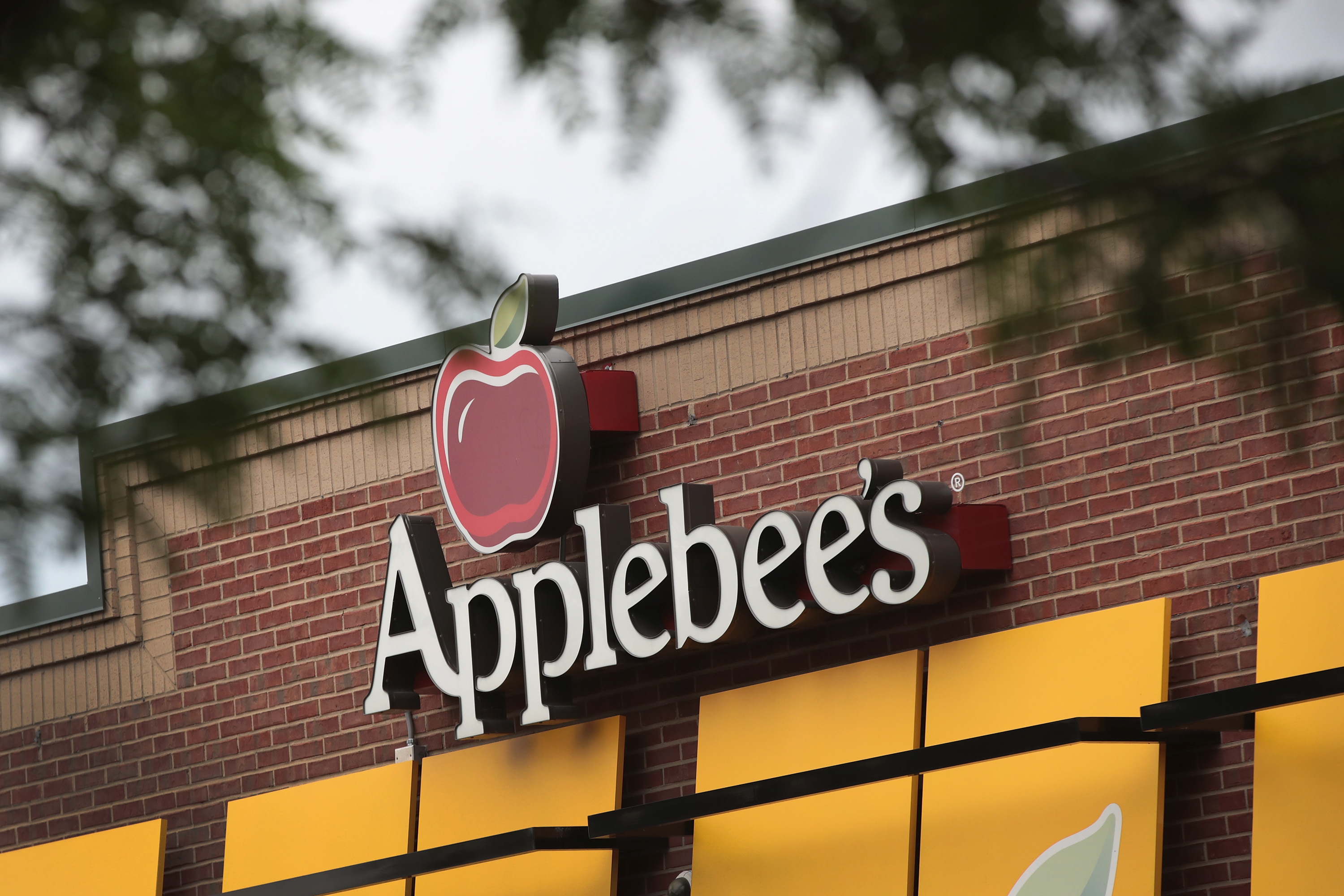
Applebee's announced changes to its menu, including new dishes and special deals like the 2 for $25 menu and a new appetizer sampler. The restaurant is updating its offerings to attract more customers during an economic period where many people are trying to save money.
Key Facts
Applebee's added new items to their menu, including a Grilled Cheese Cheeseburger and Crispy Pickle Fries.
The 2 for $25 deal lets customers pick two entrees and a popular appetizer.
The new Ultimate Trio lets diners choose three appetizers from 10 options with three dipping sauces.
The Sizzlin’ Cookie Dough Pie costs $6.99.
A survey found 54% of Americans have changed dining habits to save money.
Applebee's ranks as the third-most-considered casual dining restaurant in the U.S.
Read the Original
Want the full story? Tap a source to open the original
article.
The UK is facing a challenge with low productivity, which means less output or work done for each hour worked. The Chancellor, Rachel Reeves, may address this in the upcoming budget and is considering tax changes to help manage the situation.
Key Facts
The UK government is concerned about low productivity levels.
Chancellor Rachel Reeves is preparing for the upcoming budget announcement.
There may be increases in income tax, which could break Labour’s earlier promises.
The Office for Budget Responsibility is expected to lower its productivity growth forecast.
Experts from different economic organizations are involved in discussions about the issue.
Solutions to improve productivity are being explored by specialists in economics.
Read the Original
Want the full story? Tap a source to open the original
article.
The average long-term mortgage rate for a 30-year U.S. home loan has slightly increased to 6.24% from 6.22% last week. Mortgage rates are influenced by factors like the Federal Reserve's interest rate policy and bond market trends. Despite a recent dip in rates, the housing market remains challenged by high borrowing costs and falling home sales.
Key Facts
The average mortgage rate for a 30-year loan is now 6.24%.
A week ago, the rate was 6.22%, and a year ago, it was 6.78%.
The rate for 15-year fixed-rate mortgages has decreased slightly to 5.49%.
Mortgage rates are influenced by the Federal Reserve’s policies and the bond market.
Sales of occupied homes in the U.S. declined last year to their lowest in nearly 30 years.
Applications for home purchases increased nearly 6% last week.
The Trump administration is considering a 50-year mortgage to help with housing affordability.
The Federal Reserve does not directly set mortgage rates, but its actions can influence them.
Read the Original
Want the full story? Tap a source to open the original
article.
Over 1,000 Starbucks workers in the U.S. went on strike at 65 stores, aiming to disrupt the company's Red Cup Day due to stalled labor contract talks. The union wants better pay and working conditions, while Starbucks claims most stores remain open and offers competitive wages and benefits.
Key Facts
More than 1,000 unionized Starbucks workers began a strike at 65 stores in the U.S.
The strike targeted Red Cup Day, a busy day for Starbucks when free reusable cups are given out.
Starbucks Workers United, the barista union, organized the strike and said several stores had to close.
The union claims the company has not reached a contract agreement, with last negotiations in April.
Workers demand higher pay, better hours, and improved staffing.
Starbucks says it provides an average wage and benefits package worth $30 per hour.
The coffee chain has 10,000 company-owned stores and 7,000 licensed locations in the U.S.
Around 550 Starbucks stores in the U.S. are unionized, and 59 unionized stores closed in September.
Read the Original
Want the full story? Tap a source to open the original
article.
The UK's economic growth slowed in the July-to-September quarter, with a small 0.1% increase that fell short of predictions. September saw a decrease in growth, partly due to a significant drop in car production following a cyber-attack. The government's upcoming Budget needs to address these slow growth concerns, focusing on stimulating consumer spending and business investment while managing tax changes and borrowing.
Key Facts
The UK economy grew by only 0.1% between July and September, below expected levels.
In September, the economy shrank due to a major fall in car production after a cyber-attack on Jaguar Land Rover.
The Office for National Statistics noted that a stable car production would have led to positive growth in September.
Slow growth is also linked to decreased consumer spending and business investment.
High employment costs and ongoing uncertainty have affected economic momentum.
The Budget aims to create stability and confidence, while managing taxes and borrowing rules.
A possible Bank of England interest rate cut could happen soon, which might lower borrowing costs.
Despite challenges, the UK could still become the second fastest-growing economy in the G7 this year.
Read the Original
Want the full story? Tap a source to open the original
article.
Massachusetts State Auditor found that UMass Memorial Health Care did not adequately account for $6.2 million received in COVID relief grants. The funds were intended for pandemic recovery but were used for employee bonuses. The audit suggests that if used differently, these funds might have kept a maternity ward open.
Key Facts
UMass Memorial Health Care received $6.2 million in COVID relief grants for pandemic recovery.
The grants were provided by the Executive Office of Health and Human Services (EOHHS).
The audit found that the funds were used for COVID bonuses to staff instead.
Massachusetts State Auditor Diana DiZoglio suggested the funds could have saved a closed maternity ward.
The audit covered UMMHC activities from July 1, 2020, to June 30, 2023.
UMMH could not provide required documents to verify how the grant money was spent.
The maternity center at HealthAlliance Clinton Hospital was closed due to staffing issues.
The audit recommended maintaining records and reassessing maternity care needs.
Read the Original
Want the full story? Tap a source to open the original
article.
Verizon plans to cut about 15,000 jobs as it faces tough competition in the market. These cuts are part of the company's efforts to lower costs and handle ongoing losses in customer numbers.
Key Facts
Verizon will cut around 15,000 jobs starting next week.
The company faces strong competition in the wireless and home internet markets.
Verizon has been losing postpaid phone subscribers for three quarters in a row.
The job cuts are the biggest in Verizon’s history.
Verizon had about 100,000 employees in February.
As part of the plan, around 200 stores will shift to franchised operations, transferring employees from Verizon's payroll.
Read the Original
Want the full story? Tap a source to open the original
article.
Newsweek is hosting a webinar about how hospitals can reduce their use of travel nurses and encourage more nurses to become permanent staff. The webinar will discuss the financial and cultural challenges of relying on travel nurses and will provide strategies for hospitals to attract and retain full-time nursing staff.
Key Facts
Newsweek's webinar is on November 19 at 2 p.m. ET.
The focus is on reducing the use of travel nurses in hospitals.
Travel nurses can be costly and indicate deeper staffing issues.
Panelists include Dr. Regina Foley, David Rutherford, and Dr. Vikas Saini.
The panel aims to explore underlying problems and solutions for nurse retention.
Travel nurses offer flexibility and higher pay, making permanent staff roles less attractive.
Hospitals need better pay and conditions to keep full-time nurses.
Read the Original
Want the full story? Tap a source to open the original
article.
Disney has removed ESPN, ABC, and its other networks from YouTube TV since their agreement expired on October 30th. The dispute has cost Disney over $30 million each week. Disney's CEO, Bob Iger, is talking directly about the issue, saying they offered a fair deal while YouTube TV subscribers continue to miss out on these channels.
Key Facts
Disney took down ESPN, ABC, and other channels from YouTube TV after the contract ended on October 30.
YouTube TV has more than 10 million subscribers.
Disney is losing over $30 million each week due to the blackout.
YouTube TV gave subscribers a one-time $20 credit because of the channel loss.
Disney CEO Bob Iger says the deal proposed to YouTube TV is fair and similar to agreements with other companies.
Negotiations may continue as both sides hold their ground, impacting sports viewers and future contract discussions.
The ongoing issue affects NFL and college football fans who often watch these channels.
Read the Original
Want the full story? Tap a source to open the original
article.
Michael Race, the boss of Centrica, owner of British Gas, expressed concern about job losses in Scotland's energy industry due to the shift from oil and gas to green energy. He highlighted the need for the energy transition and noted the challenges it poses in terms of employment opportunities. He also discussed past job cuts and the company's efforts to hire new talent through apprenticeships.
Key Facts
Michael Race leads Centrica, which owns British Gas.
He is worried about job losses in Scotland's oil and gas industry due to the transition to green energy.
The transition's slow pace in creating new jobs compared to job cuts is a primary concern.
Centrica faced criticism over prepayment meter practices, which they have since halted.
The company's largest oil and gas producer, Harbour Energy, announced job cuts this year.
Centrica has taken on 1,700 apprentices and plans to hire one apprentice daily.
O'Shea criticized energy regulator Ofgem, blaming weak regulations for issues during the energy crisis.
Read the Original
Want the full story? Tap a source to open the original
article.
The Scottish government plans to issue its first bonds in the 2026-27 financial year to raise money for infrastructure projects. This decision follows receiving the same credit ratings as the UK from major credit rating agencies. The issuance of these bonds depends on factors like the outcome of the upcoming Holyrood election.
Key Facts
The Scottish government plans to issue its first bonds in 2026-27.
Bonds allow the government to borrow money from investors in exchange for regular interest payments.
The decision follows credit ratings from Moody's and S&P Global, matching the UK's sovereign rating.
The bonds aim to fund infrastructure projects in Scotland.
The issuance of bonds depends on the results of the Holyrood election and other factors.
Moody's and S&P noted that Scotland's credit rating could be cut if independence becomes more likely.
The Scottish government's bonds are nicknamed "kilts."
Scotland has had the power to issue bonds since 2016 but has mainly borrowed from the UK National Loans Fund.
Read the Original
Want the full story? Tap a source to open the original
article.
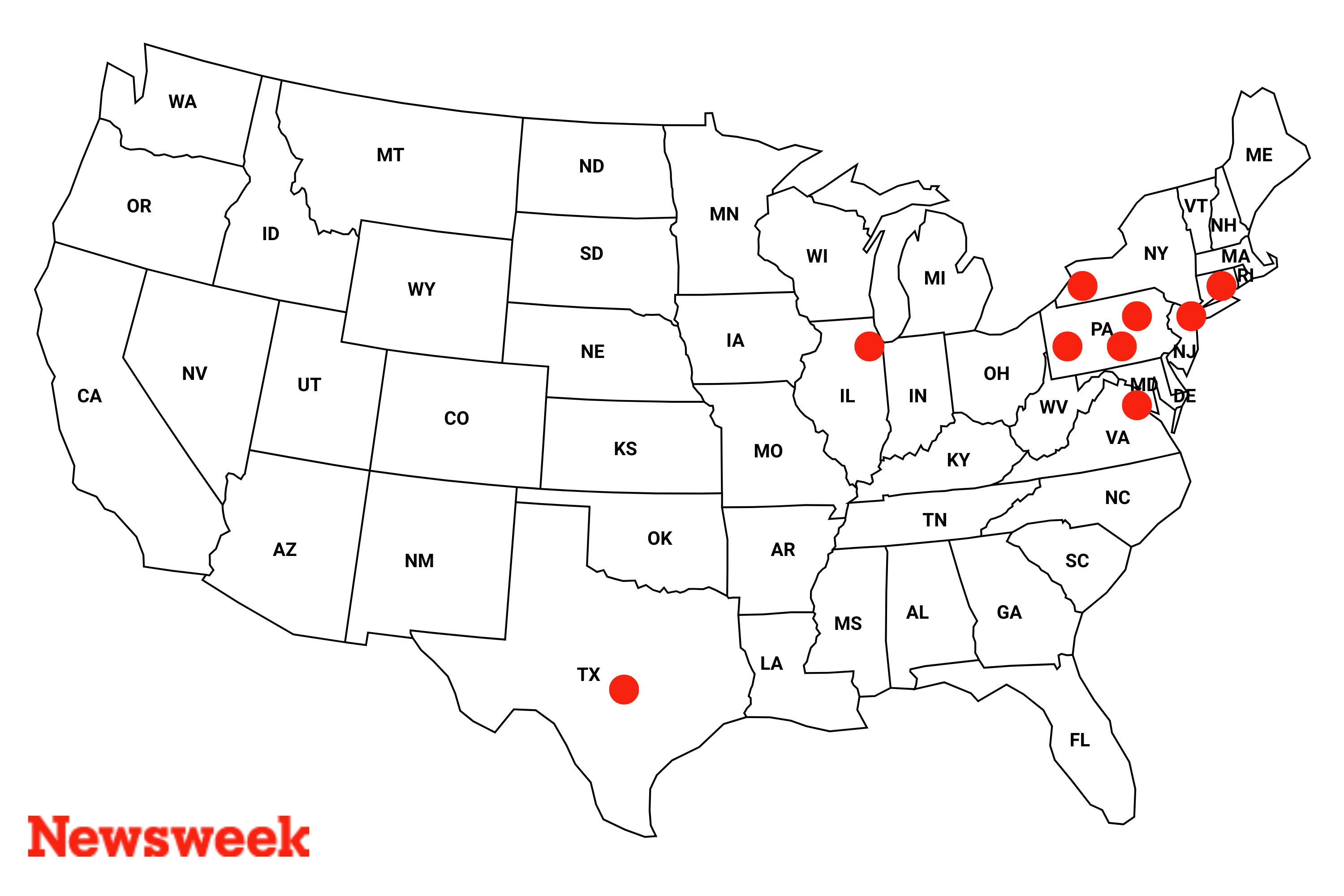
Saks Off Fifth, a discount store chain, will close nine of its U.S. locations by January 2026. This decision aims to focus on the stores that perform well and have the potential to succeed. The flagship store in New York City will close by December 31, 2025.
Key Facts
Saks Off Fifth plans to close nine U.S. stores starting in January 2026.
The flagship store on Manhattan's Upper East Side is set to close by December 31, 2025.
Other store locations closing include Austin, Texas; Chicago; Washington, D.C.; Philadelphia; Pennsylvania; New Jersey; Niagara Falls, New York; and Connecticut.
Saks Off Fifth aims to concentrate on stores with high performance and potential.
The company has around 100 stores across the U.S. and Canada.
Saks Off Fifth is not filing for bankruptcy but is restructuring its store presence.
Online shopping trends and reduced physical store visits are influencing these changes in the retail sector.
Over 2,500 U.S. store closures are expected in 2025, with potential for more closures by 2029.
Read the Original
Want the full story? Tap a source to open the original
article.
This article discusses how major financial institutions are becoming more interested in cryptocurrency, but the existing crypto infrastructure is not fully equipped to meet their standards. Issues include a lack of reliable staking providers and reliance on shared cloud infrastructure, which poses risks for large investors.
Key Facts
Major financial firms like BlackRock and Morgan Stanley are increasing their involvement in cryptocurrencies.
"Staking" is a process where crypto holders can earn interest by helping to secure digital currencies like Ethereum.
Financial institutions find the current options for staking providers too limited and risky.
The concentration of staking providers around a few major players creates potential risks.
Many staking services operate on shared cloud platforms like Amazon Web Services, which can be a single point of failure.
Institutions prefer diversified operations to minimize risk, a practice reinforced after the 2008 financial crisis.
The crypto industry lacks the infrastructure depth and reliability that large financial institutions typically expect.
Read the Original
Want the full story? Tap a source to open the original
article.