Neutral summaries of your favorite news sources — just the facts.
Your favorite news sources, one neutral feed — we distill their reporting into fact-first
summaries and always link to the original story. How it works
Business News
Business news, market updates, and economic developments
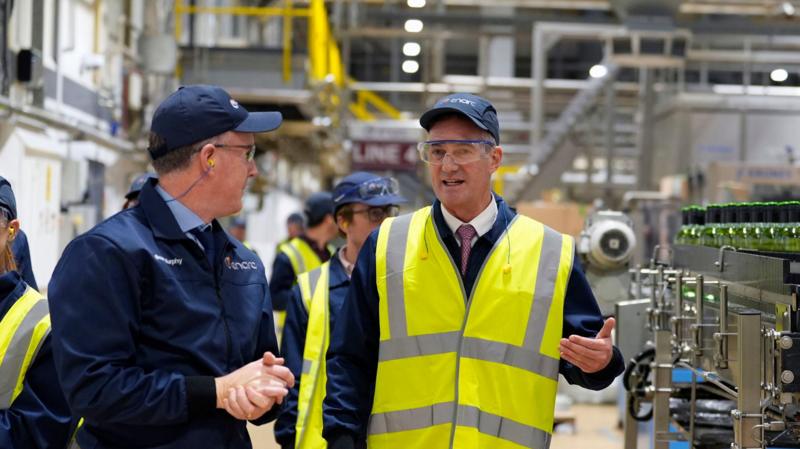
Starting next year, around 500 UK businesses that use a lot of energy, such as those in the steel and glass sectors, will have their electricity network charges reduced significantly. This government initiative is expected to cut their energy bills by a total of £420 million. The goal is to help these companies compete better internationally.
Key Facts
500 businesses in the UK will get energy bill cuts totaling £420 million from 2024.
Companies in industries like steel, glass, and cement will get a 90% discount on electricity network charges.
Previously, these businesses received a 60% discount on these charges.
Network charges make up about 20% of a company's energy bill, so a 90% discount equates to an 18% reduction in overall energy costs.
The initiative aims to make UK businesses more competitive globally by reducing costs.
Some companies that will benefit include Tata Steel and INEOS.
The Industrial Energy Agency reported that UK's industrial energy costs were nearly double the average of its members in the past year.
There are ongoing discussions about profits in the energy sector and potential nationalization.
Read the Original
Want the full story? Tap a source to open the original
article.
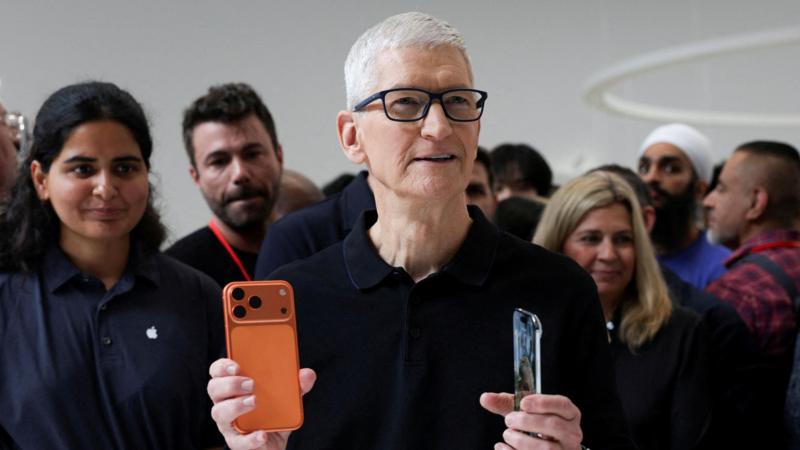
Apple announced that its latest iPhones have been well received globally, despite missing previous sales estimates due to supply issues and shipping delays to China. Apple expects a strong holiday season with up to 12% higher revenue compared to last year. Tariffs imposed by the U.S. government impacted Apple's profits, adding additional costs.
Key Facts
Apple released its thinnest iPhone, the Air, and upgraded iPhone 17 models in September.
The company reported overall fourth-quarter revenue of $102.5 billion, which is an 8% increase from last year.
iPhone sales specifically were slightly below expectations, reaching $49 billion due to supply and shipping issues.
Tariffs imposed by the U.S. contributed to a $1.1 billion cost hit for Apple last quarter and are expected to add another $1.4 billion in the holiday quarter.
Strong demand was observed for the new iPhones in both the U.S. and China, with sales up 14% in the first 10 days compared to the iPhone 16.
Apple's chief financial officer believes if sales forecasts are met, it would be the company's best quarter ever.
The release of new iPhone models is part of Apple's strategy to maintain strong sales amidst increasing competition, especially in AI and cloud computing sectors.
Read the Original
Want the full story? Tap a source to open the original
article.
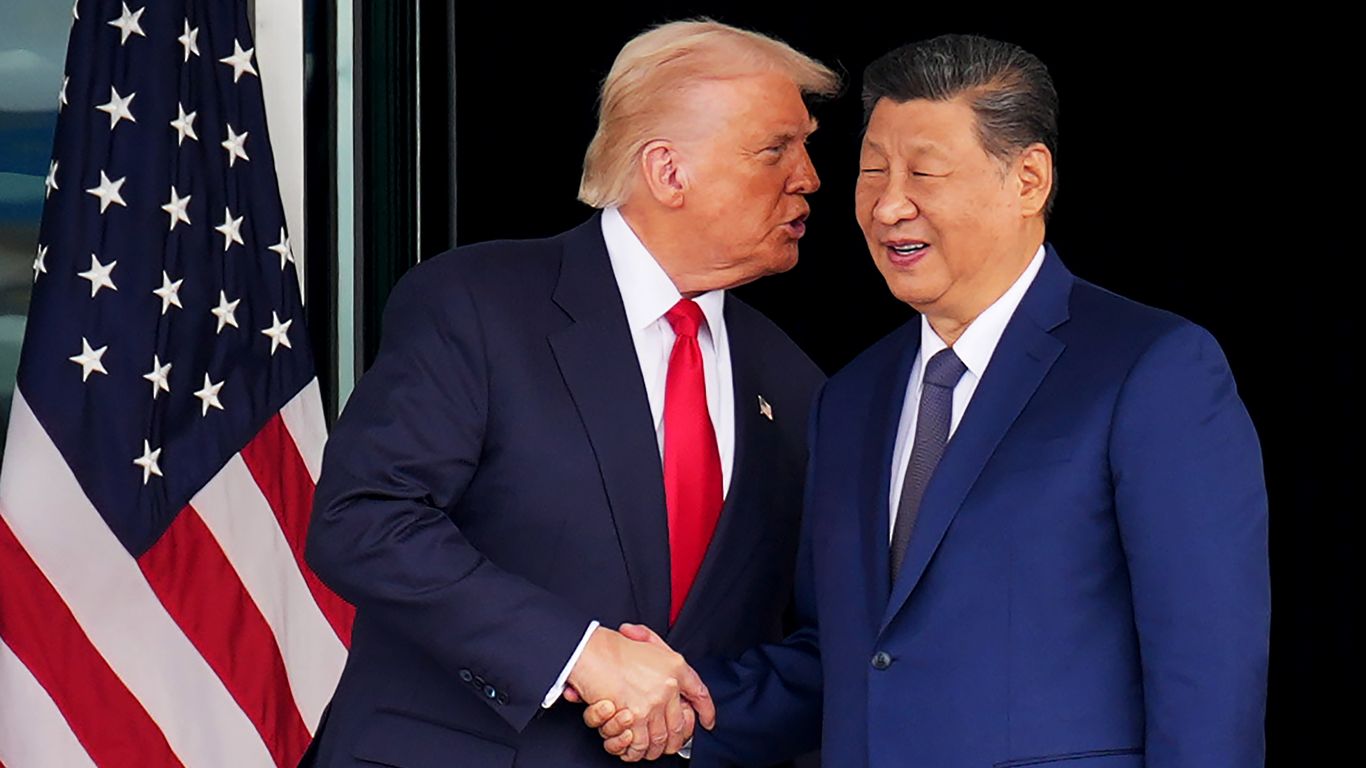
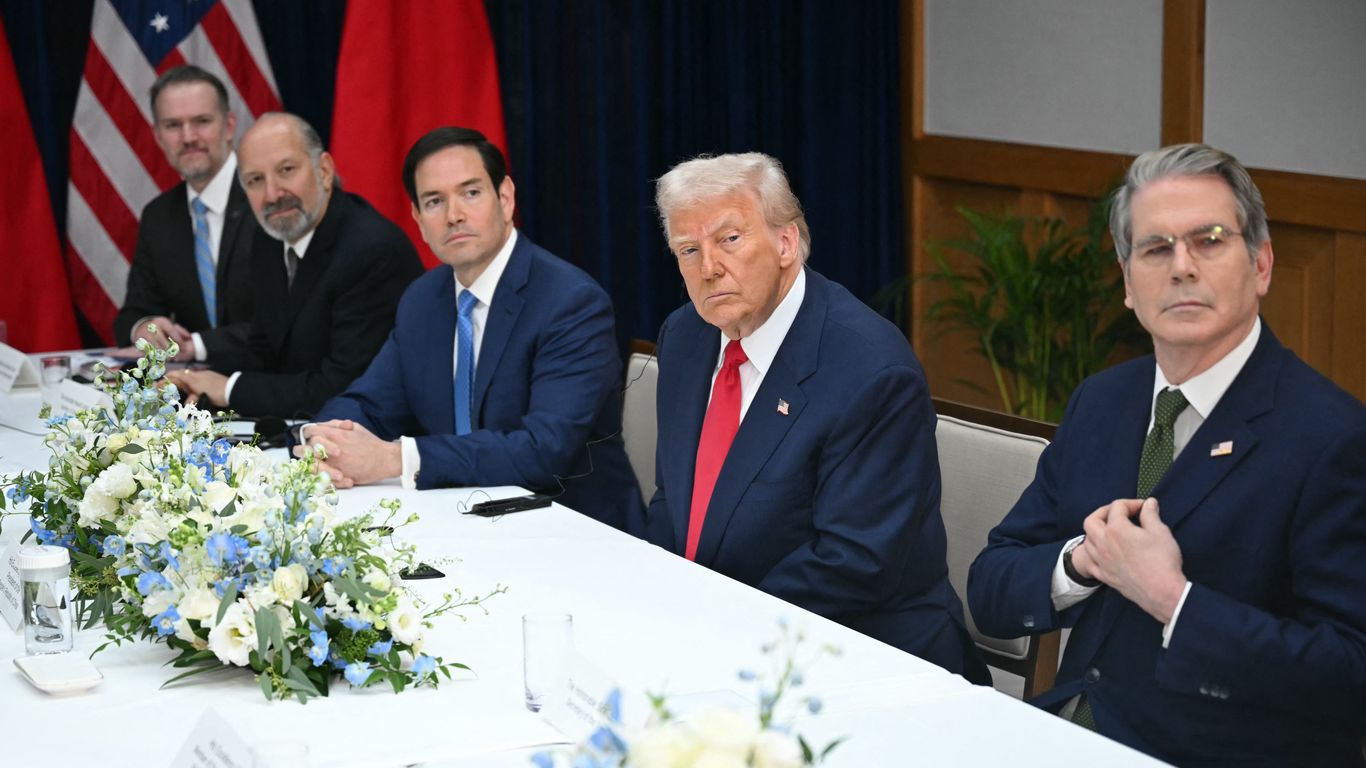
President Trump and China's leader Xi Jinping have announced a new trade deal covering various sectors, including agriculture and technology. This deal closely resembles previous agreements from the last six years, which often did not succeed. The current deal introduces a temporary truce but does not solve deeper issues.
Key Facts
President Trump and Chinese leader Xi Jinping announced a new trade deal.
The deal includes items like agriculture products and rare earth minerals.
Similar agreements in the past have failed or collapsed.
There is a temporary reduction in tensions, but long-term issues remain.
A 47% tariff on Chinese goods still causes strain and costs for both U.S. businesses and consumers.
The current deal includes a one-year truce on exporting rare earth minerals that are crucial for many industries.
Past truces were short-lived and could risk returning to a trade conflict if the deal does not hold.
Read the Original
Want the full story? Tap a source to open the original
article.
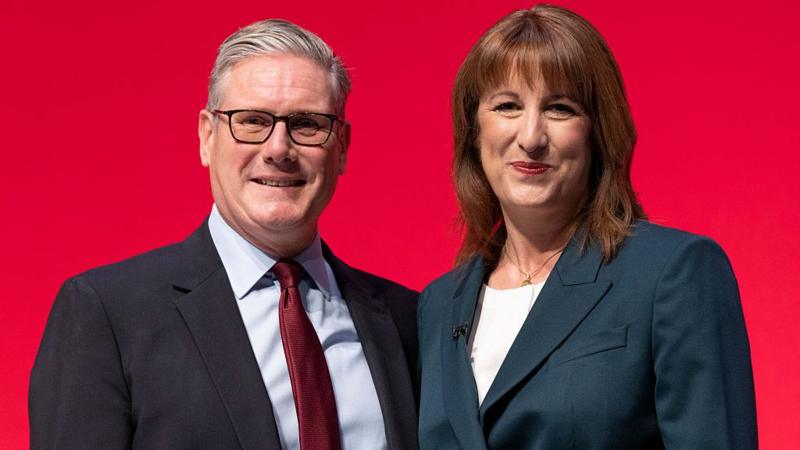
A letting agency failed to apply for a required rental licence for the home of Chancellor Rachel Reeves. The agency's former property manager had planned to apply for the licence but left the company before doing so. Rachel Reeves has apologized for not ensuring the licence was obtained.
Key Facts
The property in question is Chancellor Rachel Reeves' family home in South London.
The home is in an area where a selective rental licence, costing £945, is required.
The letting agency, Harvey & Wheeler, did not apply for the licence as intended due to a staff member's resignation.
Rachel Reeves found out about the missing licence after being contacted by a news outlet.
Reeves has taken responsibility and applied for the licence upon being alerted.
The agency owner, Gareth Martin, expressed regret over the oversight.
The UK Prime Minister supports Reeves, indicating confidence in her handling of the situation.
No formal investigation was deemed necessary by the government's ethics adviser.
Read the Original
Want the full story? Tap a source to open the original
article.
China has approved the plan for TikTok to transfer its U.S. operations to new owners. The U.S. Treasury Secretary stated that this agreement is expected to be finalized in the coming weeks and months. This development follows directives from U.S. law and an executive order by President Trump.
Key Facts
China allowed the transfer deal for TikTok's U.S. assets.
U.S. Treasury Secretary Scott Bessent mentioned the agreement should proceed soon.
The approval followed a meeting between President Trump and China's leader, Xi Jinping.
TikTok's parent company, ByteDance, is obliged to sell its U.S. assets following a 2024 U.S. law.
President Trump signed an order setting terms for TikTok's sale to U.S. and global investors.
ByteDance will hold less than 20% ownership in the new TikTok U.S. setup.
A licensing agreement's details raised concerns for some U.S. officials.
The new agreement specifies that Americans will have most of the board seats for the new TikTok entity.
Read the Original
Want the full story? Tap a source to open the original
article.
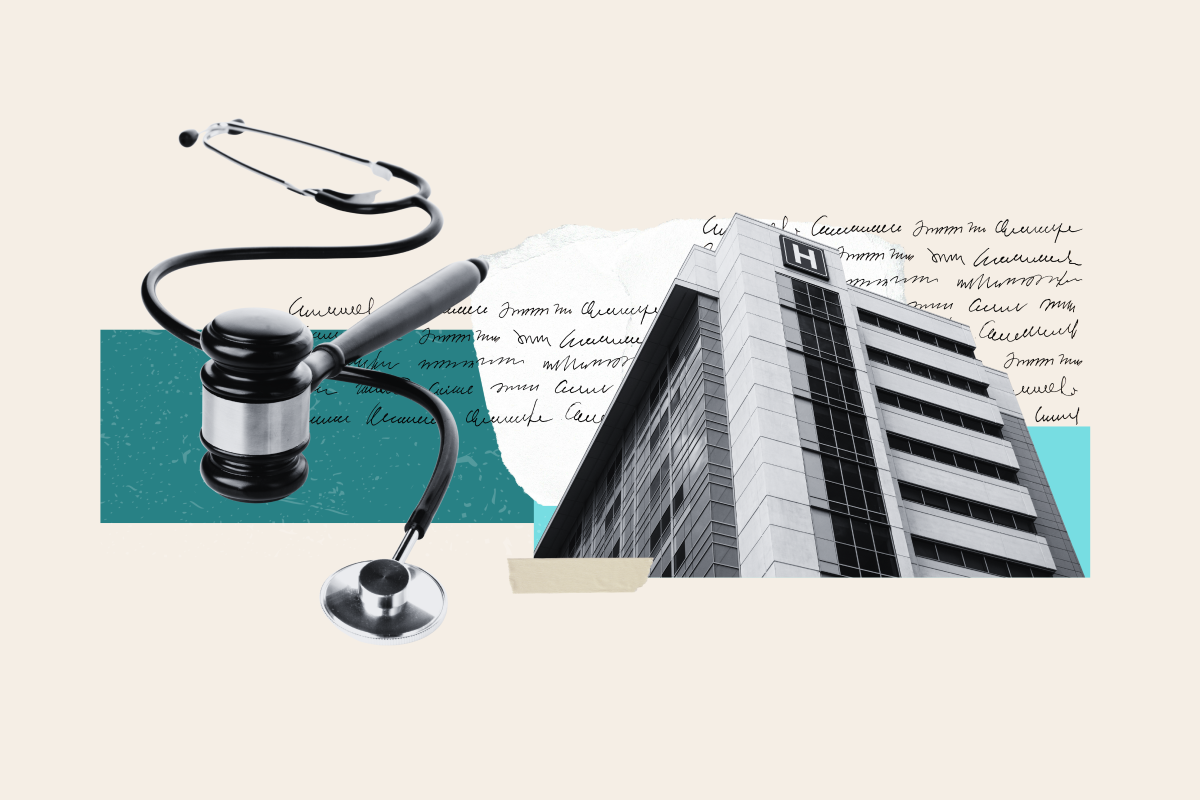
The article discusses the impact of private equity (PE) firms buying hospitals and the new regulations in California that will review these health care deals. It explains that starting January 1, California will require any health care transaction involving PE firms to be reviewed to ensure they don't negatively influence patient care.
Key Facts
Private equity firms often invest in hospitals, which some studies associate with lower care quality and higher costs.
To manage these concerns, 14 U.S. states have laws to review health care deals before they happen.
Starting January 1, California will review health care transactions involving private equity and hedge funds.
The goal is to prevent profit motives from harming patient care.
The law requires health care entities to notify the state 90 days before a transaction, potentially causing delays.
This review process will make transaction details public on California's website.
Experts expect fewer health care deals in California after the law takes effect due to increased scrutiny.
Read the Original
Want the full story? Tap a source to open the original
article.
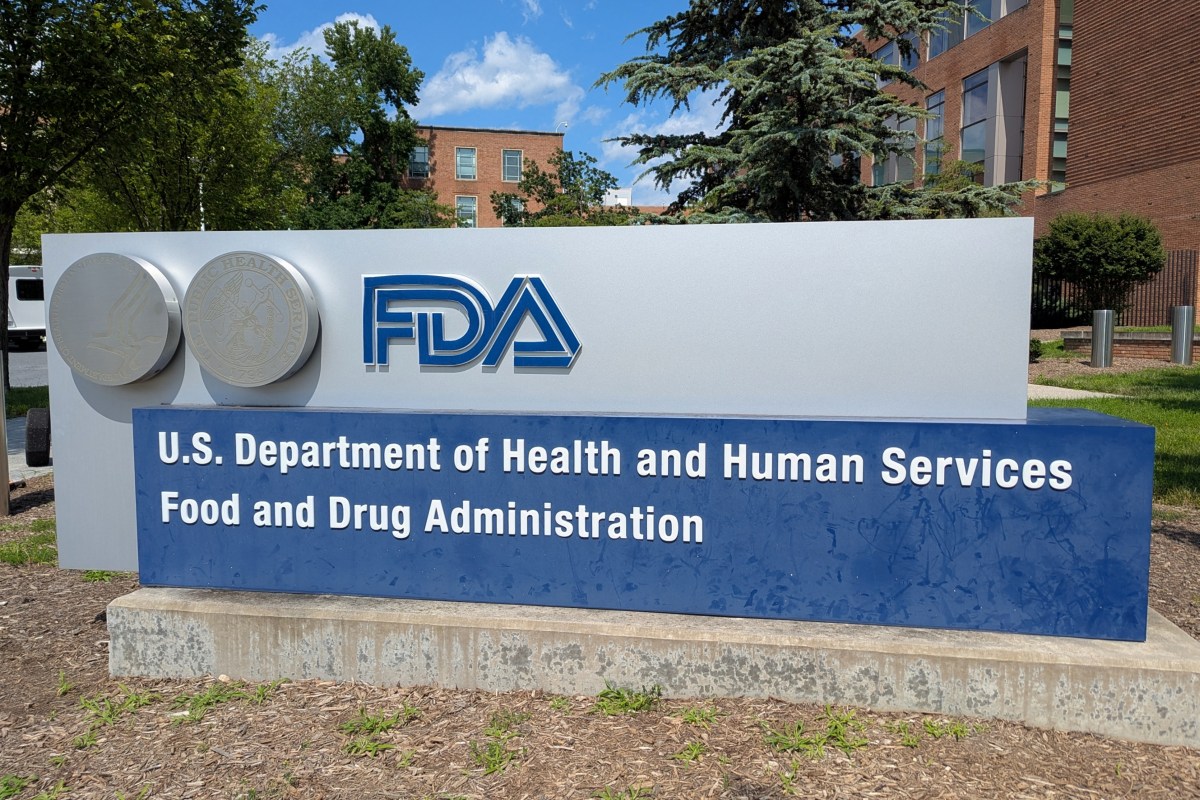
Teva Pharmaceuticals USA, a drug maker in New Jersey, is recalling some blood pressure medications due to high levels of a cancer-causing impurity. This recall affects several types of Prazosin Hydrochloride capsules, which are commonly used to manage high blood pressure. The FDA categorized this recall as Class II, meaning the health risk is relatively low.
Key Facts
Teva Pharmaceuticals USA is recalling certain blood pressure medications.
The recall is due to high levels of an impurity called N-nitroso Prazosin impurity C, which can cause cancer.
The affected medications are Prazosin Hydrochloride capsules in 1 mg, 2 mg, and 5 mg doses.
Approximately 181,659 bottles of the 1 mg dose, 291,512 bottles of the 2 mg dose, and 107,673 bottles of the 5 mg dose are impacted.
The FDA classified the recall as Class II, indicating low risk of serious health problems.
The recalled drugs are used to lower blood pressure and sometimes treat PTSD symptoms.
Teva has not received any complaints from consumers regarding this issue.
Patients with these medications are advised to contact their pharmacy and healthcare provider for alternatives.
Read the Original
Want the full story? Tap a source to open the original
article.
New Hoque & Sons Inc. is recalling its "Dry Ghoinnya Fish" because it wasn't properly eviscerated, which means its internal organs weren't removed. This fish was sold nationwide and could potentially cause botulism, a serious illness, according to the FDA.
Key Facts
The "Dry Ghoinnya Fish" recall is due to the product not being eviscerated, meaning it still has internal organs.
The product could cause botulism poisoning, which has symptoms like blurred vision and trouble speaking.
The fish packages were distributed to stores across the U.S. and have an expiration date of May 19, 2025.
Selling uneviscerated fish is not allowed in New York State because it can increase the risk of botulism.
No illnesses linked to this recalled product have been reported so far.
Customers should return the fish to the store for a refund.
Most product recalls in the U.S. are voluntary, and when companies announce a recall, the FDA helps share the information.
Customers with questions can contact New Hoque & Sons Inc. via phone, and further information is available on the FDA's website.
Read the Original
Want the full story? Tap a source to open the original
article.
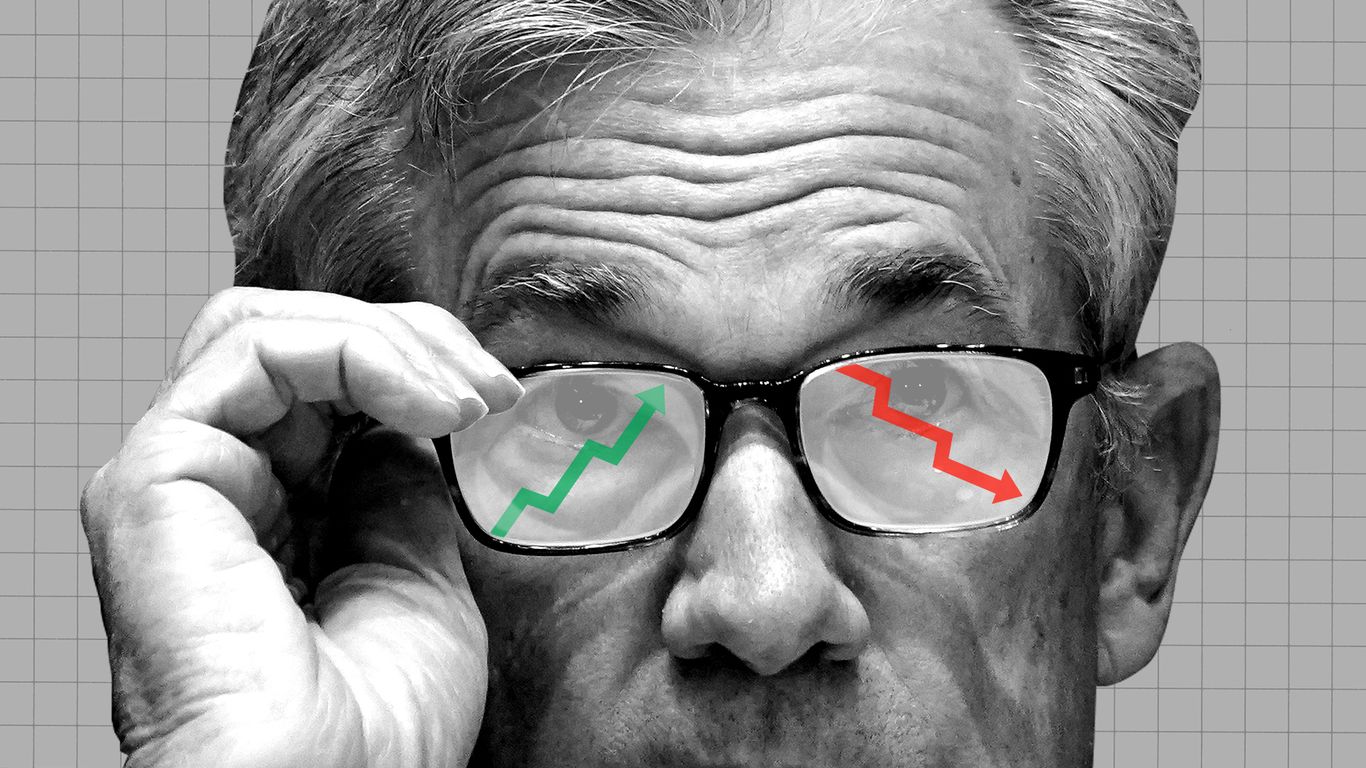
Federal Reserve Chair Jerome Powell stated that another interest rate cut by the end of the year is not guaranteed, which highlights disagreements among Fed members. While some policymakers want more rate cuts to support the economy, others are worried about ongoing inflation. This division became clear during a recent policy meeting and has impacted market expectations about future rate decisions.
Key Facts
Jerome Powell said that a December rate cut is not guaranteed.
There is disagreement in the Federal Reserve about cutting interest rates, with some concerned about inflation.
Market expectations for a December rate cut decreased from 88% to 71% after Powell's remarks.
A policy group that worries about inflation has been particularly vocal against more rate cuts.
In recent meetings, policymakers have been split on the issue of further rate cuts.
Reserve bank presidents from Cleveland, Kansas City, St. Louis, and Dallas have voiced concerns about inflation risks.
Only two out of these four reserve bank presidents currently have voting power on the committee.
Notably, there have been recent cases of Fed members dissenting in opposite directions on rate cuts at the same meeting.
Read the Original
Want the full story? Tap a source to open the original
article.
Spirit Halloween opens about 1,400 stores across the U.S. each year. Two student journalists visited a store in New Jersey to learn more about its employees.
Key Facts
Spirit Halloween sets up around 1,400 stores in the U.S. every year.
The stores are temporary, often opening around the Halloween season.
Two student journalists explored the work environment at a New Jersey store.
The article focuses on the experiences of the people working at the store.
Details about the store visit were shared on the platform "All Things Considered."
Read the Original
Want the full story? Tap a source to open the original
article.
Thousands of high chairs sold on Walmart.com have been recalled due to a missing safety part. The recall affects about 4,300 Harppa 5-in-1 Convertible High Chairs, which lack a proper restraint system, posing a risk of falls and injury.
Key Facts
The recall involves Harppa 5-in-1 Convertible High Chairs due to a missing restraint system.
Around 4,300 high chairs were sold from August 2024 to July 2025.
The chairs were priced between $60 and $80 and sold on Walmart.com.
There is a risk of children falling or getting trapped, which can cause serious injury or death.
The recall applies to high chairs with "Model Number BHC001" and "Production Batch Number 202408."
Affected consumers should stop using the chairs and contact Harppa for a replacement.
To get a replacement, consumers need to disassemble the chair and show proof by sending photos to Harppa.
Read the Original
Want the full story? Tap a source to open the original
article.
NPR is suing the Corporation for Public Broadcasting (CPB) over claims that CPB backed out of a $36 million contract due to pressure from the White House. The trial will address whether CPB unlawfully broke the contract in response to government influence. A federal judge has allowed the case to go to trial, highlighting the tension between NPR and President Trump's administration.
Key Facts
NPR filed a lawsuit against CPB alleging unlawful contract termination due to White House pressure.
The disputed contract was worth $36 million and related to satellite and distribution services.
U.S. District Judge Randolph Moss expressed skepticism about CPB's reasons for changing its decision.
The legal action is separate from a broader lawsuit about federal funding cuts to NPR and PBS.
CPB had considered a new contract with NPR but reversed its decision after discussions with a White House official.
President Trump directed an executive order to stop federal funds to NPR and PBS, labeling them negatively on social media.
CPB was tasked with distributing federal funds to public media until recent budget cuts by Congress and the president.
Read the Original
Want the full story? Tap a source to open the original
article.
Two health systems have settled lawsuits claiming they shared patients' personal data with companies like Meta and Google without permission. Margaret Mary Community Hospital and the University of Tennessee Medical Center agreed to pay settlements but deny any wrongdoing. These cases are part of a larger trend of legal actions regarding patient data breaches.
Key Facts
Margaret Mary Community Hospital will pay $215,329 to settle claims related to patients who used their portal between 2015 and 2023.
The University of Tennessee Medical Center will pay a settlement for similar claims for the period from January 2025 to September 2025.
Both lawsuits accuse the health systems of sharing patient data with companies like Meta and Google without consent.
The cases were filed due to alleged negligence, invasion of privacy, and violation of consumer protection laws.
Those eligible for the settlements can receive a $25 cash payout or enroll in a privacy protection program.
Final approval hearings for the settlements are scheduled for December 2025.
Class members have deadlines to opt out of the settlements and to file claims.
Read the Original
Want the full story? Tap a source to open the original
article.
Small grocery stores are facing financial challenges as potential cuts to SNAP (food assistance program) might lead to fewer sales. Some customers are spending less and seeking cheaper options elsewhere. SNAP purchases greatly impact these local stores' revenue.
Key Facts
Many small grocery stores rely on the Supplemental Nutrition Assistance Program (SNAP) for a large part of their sales.
The Save A Lot store in Springfield, Massachusetts, gets 65% of its sales from SNAP benefits.
A potential government shutdown might cut off SNAP benefits starting November 1, 2025.
Shop manager Jose Pajares reports fewer customers and reduced sales at Save A Lot.
Customers like Theresa Rios are buying fewer items and seeking cheaper alternatives due to SNAP cuts.
There are 250,000 retailers in the U.S. authorized to accept SNAP benefits.
The manager has reduced inventory and lowered prices to address reduced demand.
Read the Original
Want the full story? Tap a source to open the original
article.
China plans to buy 12 million metric tons of soybeans from the U.S. this year and at least 25 million metric tons per year for the next three years. This decision comes after China stopped purchasing U.S. soybeans earlier due to trade tensions with the U.S.
Key Facts
China will buy 12 million metric tons of soybeans from the U.S. this year.
For the next three years, China promises to purchase at least 25 million metric tons annually.
U.S. Treasury Secretary Scott Bessent announced these plans.
Earlier this year, China had stopped buying U.S. soybeans due to a trade war.
The planned purchases will match the annual amounts China used to buy in the past.
Last year, China bought $13 billion worth of U.S. soybeans.
Read the Original
Want the full story? Tap a source to open the original
article.
Small businesses in the U.S. are preparing for the holiday season, a critical sales period, amid concerns about inflation and trade policies. A survey by Constant Contact found many small business owners feel pressure due to these economic challenges, though they are confident in their ability to meet sales targets through strategies like social media marketing and discounts.
Key Facts
The holiday season accounts for up to half of annual sales for 60% of small business owners.
37% of U.S. small business owners feel significant pressure this holiday season due to economic challenges.
Inflation is a main concern for 32% of businesses surveyed, while 22% are worried about weak consumer spending.
Tariffs are expected to negatively impact 52% of U.S. businesses during the holiday shopping period.
U.S. consumer sentiment has dropped to a six-month low, especially among those earning less than $75,000 annually.
Small businesses are launching more marketing campaigns, with a strong focus on social media and discounts.
77% of small businesses are confident they will meet their revenue goals this holiday season.
Read the Original
Want the full story? Tap a source to open the original
article.
Kroger is recalling about 3,700 skeleton-shaped wax candles because they can catch fire. These candles were sold in Kroger and affiliated stores across the U.S. Consumers should stop using them and return them for a refund.
Key Facts
Kroger recalled about 3,700 Halloween-themed skeleton wax candles.
The U.S. Consumer Product Safety Commission identified a fire risk with these candles.
Decorations on the candles can catch fire while being used.
Carole Accessories Inc. imported these candles, which were made in China.
The candles sold for around $7 in September and October.
Consumers can return the candles to any Kroger store for a full refund.
Read the Original
Want the full story? Tap a source to open the original
article.
Dunkin' has announced its new holiday menu, introducing both new and returning seasonal food and drinks starting November 5. The menu includes festive beverages and snacks, which will be available at its locations across the United States for a limited time. Dunkin' is also running a fundraiser to support children in need during this period.
Key Facts
Dunkin' announced a new holiday menu to launch on November 5.
The menu features five new items and two returning fan-favorites.
New items include the Cookie Butter Cloud Latte and Berry Sangria Refresher.
Returning favorites are the Peppermint Mocha and Toasted White Chocolate Signature Latte.
The menu will be available until the holiday season ends, based on product availability.
Dunkin' is the largest coffee and doughnut chain in the United States with over 14,000 locations worldwide.
Dunkin’ is running the "Joy in Childhood Foundation Give Joy fundraiser" from November 5 to November 30, offering rewards for donations to support children in need.
Read the Original
Want the full story? Tap a source to open the original
article.
Many companies, including Amazon, are laying off employees in large numbers. The Worker Adjustment and Retraining Notification (WARN) Act requires big companies to give their employees a 60-day notice before mass layoffs. Workers can look for warning signs like hiring freezes and project pauses to anticipate possible layoffs.
Key Facts
Amazon recently laid off 14,000 employees to streamline operations.
The WARN Act requires U.S. companies with 100 or more full-time employees to give a 60-day notice before mass layoffs.
A mass layoff is defined as 500 or more employees, or 50 or more employees if they make up at least 33% of a site’s workforce.
Companies must also give notice if at least 50 employees face a work hours reduction of 50% or more expected to last at least six months.
Employees can check the WARN notice website or WARNTracker for updates on layoffs.
Signs of possible layoffs include hiring freezes, budget cuts, leadership changes, and sudden project pauses.
HR consultant Bryan Driscoll and financial literacy instructor Alex Beene highlight uncertainty in the job market and recommend employees stay informed and prepare for potential layoffs.
Read the Original
Want the full story? Tap a source to open the original
article.