The article discusses how significant increases in oil prices can lead to economic recessions. It explains that not every oil price spike results in a recession, but certain conditions, like a sustained oil price rise and an already weak economy, can increase the risk. The current situation involves uncertainties due to a potential conflict in the Strait of Hormuz impacting oil prices.
Key Facts
Most U.S. recessions since World War II were preceded by significant oil price increases.
Not all oil price spikes cause recessions; specific conditions must be met.
A substantial and long-lasting oil price increase can alter consumer and business behaviors.
The current oil situation involves uncertainty around the Strait of Hormuz, affecting global supply.
Brent crude oil prices have risen to $92 per barrel due to these tensions.
A prolonged conflict could push prices much higher, increasing recession risks.
Previous oil shocks in history caused more damage when hitting already slowing economies.
Read the Original
Want the full story? Tap a source to open the original
article.
United Airlines plans to cut about 5% of its flights due to rising oil prices amid a war involving the U.S., Israel, and Iran. The airline aims to manage costs by reducing less profitable flights. United believes demand for flights remains high, but soaring fuel costs could complicate its finances.
Key Facts
United Airlines is reducing its flight schedule by about 5%.
The cuts include 3% fewer "off-peak" flights, such as late-night flights and midweek services.
Flights to Tel Aviv and Dubai will also stay suspended.
United's CEO Scott Kirby noted that jet fuel prices have more than doubled in three weeks.
Shipping issues in the Strait of Hormuz have driven up global oil prices.
United is preparing for high oil prices possibly lasting through 2027.
The U.S. Treasury temporarily allowed the purchase of Iranian oil at sea to help ease energy supply pressures.
United plans to restore its full flight schedule by the fall.
Read the Original
Want the full story? Tap a source to open the original
article.
National Car Parks (NCP), a large UK car park operator, has entered administration, putting nearly 700 jobs at risk. The company's struggles are linked to increased working from home, high operating costs, and competition from parking apps.
Key Facts
NCP has 340 car park locations across the UK.
The increase in home working reduced demand for city-center and commuter parking.
Rising energy costs, partly due to the war in Ukraine, increased NCP's expenses.
UK inflation caused rent costs for NCP to rise significantly.
NCP had £305 million more debt than assets as of September last year.
New parking apps offer alternatives to traditional car park facilities.
Smaller parking spaces led to customer dissatisfaction as vehicles got larger.
Read the Original
Want the full story? Tap a source to open the original
article.
The article discusses a traveler who claimed that long airport lines at Baltimore/Washington International Thurgood Marshall Airport were due to baggage processing by Southwest Airlines, not TSA security delays. This highlights how airline operations can cause delays before reaching security checkpoints.
Key Facts
A traveler said that Southwest Airlines' baggage drop staff was causing long lines, not TSA at BWI Airport.
Only two Southwest agents were handling baggage drop, according to the traveler's online post.
The post received nearly 200 responses, with others sharing similar complaints about airline bottlenecks.
Despite TSA facing staffing issues, wait times at BWI were reported as 0–15 minutes at that time.
The discussion suggests airline staffing and logistics, like baggage processing, can delay air travel.
Travelers are advised to arrive early at airports due to unpredictable conditions.
Southwest Airlines stated that baggage line lengths depend on several factors, including passenger arrival times.
Read the Original
Want the full story? Tap a source to open the original
article.
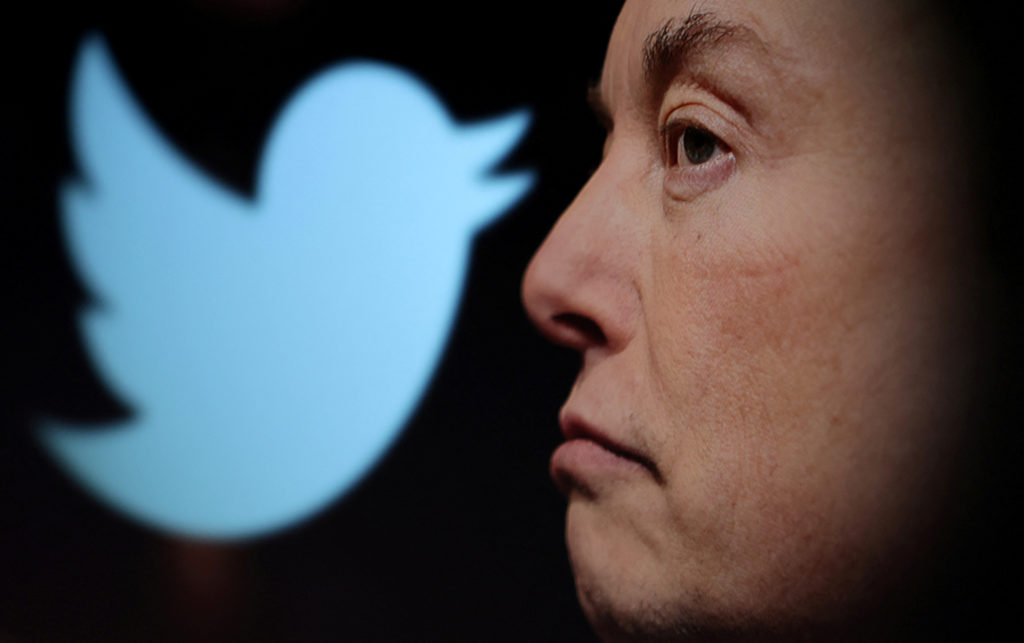
A jury found Elon Musk responsible for misleading investors by lowering Twitter's stock price before he bought the company in 2022. However, they did not find him guilty of planning to defraud investors. The jury decided Musk's misleading tweets hurt shareholders, but his podcast statement was not part of a scheme.
Key Facts
Elon Musk was found liable for misleading investors with two tweets regarding his acquisition of Twitter.
The jury did not find Musk guilty of planning to defraud investors.
The misleading tweets mentioned a "temporary hold" on the Twitter deal.
Shareholders were awarded damages between $3 and $8 per stock per day, totaling about $2.1 billion.
Musk's personal wealth is largely tied to Tesla shares, estimated at about $814 billion.
Musk claimed Twitter had more fake accounts than it reported, which he used as a reason to back out of the purchase initially.
Twitter took legal action to force Musk to complete the deal, and he eventually did so at the original price.
The trial included testimonies from former Twitter executives and Musk himself.
Read the Original
Want the full story? Tap a source to open the original
article.
Chipotle has introduced a new sauce called Cilantro Lime Sauce, available for a limited time in U.S. and Canadian locations. The sauce was developed internally and aims to enhance customer experience by adding a new flavor option while potentially boosting restaurant visits. The company also ran a promotion for loyalty program members to celebrate the launch.
Key Facts
Chipotle launched a new sauce called Cilantro Lime Sauce.
The sauce is available at Chipotle locations in the U.S. and Canada.
It contains cilantro, lime, spices, sour cream, and roasted jalapeños.
The sauce will be available for a limited time.
It was developed by culinary analyst Danny Boyzo.
A promotion was offered to Chipotle Rewards members for the launch.
Data shows 60% of consumers enjoy new sauces, especially millennials and Gen Z.
Chipotle aims to increase customer visits amid inflation concerns.
Read the Original
Want the full story? Tap a source to open the original
article.
CBS News announced it will close its radio news service after nearly 100 years due to tough economic conditions and the shift toward digital media and podcasts. The service has been an important part of news history since launching in 1927 and is set to stop operations on May 22. The closure is part of wider cuts at CBS News, which is reducing its workforce.
Key Facts
CBS News Radio will shut down on May 22 after nearly a century in operation.
The service began in September 1927 and was a key part of CBS's network history.
The closure is attributed to economic challenges and the shift to digital media.
CBS News Radio currently provides content to about 700 stations in the U.S.
CBS News is cutting about 6% of its workforce, impacting over 60 employees.
Historically, CBS News Radio was well-known for its reliable news coverage.
The announcement comes amid broader media industry changes and mergers.
Read the Original
Want the full story? Tap a source to open the original
article.
In 2025, a Toby Jug featuring Sir Keir Starmer was the top-selling item representing a UK Prime Minister in the Houses of Parliament gift shop. These collectible jugs, which portray prime ministers in pottery form, provide insight into the popularity and public interest in different political figures.
Key Facts
Sir Keir Starmer's Toby Jug sold 116 units in 2025, making it the best-selling PM jug that year.
Boris Johnson's jug sold 48 units in the same year, placing him second.
The gift shop sells jugs representing the last 22 UK Prime Ministers.
Over the last five years, Boris Johnson has been the most sold jug overall, with 425 units.
Jugs are hand-painted collectibles, each costing £35.
The least popular PM jug from 2020-2025 was Sir Alec Douglas-Home, with just 25 sales.
Collectors' interests differ, with some purchases being made for ironic reasons or as novelty gifts.
Read the Original
Want the full story? Tap a source to open the original
article.
CBS News is closing its radio service after almost 100 years, impacting over 700 stations and possibly resulting in layoffs for over 60 employees. The decision, announced by editor-in-chief Bari Weiss and president Tom Cibrowski, is due to changes in radio strategies and financial challenges. This is part of a broader effort by CBS to modernize and stay competitive under new leadership.
Key Facts
CBS News will end its radio service on May 22, affecting more than 700 affiliated stations.
The closure may lead to over 60 employee layoffs, which equals about 6% of the CBS workforce.
Economic challenges and changes in radio programming strategies are reasons for the shutdown.
CBS is under the leadership of David Ellison following his takeover of Paramount.
Bari Weiss is the editor-in-chief and is part of the effort to modernize CBS content.
Changes at CBS also include hiring new contributors and restructuring digital news.
CBS has a content-sharing partnership with BBC News.
Anderson Cooper, a notable journalist, left CBS's 60 Minutes to spend more time with family.
Read the Original
Want the full story? Tap a source to open the original
article.
Rising oil prices caused by the conflict around Iran are increasing costs for U.S. companies that move goods. This will likely cause higher prices in stores and online, affecting shoppers across the country.
Key Facts
Global oil prices have risen more than 40% since fighting near the Strait of Hormuz began.
The Strait of Hormuz is a key route that carries about 20% of the world’s oil and natural gas.
Higher fuel costs increase the expenses for shipping goods by sea, road, and delivery services.
The price of Brent crude oil rose from around $70 to about $108 per barrel since late February.
Gasoline prices in the U.S. increased to an average of $3.92 per gallon by March 20.
Inflation will increase due to higher gasoline and food prices.
Some businesses, like grocery chains, feel pressure from higher supplier costs but are trying to avoid raising prices immediately.
Online shoppers may face higher shipping fees or stricter rules for free delivery because of fuel surcharges increasing by 17% recently.
Read the Original
Want the full story? Tap a source to open the original
article.
CBS News announced it will shut down its nearly 100-year-old radio network, impacting around 700 radio stations across the United States. This decision is part of a shift towards digital content and includes laying off 6% of CBS News staff. The radio network will officially stop broadcasting on May 22.
Key Facts
CBS News Editor-in-Chief Bari Weiss announced the closure of CBS News Radio.
The shutdown affects about 700 radio stations nationwide.
CBS News will lay off 6% of its workforce.
The closure is due to changing radio programming strategies and challenging economic conditions.
CBS News Radio began in 1927 and officially became CBS in 1928.
The radio service will end on May 22.
The decision aims to focus more on digital offerings.
Staff losing their jobs will be treated "with care and respect," according to CBS executives.
Read the Original
Want the full story? Tap a source to open the original
article.
A merger deal involving Nexstar and Tegna, supported by President Trump, has been completed. This merger creates a large local television network reaching 80% of U.S. households, despite concerns about higher fees and reduced news quality. The transaction received approval from the Federal Communications Commission but still faces legal challenges from several states.
Key Facts
Nexstar completed a $6.2 billion takeover of Tegna.
The merger allows Nexstar to reach 80% of U.S. households in 44 states.
The Federal Communications Commission waived a rule capping reach at 39% of households.
The takeover led to concerns about increased fees and weaker news services.
A group of eight states filed a lawsuit to block the merger, citing concerns about news monopolies.
DirecTV also filed a lawsuit against the merger.
Nexstar is now the largest local television operator in the U.S.
The FCC argues the merger helps balance power between local stations and large media firms.
Read the Original
Want the full story? Tap a source to open the original
article.
The latest season of the television show "The Bachelorette" was canceled by Disney due to a domestic violence incident involving a cast member, Taylor Frankie Paul. The cancellation is expected to cost Disney millions of dollars, as the show was set to air soon, impacting production costs and advertising revenue.
Key Facts
Disney canceled the new season of "The Bachelorette" after a video showed Taylor Frankie Paul involved in a domestic violence incident.
Paul was charged with misdemeanors, including assault and domestic violence in 2023.
The cancellation was unexpected and occurred just days before the season was set to premiere.
Disney's decision will result in financial loss, potentially tens of millions of dollars, according to reports.
Each episode of "The Bachelorette" reportedly costs about $2 million to produce.
The cancellation will affect planned advertising and a related podcast.
"The Bachelorette" typically runs between nine and 13 episodes per season.
Disney will air a rerun of "American Idol" in place of the canceled show.
Read the Original
Want the full story? Tap a source to open the original
article.
Several Wawa milk products sold in Pennsylvania, New Jersey, Delaware, and Maryland are being recalled due to a potential risk from soft plastic material on the production line. The U.S. Food and Drug Administration (FDA) has classified the recall as Class II, which indicates a remote chance of serious health effects. Consumers who bought these products are advised to dispose of them or seek refunds.
Key Facts
The recall involves four types of Wawa milk beverages.
The affected products include Double Dutch Chocolate Milk, Chocolate Milk, Cookies & Cream Milk, and 2 percent Reduced Fat Milk.
The milk was sold in 16-ounce plastic bottles.
The potential presence of soft plastic material prompted the recall.
The recall began on February 17, 2026, and the FDA assigned it a Class II risk level on March 18, 2026.
No reports of injuries or the presence of plastic in the products have been confirmed.
Stores have removed the affected products from shelves as of February 18, 2026.
Wawa urges consumers to not consume the products and offers refunds.
Read the Original
Want the full story? Tap a source to open the original
article.
President Donald Trump's net worth decreased after the stock price of his social media company, Trump Media & Technology Group (TMTG), fell sharply. Despite this decline, his overall net worth has increased over the past year mainly due to his investments in cryptocurrency and business deals, including partnerships in the Middle East.
Key Facts
President Trump's net worth dropped nearly $54 million recently, according to Forbes.
TMTG's stock fell to $8.66 per share, a record low from over $20 the previous year.
TMTG lost $712.1 million last year but only made $3.7 million in revenue.
Trump's net worth was estimated at $6.5 billion, up $1.4 billion in a year.
Much of Trump's recent wealth came from cryptocurrency and real estate deals.
In a deal last year, Trump sold a 49% stake in his company to Aryam Investment, bringing in around $200 million.
A recent decline in crypto prices and TMTG's poor performance affected Trump's net worth.
Trump ranked 648th on Forbes’ list of billionaires as of March 20.
Read the Original
Want the full story? Tap a source to open the original
article.
Costco CEO Ron Vachris confirmed that the price of their $1.50 hot dog and soda combo will not change. Despite rising costs, Costco remains committed to maintaining this price, which has been the same since 1985, as part of the company's strategy to build customer goodwill.
Key Facts
Costco sells a hot dog and 20-ounce soda combo for $1.50.
The price has remained the same since 1985.
CEO Ron Vachris stated the price will stay at $1.50 as long as he is in charge.
Costco maintains low prices to build goodwill with customers.
To manage costs, Costco has its own hot-dog manufacturing plants.
Current economic challenges have raised questions about potential price increases.
Similar fast-food chain CEOs have participated in videos eating their products to engage with consumers.
Read the Original
Want the full story? Tap a source to open the original
article.
The article discusses the ability to transfer an Individual Savings Account (ISA). This process allows people to move their savings from one account to another.
Key Facts
An Individual Savings Account, or ISA, is a type of savings account in the UK.
People can transfer their ISA savings from one provider to another.
Transferring an ISA can help individuals find better interest rates or account terms.
The process of transferring an ISA is straightforward and can be done without losing tax benefits.
Martin Lewis, a personal finance expert, is mentioned in relation to this topic.
Read the Original
Want the full story? Tap a source to open the original
article.
The article discusses how retirees can travel the world on a budget. It emphasizes planning techniques that help save money, like traveling during off-peak times and considering longer stays.
Key Facts
Retirees prioritize travel, with 70% of adults aged 50 and older planning trips in 2025.
Off-season travel can cut costs due to lower prices for flights and accommodations.
Longer stays at destinations can result in savings through long-term rental rates.
Some regions offer cheaper daily expenses for food and entertainment compared to U.S. cities.
Accessibility features like public transport and healthcare can impact travel affordability.
Retirees often look for destinations that mix affordability with cultural and natural attractions.
Read the Original
Want the full story? Tap a source to open the original
article.
Fannie Mae and Freddie Mac, two major mortgage companies, may soon help condo owners lower their insurance costs. They have proposed new rules that could make it easier for many condo buildings to get insurance. These changes aim to reduce homeowners' expenses and help more people afford homes.
Key Facts
Fannie Mae and Freddie Mac suggested new rules to lower insurance costs for condo owners.
The Federal Housing Finance Agency (FHFA) oversees these changes.
Rising construction costs and frequent natural disasters have increased home insurance rates.
Insurance premiums are expected to keep rising, with a projected 4% increase in 2026.
The new rules include using actual cash value (ACV) for insurance, which considers the current worth after depreciation.
These changes could lead to lower monthly payments and help more people become homeowners.
The updates oppose earlier policies from the Biden administration, according to statements from the FHFA.
Read the Original
Want the full story? Tap a source to open the original
article.
The FDA has officially classified a cottage cheese recall from Walmart stores in 24 states as a Class II risk. The recall relates to potential pasteurization issues with Saputo Cheese USA products sold under the Great Value brand and others.
Key Facts
Cottage cheese products sold under the Great Value brand at Walmart in 24 states are being recalled.
The FDA has given this recall a Class II risk level, indicating possible temporary or medically reversible health issues.
Saputo Cheese USA reported that some of its products may not have been fully pasteurized.
The pasteurization problem might affect young children, older adults, and those with weak immune systems.
The problem was identified during a pasteurization check involving California's food department.
Recalled items include various sizes and types of cottage cheese in specific containers.
Products were distributed to Walmart stores in 24 states from February 17 to 20, 2026.
Affected products should not be consumed and can be returned to Walmart for refunds.
Read the Original
Want the full story? Tap a source to open the original
article.