Fact-first summaries of the news — stay informed, stay grounded.
Your favorite news sources, one calm feed — fact-first summaries that always link to the
original story. No outrage bait, and we tell you when you're caught up. How it works
Business News
Business news, market updates, and economic developments
The Iran war has slowed traffic through the Strait of Hormuz, a key route for global oil shipments, causing oil prices to rise and increasing gasoline costs in the U.S. A new report from Oxford Economics warns that 26 other major global trade chokepoints also pose risks to the economy if disrupted. These chokepoints are vulnerable due to geopolitical tensions and climate change, affecting global shipping and trade costs.
Key Facts
The Strait of Hormuz handles about 20% of the world’s oil supply and has been disrupted by conflict between the U.S. and Iran.
Higher oil prices caused by these disruptions have pushed U.S. gasoline prices above $4 per gallon.
Oxford Economics identified 26 other key global chokepoints critical for trade, many concentrated in Asia and the Mediterranean.
Important chokepoints include the Strait of Malacca, Taiwan Strait, Strait of Gibraltar, and Suez Canal.
The Panama Canal is vital for the Americas; about 40% of U.S. container traffic passes through it annually.
Geopolitical conflicts often use these chokepoints as leverage to control trade routes.
Climate change is causing natural disasters that disrupt chokepoints, such as droughts impacting the Panama Canal’s water levels.
Some chokepoints have no alternate routes, making disruptions especially harmful and costly to global trade.
Read the Original
Want the full story? Tap a source to open the original
article.
The U.S. government is refunding over $100 billion in illegal tariffs imposed under the International Emergency Economic Powers Act (IEEPA) that the Supreme Court struck down. Businesses that receive these refunds can keep the money or choose to pass some or all of it back to their customers, and some delivery companies like UPS, FedEx, and DHL have pledged to share refunds with consumers.
Key Facts
The tariffs refunded were emergency tariffs stopped by the Supreme Court earlier this year.
U.S. Customs and Border Protection (CBP) refunds only the importers who paid the tariffs directly.
More than $100 billion—about 60% of owed refunds—have been reimbursed to importers so far.
Consumers can get refunds only if businesses, such as shipping companies, decide to share the money.
UPS, FedEx, and DHL have committed to refunding customers and created online portals to manage these refunds.
Amazon has identified a small number of cases where customers will receive refunds automatically.
UPS expects to receive $5 billion in tariff refunds and customers should get reimbursed within a few months of UPS receiving money.
FedEx offers a tracking system letting customers check refund status by entering shipment numbers.
Read the Original
Want the full story? Tap a source to open the original
article.
In 2025, CEOs in the United States earned much more compared to their average employees, with the pay gap growing from the previous year. The AFL-CIO report showed that top executives made hundreds of times more than regular workers, raising concerns about economic inequality and company priorities.
Key Facts
In 2025, the average CEO in S&P 500 companies made 312 times the pay of the median worker, up from 285 times in 2024.
Elon Musk earned $158 billion as Tesla’s CEO in 2025, which was 2.5 million times the average Tesla employee’s salary.
Tesla’s 2025 revenue was $94 billion, down 3% from the previous year, partly due to consumer boycotts related to Musk’s role in President Trump’s administration.
Tesla recalled 745,000 vehicles in 2025 across 11 different recalls.
Musk served as head of the Department of Government Efficiency, a federal office created by President Trump to reduce government spending and workforce size.
Average CEO pay (excluding Musk) increased 21% from $19 million in 2024 to $22.8 million in 2025, nearly double what was typical 10 years ago.
The manufacturing sector had the largest pay gap, with CEOs making $696 million on average and workers about $93,000, a difference of over 11,000%.
Companies like Starbucks showed high pay gaps, with a CEO earning over $30 million while workers earned near the poverty line.
Read the Original
Want the full story? Tap a source to open the original
article.
A Pablo Picasso print stolen from a Milwaukee art gallery in 2018 was recently found by a landlord cleaning a vacant apartment. The art gallery owner confirmed it was the stolen piece worth around $50,000, and the police are still investigating the case.
Key Facts
The stolen artwork is a Picasso etching print called “Torero.”
Only about 30 copies of “Torero” signed by Picasso are known to exist.
The print was stolen from DeLind Fine Art Appraisals in Milwaukee in 2018.
A landlord found the print hanging on a wall in a vacant apartment during cleaning.
The landlord’s antique dealer friend recognized the print as the stolen Picasso.
The print still had the gallery’s original sticker on the back.
Milwaukee police have the artwork and are investigating.
The art gallery owner is working with his insurance company about the recovered print.
Read the Original
Want the full story? Tap a source to open the original
article.
A Maryland company is recalling 3,240 tomato soup kits sold at Walmart stores in 29 states because they may contain Listeria bacteria. The recall was issued after tests found possible contamination, but no illnesses have been reported so far.
Key Facts
The recall involves tomato soup kits made by Kettle Cuisine.
The kits were sold at Walmart stores from June 30 to July 7.
The product is branded Marketside, with a best-by date of August 22.
The package size is 14 ounces, product code 194346474004.
Listeria is a bacteria that can cause serious illness with symptoms like headache, nausea, and diarrhea.
Consumers are advised to wash hands and clean surfaces if they handled the product.
People who bought the soup kits should throw them away or return them to Walmart for a refund.
The soup kits were sold in 29 states, including California, Texas, New York, and Maryland.
Read the Original
Want the full story? Tap a source to open the original
article.
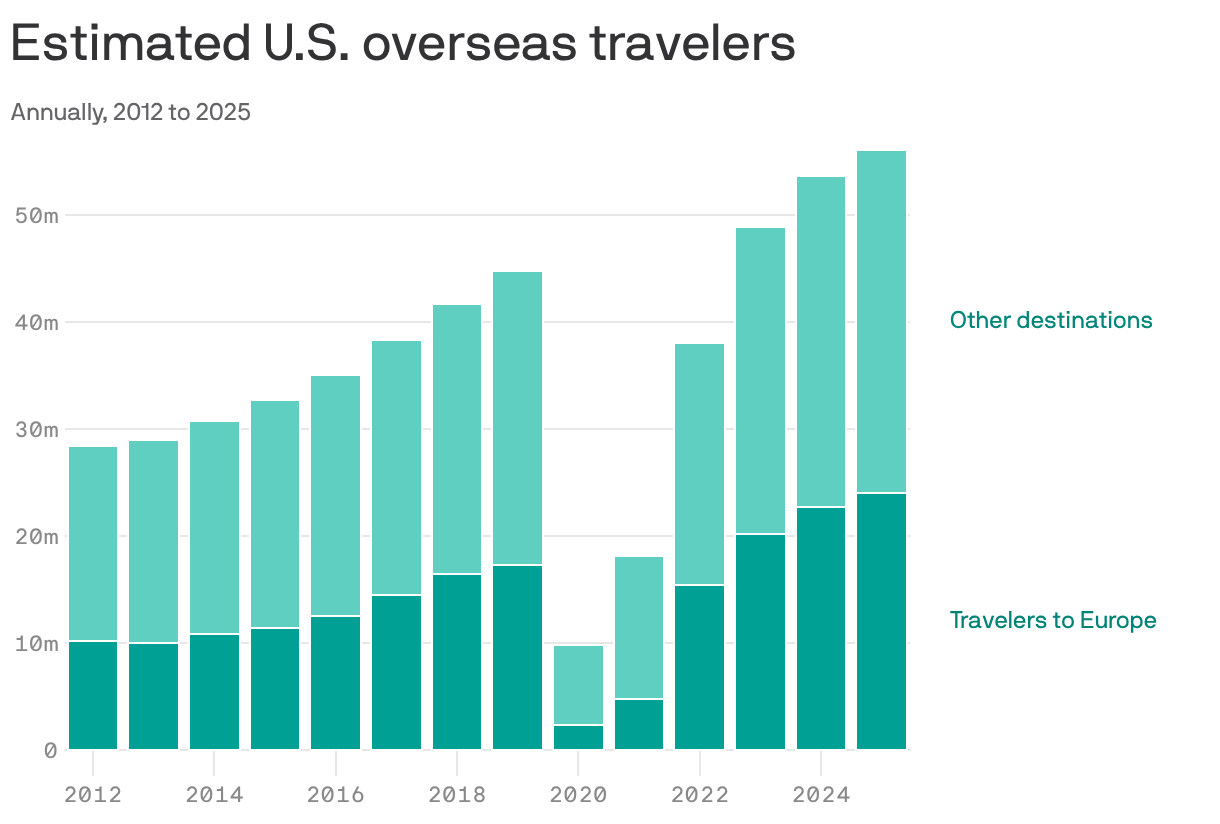
More Americans are traveling overseas than ever before, with over 56 million going abroad last year. Europe remains the top destination, especially the UK, Italy, and France, as well as rising interest in Portugal and Greece.
Key Facts
Over 56 million U.S. residents traveled overseas last year, up from about 53.7 million in 2024 and 32.7 million ten years earlier.
Nearly 24 million Americans traveled to Europe in 2025, a record high since data began in 2012.
The most popular European countries for U.S. travelers are the United Kingdom, Italy, and France.
Portugal and Greece had the largest growth in U.S. visitors between 2015 and 2025.
Wealthier Americans, especially those earning $100,000 to $119,000, make up most overseas travelers.
Older travelers aged 55-64 and above travel the most, followed by younger adults aged 18-24.
The U.S. issued a record 27.3 million passports in the fiscal year 2025.
Higher airfare prices and economic worries have increased domestic weekend trips in the U.S.
Read the Original
Want the full story? Tap a source to open the original
article.
Michigan’s Public Service Commission (MPSC) asked state lawmakers to change how utility companies set rates and earn profits. They recommend ending yearly rate increases and creating multi-year plans that focus on reliability and affordability to help lower energy bills for households.
Key Facts
Michigan utilities can currently request rate increases every year.
The MPSC wants laws to allow multi-year rate plans linked to performance on reliability and cost.
Utilities are paid extra for building infrastructure, which encourages costly projects over cheaper options like maintenance.
Since 2019, utilities have collected about $868 million in bonuses for buying power from outside developers, some of which may not be justified.
The commission proposes requiring utilities to refinance closed power plants using cheaper bonds and stop collecting profits on plants no longer running.
They want to put rules for data centers (large computer facilities) into law to prevent shifting costs to other customers.
Michigan currently blocks residential customers from creating “virtual power plants” by combining solar panels, batteries, and smart devices; the MPSC wants permission to allow and regulate these.
The commission seeks authority to require utilities to accept competitive bids for projects, as outside developers often build renewable projects at lower costs.
Read the Original
Want the full story? Tap a source to open the original
article.
College dorm rooms are small, but many families spend a lot of money to decorate and customize them. This dorm decor market varies by region and ranges from affordable DIY projects to expensive professional designs costing thousands of dollars.
Key Facts
Dorm rooms are typically very small spaces, leading to creative decorating and storage solutions.
The "designer dorm" industry has grown with popular TikTok dorm tours and videos.
Some professional dorm room designs can cost up to $20,000 and are seen as investments for four years.
In the southern U.S., dorm rooms often feature personalized items like monograms and school spirit decorations.
In the Northeast, storage and managing moving logistics are major concerns due to city living and many out-of-state students.
Many students use apps and online tools to plan their dorm spaces and create shared registries with roommates.
Male students also participate in dorm decorating, focusing more on room layout than design.
Families spend money to make dorm rooms comfortable for students who will live there for months.
Read the Original
Want the full story? Tap a source to open the original
article.
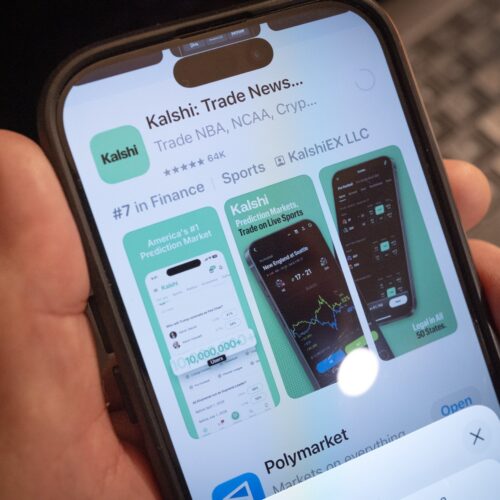
A Washington state judge ordered Kalshi, an online betting platform, to stop offering sports bets and other types of wagers to people in Washington. The court found that Kalshi was operating without a state license and misleading consumers about the legality of its betting services. Kalshi claims it is regulated by a federal agency and is planning legal responses.
Key Facts
A Washington state court issued a preliminary injunction against Kalshi this week.
The order stops Kalshi from accepting wagers on sports, elections, politics, culture, and other topics in Washington.
Kalshi is not licensed by Washington’s Gambling Commission and is not registered to do business in the state.
The judge found Kalshi’s marketing could mislead consumers into thinking its betting is legal under state law.
Kalshi must implement technology (called geofencing) to block Washington residents from betting by early September or face fines up to $120,000 per day.
Kalshi says it is regulated by the federal Commodity Futures Trading Commission (CFTC), which controls prediction markets.
The Trump administration and CFTC have supported Kalshi’s position against state gambling laws.
Kalshi denies offering bets on wildfires, war, death, or terrorism and plans to consider all legal options to fight the court order.
Read the Original
Want the full story? Tap a source to open the original
article.
The UK government has removed hardship bonuses for diplomats posted in Buenos Aires, Santiago, and other cities. These payments have been given for over 30 years to compensate diplomats for dangers or difficulties in their work locations.
Key Facts
British diplomats in six cities, including Buenos Aires and Santiago, no longer receive hardship payments.
Hardship payments are for working in places with risks like high crime, danger, or poor air quality.
Other cities removed from the list include Panama City, Pyongyang, Bamako, and Sarajevo.
The list still includes 144 locations, such as Bali, Rio de Janeiro, Bangkok, and Cape Town.
In 2009, the highest hardship payments were for Karachi (£26,647) and Abuja (£14,804).
Buenos Aires hardship payment in 2009 was £1,517; Santiago’s was £777.
The Foreign Office says these payments cover extra costs and challenges of living overseas in tough locations.
Conservative politicians criticize the payments, calling them unfair to taxpayers.
Read the Original
Want the full story? Tap a source to open the original
article.
Selena Gomez is being sued by five investors in her mental health company, Wondermind Global. The investors say the company is in financial trouble because Gomez did not do her duties properly, and they want to get back $1.2 million they invested plus extra costs.
Key Facts
Selena Gomez co-founded Wondermind Global with her mother five years ago.
Five investors have filed a lawsuit against Gomez and Wondermind.
The investors accuse Gomez of neglecting her responsibilities.
They claim this neglect caused financial problems for the company.
The lawsuit seeks to recover $1.2 million invested by the plaintiffs.
The investors also want to recover legal costs and damages.
The BBC contacted Wondermind and Gomez’s team for comment but no response was reported yet.
Read the Original
Want the full story? Tap a source to open the original
article.
Gold prices have gone up a lot in recent years, leading some people to consider gold individual retirement accounts (IRAs) as part of their savings plan. A gold IRA lets you hold physical gold with tax benefits, but it has specific rules, fees, and requirements different from regular retirement accounts.
Key Facts
Gold prices reached nearly $5,600 per ounce early this year and remain high at around $4,400 per ounce as of mid-August.
Gold IRAs are self-directed accounts, meaning the investor chooses the custodian and dealer, and follows IRS rules.
Not all gold products qualify for IRAs; gold must be at least 99.5% pure to meet IRS standards.
Popular gold coins like South African Krugerrands usually do not qualify, while American Eagles and Canadian Maple Leafs generally do.
IRS rules require that gold in these IRAs be stored by an approved custodian in an IRS-approved depository; you cannot store the gold personally.
Storage in these approved facilities usually incurs annual fees, with segregated storage costing more than commingled storage.
Gold IRAs have additional fees compared to normal IRAs, including setup fees, custodian fees, storage fees, and fees when selling gold.
Understanding the rules and costs of gold IRAs is important before investing to avoid surprises and penalties.
Read the Original
Want the full story? Tap a source to open the original
article.
Retail sales in the United States dropped by 0.6% in July, the largest decrease in over a year, showing that consumer spending slowed after strong growth earlier this year. This slowdown, along with weak jobs data and low inflation, suggests the Federal Reserve may pause on raising interest rates in the near future.
Key Facts
Retail sales fell 0.6% in July, below the expected 0.1% increase.
Even when removing gas stations and car dealers, sales declined by 0.3%.
Sales at auto dealers dropped 2%, gasoline stations 0.9%, and electronic stores 0.5%.
Early timing of Amazon’s Prime Day and the previous month’s World Cup spending affected July’s numbers.
The retail control group, a key measure for GDP, fell 0.4% instead of rising as predicted.
Consumer spending contributed strongly to GDP growth in the second quarter but showed less momentum going into the third quarter.
The stock market is strong, gas prices are lower, and unemployment is low, so no large spending drop is expected.
The data indicates a pause in big increases in consumer spending rather than a significant decline.
Read the Original
Want the full story? Tap a source to open the original
article.
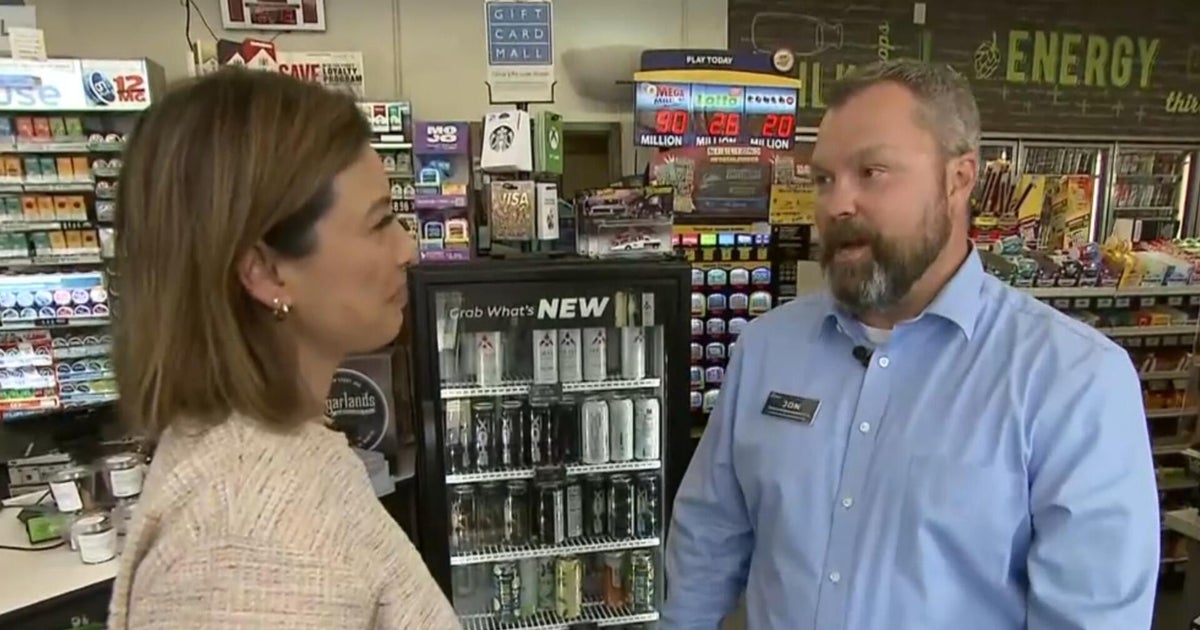
A town in Illinois called Quincy is very excited because a billion-dollar Powerball lottery ticket was sold there. Many people are visiting the convenience store where the winning ticket was purchased.
Key Facts
The winning Powerball ticket is worth one billion dollars.
The ticket was sold in Quincy, Illinois.
The news report showed the convenience store that sold the ticket.
There is increased excitement and activity in the town.
Lottery fever describes many people hoping to win or feeling lucky.
The story was covered by CBS News and reporter Lana Zak.
The Powerball is a popular lottery game in the U.S.
Read the Original
Want the full story? Tap a source to open the original
article.
The University of Michigan's consumer sentiment index dropped in early August 2026, showing that people feel less positive about the economy. The biggest drop in confidence came from Republicans, and many expect prices to stay high, making it harder to afford things.
Key Facts
The consumer sentiment index fell 8% in early August, from 55.2 in July to 51.
Despite the drop, the index is still higher than the low points seen in spring 2026.
Inflation expectations for the next year rose slightly to 4.3%, while 5-year inflation expectations stayed at 3.3%.
Republicans showed the largest decline in economic outlook, down 19% since before the Iran war.
Older people, lower-income groups, and those without college degrees saw significant drops in sentiment.
Only 8% of consumers expect their income will grow faster than inflation in the next year, down from 18% six months earlier.
The overall concern is that inflation will continue to reduce purchasing power, making it harder to buy goods and services.
Read the Original
Want the full story? Tap a source to open the original
article.
Reddit will join the S&P 500 index starting Tuesday, which is a list of the 500 biggest and most stable U.S. companies. This means more investors and funds will buy Reddit stock as part of their investments.
Key Facts
Reddit will join the S&P 500 index next week.
The S&P 500 includes major U.S. companies that show stability and size.
Reddit’s stock price rose nearly 14% recently after the announcement.
Inclusion in the index leads mutual funds and exchange-traded funds to buy the stock.
Reddit must have been publicly traded for at least 12 months to qualify.
The company reported its highest quarterly revenue recently and has been profitable since going public in 2024.
Wall Street expects Reddit’s profits to more than double by 2026 due to rising revenue.
The index operator, S&P Dow Jones Indices, follows strict rules for adding companies.
Read the Original
Want the full story? Tap a source to open the original
article.
A $10,000 short-term certificate of deposit (CD) account can earn guaranteed interest over the next year with fixed rates that protect the principal. Rates vary by term, with potential earnings ranging from about $97 in three months to $425 in one year.
Key Facts
CDs have fixed interest rates, so earnings are predictable and not affected by market changes.
Short-term CDs mature in one year or less, offering flexibility to adjust strategies later.
Interest rates on short-term CDs today are higher than a year ago.
Example earnings on $10,000: about $97 for 3 months at 3.95%, $208 for 6 months at 4.20%, $306 for 9 months at 4.10%, and $425 for one year at 4.25%.
CD accounts are insured by the FDIC up to $250,000, protecting savers’ money.
Early withdrawal from a CD account usually incurs fees that can reduce or eliminate earned interest.
Savers should compare CD rates from different banks to find the best returns before depositing money.
Read the Original
Want the full story? Tap a source to open the original
article.
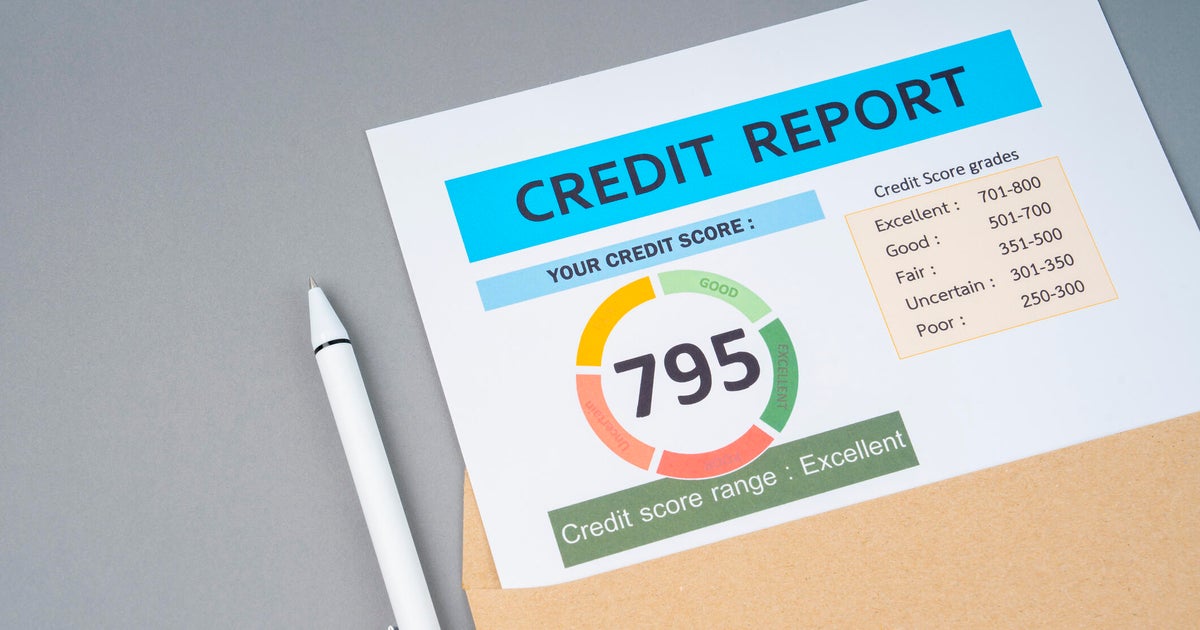
Debt collectors may call about debts that do not appear on your credit report. This can happen for several reasons, such as the debt not being reported yet, being too old to show up, or errors in information.
Key Facts
Credit reports do not always show every debt you owe.
Not all creditors or collectors report debts to the main credit bureaus (Equifax, Experian, TransUnion).
There can be a delay between when debt collection starts and when it appears on your report.
Debts usually stay on credit reports for about seven years before being removed.
A debt may still be legally collectible even if it no longer appears on your credit report.
Checking all three credit reports can help you see if a debt is listed anywhere.
Sometimes debt collectors contact the wrong person due to name confusion or identity theft.
Scammers may also pretend to be debt collectors, so it is important to verify the debt before paying.
Read the Original
Want the full story? Tap a source to open the original
article.
Putting $50,000 into a high-yield savings account could earn you about $2,000 in interest in a year if rates stay around 4%. These accounts let you access your money anytime and may pay more interest if rates increase.
Key Facts
High-yield savings accounts currently offer interest rates close to 4%.
A $50,000 deposit could earn roughly $1,975 to $2,050 in interest over 12 months at these rates.
Interest rates on these accounts can go up or down, affecting earnings.
Unlike certificates of deposit (CDs), high-yield savings accounts allow you to withdraw money anytime.
Adding more money during the year would increase your total interest earned.
These accounts carry no risk to your original deposit (principal).
Shopping around is important to find the best interest rate among banks.
Earnings projections assume you do not withdraw or add funds during the year.
Read the Original
Want the full story? Tap a source to open the original
article.
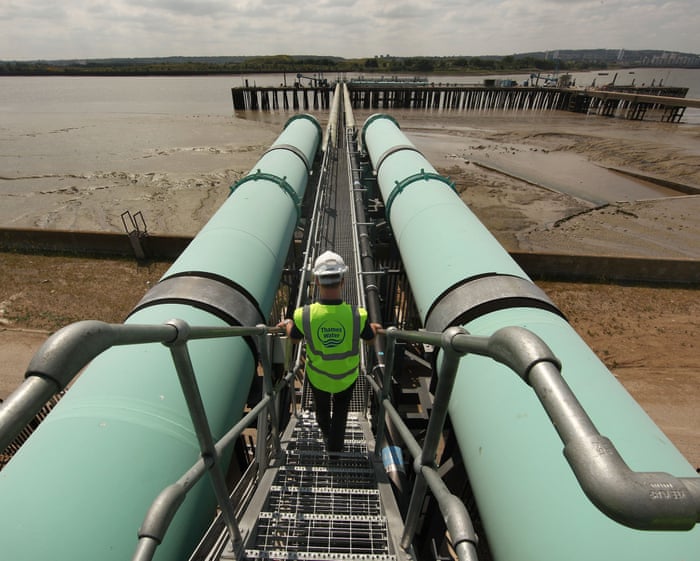
Thames Water plans to restart its desalination plant in Beckton, east London, by the end of the year to help refill reservoirs during winter after the current drought ends. The plant has rarely operated since it opened in 2011 and faces financial and technical challenges.
Key Facts
Thames Water’s Beckton desalination plant is the only one in the UK and was built to provide drinking water during droughts.
The plant has run only five times in 15 years, supplying the equivalent of about seven days’ water demand for London.
It cost about £500 million to build and maintain, funded by customer bills.
Thames Water hopes to restart the plant late this year to support reservoir recovery over winter.
The decision to use the plant depends on weather, water demand, and reservoir levels.
The plant uses special membranes to filter salt from seawater; these membranes recently reached the end of their life and face replacement issues.
Running the plant is expensive, especially because of high electricity costs, and the company is financially strained and partly controlled by creditors.
Thames Water’s performance during this drought will be carefully reviewed by government officials before deciding the company’s future.
Read the Original
Want the full story? Tap a source to open the original
article.