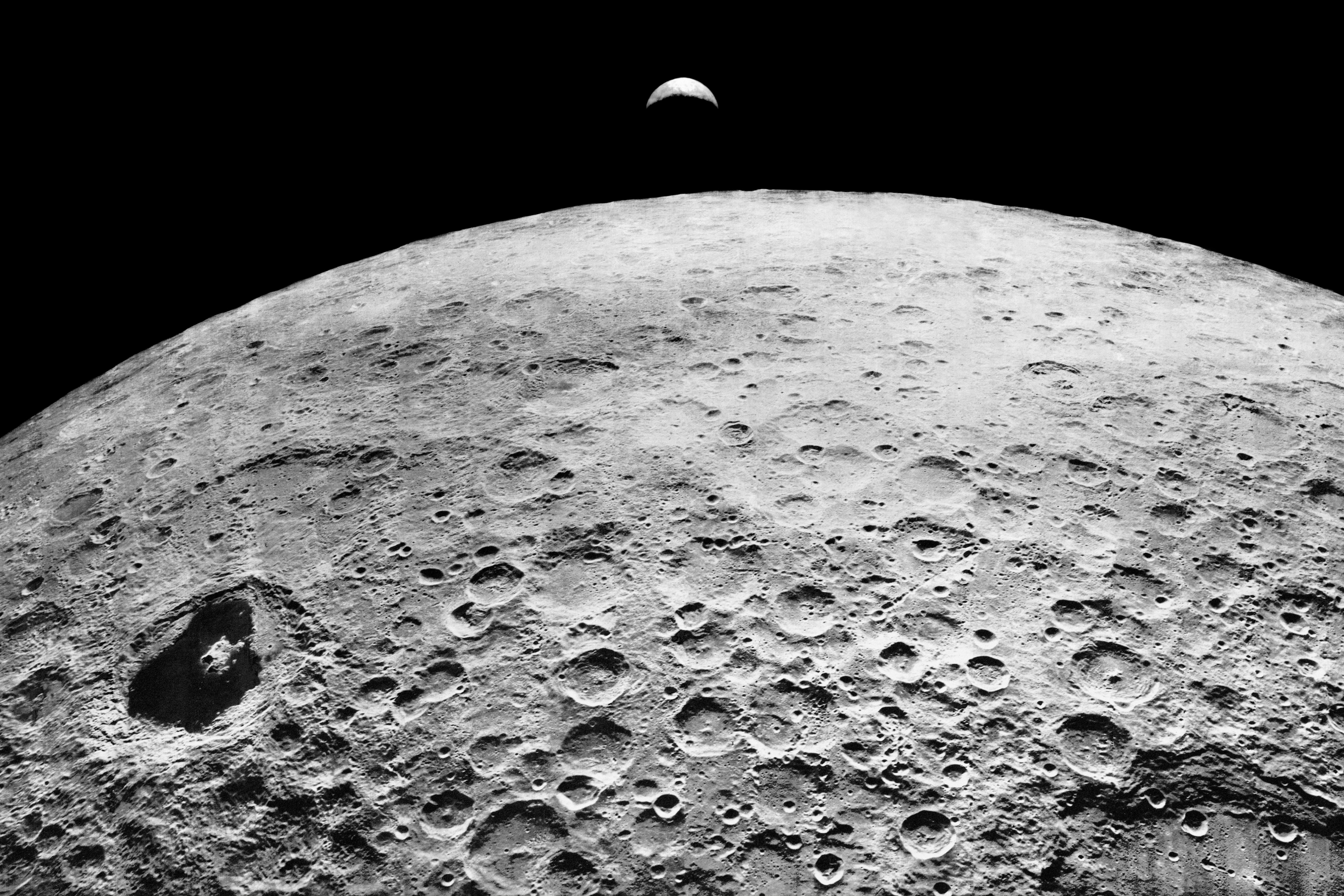
Astronauts on the Artemis II mission have set a new record for the farthest distance humans have traveled from Earth. They beat the old record set by Apollo 13 by reaching 252,757 miles away. NASA hopes future generations will continue to push the boundaries of space exploration.
Key Facts
Artemis II astronauts broke the distance record set by Apollo 13 in 1970.
The previous record was 248,655 miles from Earth.
Artemis II reached a new distance of 252,757 miles.
NASA encourages future space missions to continue setting new records.
The mission emphasizes continued innovation in space travel.
Read the Original
Want the full story? Tap a source to open the original
article.
The article features an interview with Max Mraz, a developer at Moth Atlas, about the release of their new indie game "Tombwater." Mraz discusses the game development process, collaboration with friends, and the creative ideas behind the game's story. The game combines exploration, horror, and the unique theme of vampire cowboys.
Key Facts
"Tombwater" is an indie game developed by Moth Atlas and published by Midwest Games.
The game is inspired by exploration games like Zelda and includes elements of Eldritch Horror.
Max Mraz, the developer, collaborated with a friend who was new to game development.
The game's development took about four years.
The initial concept for the game included themes like exploring a town with hidden horror and vampire cowboys.
Mraz also works in software development and started the game project with co-workers.
The article highlights the ups and downs of the creative process in game development.
Read the Original
Want the full story? Tap a source to open the original
article.
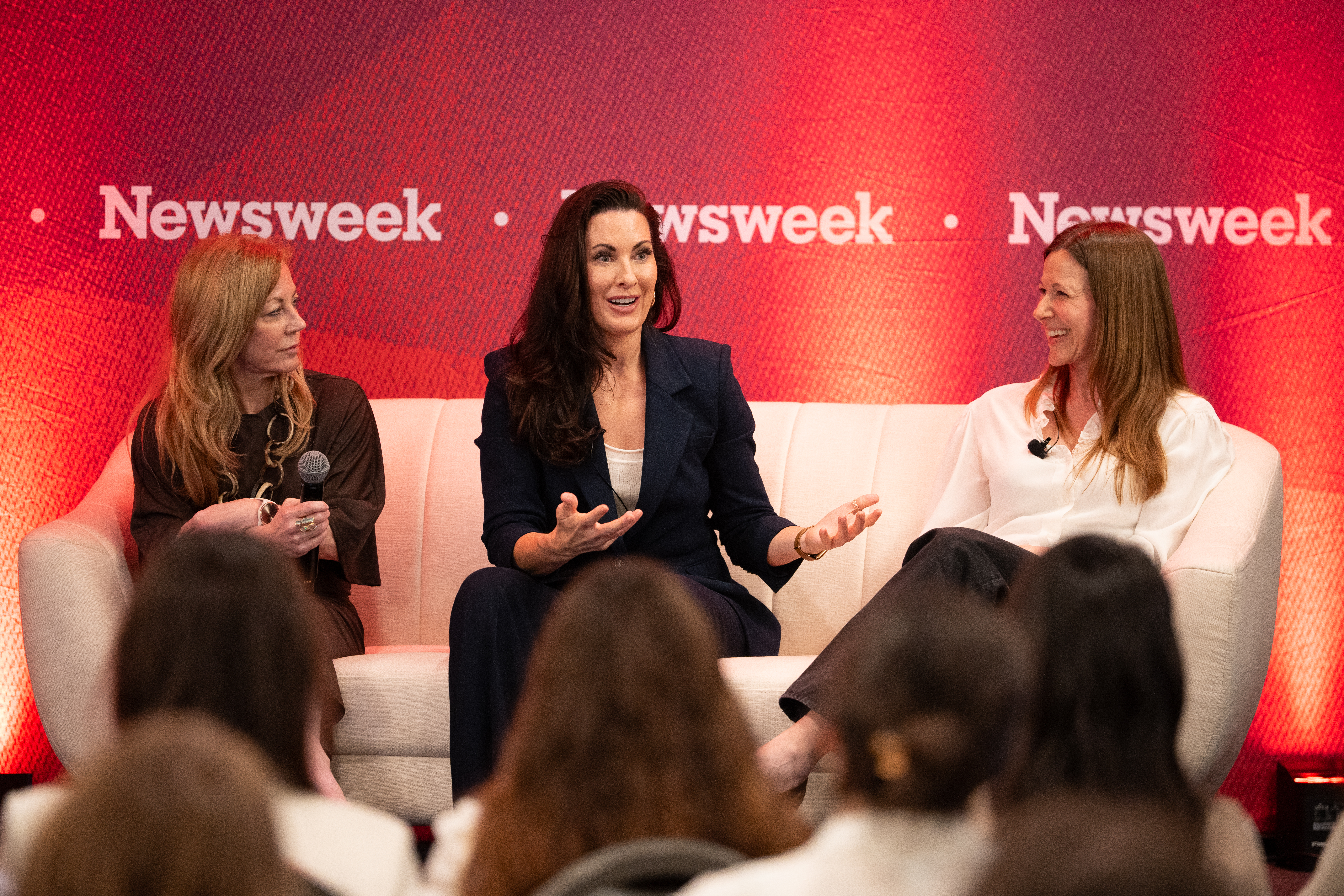
Leaders from Oura and WHOOP, two companies known for wearable technology, spoke together at the Women’s Global Impact Forum 2026 in Los Angeles. They discussed how devices that people wear, like wrist straps and rings, can help them understand and manage stress and health.
Key Facts
The event marked the first joint appearance of leaders from Oura and WHOOP on stage.
Dr. Kristen Holmes from WHOOP and Holly Shelton from Oura spoke at the forum.
The discussion occurred on March 25, 2026, at the London West Hollywood in Los Angeles.
The forum was part of Newsweek’s Women’s Global Impact Forum.
The talk focused on how wearable devices can provide insights into physical and mental stress.
The devices help users track health trends over time to better manage stress.
Speakers emphasized the importance of understanding health data to improve daily life.
Newsweek Senior Reporter Katherine Fung moderated the panel discussion.
Read the Original
Want the full story? Tap a source to open the original
article.
Artemis II astronauts have set a new record for the greatest distance from Earth ever traveled by humans in space, surpassing the previous record held by Apollo 13. The crew will continue their mission, reaching their maximum distance from Earth later the same day.
Key Facts
Artemis II astronauts traveled further from Earth than any humans before.
They broke Apollo 13's record of 248,655 miles from Earth, set over 55 years ago.
The highest distance they will reach is 252,760 miles.
The crew is entering a seven-hour period to orbit and observe the Moon.
A 40-minute radio blackout will occur while on the moon's far side.
The crew will see a solar eclipse from space.
They plan to capture a new version of the iconic "Earthrise" photograph.
Read the Original
Want the full story? Tap a source to open the original
article.
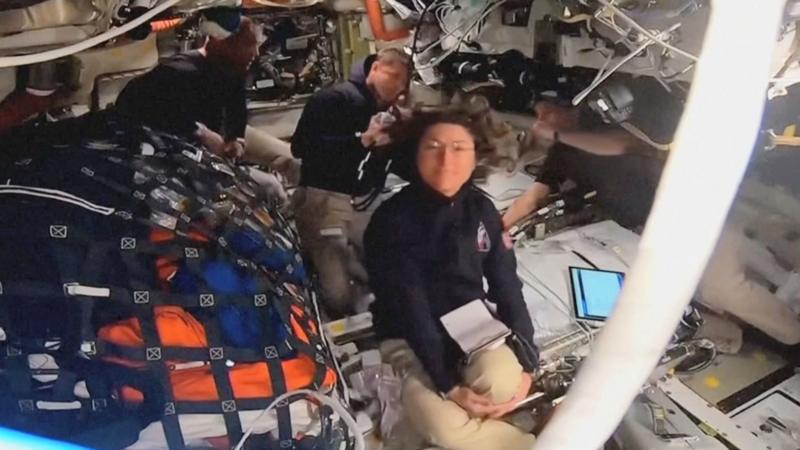
NASA released audio from the Artemis II mission where astronauts reported they felt like they were "falling" to the Moon. This happened as the spacecraft entered the Moon's gravitational pull, a key step in reaching lunar orbit.
Key Facts
The audio is from NASA's Artemis II mission.
Astronaut Christina Koch recorded the message about "falling" to the Moon.
This event happened as the spacecraft reached the Moon's gravitational pull.
The spacecraft, called Orion, transitioned from Earth's gravity to the Moon's.
Mission controllers confirmed this transition was planned and successful.
NASA shared the audio clip on a social media platform called X.
The clip received more than 1.7 million views.
This news is part of a breaking story with updates expected.
Read the Original
Want the full story? Tap a source to open the original
article.
Sam Altman, CEO of OpenAI, suggested in a report that governments should regulate AI and share its economic benefits through measures like a "robot tax." The report highlights how AI could change the economy by shifting profits towards businesses and away from labor, potentially impacting tax revenues that support public programs.
Key Facts
Sam Altman is the CEO of OpenAI, a company that develops artificial intelligence.
OpenAI released a report suggesting how AI could impact the economy and society.
The report proposes a "robot tax" to address reduced tax revenue from potential decreases in traditional labor.
AI advancements may shift economic gains towards corporate profits, affecting funding for programs like Social Security.
OpenAI believes AI will change jobs and create new ones, although exact outcomes are uncertain.
A new "public wealth fund" could give citizens a share in AI’s economic growth.
The report suggests exploring shorter workweeks in response to AI-driven efficiency gains.
Read the Original
Want the full story? Tap a source to open the original
article.
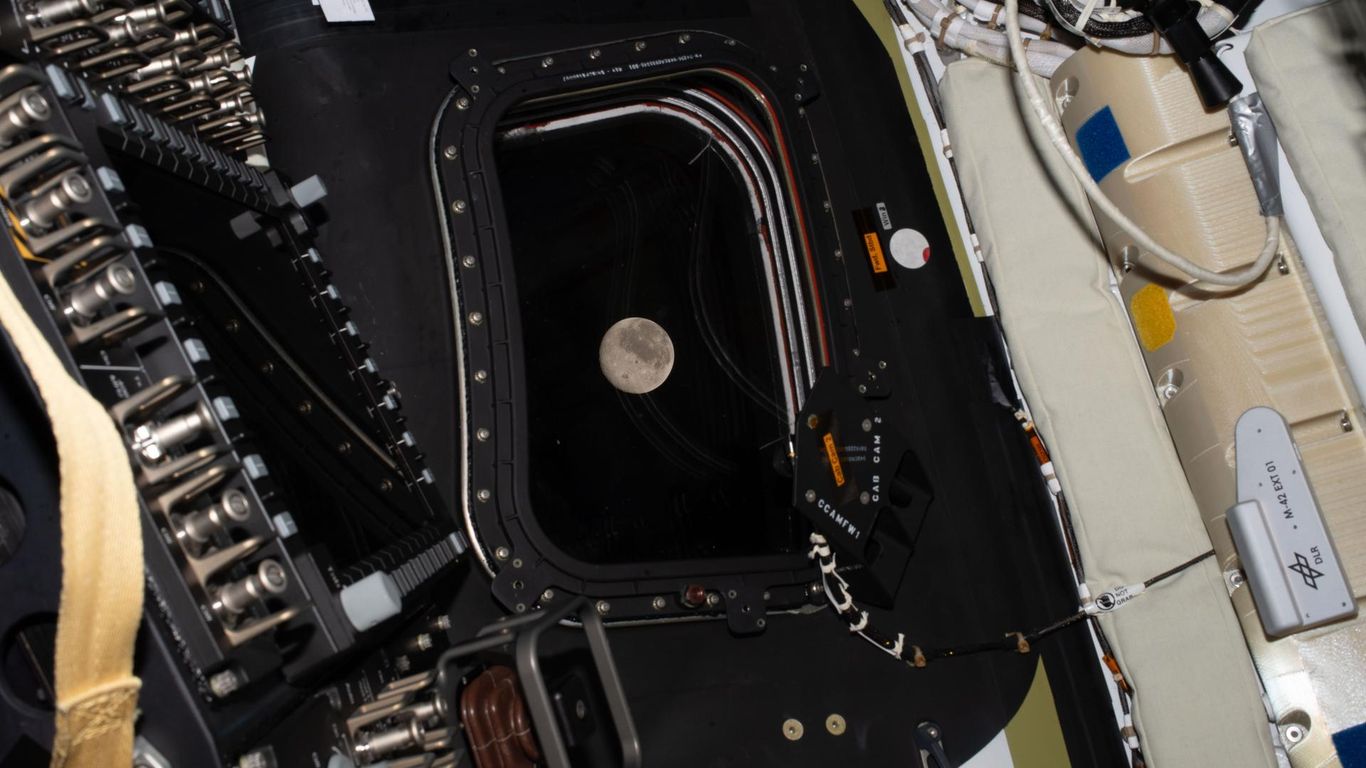
NASA's Artemis II mission is conducting a lunar flyby with four astronauts to set a new distance record from Earth. This event marks NASA's return to lunar exploration for the first time since the Apollo missions.
Key Facts
Artemis II includes three American astronauts and one Canadian astronaut.
The mission involves a six-hour flyby of the moon.
NASA aims to capture views of the moon's far side, which have never been seen before in person.
The flyby is part of efforts to land near the moon's south pole in two years.
The astronauts will surpass the previous human distance record set in 1970 by Apollo 13.
NASA provides live coverage of this historic mission.
Read the Original
Want the full story? Tap a source to open the original
article.
Gen Z tech enthusiasts are creating "cyberdecks," which are custom-built, portable computers made from different parts. These devices are unique, often using recycled materials, and reflect the builder's personal style and functionality needs. This growing trend emphasizes creativity and personal expression, as well as a do-it-yourself approach.
Key Facts
Cyberdecks are hand-built computers made from various parts, often from reused materials.
They use single-board systems like Raspberry Pi, small screens, and custom cases.
The trend focuses on personal creativity rather than mass production.
The concept is inspired by cyberpunk fiction and early DIY computer communities.
Cyberdecks allow users to swap, modify, or redesign components.
Some people use them as gaming consoles, private servers, or coding practice tools.
Interest in cyberdecks is more about creativity than function.
Builders believe mass production would undermine the hobby's artisanal nature.
Read the Original
Want the full story? Tap a source to open the original
article.
NASA's Artemis II mission will make a significant lunar flyby on April 6, taking astronauts around the Moon. This is the first human journey around the Moon since 1972, and people can watch it live across various streaming platforms like Netflix and YouTube.
Key Facts
Artemis II is part of NASA’s Artemis program, marking its first crewed mission.
Four astronauts are on the mission: Reid Wiseman, Victor Glover, Christina Koch, and Jeremy Hansen.
The spacecraft, Orion, will travel farther from Earth than any human mission before, surpassing Apollo 13's distance record.
The lunar flyby will be shown live, with NASA's coverage starting at 1:00 p.m. Eastern Time on April 6.
The livestream will be available on platforms like Netflix, NASA+, YouTube, and Roku.
Viewers will see real-time spacecraft images, mission commentary, and key milestones.
There will be a 40-minute communication blackout as Orion passes behind the Moon.
The mission will conclude with a splashdown in the Pacific Ocean later in the week.
Read the Original
Want the full story? Tap a source to open the original
article.
OpenAI CEO Sam Altman has shared a plan for how the government could handle the technological and economic changes brought by AI. His proposal suggests ways to tax, regulate, and share the wealth from AI technology while addressing potential threats like cyberattacks and misuse by malicious groups. The plan is designed to spark discussions on new policies for AI's growing role in society.
Key Facts
Sam Altman, CEO of OpenAI, released a detailed plan about regulating AI technology.
Altman believes AI superintelligence could disrupt society, similar to historical periods like the New Deal.
Key threats from AI include cyberattacks and the potential misuse for biological attacks.
OpenAI's proposal includes a Public Wealth Fund for Americans to share in AI-driven economic growth.
The plan suggests shifting taxes from payroll to capital gains due to AI's impact on jobs.
OpenAI recommends experimenting with a 4-day workweek as AI increases workplace efficiency.
The blueprint emphasizes making AI access universally affordable, similar to electricity or the internet.
It includes strategies for controlling rogue AI systems and an "auto-triggering safety net" for economic stability.
Read the Original
Want the full story? Tap a source to open the original
article.
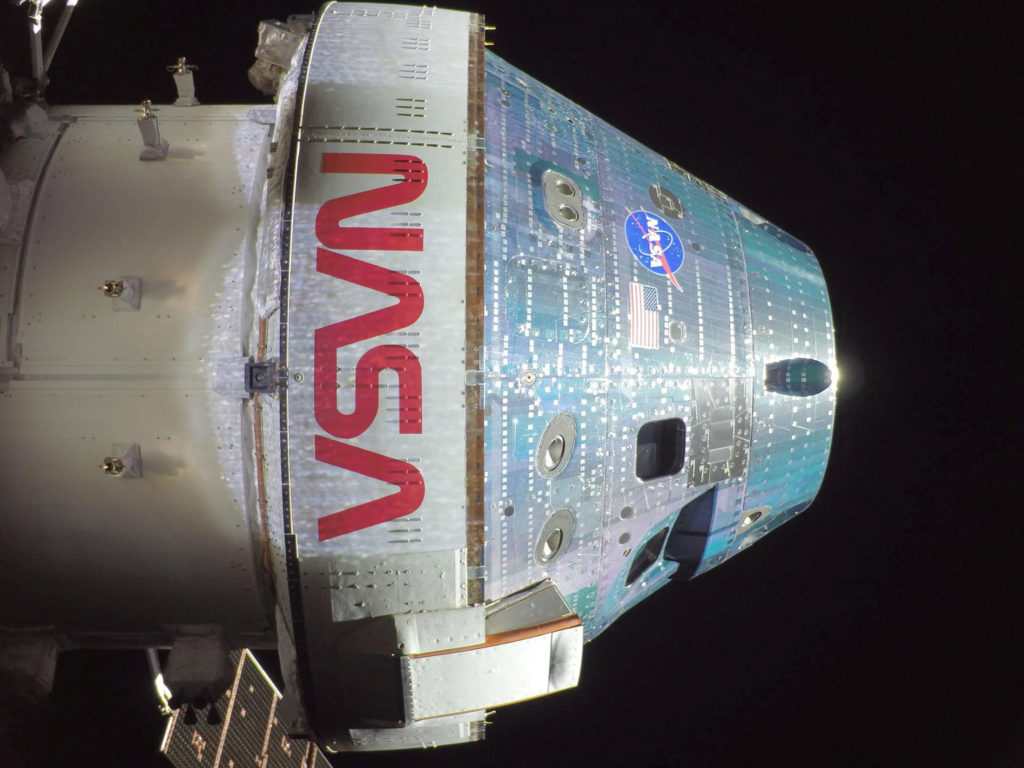
On April 1, 2026, NASA launched the Artemis II mission, sending four astronauts farther into space than any human has gone before. This mission is a key part of NASA's Artemis program, which aims to return humans to the moon and eventually send them to Mars. The crew will test the spacecraft's systems and conduct scientific research during their 10-day mission.
Key Facts
Artemis II launched on April 1, 2026, from the Kennedy Space Center in Florida.
It is part of NASA's Artemis program, which seeks to return humans to the moon and prepare for future Mars missions.
The mission will break the Apollo 13 record for the furthest distance humans have traveled from Earth.
There are four astronauts on board: Reid Wiseman, Victor Glover, Christina Koch, and Jeremy Hansen.
The mission lasts 10 days and involves testing the spacecraft's systems for deep-space missions.
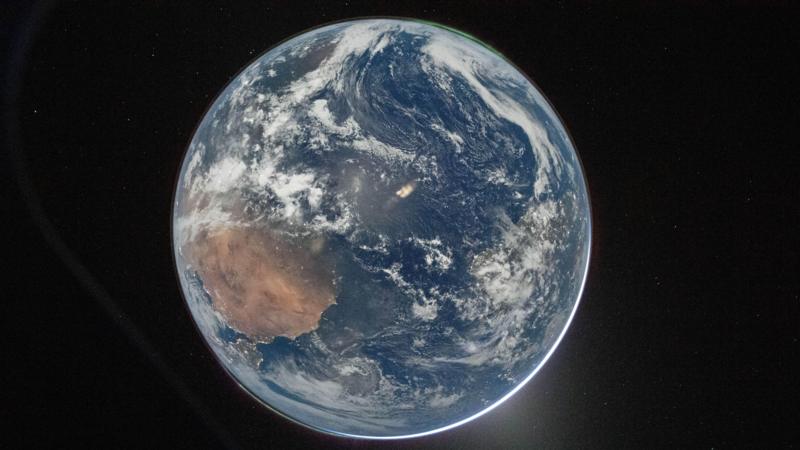
Astronaut Reid Wiseman captured a notable photo of Earth from the Orion spacecraft.
The crew's diet includes 189 shelf-stable food items designed for space travel without resupply.
Read the Original
Want the full story? Tap a source to open the original
article.
"Maul - Shadow Lord" is a new animated Star Wars series premiering on Disney+. The show offers a deeper look into the character Darth Maul and his journey following the fall of the Empire. The series features ten episodes, released weekly, with new characters and storylines.
Key Facts
The new series is titled "Maul - Shadow Lord."
It premiered on Monday, April 6, 2026.
The series is available exclusively on the Disney+ streaming service.
Two episodes premiered initially, with new episodes released every Monday.
The story follows Darth Maul after the Empire's collapse, focusing on his journey and quest for power.
The series explores themes like vengeance, destiny, and redemption.
It includes elements like lightsaber combat and political intrigue.
Visual and storytelling aspects cater to both longtime fans and new viewers.
Read the Original
Want the full story? Tap a source to open the original
article.
During the Artemis mission, astronauts will lose radio contact with Earth for 40 minutes as their spacecraft passes behind the Moon. This temporary communication blackout is similar to what Apollo astronauts experienced, but future missions aim to prevent such gaps with new satellite networks.
Key Facts
Artemis astronauts will lose contact with Earth for 40 minutes while behind the Moon.
The blackout occurs because the Moon blocks radio and laser signals between the spacecraft and Earth.
This experience of losing contact was similar for Apollo astronauts, including Michael Collins in 1969.
The European Space Agency is planning satellite networks to maintain constant communication.
Goonhilly Earth Station in England tracks the spacecraft and helps maintain contact with mission control.
The signal loss highlights the need for continuous communication, especially for future Moon missions.
Read the Original
Want the full story? Tap a source to open the original
article.
In China, an AI assistant called OpenClaw, known as the "lobster," has gained significant attention. Developed by Peter Steinberger, it allows users to customize the tool using open-source data, filling a gap left by Western AI models that are not accessible in China. Chinese tech companies and individuals are using OpenClaw for tasks like managing online shops and investing in stocks.
Key Facts
OpenClaw is an AI assistant nicknamed "lobster" in China.
It allows customization using open-source data, making it popular.
Western AI models like ChatGPT are not available in China, increasing interest in OpenClaw.
The AI tool can handle complex tasks quickly, like managing online product listings.
Chinese tech giants Tencent and Baidu are offering apps based on OpenClaw.
People use the tool for tasks like evaluating investment opportunities.
The rise of OpenClaw reflects China's growing interest and investment in AI technology.
Read the Original
Want the full story? Tap a source to open the original
article.
An iPhone user shared a warning online after realizing their device automatically connected to a hotel's USB charging port overnight. This could have led to a "juice jacking" cyberattack, which involves malware or data theft through public USB ports. Users can protect themselves by changing their phone settings and avoiding public USB chargers.
Key Facts
An iPhone user posted on Reddit about a security concern after using a hotel's charging port.
They discovered that their phone's default setting allowed USB connections without asking for permission.
"Juice jacking" is a cyberattack that can happen through USB ports by installing malware or stealing data.
Such attacks are theoretically possible, but no confirmed cases have been reported by the FCC or Malwarebytes.
To prevent "juice jacking," users should carry their own chargers and avoid public USB ports.
iPhone settings can be adjusted to always ask before connecting to new USB accessories.
Changing this setting can add extra security against potential data access from unknown sources.
Read the Original
Want the full story? Tap a source to open the original
article.
Satellite company Planet Labs will stop showing images of Iran and the Middle East conflict area due to a request from President Trump's administration. This decision, made to prevent adversaries from using the images, affects the release of satellite data that could pose security risks.
Key Facts
Planet Labs is withholding satellite images of Iran and conflict areas in the Middle East.
The decision follows a request from President Donald Trump’s administration.
Previously, there was a 14-day delay on releasing images from the region.
The policy applies to imagery dating back to March 9.
The war began on February 28 with attacks by the US and Israel against Iran.
Planet Labs will allow image release on a case-by-case basis if it is urgent or in the public interest.
The company was founded in 2010 by ex-NASA scientists.
Military uses of satellite technology include target identification and missile tracking.
Read the Original
Want the full story? Tap a source to open the original
article.
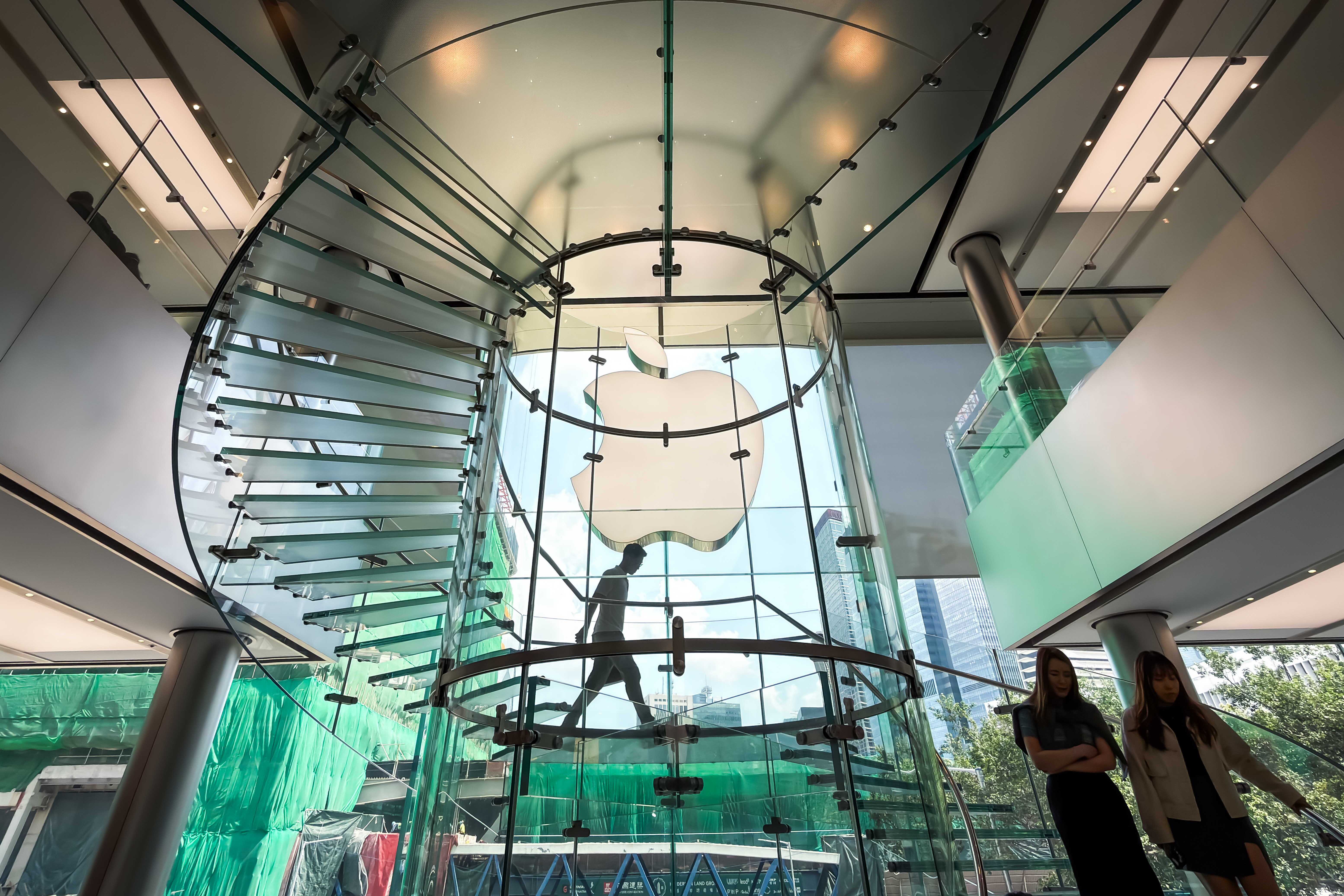
Apple, now 50 years old, has significantly influenced everyday technology use. Some of its major hits include the iPod, iPhone, and Apple Watch. The company has experienced both big successes and some failures over the years.
Key Facts
Apple was founded 50 years ago by Steve Jobs and Steve Wozniak in a garage in San Francisco.
The iPod, released in 2001, revolutionized digital music by making it easy to download and manage music legally.
The iPhone, introduced by Steve Jobs in 2007, brought together music, phone, and internet functions into one device.
More than 200 million iPhones are sold each year, with one selling every seven seconds worldwide.
The Apple Watch, launched in 2015 under CEO Tim Cook, marked Apple's entry into wearable technology.
Apple products are owned by nearly one-third of the global population.
Apple's marketing strategy played a crucial role in the widespread adoption of its products.
Read the Original
Want the full story? Tap a source to open the original
article.
Netflix released a new detective drama called "Detective Hole," based on a novel by Jo Nesbø. The series is nine episodes long and has received generally positive reviews, but some critics feel it is a bit too lengthy.
Key Facts
"Detective Hole" is a Netflix detective series adapted from Jo Nesbø's novel.
The show was released in March 2026 and has nine episodes.
The series stars Tobias Santelmann as the main character, Harry Hole, and Joel Kinnaman as Tom Waaler.
Critics gave the show a 92% rating on Rotten Tomatoes.
The story follows Harry Hole, an Oslo detective investigating a serial killer.
Critics say the series is long, with some suggesting it could benefit from fewer episodes.
The soundtrack is composed by Nick Cave and Warren Ellis.
The series is part of Netflix's Nordic noir presentation.
Read the Original
Want the full story? Tap a source to open the original
article.
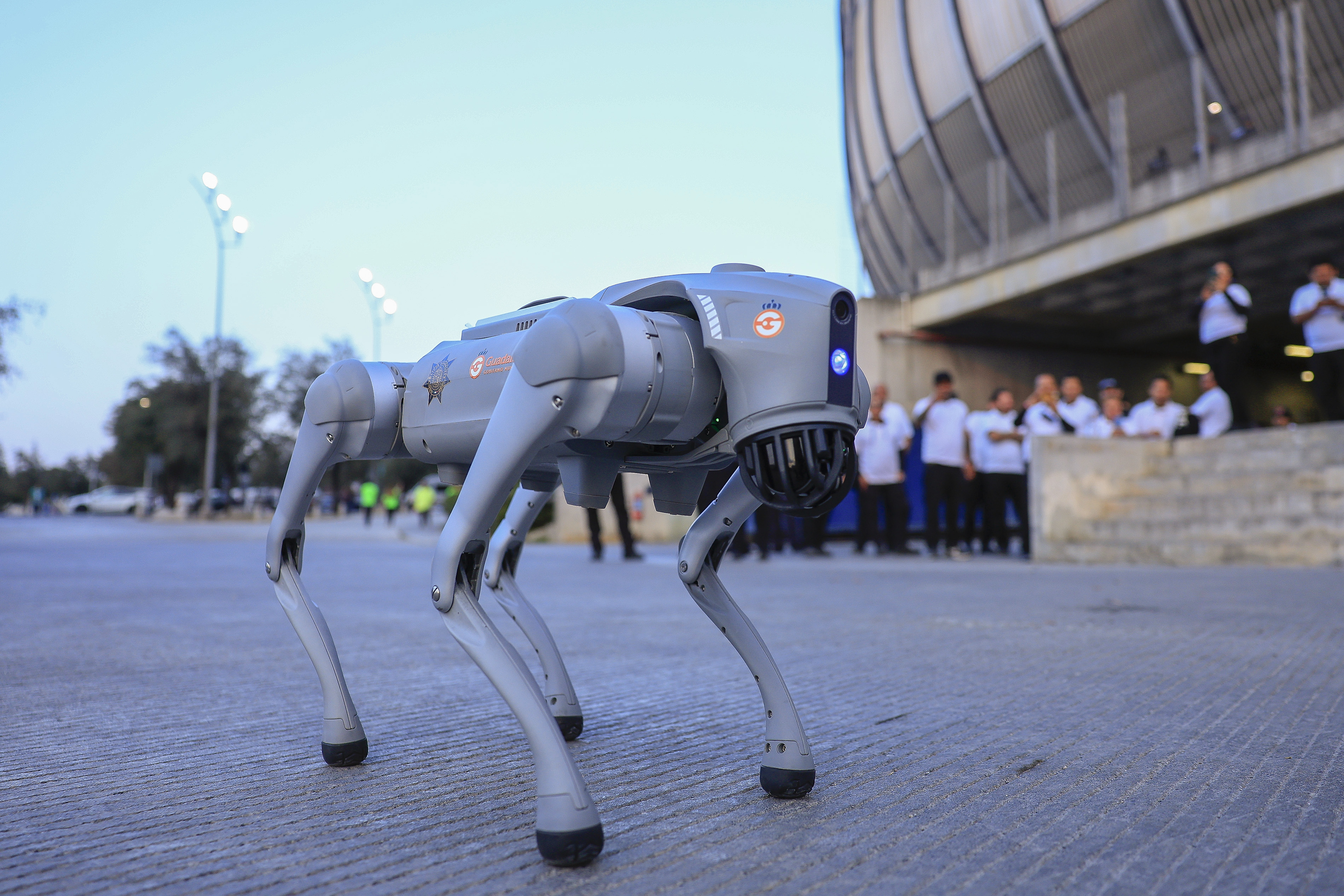
Robot police dogs powered by AI use cameras and sensors to help patrol areas in Atlanta. These robots provide a cheaper and continuous security option but have raised concerns about privacy and civil liberties.
Key Facts
Robot dogs powered by AI are patrolling streets, apartments, and construction sites in Atlanta.
The robots are developed by companies like Undaunted and Cobalt Robotics.
These robot dogs have cameras, lights, sirens, and speakers to help with surveillance.
They follow pre-set routes and stream 360-degree video to operators who can intervene if needed.
The Atlanta Police Department plans to use these robots to help reduce crime in high-crime areas.
There are concerns about the impact on privacy and civil liberties with the use of such surveillance technology.
The AI-powered dogs are equipped with object recognition software and thermal imaging sensors.
The police robots, known as Hound Units, will operate around the clock.
Read the Original
Want the full story? Tap a source to open the original
article.
Paramount+ will end the crime series "Mayor of Kingstown" after its fifth season, despite its rising popularity and a 100% rating on Rotten Tomatoes. Paramount hasn't explained why it isn’t renewing the show, which did not consistently rank in top viewership like other shows by creator Taylor Sheridan.
Key Facts
"Mayor of Kingstown" will conclude after its fifth and final season.
The show received a 100% rating on Rotten Tomatoes for season four.
Paramount+ did not give a reason for not renewing the series.
Season five will have eight episodes, fewer than previous seasons, which had ten each.
The series started on November 14, 2021.
Shows like "Landman" and "Tulsa King," also by Taylor Sheridan, have seen more consistent viewer numbers.
Paramount+ is focusing on other projects by Taylor Sheridan, including several "Yellowstone" spin-offs.
Read the Original
Want the full story? Tap a source to open the original
article.