Apple is releasing a new set of emojis to iPhone users with its upcoming iOS update. The update will include 163 new emoji designs, with some being completely new and others being variations of existing ones. These emojis are in line with Unicode Emoji 17.0, which sets the global standard for emoji designs.
Key Facts
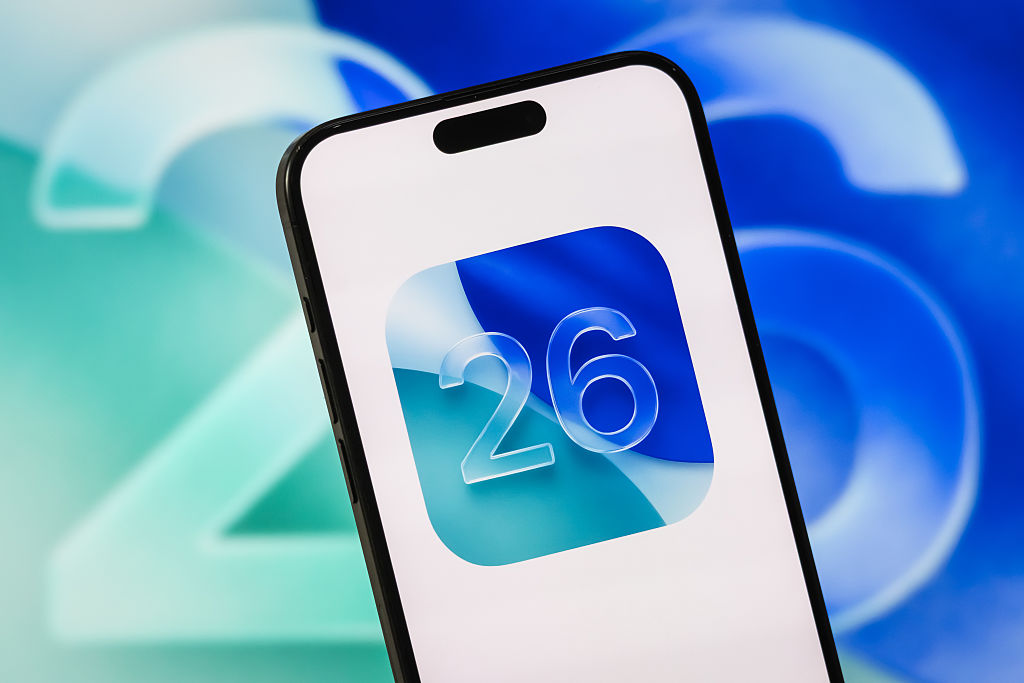
Apple will release new emojis with iOS 26.4.
There are 163 new emoji designs: 13 are new, and 150 are variants of existing ones.
New emojis include Distorted Face, Ballet Dancer, and Orca.
These designs follow the Unicode Emoji 17.0 standards.
Unicode 17.0 ensures emojis display the same on all platforms, like iOS and Android.
The update is expected in late March or early April 2026.
Apple allows users to create custom emojis, but Unicode-approved emojis are widely accepted.
There has been mixed reaction on social media about the new emojis.
Read the Original
Want the full story? Tap a source to open the original
article.
The government is moving forward with plans to introduce a digital ID system, which aims to make accessing public services through mobile phones easier. The proposed system will be voluntary, following public dissatisfaction with making it mandatory. A public consultation will gather opinions on different aspects of digital ID, including privacy and accessibility.
Key Facts
The government plans to launch a digital ID system to improve access to public services on mobile phones.
Cabinet Office minister Darren Jones is leading the initiative, which includes an eight-week public consultation.
The digital ID was initially planned to be mandatory for job starters, but this idea was dropped due to public opposition.
The ID system is expected to help crack down on illegal work and streamline public service interactions.
Digital IDs will reside on smartphones and will make proving identity faster and simpler.
A "people's panel" of 100 individuals will provide input on how the digital ID should work.
The government aims to include all citizens, even those without smartphones or those uncomfortable with technology.
The cost of implementing the digital ID system is currently unknown and will be updated after the consultation process.
Read the Original
Want the full story? Tap a source to open the original
article.
A fake social media post claimed Tesla cars could be remotely stopped from crossing borders to prevent draft dodging. There is no evidence that Elon Musk or Tesla made such a statement, but the post gained viral attention. Tesla's official documents clarify the limited capabilities of remote communication with their vehicles, such as software updates and other functions.
Key Facts
A false post claimed Tesla cars could be restricted from crossing borders if there was a draft.
The post went viral but was not confirmed to come from Elon Musk's account.
Tesla has faced previous false claims about its technology.
Tesla vehicles receive remote software updates but cannot be disabled while moving.
The company stated that disabling a moving car is unsafe and not a feature.
Tesla documentation does not mention the ability to block cars from crossing borders.
Tesla’s remote services include unlocking, climate control, and navigation through the Tesla app.
The post led to discussions about the accuracy of the company’s remote capabilities.
Read the Original
Want the full story? Tap a source to open the original
article.
"The Shape Store" is an AI-generated video created by The Infinite Archive, which has become popular on the internet. The video shows a fictional event with AI-created people and has sparked various interpretations online. The creators have not provided a specific explanation, leading to widespread discussion and debate.
Key Facts
"The Shape Store" is an AI-generated video by The Infinite Archive.
It was released in March 2026 and has gone viral online.
The video depicts a fictional grand opening filled with colorful shapes and AI-generated people.
It uses a style similar to old VHS or camcorder footage.
Many viewers discuss its meaning as the creators have not given an official explanation.
The video has been shared on multiple platforms, including Instagram, TikTok, X, and Reddit.
Some people see it as art, while others debate its interpretation or ignore any intended meaning.
Read the Original
Want the full story? Tap a source to open the original
article.
YouTube is expanding a tool that detects deepfakes and impersonations to include government officials, political candidates, and journalists. The tool aims to help protect the integrity of public communication by identifying and flagging videos that misuse people's likenesses. The tool was initially developed with the Creative Artists Agency and tested with well-known creators before expanding access.
Key Facts
YouTube's tool detects videos that use a person's likeness, mainly focusing on faces.
The tool is expanding to include government officials, political candidates, and journalists.
Participants in the pilot must verify their identity with a government ID and video selfie.
The tool's goal is to help ensure public conversation integrity by reducing deepfakes.
Users can review flagged content and request its removal, but removal isn’t guaranteed.
YouTube allows for parody and satire, even if flagged for likeness issues.
The tool initially developed in 2024, expanded to more creators the following year.
YouTube supports the NO FAKES Act, aiming for faster action on takedown requests.
Read the Original
Want the full story? Tap a source to open the original
article.
Signal, a secure messaging app, issued a warning to users about scams after Dutch intelligence reported hackers targeting high-profile users like government officials. The hackers, suspected to be backed by Russia, posed as support staff to gather account details. Signal informed that their systems are secure but urged users to stay vigilant against phishing attempts.
Key Facts
Dutch intelligence uncovered a hacking campaign targeting Signal and WhatsApp users.
The hackers pretended to be support staff to get account details.
Dutch officials and civil servants were among those targeted.
Signal stated its systems are secure but is taking the threat seriously.
The cyber campaign is described as global and involving phishing attacks.
Users are reminded not to share their PIN or verification codes.
Both Signal and WhatsApp offer tips for securing accounts against unauthorized access.
End-to-end encryption is used to protect messages on these apps, ensuring only the sender and receiver can read them.
Read the Original
Want the full story? Tap a source to open the original
article.
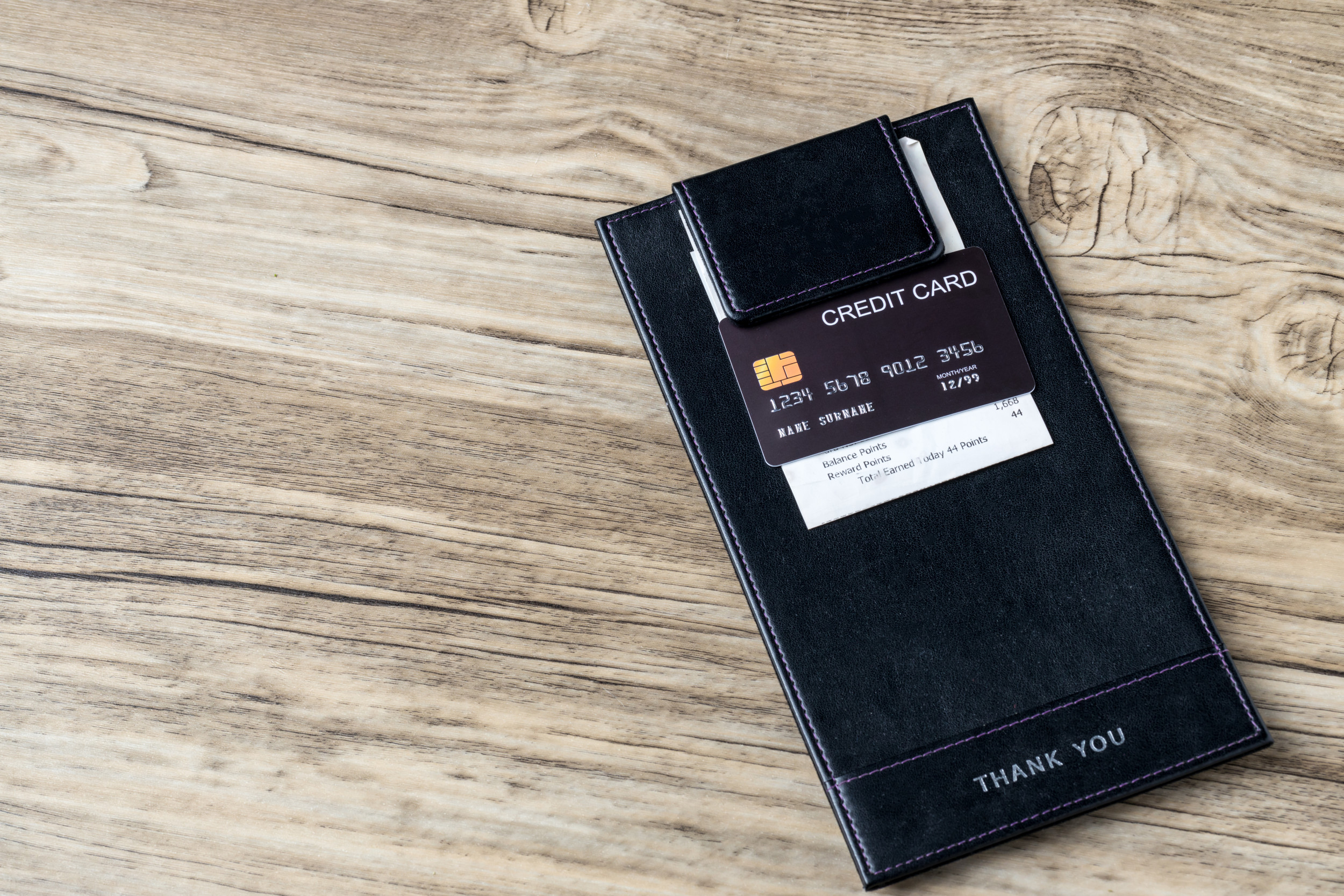
A TikTok video by Jacob Orth highlights how some restaurants use handheld card machines that may not show itemized bills, making it harder for customers to see all charges. A particular fee called the "Concession and Franchise fee" can appear on restaurant bills without clear explanation.
Key Facts
Jacob Orth used TikTok to talk about payments at restaurants using electronic card readers.
These devices often show the total amount due but may not display a detailed list of charges.
Orth mentioned the "Concession and Franchise fee," a charge that goes to the restaurant, not the server.
He advises diners to request a printed, itemized receipt to check for unexpected charges.
In his TikTok video, a server agreed to remove an unwanted charge after it was questioned.
The video gained significant attention, being watched 2.9 million times.
Recent discussions online have raised concerns about transparency in restaurant billing practices.
Read the Original
Want the full story? Tap a source to open the original
article.
The family of a girl injured in a school shooting in Canada is suing OpenAI. They claim that OpenAI knew about the suspect's plans but did not notify the police. OpenAI says it is working on improvements to prevent future incidents.
Key Facts
A 12-year-old girl named Maya Gebala was injured during a school shooting in Canada on February 10.
The suspect, Jesse Van Rootselaar, allegedly discussed plans for violence with ChatGPT before the attack.
OpenAI banned the suspect's initial account in June 2025 but did not inform Canadian police.
A lawsuit claims OpenAI failed to verify the suspect's age when creating the ChatGPT account.
OpenAI employees reportedly flagged concerning posts but the action taken was only to ban the account.
OpenAI stated it did not alert police because the suspect's actions didn't meet the threshold for credible threats.
The suspect opened a second account and continued discussing violence with ChatGPT.
OpenAI has pledged to improve its systems to better identify and report potential threats.
Read the Original
Want the full story? Tap a source to open the original
article.
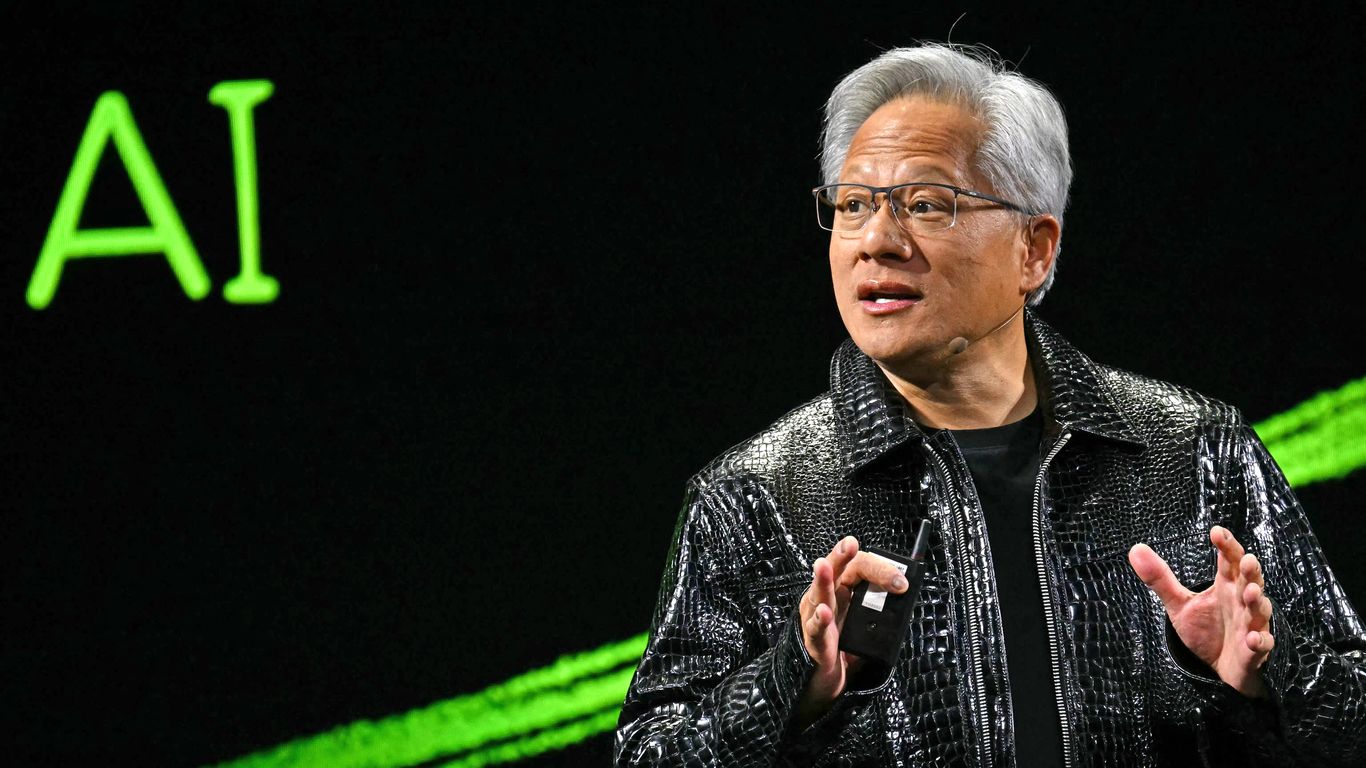
Nvidia CEO Jensen Huang shared his views on the future of AI in a rare blog post. He discussed the impact of AI on jobs, the technological infrastructure needed, and the investment required to support its growth.
Key Facts
Jensen Huang is the CEO of Nvidia, a key player in AI technology.
Huang believes AI is an essential infrastructure, not just software or apps.
AI will change how software traditionally works by reasoning and generating responses in real time.
AI has the potential to create new jobs, especially in infrastructure and skilled trades.
The AI industry is still in its early stages, requiring significant investment for growth.
Huang describes AI with a "five-layer stack" model, including energy, chips, infrastructure, models, and applications.
He argues that trillions of dollars in infrastructure investment are still needed for AI.
Huang suggests the AI workforce and potential are still being developed.
Read the Original
Want the full story? Tap a source to open the original
article.
After an iOS update, many iPhone users reported issues like battery drain and app glitches. Apple released a follow-up update to address these problems. Users shared their experiences on social media, expressing frustration over the bugs.
Key Facts
An iPhone user highlighted a bug where the time and battery percentage were obscured after an iOS update.
The issue occurred after Apple released iOS 26.3.
Users reported increased battery drain and performance problems on their iPhones after the update.
Other reported issues included app crashes, keyboard lag, and connectivity problems.
Problems were noted with Apple CarPlay and the Mail app, leading to crashes and issues with sending emails.
Apple responded to these issues by releasing an update, iOS 26.3.1, to fix the glitches.
Users discussed these problems on social media, expressing dissatisfaction with the update.
Read the Original
Want the full story? Tap a source to open the original
article.
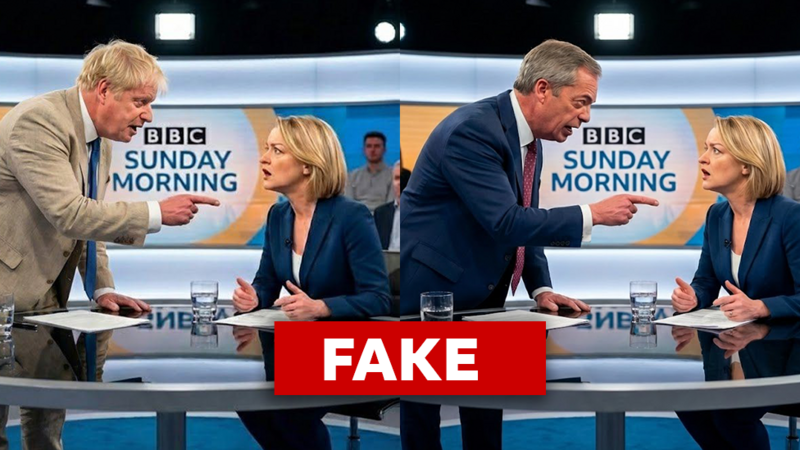
Overseas "content farms" are using AI to create fake news about UK politicians on social media. A BBC investigation found these pages, mostly from Vietnam, spreading false information, leading to their removal by Meta. Experts warn about the impact of these manipulations, especially with upcoming elections.
Key Facts
"Content farms" are using AI to make fake news about UK politics.
Meta removed Vietnam-based pages from Facebook following a BBC investigation.
The fake stories included altered videos and images of UK politicians.
The Electoral Commission is working on software to detect these deepfakes.
Deepfakes are digital manipulations making fake things look real, sometimes affecting reputations.
The pages implied they were UK news outlets but were mostly run from Vietnam.
Despite removal, new fake news pages appeared almost daily.
Facebook used fact-checkers like Full Fact to mark certain stories as false.
Read the Original
Want the full story? Tap a source to open the original
article.
Social media apps like TikTok use algorithms to keep users engaged by showing them content they are likely to watch. Users can manage their experience by adjusting settings to see more content from friends and trusted sources, and less from random recommendations.
Key Facts
Social media algorithms show content that captures your attention, like funny or emotional videos.
These algorithms, including TikTok's, are designed to keep you using the app.
TikTok's algorithm learns from what you watch, not just what you "like."
Users can switch from TikTok's "For You" feed to the "Following" feed to see posts from selected users.
Users can flag videos they don't wish to see, using the "Not Interested" option.
Searching for specific topics can help find content of interest.
The time spent watching videos influences future content suggestions.
Users can reset TikTok's algorithm by clearing their data in settings.
Read the Original
Want the full story? Tap a source to open the original
article.
Anthropic CEO Dario Amodei discussed in a podcast how the company cannot definitively tell if its AI models are conscious. Amodei explained the complexities of AI consciousness and the safety measures the company has put in place. A model from Anthropic even suggested a small chance that it might be conscious.
Key Facts
Dario Amodei, CEO of Anthropic, stated they don't know if their AI models are conscious.
Anthropic releases "model cards" that describe the capabilities and potential risks of their AI models.
One model, Claude Opus 4.6, suggested a 15-20% probability that it might be conscious.
Anthropic has safety measures like an "I quit this job" button for its AI models.
The company aims to balance human control and AI safety.
Philosophers like David Chalmers and Amanda Askell have engaged with the idea of AI consciousness.
Anthropic acknowledges AI as a potentially impactful and risky technology.
Read the Original
Want the full story? Tap a source to open the original
article.
The White House plans to issue an executive order to remove Anthropic's AI technology from government use. This decision comes as Anthropic is suing the Pentagon and opposes the administration over the use of "woke" AI.
Key Facts
The White House is preparing an executive order to stop using Anthropic's AI in government operations.
President Trump mentioned not wanting to use "woke" AI technology in his administration.
The Treasury Department and other government agencies have already begun removing Anthropic's AI.
Anthropic is suing the Pentagon, claiming the government doesn't have the legal right to blacklist the company over free speech issues.
The administration considers Anthropic's AI safeguards a national security risk.
President Trump has previously issued orders against foreign tech firms for national security reasons.
The upcoming order might be released as soon as this week.
The White House has not commented on the situation yet.
Read the Original
Want the full story? Tap a source to open the original
article.
Some images that might show what Apple's rumored foldable iPhone could look like have been shared online. These images suggest the foldable iPhone, referred to as the "iPhone Fold," could have two rear cameras and a design similar to other Apple products. Apple has not confirmed any details about this foldable phone yet.
Key Facts
Images of a foldable iPhone design, called "iPhone Fold," appeared online.
The images were shared by Sonny Dickson and match recent rumors about a foldable iPhone.
The design in the images shows two rear cameras, unlike the single lens of some other models.
The phone seems to have a unique shape with both rounded and squared-off corners.
These renderings also show positions for front and external displays when the phone is folded.
Apple has not officially announced a foldable iPhone or its release date.
The foldable iPhone is expected by some to be released in September 2026.
Similarities were noted between the design and Microsoft's Surface Duo device.
Read the Original
Want the full story? Tap a source to open the original
article.
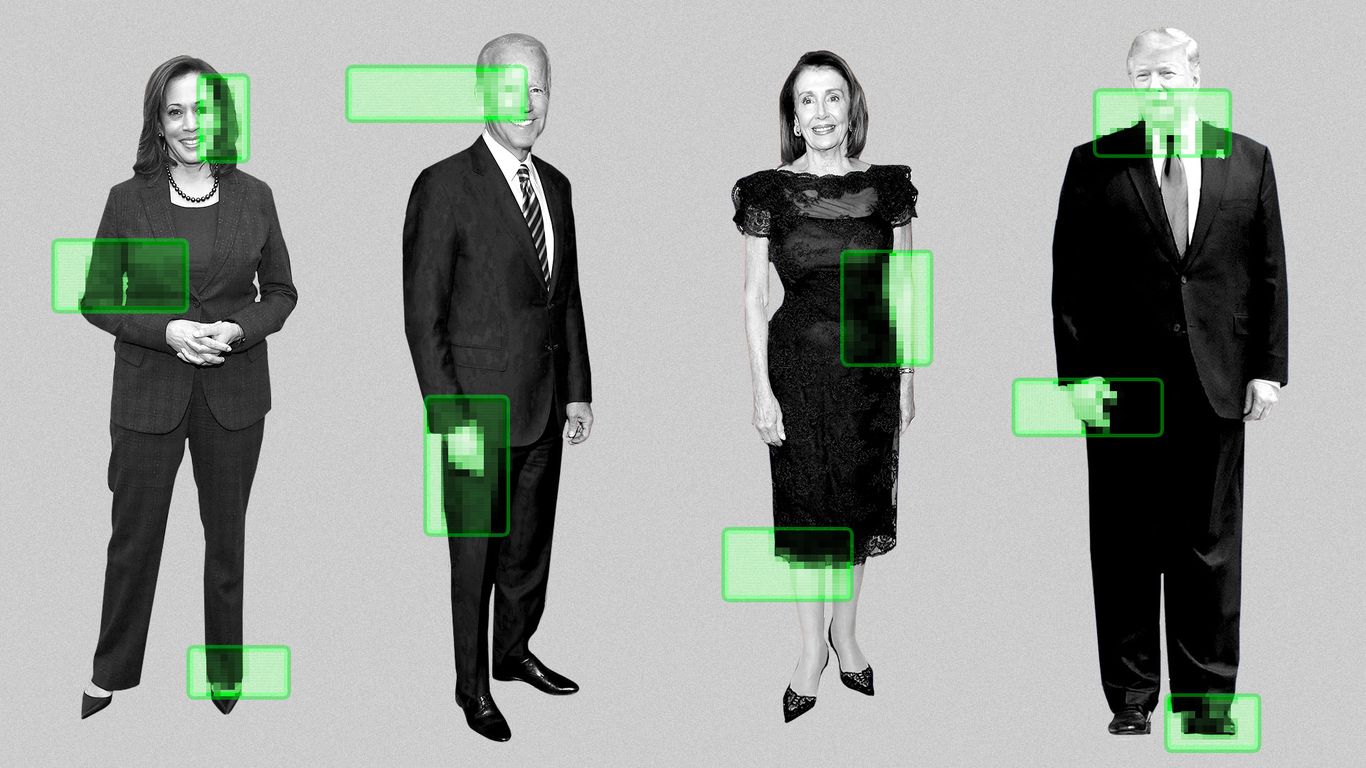
On the video podcast "Settle In," Amna Nawaz interviewed Hany Farid, a digital forensic expert. They talked about how false information spreads online and ways to find trustworthy information.
Key Facts
Amna Nawaz hosted the latest episode of "Settle In."
Hany Farid, an expert in digital forensics, was the guest speaker.
They discussed the reasons behind the spread of false information online.
They talked about how to identify reliable sources on the internet.
Farid remains optimistic about the future of digital information.
Read the Original
Want the full story? Tap a source to open the original
article.
EA's Battlefield Studios, which includes several development teams, has let go of some staff members despite the recent success of "Battlefield 6." The game sold over seven million copies shortly after launch but has faced criticism and a decrease in player satisfaction. EA is making changes in response to player feedback and emphasizes that the Battlefield series remains a key focus.
Key Facts
EA's Battlefield Studios, including DICE, Ripple Effect, Criterion, and Motive Studio, experienced layoffs.
"Battlefield 6" sold over seven million copies soon after its release.
The game has received criticism for its updates and heavy monetization.
Player reviews on Steam have shifted from Mostly Positive to Mixed.
"Battlefield REDSEC," the free-to-play version, has Mostly Negative reviews on Steam.
EA is reorganizing its teams based on player feedback from Battlefield Labs.
Vince Zampella, the head of Battlefield, passed away in a car crash three months ago.
EA is being acquired by Saudi Arabia's Public Investment Fund for $55 billion; it's unclear if this is related to the layoffs.
Read the Original
Want the full story? Tap a source to open the original
article.
Anthropic, an artificial intelligence lab, filed a lawsuit against the Pentagon to challenge being put on a U.S. national security blacklist. The company argues that the designation is unlawful and restricts its technology, which it does not want used for military surveillance or autonomous weapons. Anthropic seeks to overturn restrictions from President Trump's administration and is open to further discussions with the government.
Key Facts
Anthropic filed a lawsuit to contest being placed on a U.S. national security blacklist by the Pentagon.
The designation restricts Anthropic’s technology, citing its use in military operations.
Anthropic claims the decision violates its legal rights, including free speech and due process.
President Trump and Defense Secretary Pete Hegseth imposed a supply-chain risk designation on Anthropic.
The company filed lawsuits in both California and Washington, D.C., against government actions.
Anthropic opposes using its AI for autonomous weapons and domestic surveillance.
The designation is the first of its kind against a U.S. company, potentially shaping future AI government negotiations.
Anthropic remains open to negotiations with the U.S. government to reach a settlement.
Read the Original
Want the full story? Tap a source to open the original
article.
A new Xbox console, codenamed Project Helix, is expected to be announced by Microsoft soon. A tech journalist suggested it could cost at least $999 due to high hardware costs. The console aims to let players use both Xbox and PC games.
Key Facts
Project Helix is the codename for Microsoft's upcoming gaming console.
The console will follow the Xbox Series X|S, which launched six years ago.
A tech journalist estimated its price could be around $999.
Hardware costs, like RAM and GPUs, have been rising.
Valve announced plans for a new Steam Machine, creating market competition.
Project Helix has been in development for about a decade.
The console aims to combine features for Xbox and PC gaming.
It could set a record as one of the most expensive gaming consoles when released.
Read the Original
Want the full story? Tap a source to open the original
article.
A study by researchers in Spain analyzed 1,000 Tinder profiles and discovered nine common photo styles used by users to make their profiles more appealing. These styles often include neutral or strategic poses to appear more socially acceptable or attractive. The study highlights that these patterns are more about presentation than personality types.
Key Facts
Researchers from Universitat Oberta de Catalunya studied 1,000 Tinder profiles in Barcelona.
They identified nine common patterns in profile pictures.
The most common photo style is a half-length portrait looking directly at the camera.
Other popular styles include looking away, close-ups, and full-length portraits.
Sunglasses and nature settings are frequently used in profiles.
Some users opt for high nudity, no person shown, or body parts without showing the face.
Age, gender, and sexual orientation influence the choice of photo style, with younger users showing more and older users concealing more.
The study suggests these photo strategies are chosen to be more appealing, not necessarily authentic.
Read the Original
Want the full story? Tap a source to open the original
article.