Capcom has released a new game, Resident Evil Requiem, as part of the long-running survival horror series. The new game introduces player characters Grace Ashcroft and a returning character, Leon S. Kennedy. Capcom aims to blend familiar elements with new experiences to redefine survival horror.
Key Facts
Resident Evil Requiem is a new game in the Resident Evil series by Capcom.
Grace Ashcroft is a new playable character alongside Leon S. Kennedy.
The game tries to balance familiar themes with fresh ideas.
Director Koshi Nakanishi said redefining survival horror was a challenge.
The series started in 1996 and is known for its horror and action mix.
By including action elements, Requiem nods to past game styles.
The game revisits past locations like Racoon City's police department.
Read the Original
Want the full story? Tap a source to open the original
article.
President Donald Trump directed all U.S. federal agencies to stop using AI technology from the company Anthropic. The Department of Defense and other agencies using Anthropic products have a six-month period to phase out their use. The decision is part of a conflict over the role of AI in national security and disagreements over its use by the military.
Key Facts
President Trump ordered federal agencies to stop using Anthropic's AI technology.
The Department of Defense has six months to phase out Anthropic's products.
The directive is part of a dispute between the Pentagon and Anthropic over AI's military use.
Anthropic has a $200 million contract with the Pentagon.
The Pentagon considered labeling Anthropic as a supply-chain risk.
Anthropic refused to allow the unrestricted military use of its AI technology.
Anthropic's AI product, Claude, is used by intelligence and military services.
U.S. Senator Mark Warner expressed concern over President Trump's decision.
Read the Original
Want the full story? Tap a source to open the original
article.
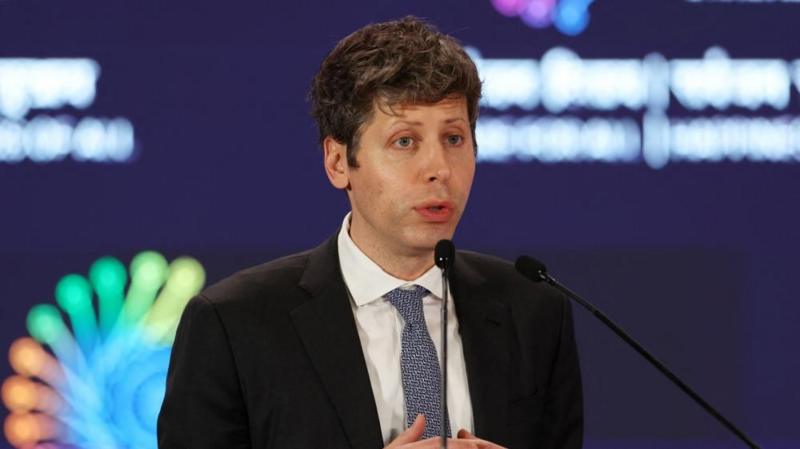
The Pentagon has agreed to OpenAI's safety guidelines for using its technology in secure settings. This decision comes after rejecting similar guidelines from Anthropic, which the Pentagon criticized. OpenAI and Anthropic both oppose using AI for mass surveillance and autonomous weapons.
Key Facts
The Pentagon accepted OpenAI's rules for safely using AI in secure settings.
No formal contract has been signed between the Pentagon and OpenAI.
OpenAI opposes using AI for mass surveillance and autonomous weapons.
OpenAI wants to improve its security systems as it gains more experience.
Anthropic faced criticism from the Pentagon for its AI usage guidelines.
President Trump commented on the matter, opposing the influence of certain companies on AI use decisions.
OpenAI employees are encouraged to support similar values as Anthropic regarding safe AI use.
Read the Original
Want the full story? Tap a source to open the original
article.
President Trump has ordered all federal agencies to stop using Anthropic's AI products. This decision followed Anthropic's attempt to restrict how the Pentagon used one of its AI tools.
Key Facts
President Trump directed federal agencies to cease using products from Anthropic.
The order came after Anthropic tried to limit Pentagon use of one AI tool.
William Brangham discussed the issue with Michael Horowitz.
Michael Horowitz has experience in the Pentagon writing AI weapon systems policy.
The issue revolves around government use and control of AI technology.
Read the Original
Want the full story? Tap a source to open the original
article.
In March 2026, Netflix is adding a variety of new movies and shows, including a film adaptation of "Peaky Blinders" and documentaries like "Louis Theroux: Inside the Manosphere." The platform will also feature a selection of the "Saw" movie series and many other titles throughout the month.
Key Facts
"Peaky Blinders: The Immortal Man" will be on Netflix from March 20, 2026.
Cillian Murphy returns as the lead character, Tommy Shelby.
The story is set in 1940 Birmingham during World War 2.
A documentary titled "Louis Theroux: Inside the Manosphere" will debut in March.
Netflix will add nine "Saw" movies to its lineup by March 19, 2026.
Other new releases include popular movies like "Fifty Shades of Grey" and kids' shows like "Gabby's Dollhouse: Season 13."
Netflix will also feature new seasons of series like "Love Is Blind" and "Virgin River."
Read the Original
Want the full story? Tap a source to open the original
article.
The article explains how micro-dramas are capturing attention online with short episodes tailored for social media platforms like TikTok, Instagram, and YouTube. These ultra-short shows feature dramatic moments designed to hook viewers quickly, often within a single minute.
Key Facts
Micro-dramas are very short shows that can last as little as one minute per episode.
These dramas are filmed vertically to fit smartphone screens, ideal for platforms such as TikTok, Instagram, and YouTube.
The genre's popularity has led to a flourishing industry worldwide, expected to be worth billions.
South Korean creators are entering the micro-drama market, known for their expertise in music, TV, and films.
Micro-dramas often use dramatic and attention-grabbing scenes, as the first episodes are usually free, enticing viewers to pay for more.
Artificial intelligence is being used to reduce costs and create more opportunities in this market.
Vigloo is one of South Korea's largest micro-drama apps, producing shows that pack intense plots into short episodes.
The fast-paced production style is compared to "fast fashion" in filmmaking, prioritizing speed and attention-grabbing content.
Read the Original
Want the full story? Tap a source to open the original
article.
President Trump ordered a blacklist of Anthropic from all U.S. government work, affecting federal agencies using or planning to use Claude, Anthropic's AI. This decision could disrupt AI projects across various federal departments.
Key Facts
President Trump ordered Anthropic to be blacklisted from federal government work.
Claude, an AI by Anthropic, is in use or planned use at several U.S. agencies.
The Department of Health and Human Services uses Claude for secure queries.
The Office of Personnel Management is piloting Claude, as noted in its AI inventory.
The Department of Energy uses Claude at major laboratories, including Lawrence Livermore National Laboratory.
NASA used Claude for an AI-planned drive on Mars at the Jet Propulsion Laboratory.
A federal agreement last year made Claude broadly available to the government.
Read the Original
Want the full story? Tap a source to open the original
article.
President Donald Trump directed U.S. federal agencies to stop using AI technology from a company called Anthropic, labeling it a national security risk. The Pentagon plans to enforce this by possibly using the Defense Production Act, a law not intended for this purpose, leading to legal debates over the government's authority. Anthropic opposes these changes, citing ethical concerns and legal rights.
Key Facts
President Trump ordered federal agencies to stop using AI technology from Anthropic.
Anthropic was labeled a "radical left" company by President Trump.
The Pentagon threatened actions like canceling a $200 million contract and blacklisting Anthropic.
The Pentagon considered using the Defense Production Act to compel compliance.
The Defense Production Act was originally for mobilizing industries in national emergencies.
The Supreme Court’s major questions doctrine requires clear congressional approval for certain actions.
Anthropic's AI system has ethical limits that the company refuses to remove.
Anthropic's refusal aligns with the Department of Defense's policy on human control over AI weapons.
A senior Pentagon official admitted the need for Anthropic’s advanced AI technology.
Read the Original
Want the full story? Tap a source to open the original
article.
President Donald Trump directed federal agencies to stop using AI technology from the company Anthropic. This happened just before a Pentagon deadline related to a contract with the company. The disagreement is part of a larger debate about AI's role in national security.
Key Facts
President Trump ordered federal agencies to phase out Anthropic's AI technology.
The directive came before a Pentagon deadline for the company to allow full military use of its AI.
President Trump announced that the U.S. government will blacklist AI company Anthropic due to its refusal to lift restrictions on the military's use of its AI model, Claude. The Pentagon considers Anthropic a security risk and plans to end its contract and prevent future government work. The decision affects military operations that use Claude and involves a transition to alternative solutions.
Key Facts
President Trump announced the blacklist decision involving Anthropic.
Anthropic refused to remove safeguards on its AI model for military use.
The Pentagon views Anthropic as a "supply chain risk" because of this refusal.
The contract with Anthropic is valued at up to $200 million.
The Pentagon will require partners to avoid using Anthropic's AI model, Claude.
Claude is currently used in the military's classified systems.
There will be a six-month period to find alternatives to Claude.
The company Palantir also uses Claude for sensitive military work and will have to find a new solution.
Read the Original
Want the full story? Tap a source to open the original
article.
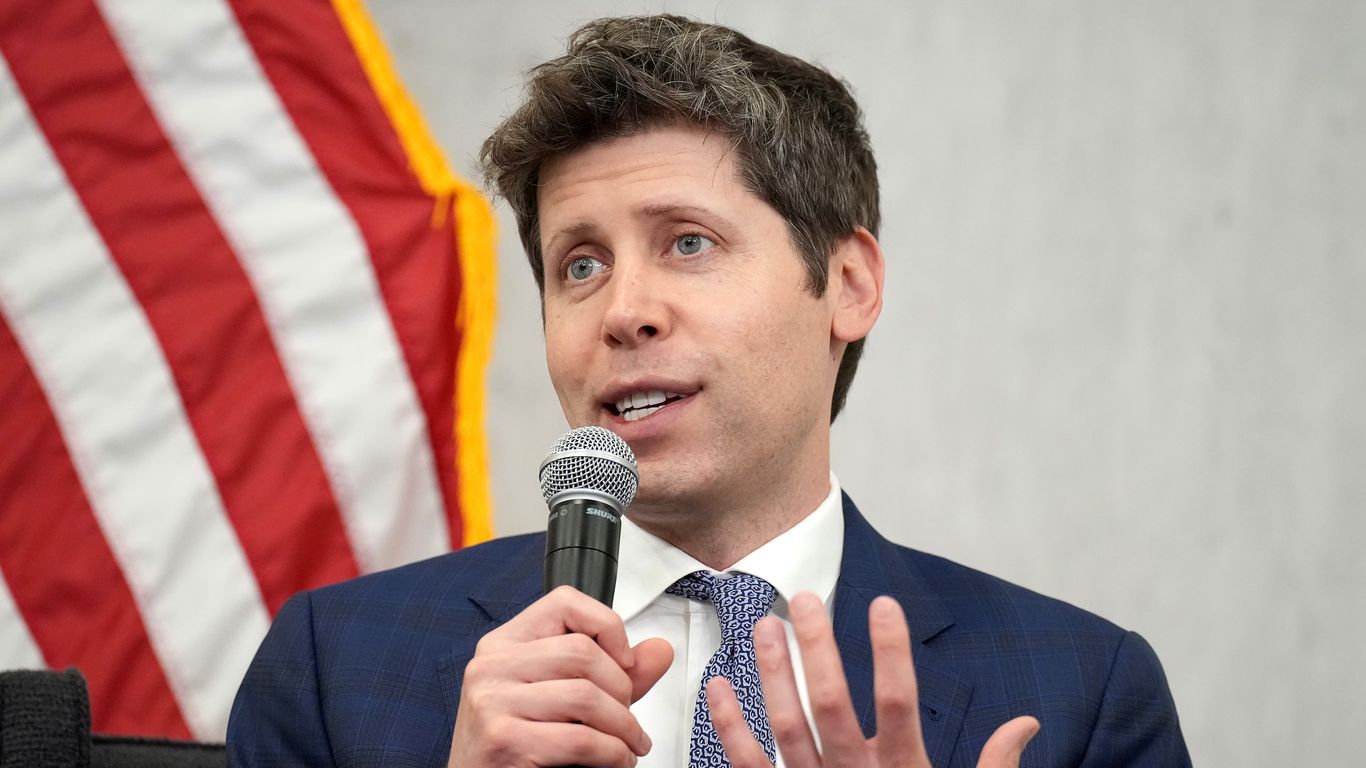
OpenAI CEO Sam Altman supports competitor company Anthropic in its disagreement with the U.S. Department of Defense (DoD). Altman and Anthropic's CEO both refuse to allow the Pentagon unrestricted use of their AI technologies. The DoD wants more control over the AI tools but Anthropic resists, stating concerns over potential misuse.
Key Facts
Sam Altman, OpenAI's CEO, supports Anthropic amidst their conflict with the DoD.
Anthropic's CEO, Dario Amodei, will not allow the Pentagon unrestricted access to their AI tools.
Anthropic objects to the government's potential use of its AI for domestic surveillance and autonomous weapons.
The DoD claims it does not plan to use these technologies for surveillance or weapons but desires any lawful use.
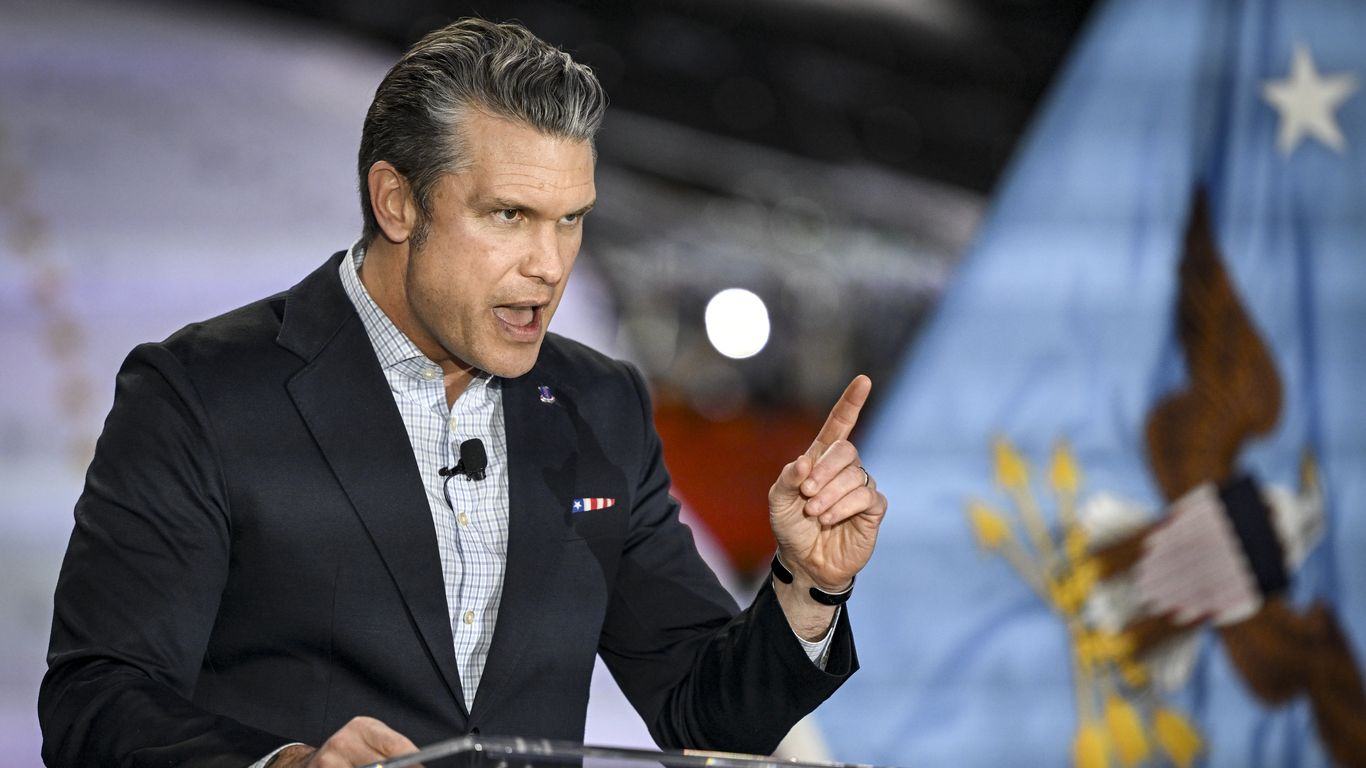
The U.S. Secretary of Defense Pete Hegseth has threatened to use the Defense Production Act if Anthropic does not comply.
OpenAI and Anthropic are competitors in the AI field, but both show concerns over unrestricted government use of AI.
Altman's memo suggests that government actions threaten national security and leadership in AI.
Read the Original
Want the full story? Tap a source to open the original
article.
The rise of Artificial Intelligence (AI) is causing a shortage in memory components used in smartphones, leading to a predicted decline in smartphone shipments. Memory manufacturers are focusing more on producing memory for AI data centers, causing fewer resources for consumer electronics like smartphones. This situation could affect smaller smartphone companies more severely, while larger companies like Apple and Samsung may benefit.
Key Facts
AI's rapid growth is creating higher demand for memory components.
Memory needed for AI is reducing the supply of memory for smartphones.
Smartphone shipments are projected to decrease by 12.9% in 2026 due to this shortage.
Major memory producers, such as Samsung and SK Hynix, are making more memory for AI purposes.
The shortage has increased prices for DRAM and NAND memory used in smartphones.
Smaller smartphone brands may struggle with rising costs, unlike larger firms like Apple.
The memory shortage could cause lasting changes in the smartphone market and prices may not stabilize until mid-2027.
Read the Original
Want the full story? Tap a source to open the original
article.
The International Data Corporation (IDC) predicts a significant drop in smartphone shipments by 12.9% in 2026 due to a memory shortage affecting the consumer electronics industry. The shortage is expected to impact small businesses and low-end smartphone vendors the most, while major brands like Apple and Samsung may increase their market share. Some regions, including the Middle East and Africa, could see a larger decline in smartphone shipments.
Key Facts
IDC predicts smartphone shipments will fall by 12.9% in 2026.
A memory shortage is causing problems for the entire consumer electronics industry.
Small businesses and low-end smartphone makers will be the hardest hit.
Major brands like Apple and Samsung are expected to handle the crisis better.
The Middle East and Africa could see a 20.6% decrease in smartphone shipments.
Memory prices should stabilize by mid-2027, but are unlikely to return to previous levels.
The entry-level market (phones under $100) is expected to become unsustainable.
The smartphone average selling price (ASP) could rise to $523 this year.
Read the Original
Want the full story? Tap a source to open the original
article.
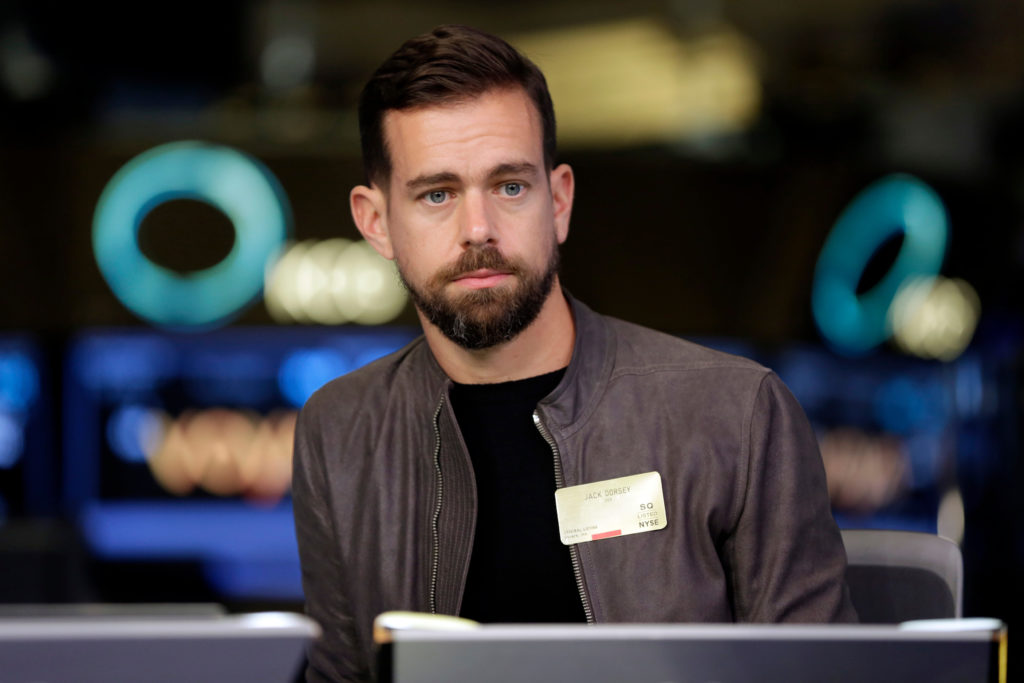
The financial technology company Block is laying off more than 4,000 employees to focus on using artificial intelligence (AI) to improve its business operations. This decision by CEO Jack Dorsey caused Block's stock to rise sharply. AI is seen as a way to make the company more efficient and profitable.
Key Facts
Block is laying off over 4,000 of its more than 10,000 employees.
CEO Jack Dorsey stated that AI is a key reason for the layoffs.
Block's share price increased by more than 20% in premarket trading after the announcement.
The company's stock rose to nearly $69 in after-hours trading, up from $54.53.
Block's fourth-quarter gross profit increased by 24% compared to the previous year.
Block operates in the U.S., Canada, Europe, Australia, and Japan.
Other companies like Amazon and UPS have also announced recent layoffs.
Read the Original
Want the full story? Tap a source to open the original
article.
In 2027, two new Pokémon games, "Pokémon Winds" and "Pokémon Waves," will be released on the Nintendo Switch 2. These games are part of Generation Ten and introduce new Pokémon and gameplay features. The games may include features like underwater and flying areas, with a range of Pokémon available for players.
Key Facts
"Pokémon Winds" and "Pokémon Waves" will release in 2027.
They will be available on the Nintendo Switch 2.
The three new starting Pokémon are Pombon (fire-type), Gecqua (water-type), and Browt (grass-type).
The games focus on areas with water and air, like oceans and skies.
New gameplay may include swimming and flying features.
Several popular Pokémon will return, including Pikachu and Espeon.
Players might explore new biomes like volcanoes, islands, and tropical forests.
The games could bring back features similar to Pokémon Contests.
Read the Original
Want the full story? Tap a source to open the original
article.
NASA has revised its plans for the Artemis Moon missions, adding an extra mission to practice docking with a lunar lander in low-Earth orbit before the first crewed Moon landing since the 1970s. Despite this change, NASA still aims to land astronauts on the Moon by 2028. The agency is also addressing a technical issue with the Artemis II mission rocket, which has delayed its launch to April.
Key Facts
NASA has added an extra mission to the Artemis program before landing astronauts on the Moon.
The additional mission involves sending a crew to low-Earth orbit in 2027 to practice docking with a lunar lander.
The first Moon landing with Artemis will still aim for 2028, with Artemis IV and V potentially making one or two landings.
Artemis II, involving a trip around the Moon, was delayed to April due to a helium leak in the rocket.
NASA is working on fixing the rocket at the Kennedy Space Center in Florida.
The lander for bringing astronauts to the Moon's surface has not been finalized.
SpaceX and Blue Origin are working on plans for the lunar lander, with SpaceX's contract currently in place.
The United States faces competition from China, which plans a lunar landing by 2030.
Read the Original
Want the full story? Tap a source to open the original
article.
Key U.S. Senate defense leaders are trying to help resolve a disagreement between the Pentagon and a company named Anthropic. This disagreement is about how a specific AI technology called Claude can be used by the military. The Pentagon has given Anthropic a deadline to agree to their usage terms.
Key Facts
Senate defense leaders sent a letter to Anthropic and the Pentagon, pushing them to solve their disagreement.
The argument is about the limits on using Anthropic's AI, Claude, in military settings.
Anthropic does not want their AI to be used for mass surveillance or autonomous weapons.
The Pentagon wants Anthropic to agree to their terms or they may lose their contract.
The deadline for Anthropic to agree to the Pentagon's terms is 5:01pm EST on Friday.
Read the Original
Want the full story? Tap a source to open the original
article.
Amazon and OpenAI have made a deal where Amazon will invest up to $50 billion in OpenAI. This agreement allows Amazon to use OpenAI's services and offer a new type of AI computing to businesses. The deal also means Amazon might get ahead in the AI market.
Key Facts
Amazon announced a partnership with OpenAI involving a $50 billion investment.
Amazon will be able to provide a new AI service called "stateful runtime environment."
This service allows AI algorithms to remember previous interactions, similar to ChatGPT.
Microsoft has an existing agreement with OpenAI for traditional API services, which differ by not sharing user queries.
Amazon's deal allows them to sell OpenAI services and customize models for their purposes.
The agreement could boost Amazon's position in the AI market, competing with Microsoft and Google.
OpenAI will use more of Amazon's chips and cloud services for their projects.
Read the Original
Want the full story? Tap a source to open the original
article.
A new scientific review found that collagen supplements can improve skin elasticity and hydration when taken regularly but do not decrease wrinkles. The study analyzed data from many trials and found evidence of modest skin benefits along with some positive effects on joint health.
Key Facts
Collagen supplements improve skin elasticity and hydration when used consistently.
They do not significantly reduce wrinkles or improve skin roughness.
The study examined 113 trials with nearly 8,000 participants globally.
Collagen is a naturally occurring protein that supports skin, joints, and other tissues.
Collagen production decreases with age, and factors like smoking can accelerate this process.
The review highlighted collagen’s potential benefits for joint pain and stiffness.
Evidence for collagen's effects on oral health and heart-related measures was not strong.
Read the Original
Want the full story? Tap a source to open the original
article.
Ed Zitron, a tech analyst, shared concerns about the financial sustainability of AI data centers. He highlighted that building these centers is very expensive, with uncertain returns, mainly because many customers are unprofitable AI startups. Zitron also critiqued products like Claude Code for unsustainable pricing strategies.
Key Facts
Building an AI data center costs about $44 million per megawatt.
Data centers need hundreds of megawatts, resulting in billion-dollar costs.
Many AI data center customers are startups that struggle to pay bills.
GPUs in data centers lose value quickly, making them outdated before use.
Zitron warned that problems in data center construction could lead to widespread failures.
OpenAI plans to spend $600 billion on computing by 2030 but faces significant debt.
Claude Code, an AI assistant, generates $28 million monthly but costs much more in computing resources.
Users of Claude Code potentially face huge price increases once subsidies end.
Read the Original
Want the full story? Tap a source to open the original
article.