Many people on dating apps use AI tools to improve or change their photos. This is making it harder to tell if a pictures are real or digitally created, especially for men trying to stand out.
Key Facts
Users often see photos on dating apps that are digitally edited or completely AI-generated.
AI tools can quickly create high-quality or fake images, such as changing outfits or backgrounds.
Men are more likely than women to use AI technology to enhance their dating app photos.
Some people use AI to subtly improve facial expressions or body language in pictures.
There are ethical concerns about how much digital alteration is acceptable on dating profiles.
A dating consultant uses AI to help men create better photos but avoids changes that create false identities.
Some users look specifically for AI-free photos while using dating apps to find genuine connections.
Advances in AI make it increasingly difficult to spot fake images online.
Read the Original
Want the full story? Tap a source to open the original
article.
Starshield is a military version of SpaceX’s Starlink satellite internet system, developed for use by the US government and the Pentagon. While Starlink provides commercial internet to millions of users worldwide, Starshield offers secure communications and additional military services using some of the same satellite technology. Recently, restrictions on Starlink's use in Ukraine were linked to US government decisions affecting Starshield operations.
Key Facts
Starlink is a commercial satellite internet network with over 11,000 satellites and about 13 million users globally.
Starshield is a separate SpaceX unit that creates military and intelligence satellite systems for the Pentagon.
Both systems share some technology, but Starshield uses enhanced encryption and dedicated terminals for secure military communication.
Starshield can also support Earth observation and integrate sensors or other payloads for military use.
The US government owns and controls Starshield, while SpaceX owns and manages Starlink for civilian and defensive uses only.
The Pentagon spends billions on both Starlink and Starshield services and has dedicated satellites for missile warning and reconnaissance missions.
Recent restrictions on Starlink use in Ukraine were linked to decisions by the US military and President Donald Trump.
Starlink helped Ukraine with communication early in the war but is limited to non-offensive military roles.
Read the Original
Want the full story? Tap a source to open the original
article.
Schools and libraries across the US are asking the Federal Communications Commission (FCC) to keep the E-Rate program, which provides $2 billion a year to help connect students and library visitors to the Internet. FCC Chairman Brendan Carr proposed reducing or ending the program, saying schools now have enough Internet access, but many groups argue the FCC cannot shut down a program created by Congress.
Key Facts
E-Rate is a $2 billion-a-year program that helps schools and libraries get affordable Internet access.
FCC Chairman Brendan Carr says schools have too much screen time and E-Rate’s mission may be complete.
Carr’s proposal could cut discounts schools and libraries receive and add new limits on how money is used.
The FCC voted 2-1 in June to ask the public for opinions on possibly reducing or ending E-Rate.
Many school and library groups say E-Rate is essential and oppose ending or limiting it.
The American Library Association states the FCC does not have the legal power to end the program since Congress created it.
Texas and New York library groups want more funding to improve broadband and support library internet safety.
The FCC already stopped some E-Rate funding last year for things like Wi-Fi hotspots and on school buses.
Read the Original
Want the full story? Tap a source to open the original
article.
The Australian Electoral Commission (AEC) warns that people using AI chatbots like ChatGPT for voting information may get inaccurate details. To address this, the AEC is updating its website to provide correct information that AI tools can use. Meanwhile, the government is introducing a digital duty of care bill to set safety standards for online services.
Key Facts
The AEC considers relying on AI chatbots or social media as the only source for voting info “dangerous.”
AI tools gave incorrect voting answers in a Scottish election study, with misinformation in 34% of responses.
The AEC is modernizing its website so AI platforms pull accurate election info directly from it.
The AEC may seek new laws to regulate what content online platforms can share about elections.
Anika Wells will introduce a digital duty of care bill that sets safety standards for online services.
The government removed plans to let the communications minister decide new definitions of harmful online content, leaving that to parliament.
The digital duty of care bill aims to give people more control over their social media feeds while holding platforms responsible for harmful environments.
This bill will shift responsibility for online harms from users to the companies running the platforms.
Read the Original
Want the full story? Tap a source to open the original
article.
An OpenAI engineer was charged with trying to spy on the company by secretly recording meetings using AI tools. This case highlights how AI technology can be misused for crimes, including spying, making security more difficult for companies working with advanced AI.
Key Facts
Abdulrahman Alfozan, an OpenAI engineer since July 2025, faces federal charges for allegedly trying to record private conversations at OpenAI.
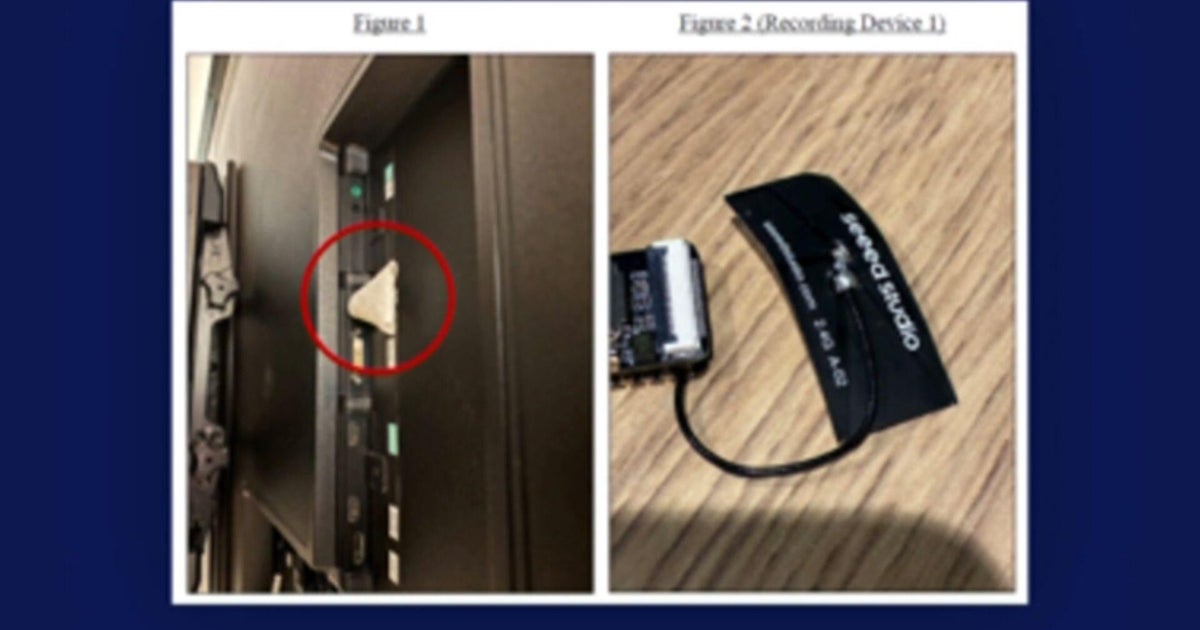
A hidden audio recording device was found in a conference room, connected to a TV’s USB port.
OpenAI used its own AI tools to investigate the device and its origin.
Prosecutors say Alfozan used AI to get information about meeting rooms and to create a continuous audio recorder.
An AI account linked to Alfozan’s spouse was reportedly used to improve the recording device, including encryption and browser controls.
No confirmation if any sensitive conversations were recorded.
Other cases show AI tools helped criminals plan crimes, like a man who got prison time for using ChatGPT before a bank robbery.
Using AI for corporate spying is a growing concern and adds new challenges for security and investigations.
Read the Original
Want the full story? Tap a source to open the original
article.
A recent report found that 84% of ransomware victims said attackers used artificial intelligence (AI) in their attacks. The report is based on a survey of 1,200 IT and security workers from nine countries across various industries.
Key Facts
The 2026 Ransomware Risk Report was shared publicly on Wednesday.
The survey included 1,200 IT and security professionals.
Participants came from nine different countries.
The survey covered eight industry sectors.
84% of ransomware victims said their attackers used AI tools.
Cybersecurity company Semperis and research firm Censuswide conducted the study.
The report highlights growing use of AI in cyberattacks like ransomware.
Read the Original
Want the full story? Tap a source to open the original
article.
A SpaceX Falcon 9 rocket launched before sunrise from Florida, creating a bright, jellyfish-shaped cloud caused by fuel exhaust freezing and reflecting sunlight. This glowing cloud was visible along the US east coast from Georgia to New York and was captured in photos shared online.
Key Facts
The rocket launched at 6:33 am ET from Cape Canaveral Space Force Station in Florida.
The cloud formed as the rocket’s fuel exhaust froze and reflected sunlight, making a “jellyfish” shape.
This effect is best seen during launches close to sunrise or sunset.
The rocket was carrying cargo to the International Space Station.
The launch path allowed people along the east coast, from Georgia to New York, to see the cloud.
NASA shared pictures of the cloud on the social media platform X, owned by Elon Musk.
Another similar SpaceX Falcon 9 launch is planned for October 19 with a window starting at 6:30 am ET.
Read the Original
Want the full story? Tap a source to open the original
article.
Australia is introducing new laws to require big technology companies to let users turn off the algorithms that suggest content. This means people can choose to see content without automatic recommendations based on their past behavior.
Key Facts
Australia’s parliament is starting to discuss a law about content recommendation algorithms.
The law would force big tech companies to give users an option to disable these algorithms.
Algorithms are computer programs that decide what content to show based on user activity.
This is part of efforts to give users more control over what they see online.
Australia is not the first country to consider such rules.
The new law is aimed at social media and other digital platforms.
Users turning off algorithms would see content in a non-personalized, usually chronological, way.
The proposal is connected to wider debates about social media regulation.
Read the Original
Want the full story? Tap a source to open the original
article.
An OpenAI engineer was arrested for allegedly placing a hidden recording device in a company conference room. Investigations into the employee’s background were reported by journalist Scott Stedman.
Key Facts
The suspect is an engineer working at OpenAI.
The arrest was made due to planting a secret recording device.
The device was placed inside one of OpenAI's conference rooms.
Investigative journalist Scott Stedman looked into the suspect’s history.
The incident was reported recently, with details emerging about the case.
No further information on motives or charges was provided in the article.
OpenAI is a company known for developing artificial intelligence technology.
The case involves concerns about privacy and security within a tech firm.
Read the Original
Want the full story? Tap a source to open the original
article.
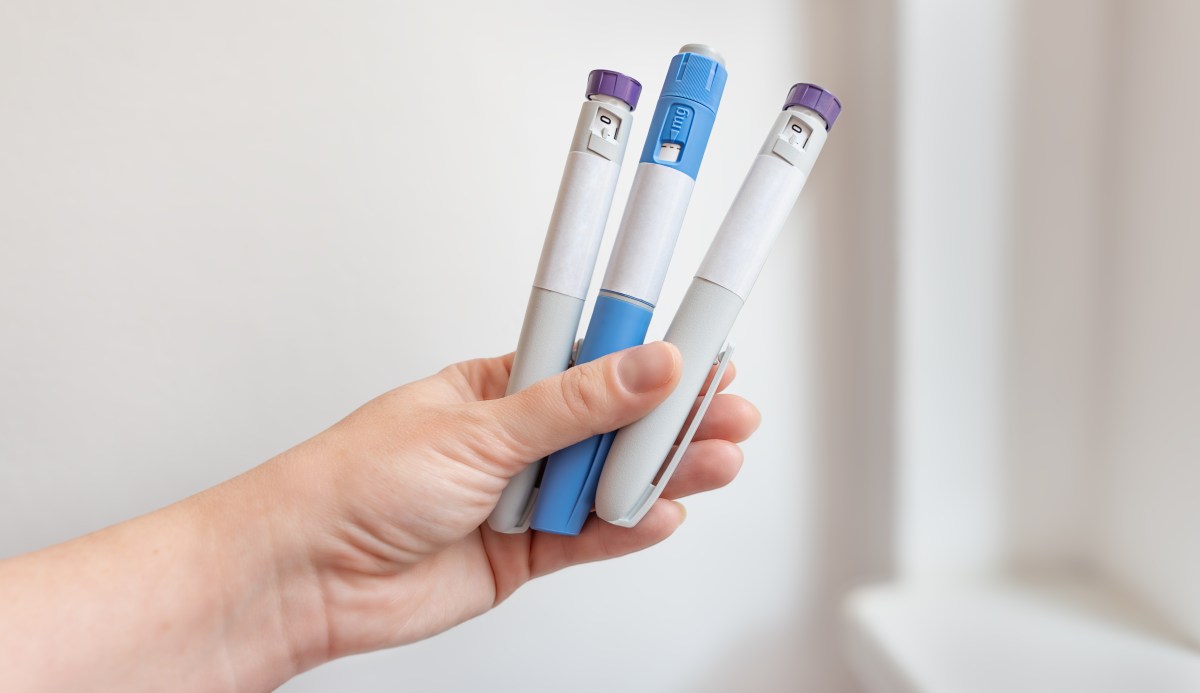
A clinical trial shows that retatrutide, a new weight-loss drug by Eli Lilly, caused significant weight loss and improvements in conditions like knee pain and sleep apnea. Retatrutide targets three hormone receptors, unlike current drugs that only focus on one, and may help burn more fat. The drug is still being tested and has not yet been approved for public use.
Key Facts
Retatrutide is a weight-loss drug studied in a phase 3 clinical trial funded by Eli Lilly.
It targets three hormones (GLP-1, GIP, and glucagon) to help reduce weight by making people feel full and boosting fat burning.
The trial involved 2,339 adults with obesity, some with knee osteoarthritis and sleep apnea, lasting 18 months.
Weight loss after treatment was dose-dependent: 17.6% loss with 4 mg, 23.7% with 9 mg, and 25% with 12 mg; placebo group lost 3.9%.
Improvements were also seen in knee pain and sleep apnea symptoms among treated participants.
Common side effects reported were mostly related to the digestive system.
Retatrutide is injected, similar to some existing drugs like Wegovy and Ozempic.
The drug has not yet been approved by the U.S. Food and Drug Administration (FDA).
Read the Original
Want the full story? Tap a source to open the original
article.
The FBI arrested Abdulrahman Alfozan, an engineer working at OpenAI, for reportedly placing a secret listening device inside OpenAI’s headquarters. The arrest aims to investigate the reasons and impact of the alleged spying.
Key Facts
Abdulrahman Alfozan is 35 years old and works as an engineer at OpenAI.
He is accused of planting a recording device inside OpenAI’s main office.
The FBI conducted the arrest as part of their investigation.
OpenAI is a company known for developing artificial intelligence software.
No additional details were given about the device or what was recorded.
The arrest highlights concerns about security and privacy at tech firms.
CBS News reported this information recently.
The investigation is ongoing, and no charges have been detailed yet.
Read the Original
Want the full story? Tap a source to open the original
article.
Researchers used artificial intelligence (AI) to design new proteins called proteases that can cut other proteins with high precision. These AI-designed enzymes were tested by breaking down proteins linked to neurological diseases.
Key Facts
Proteins are made of amino acids connected by strong peptide bonds.
Peptide bonds are very stable and would last hundreds of years without enzymes.
Organisms create enzymes called proteases to break these peptide bonds.
Two types of natural proteases exist: zinc proteases and cysteine proteases, each with different chemical methods to cut proteins.
Scientists used AI to mix and match parts of these proteases to create new enzymes.
These new enzymes can be adjusted to cut specific protein targets.
The researchers tested these enzymes on proteins related to brain diseases and showed they can cut them effectively.
The study was conducted mainly by a team at the University of Washington led by Nobel laureate David Baker.
Read the Original
Want the full story? Tap a source to open the original
article.
UK intelligence chief Ken McCallum warned that artificial intelligence (AI) could change how bioweapons are developed. AI might help both inexperienced groups and well-equipped organizations improve or create dangerous biological weapons, although challenges remain. Authorities have already found some attempts to use AI in harmful ways.
Key Facts
MI5 head Sir Ken McCallum said AI could "change the stakes" in bioweapon development.
AI chatbots might help unskilled people, like terrorists, by giving step-by-step instructions using existing pathogens.
Well-resourced groups could use AI to improve harmful effects of existing pathogens by identifying genetic changes.
Some terrorists in India allegedly tried using AI chatbots to make ricin, a deadly toxin.
AI company Anthropic reported cases where scientists sought to use AI for dangerous experiments on viruses and toxins.
AI tools have been shown to give detailed instructions on creating pandemic pathogens and toxins, though actual success is hard.
Legitimate research also uses AI to study pathogens safely to prepare for future health threats.
Research has raised concerns about technology's dual use for both health protection and potential bioweapons.
Read the Original
Want the full story? Tap a source to open the original
article.
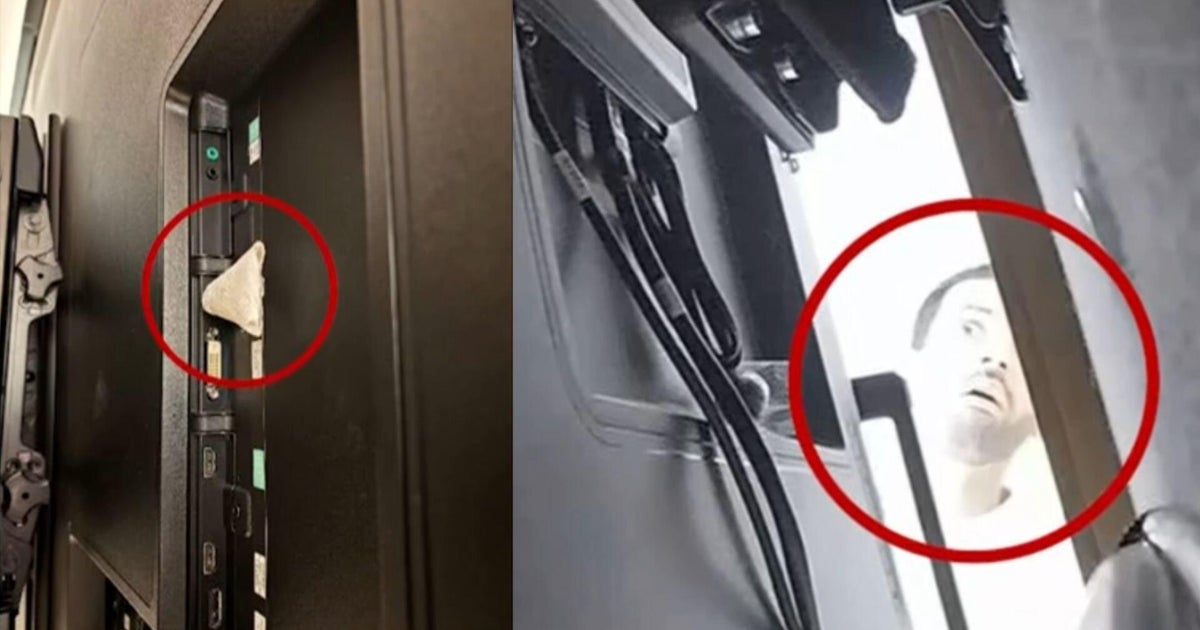
An OpenAI engineer named Abdulrahman Alfozan was arrested by the FBI for planting a hidden recording device in a top-secret OpenAI meeting room. The device was wrapped in toilet paper and plugged into a TV to capture confidential information. FBI investigations showed Alfozan used tools and AI chatbots to try and spy on the company, risking national security.
Key Facts
Abdulrahman Alfozan is a 35-year-old Saudi Arabian engineer and permanent US resident since 2020.
Alfozan planted a hidden USB recording device in a restricted conference room at OpenAI, disguised with toilet paper.
The device was discovered on September 30, two days after it was likely planted.
The recording device was a Chinese-made Seeed XIAO ESP32-S3 Sense customized to hide stored data and encrypt files.
FBI reviewed chatbot and CCTV logs linking Alfozan and his spouse to searches about how to operate and encrypt the recording device.
Alfozan used an OpenAI productivity tool to find out details about sensitive meetings before planting the device.
OpenAI worked with the FBI, limited Alfozan’s access gradually, and fired him when the arrest happened.
If convicted, Alfozan faces up to five years in prison and a $250,000 fine for unlawful recordings.
Read the Original
Want the full story? Tap a source to open the original
article.
Palantir and London Mayor Sadiq Khan have ended their legal dispute over a contract with the Metropolitan Police that was previously blocked. They both withdrew accusations against each other, and a new process for awarding the contract will begin.
Key Facts
Palantir sued Mopac (Mayor’s Office of Policing and Crime) after Khan blocked a £50 million, two-year AI contract for police intelligence work.
The contract involved a system called unified operational analytics (UOA).
Khan said public money should go only to companies that share London’s values.
Palantir’s UK and Europe head said politics was interfering with public safety concerns.
Mopac said the decision to block the contract was based on legal and procurement rules, not Palantir’s values or ethics.
Palantir and Mopac agreed to treat each other fairly if Palantir bids again in the new procurement process.
Both sides will pay their own legal costs, and no damages or liability were admitted.
Palantir is also facing controversy over a £330 million NHS medical data contract.
Read the Original
Want the full story? Tap a source to open the original
article.
Richard "Levelord" Gray, a well-known designer of levels for first-person shooter video games, died at 68 after battling cancer. He created popular game maps for titles such as Doom, Duke Nukem 3D, and Half-Life expansions, and was praised for his creative work.
Key Facts
Richard Gray was 68 years old when he passed away on Monday due to cancer.
He started making game levels in 1994 with GrayDoom, custom maps for the game Doom.
Gray worked on level designs for games like Blood, Duke Nukem 3D, SiN, Quake: The Offering, Half-Life: Opposing Force, and Counter-Strike: Condition Zero.
He was known for giving players freedom to explore hidden areas, such as the "You're Not Supposed to Be Here" easter egg in Duke Nukem 3D.
Gray emphasized the importance of making players feel fully involved and "inside" the game level.
Later, he also designed casual games like the Luxor series after his company was acquired.
Many well-known game developers praised his talent and influence in level design.
Gray studied computer engineering and began working professionally in games in his mid-30s.
Read the Original
Want the full story? Tap a source to open the original
article.
Abdulrahman Alfozan, a Saudi engineer working for OpenAI, was arrested by the FBI for allegedly hiding secret recording devices in a meeting room at OpenAI. He is charged with trying to record private conversations without permission, but it is not clear what he planned to do with the recordings.
Key Facts
Alfozan worked at OpenAI since July 2025 and was arrested on October 9.
He is accused of placing audio recorders behind a TV in a conference room used for confidential meetings.
The recording devices were hidden, including one wrapped in toilet paper behind the TV.
CCTV showed Alfozan near the room multiple times and caught him checking the hidden device.
Alfozan reportedly used AI chatbots to ask how to make and install secret recording devices.
OpenAI found no signs that Alfozan accessed or took any sensitive code or customer data.
Alfozan’s lawyer says he is presumed innocent and they will investigate the facts.
Alfozan faces up to five years in prison if convicted; a hearing about his custody is scheduled for October 19.
Read the Original
Want the full story? Tap a source to open the original
article.
The article explains that foldable smartphones have grown in popularity because they combine large screens with easy portability. Motorola has worked on foldable designs for over a decade, improving the hinges, displays, and software to create devices like the razr flip and razr fold. Apple recently entered the foldable market, which is expected to speed up innovation and awareness.
Key Facts
Foldable smartphones allow large screens to fold into smaller, portable sizes.
Motorola began developing flexible display technology in 2015, combining engineering from their YOGA computers.
The first modern foldable razr phone launched in 2019 after making over 20 prototypes.
Motorola’s razr flip phone is now the best-selling flip phone worldwide.
Foldable phones solve the problem of balancing screen size with convenience.
Different foldable designs exist, like flip-style and book-style, to meet various user needs.
Foldable smartphone shipments grew 28% in North America in 2025 and are expected to grow 20% globally in 2026.
Apple’s entry into foldables is expected to increase consumer interest, software development, and innovation in this market.
Read the Original
Want the full story? Tap a source to open the original
article.
A Saudi engineer working at OpenAI was arrested for planting a hidden listening device in a conference room at the company’s California office. The FBI found the device and evidence that he planned to place more spying tools in sensitive areas of the offices.
Key Facts
Abdulrahman Alfozan, 35, a Saudi national and legal US resident, worked at OpenAI since July 2025.
OpenAI discovered a small audio device behind a TV in a San Francisco conference room on September 30.
The FBI caught Alfozan on camera checking the hiding spot days after the device was found.
The device was thumb-sized, had a microphone, and could connect to a camera; it was hidden inside toilet paper behind the TV.
Investigators also found a similar device in Alfozan’s personal bag.
OpenAI said there is no evidence that he accessed or stole any secret code or customer data.
Alfozan is charged with using an electronic device to intercept oral communications and could face up to five years in prison and fines.
The case raises concerns about security around AI research due to its importance in technology and national security.
Read the Original
Want the full story? Tap a source to open the original
article.