A new trend, called AI caricature, uses ChatGPT to create cartoon-like images of people based on personal details. While some people enjoy this trend, others have raised concerns about privacy and the environmental impact of AI technology. These concerns include the high water and energy use required to support AI systems.
Key Facts
AI caricature is a trend using ChatGPT to create images based on personal information.
Some people are worried about privacy and environmental effects.
A study says AI infrastructure might soon use as much water as Denmark.
Using AI like ChatGPT uses more energy than typical online searches.
Social media reactions show mixed feelings, with some people enjoying the trend and others criticizing it.
Some online users and commentators are actively opposing or making fun of the trend.
Concerns include data privacy, with tools available for users to manage data ChatGPT remembers.
Critics note the trend's potential effects on ecology, data privacy, and increased energy and water usage.
Read the Original
Want the full story? Tap a source to open the original
article.
OpenAI fired a senior executive, Ryan Beiermeister, after receiving allegations of sex discrimination. This event coincides with OpenAI's plans to introduce an "adult mode" in its ChatGPT AI tool, which would allow the generation of erotic content. OpenAI claims Beiermeister’s departure was unrelated to the concerns she raised about the new feature.
Key Facts
OpenAI fired Ryan Beiermeister, its vice president of product policy, following accusations of sex discrimination.
Beiermeister denies the allegations of discrimination.
OpenAI is planning to add an "adult mode" to ChatGPT, allowing it to create erotic content.
The decision to add this feature has caused some debate within the company.
OpenAI has a large user base, with over 800 million weekly users.
The company insists Beiermeister’s firing is not related to her concerns about the new feature.
OpenAI is facing competition from other AI companies, such as Google's Gemini and xAI's Grok.
The "adult mode" is expected to launch in the first quarter of the year.
Read the Original
Want the full story? Tap a source to open the original
article.
Michael B Jordan's production company is turning the fantasy book "Fourth Wing" into a TV series. Jordan says the show will have a good mix of new and familiar actors and won't be "cheesy." His company acquired the rights to the book series with Amazon.
Key Facts
Michael B Jordan's company is making a TV show from the book "Fourth Wing" by Rebecca Yarros.
The book is part of the best-selling Empyrean series.
The series will focus on dragons, magic, warfare, and romance.
Casting for the show is still being decided, aiming for a balance of new and known actors.
Jordan's company worked with Amazon to get the book rights.
The Empyrean series has sold millions of copies in 40 languages.
Jordan hopes the show's casting will let viewers connect with characters as they imagined them.
He is also the executive producer for the TV series.
Read the Original
Want the full story? Tap a source to open the original
article.
The article discusses a project to improve the efficiency of Intensive Care Units (ICUs) by using technology to streamline processes and reduce complexity. At China Medical University Hospital, a new system called HiThings Tele-ICU was developed to connect various medical devices and information systems, aiming to make critical decisions faster and more reliable.
Key Facts
China Medical University Hospital focused on redesigning critical care in ICUs.
The project aimed to reduce complexity and improve decision-making speed in ICUs.
Nearly 70% of life-support devices are concentrated in ICUs, making it a key area for improvement.
The project involved clinical leaders, nurses, pharmacists, IT members, and engineers.
HiThings Tele-ICU is a new operating system that connects over 1,200 devices and systems.
The system uses FHIR, a standard that helps different systems share medical data easily.
The main goals were improved time-to-alert, time-to-escalation, and compliance with protocols.
The system aims to reduce the cognitive load on ICU teams by providing clearer information.
Read the Original
Want the full story? Tap a source to open the original
article.
The article discusses why the growth of artificial intelligence (AI) is slowing down, focusing on the need for better governance to manage risks. AI's full potential is not being reached due to concerns about privacy, safety, and mistakes, which leads organizations to proceed with caution.
Key Facts
AI advancement is being held back by concerns about risks like privacy and safety.
Leaders worry about potential harm to customers and mistakes when using AI.
Oversight systems like accountability and risk frameworks are not fully developed.
Effective governance can allow organizations to safely accelerate AI use.
Trust and safety are important for AI innovation, not obstacles.
Companies need clear policies for using AI to maximize its potential.
The article promotes an AI Governance Webinar that discusses these challenges and solutions.
Read the Original
Want the full story? Tap a source to open the original
article.
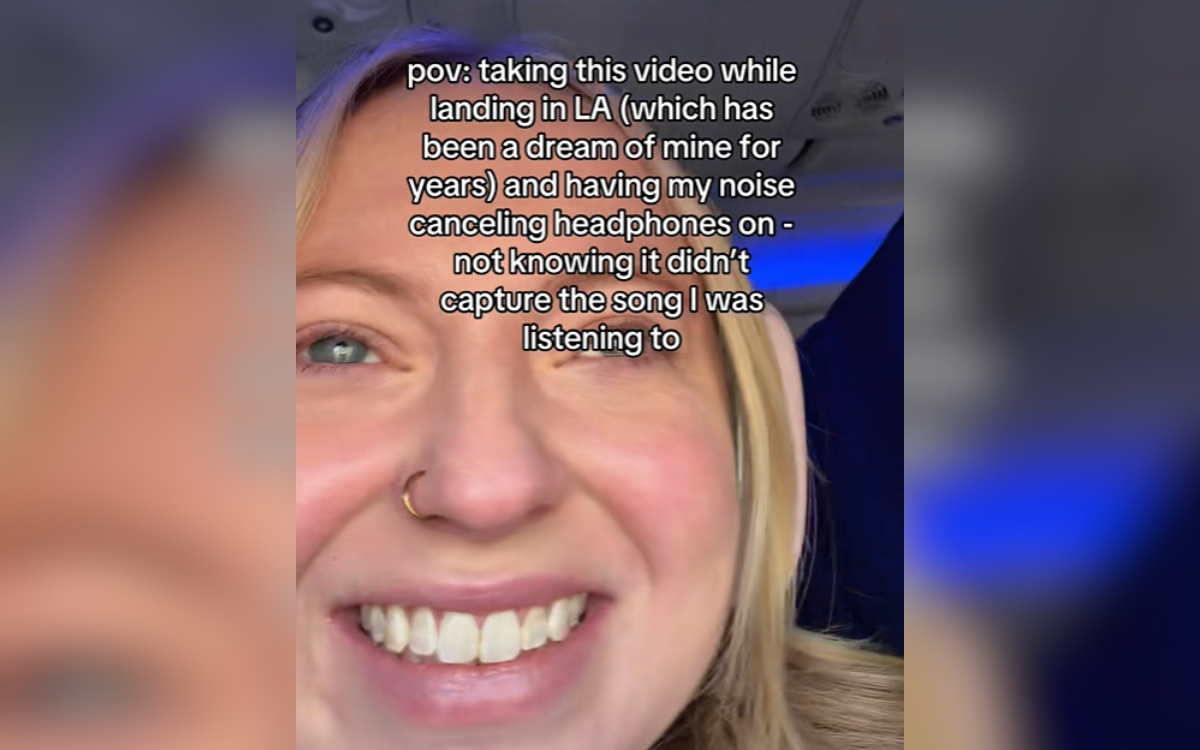
A woman filmed a video of her plane landing at Los Angeles International Airport. When she watched the video later, she realized it captured the screams of a child, which she hadn't heard due to her noise-cancelling headphones. The video gained popularity on TikTok.
Key Facts
Madeline Rebecca filmed her plane landing at LAX, intending to capture a memorable moment.
She used noise-cancelling headphones and listened to music during the landing.
The video picked up the sound of a screaming child, which Rebecca didn’t hear at the time.
The video went viral on TikTok, with over 2.4 million views.
The incident sparked discussion about child-free zones on public transport.
A 2023 survey found that 59% of U.S. adults support child-free areas on planes and trains.
Rebecca was using Apple AirPods Max headphones.
Read the Original
Want the full story? Tap a source to open the original
article.
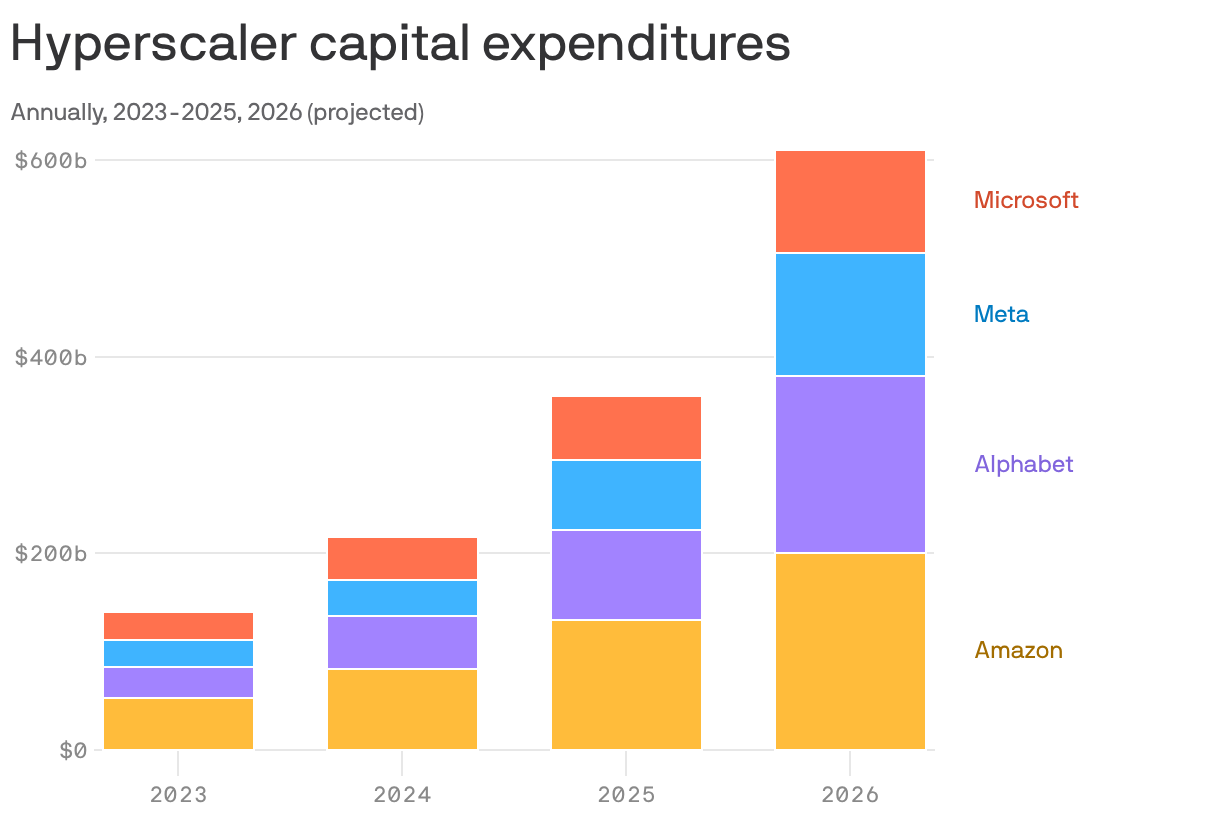
Spending by large data center companies on AI technology is predicted to reach around $610 billion. This is nearly three times what they spent two years ago, highlighting the growing costs involved in advancing AI.
Key Facts
Spending on AI by major data center companies is expected to be $610 billion.
This amount is about three times what was spent two years ago.
The term "hyperscalers" refers to large data center companies leading in AI development.
AI technology requires significant investment for infrastructure and development.
The increase in spending shows the rising expenses in building and advancing AI systems.
Read the Original
Want the full story? Tap a source to open the original
article.
A report from the children's commissioner for England found that children regularly see online ads for weight loss products, despite such advertising being banned. The report calls for stricter regulations and suggests changes to the Online Safety Act to better protect kids. Tech firms are encouraged to be more accountable and to stop showing these ads to children.
Key Facts
Children are frequently exposed to ads for weight loss products online.
The advertising of these products to children is currently banned.
The report was based on a survey of 2,000 children aged 13-17.
The report suggests changes to the Online Safety Act to enhance children's protection online.
Ofcom, the media regulator in the UK, enforces the Online Safety Act.
There's a recommendation to amend Ofcom's Children's Code to better shield children from harmful content.
The report calls for stronger regulation and enforcement against online sales of products restricted by age.
A national consultation is considering further protective measures, like banning social media for children under 16.
Read the Original
Want the full story? Tap a source to open the original
article.
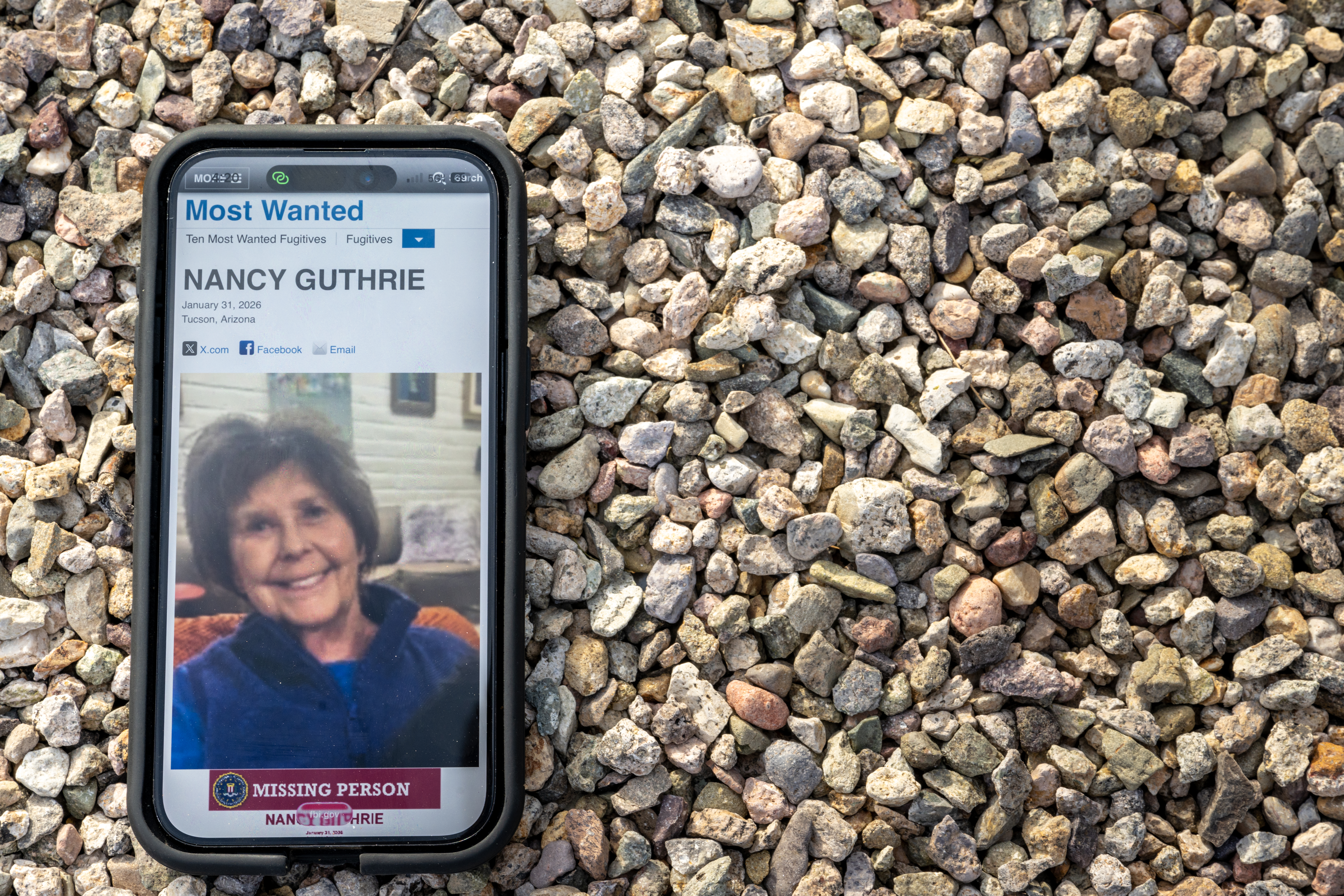
Footage from a doorbell camera at Nancy Guthrie’s home was recovered by Google, raising privacy concerns about data retention. The footage shows a masked, armed person tampering with the camera, despite Guthrie not having a service plan to save video clips. This case highlights issues around how long companies keep data and how they can access it.
Key Facts
Nancy Guthrie, 84, is missing, last seen at her home in Tucson, Arizona.
Video footage of a masked, armed person was recovered from her doorbell camera.
The camera footage was retrieved without Guthrie having a paid Nest subscription.
Google engineers helped recover the footage from back-end systems.
The video showed tampering with the camera on the night of Guthrie’s disappearance.
Concerns are raised about companies retaining consumer data long-term.
Google's privacy policy indicates videos can be captured even if a device is offline.
Read the Original
Want the full story? Tap a source to open the original
article.
A mother taught her daughter's boyfriend Spanish using a Ring doorbell camera, and the interaction became popular on TikTok. The boyfriend hesitated to enter until he understood the Spanish instructions, which TikTok users found polite and respectful.
Key Facts
A mother used a Ring doorbell camera to teach her daughter's boyfriend Spanish.
The boyfriend was referred to as "Goober" and corrected his Spanish greeting at the door.
The mother gave instructions in Spanish, and the boyfriend wanted to ensure he understood correctly before entering.
The video became popular on TikTok, with many users commenting on the boyfriend's politeness.
The boyfriend's own mother commented on the video, expressing her appreciation and fondness for the nickname "Goober."
Similar videos on TikTok show families interacting humorously or teaching lessons to new boyfriends.
Newsweek has reached out to the TikTok user who posted the video for more information but has not verified all details.
Read the Original
Want the full story? Tap a source to open the original
article.
The article discusses how computer companies, like HP, are moving towards subscription models for their laptops, prompting concerns among users about device ownership and pricing. Some users and critics express worries about losing control and increasing costs, as these subscription plans could replace traditional one-time purchases.
Key Facts
HP is testing a subscription model for laptops, similar to smartphone upgrade plans.
Users pay monthly fees for laptops instead of a large upfront cost, with options to upgrade models.
Critics are concerned about losing ownership and potential remote lockouts if payments stop.
A TikTok user highlighted these concerns, and his video gained significant attention.
Subscription models may include additional services like support and connectivity.
Critics compare the model to historical feudal systems where users depend on companies for computing access.
Some individuals believe this model threatens privacy and control over personal data.
Read the Original
Want the full story? Tap a source to open the original
article.
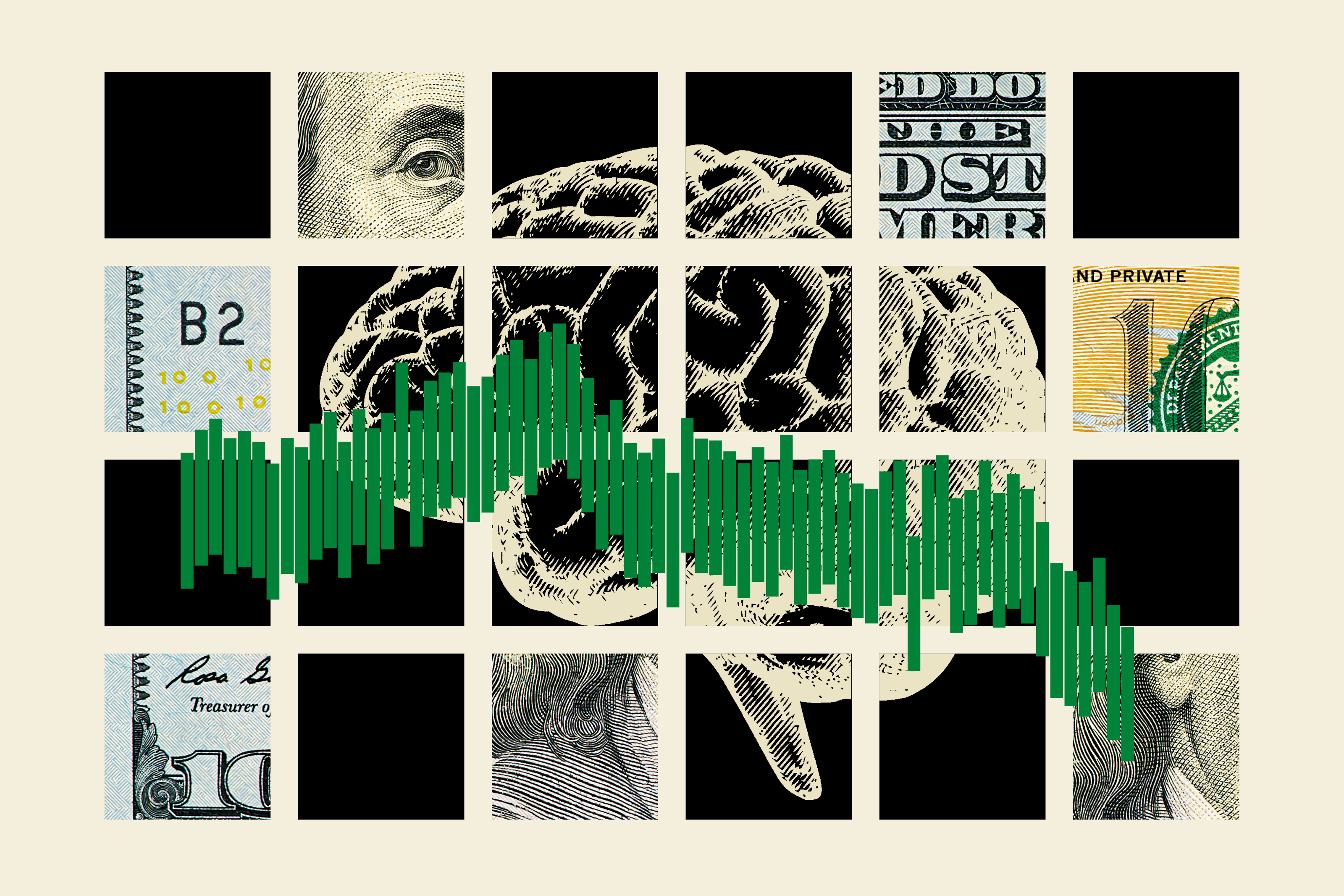
The stock market is reacting negatively to large spending on artificial intelligence (AI) by major tech companies. This has led to a decrease in the stock values of companies like Nvidia and Amazon, as well as other software companies. Investors are uncertain about whether AI investments will pay off and how AI will impact existing business models.
Key Facts
Nvidia's stock value dropped by around 17% since October, reaching a low point by February 5.
Technology sector stocks lost about $1 trillion in value starting late January, with significant impacts in early February.
Amazon's stock fell nearly 10% after announcing $200 billion in planned spending for 2026, higher than what Wall Street predicted.
Four tech giants—Alphabet, Meta, Amazon, and Microsoft—plan to spend about $650 billion on AI infrastructure in 2026.
Oracle's stock value halved after taking on significant long-term leasing commitments for data centers.
The release of Anthropic's AI plugins for automating complex tasks led to notable stock declines in software companies like Asana, Docusign, and ServiceNow.
There is growing concern that AI could threaten existing software companies by providing similar services at lower costs.
Investors are confused and worried due to uncertainty about who will succeed in the AI-driven technological shift.
Read the Original
Want the full story? Tap a source to open the original
article.
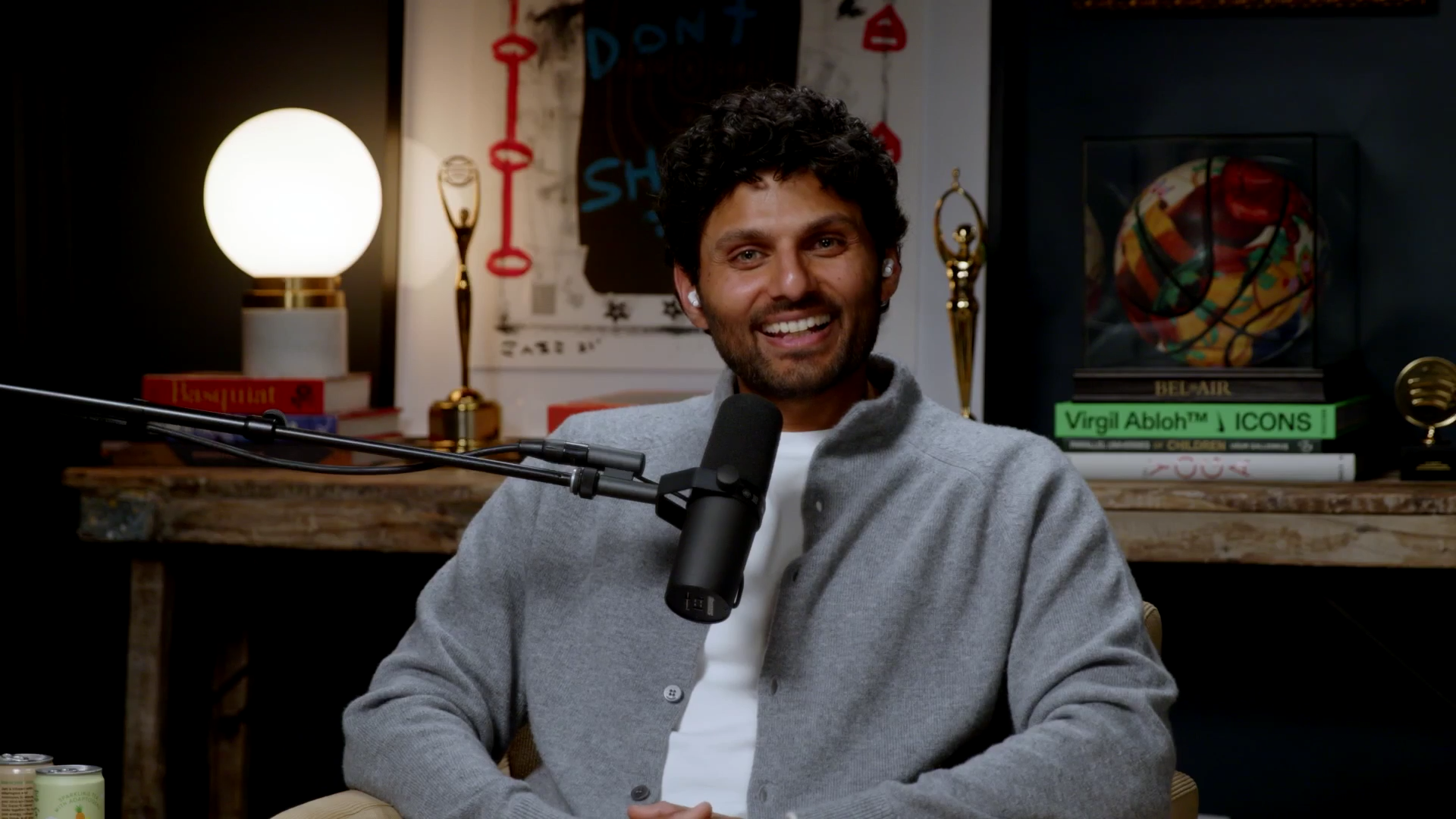
Jay Shetty talks about his new Audible series called "Messy Love" and how it provides a new angle compared to his podcast, "On Purpose." He explains that "Messy Love" involves real couples sharing their experiences, offering insight into genuine relationship challenges.
Key Facts
Jay Shetty is launching a new series on Audible called "Messy Love."
The series features real couples discussing their relationship challenges.
"Messy Love" differs from Shetty's podcast "On Purpose," which focuses on interviews with experts and celebrities.
The goal of "Messy Love" is to make people feel understood and to build compassion.
Shetty emphasizes sharing experiences without projecting them onto others.
He believes people can always learn something new from their loved ones.
Read the Original
Want the full story? Tap a source to open the original
article.
The episode explores the latest in smart technology, focusing on smart glasses and innovative uses of technology in everyday items like Lego bricks. It also discusses AI development for lesser-known languages.
Key Facts
The episode discusses whether smart glasses will become popular this year.
Alasdair Keane tests various new wearable technologies, including smart glasses.
Lego has incorporated technology like lights and sensors into its traditional bricks.
Shiona McCallum examines the new tech-enhanced Lego.
A Hong Kong tech company is working on artificial intelligence for underrepresented languages, starting with Cantonese.
The episode is presented by Shiona McCallum and produced by Tom Quinn.
Mark Zuckerberg, the CEO of Meta, is shown wearing smart glasses in an image associated with the episode.
Read the Original
Want the full story? Tap a source to open the original
article.
Apple is expanding its digital driver's license feature to seven more U.S. states, allowing residents to store their licenses in the Apple Wallet app. This will bring the total number of states offering this option to at least 20, plus Puerto Rico. The digital IDs are accepted at many U.S. airports but not by law enforcement.
Key Facts
Apple announced seven more states—Connecticut, Kentucky, Mississippi, Oklahoma, Utah, Arkansas, and Virginia—will support digital driver's licenses.
This update will increase the total to 20 states, plus Puerto Rico.
The digital ID feature began in 2022 and lets users store government-issued IDs on Apple devices.
Digital IDs can be used at TSA checkpoints but aren't accepted by law enforcement as a replacement for physical licenses.
Currently, 13 states and Puerto Rico offer digital driver's licenses.
TSA accepts digital IDs at over 250 U.S. airports for domestic travel.
To add a license, users must complete identity verification steps in the Apple Wallet app.
Apple's separate Digital ID option for passports is also available for domestic travel at TSA checkpoints.
Read the Original
Want the full story? Tap a source to open the original
article.
Newsweek is hosting a webinar about balancing innovation and risk in artificial intelligence (AI). The event will discuss how companies can use AI while managing safety concerns. Experts from various fields will share insights on effective AI governance.
Key Facts
Newsweek's webinar is titled "AI Governance: Balancing Innovation and Risk."
The webinar is scheduled for February 24 at 1 p.m. ET.
Experts from academia, law, and risk management will speak at the event.
Professor Suraj Srinivasan highlights the challenge of maximizing AI use while ensuring safety and governance.
There is a focus on implementing AI in areas with low perceived risk.
The article uses an analogy comparing the need for good AI governance to having good brakes on a fast car.
Problems like risk and privacy concerns are critical to AI adoption and governance.
The discussion includes how AI affects customers, employees, and decision-making.
Read the Original
Want the full story? Tap a source to open the original
article.
A new technology called Emergency Autoland (EAL) allows the HondaJet Elite II to land automatically if the pilot is unable to do so. Currently, this feature is only available in the United States. The system uses Garmin's avionics equipment and has been certified by the FAA for safe use.
Key Facts
HondaJet Elite II can land itself using Emergency Autoland (EAL) technology.
Garmin provides the automated avionics equipment for this system.
The self-landing feature is only available in the United States.
The system gets activated automatically if the pilot is incapacitated or when passengers press a button.
It chooses the best airport for landing based on various factors and communicates with air traffic control.
The FAA has certified the system for use in the U.S. after extensive testing.
EAL does not use artificial intelligence and works differently from car technology like Honda Sensing.
Honda plans to seek certifications for this technology in other countries.
Read the Original
Want the full story? Tap a source to open the original
article.
Apple and Google have agreed to change their app stores in the UK after the UK's Competition and Markets Authority (CMA) claimed they had too much control, or a "duopoly". The companies will not favor their own apps and will be clearer about how other apps are approved. They will also not misuse data from other app developers.
Key Facts
Apple and Google are making changes to their app stores in the UK following concerns from the CMA.
The CMA said the companies have an "effective duopoly", meaning they dominate the app market.
Apple and Google agreed not to favor their own apps and to be transparent about the approval process for other apps.
The companies will also not use data from other app developers unfairly.
Apple and Google agreed to these changes as immediate commitments to address competition concerns.
The UK app economy is the largest in Europe, supporting about 400,000 jobs.
The CMA will monitor these changes and can require more changes if needed.
Apple and Google have expressed willingness to work with the CMA on these changes.
Read the Original
Want the full story? Tap a source to open the original
article.
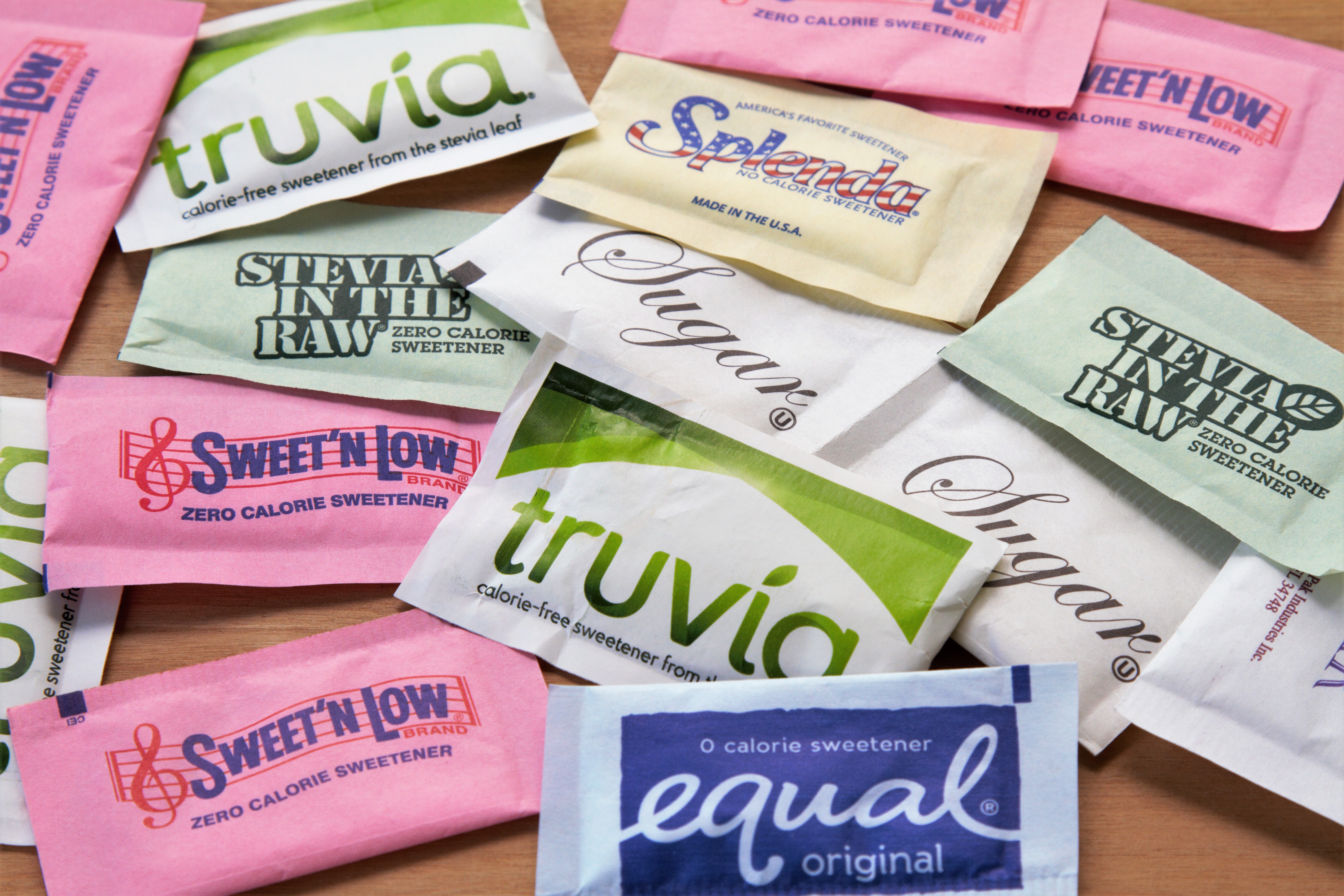
A study from the University of Colorado suggests that the sweetener erythritol may increase the risk of stroke by damaging blood vessel cells in the brain. This research adds to earlier findings linking high erythritol levels with cardiovascular risks. Erythritol is a common sugar substitute in many diet foods and drinks.
Key Facts
Erythritol is a low-calorie sweetener found in many diet products.
"Doctor Who" will return with a Christmas special after Disney ended its involvement with the series. The BBC is committed to keeping the show running, even without Disney's financial support. Billie Piper's surprise appearance as a new character has sparked curiosity about the show's future direction.
Key Facts
"Doctor Who" is a long-running British science fiction show.
Disney, which helped fund the show for two seasons, is no longer involved.
The BBC plans to continue producing "Doctor Who" despite losing Disney's support.
A Christmas special written by Russell T Davies is set to air this year.
Ncuti Gatwa's role as the Fifteenth Doctor ended with a May 2025 episode.
Billie Piper appeared as a new character, sparking speculation about the next Doctor.
"Doctor Who" started in 1963 and was successfully relaunched in 2005.
Read the Original
Want the full story? Tap a source to open the original
article.