China has started operating the world’s first underwater datacentre powered by wind energy off the coast of Shanghai. The underwater datacentre uses less energy and water compared to traditional land-based datacentres by taking advantage of natural seawater cooling and renewable wind power.
Key Facts
The Shanghai Lingang underwater datacentre began operations in May and has a 24-megawatt capacity.
It is located 10 meters below sea level, about 10 km off Shanghai's coast, and powered by a nearby offshore wind farm.
Being underwater helps reduce overall energy use by more than 20% due to natural cooling from seawater.
Traditional datacentres use 25-40% of their electricity for cooling servers with chilled water.
Underwater datacentres use much less freshwater, addressing water consumption concerns linked to AI infrastructure.
The project is a joint effort by HiCloud Technology and China Communications Construction, with a 1.6 billion yuan (£177m) investment.
China plans to increase clean energy use for AI and datacentres significantly by 2030.
Underwater datacentres may affect local marine environments, but experts believe these impacts can be managed with monitoring.
Read the Original
Want the full story? Tap a source to open the original
article.
Apple announced new safety features aimed at protecting children on its devices during its annual Worldwide Developers Conference in California. These features are designed to help keep kids safer when using Apple products.
Key Facts
Apple revealed new tools focused on child safety.
The announcement took place at Apple’s Worldwide Developers Conference.
The conference happened in Cupertino, California.
The features are designed to improve protection for children using Apple devices.
The news was reported by CBS News technology correspondent Jo Ling Kent.
Read the Original
Want the full story? Tap a source to open the original
article.
OpenAI, the company behind ChatGPT, has secretly filed to offer its shares to the public in the U.S. This move follows growing investor interest in artificial intelligence and comes after similar steps by other AI companies like Anthropic.
Key Facts
OpenAI filed confidentially for an initial public offering (IPO) in the U.S., but has not shared details about timing or size.
The company aims for a valuation of up to $1 trillion when it goes public, potentially making it one of the highest-valued tech IPOs.
Anthropic, a competitor, also recently filed for an IPO after raising $65 billion in funding.
OpenAI had over 900 million weekly active users for ChatGPT and more than 50 million paying customers earlier this year.
Microsoft has invested about $13 billion in OpenAI since 2019 and is a major partner, although OpenAI has also partnered with Amazon and Google.
OpenAI reported making $2 billion in monthly revenue in early 2026, growing faster than big tech companies like Alphabet and Meta.
The company expects not to be profitable until 2030 despite rapid revenue growth.
These IPOs mark a significant moment in the tech industry and show strong investor appetite for AI companies.
Read the Original
Want the full story? Tap a source to open the original
article.
The Federal Communications Commission (FCC) has removed the deadline for Amazon to launch half of its planned satellite internet network, called Amazon Leo, by July 2026. The FCC still requires Amazon to complete the full network by July 2029 but wants the company to keep launching satellites quickly to provide better internet service.
Key Facts
Amazon must launch 3,232 satellites for its Amazon Leo broadband network.
The FCC initially required half (1,616 satellites) to be launched by July 30, 2026.
Amazon requested the FCC to extend or remove this deadline because it won’t meet it.
The FCC decided to remove the July 2026 deadline but kept the July 2029 deadline for all satellites.
The FCC supports Amazon Leo because it will offer competition to SpaceX’s Starlink, the only current low-Earth orbit broadband provider in the U.S.
Amazon has invested over $10 billion in the project, including infrastructure and manufacturing.
Launching satellites is difficult because Amazon relies on rockets that are currently grounded or have limited availability.
Amazon has contracts with Blue Origin, United Launch Alliance, and others to launch its satellites, but some rockets are not ready or cannot carry many satellites at once.
Read the Original
Want the full story? Tap a source to open the original
article.
Doctors are prescribing a new weight loss drug called retatrutide, which is still experimental and has not been approved by the U.S. Food and Drug Administration (FDA). Health experts are raising safety concerns about using this medication before it passes official approval.
Key Facts
Retatrutide is an experimental drug intended to help with weight loss.
It has not yet received FDA approval, which means it is not officially cleared as safe and effective.
Some doctors are already prescribing retatrutide to patients.
Safety worries come from the fact that the drug's full effects and risks are not yet fully known.
The FDA approval process involves careful review to ensure a drug is safe for public use.
Experts recommend caution when using unapproved treatments.
The drug’s early use may carry unknown health risks for patients.
Read the Original
Want the full story? Tap a source to open the original
article.
Apple announced new safety features designed to help children and parents use their devices more safely. These features will introduce changes in how families manage device usage and protect kids.
Key Facts
Apple revealed new safety features focused on kids and parents.
The updates aim to improve device security and safety for children.
Parents will have more tools to manage how their kids use Apple devices.
The announcement was made on Monday.
Changes will affect how families interact with Apple technology.
The news was reported by Jo Ling Kent for CBS News.
Read the Original
Want the full story? Tap a source to open the original
article.
Kalshi and Polymarket, two online prediction market platforms, will ban paid creators and affiliates from spreading false information about election results. This move comes after some influencers posted claims questioning the integrity of California’s 2024 primary election.
Key Facts
Kalshi prohibits paid creators from questioning election accuracy or legal rulings about elections.
Polymarket’s rules block affiliates from denying official election results and spreading false information.
Both platforms asked some paid affiliates to remove posts spreading election fraud claims.
Influencers like David Freeman, Benny Johnson, and Kangmin Lee made unproven claims about cheating in California elections.
Prediction markets let users bet on outcomes like sports, politics, or elections.
Federal authorities are investigating if former congressman George Santos traded on Kalshi using insider information.
Kalshi has disciplined political candidates for trading on their own election chances.
Donald Trump Jr. is an adviser to both Kalshi and Polymarket, and President Trump’s platform Truth Social plans its own prediction market.
Read the Original
Want the full story? Tap a source to open the original
article.
OpenAI has filed confidential paperwork with the U.S. Securities and Exchange Commission (SEC) to potentially become a publicly traded company. The company has not decided when it will go public but wants to keep the option open to raise money for developing its artificial intelligence (AI) technology.
Key Facts
OpenAI filed confidential documents for an initial public offering (IPO) with the SEC on June 8, 2026.
The company has not set a timeline for becoming publicly traded and may wait before officially going public.
OpenAI started as a nonprofit in 2015 but reorganized to a public benefit corporation while remaining under nonprofit control.
The company is valued at $852 billion but has not disclosed exact revenue or profit plans.
OpenAI faces competition from Anthropic, another AI company also moving toward an IPO, and SpaceX, which pitches itself as an AI-focused company.
OpenAI won a legal case against Elon Musk, who tried to remove CEO Sam Altman and stop the company’s for-profit changes.
CFO Sarah Friar said OpenAI is preparing for public company standards, including how it tracks revenue.
CEO Sam Altman aims to build advanced AI that can research itself, boost the economy, and provide powerful AI to everyone worldwide.
Read the Original
Want the full story? Tap a source to open the original
article.
A US startup called Foundation Robotics is developing humanoid robots for military and civilian uses, including tasks like supply delivery, reconnaissance, and potentially combat roles. Their first robot, Phantom MK-1, is still in early testing, while a more advanced version is being developed with better durability, battery life, and weapon handling abilities.
Key Facts
Foundation Robotics is a two-year-old company based in San Francisco.
Their robot, called Phantom, weighs 80kg and has a steel cover.
The current model cannot operate in harsh conditions, has no battery, and cannot stand if it falls.
The next version, Phantom MK-2, will be waterproof, have a six-hour battery, and be able to recover from falls.
The company aims to produce 40,000 units per year by 2027 at a cost under $20,000 each.
Phantom robots could perform military support tasks and potentially fight on the front line.
Foundation Robotics has $24 million in US military contracts and is testing robots with the Ukrainian military.
Eric Trump, son of President Donald Trump, has invested in and advises the company.
Read the Original
Want the full story? Tap a source to open the original
article.
OpenAI announced it plans to sell shares to the public by doing a stock market listing in the United States. The company filed a confidential document with the US government to start the process but has not yet set a date. This happens shortly after rival AI company Anthropic also revealed plans to go public.
Key Facts
OpenAI is the company behind the chatbot ChatGPT.
OpenAI filed a confidential document with the US Securities and Exchange Commission (SEC) for an initial public offering (IPO).
The company has not decided when it will go public.
OpenAI says it might stay private a while longer because some work is easier as a private company.
The IPO filing comes a week after Anthropic, another AI company, announced plans to go public.
Selling shares publicly means OpenAI will offer parts of the company to outside investors.
This move could increase competition between AI companies seeking investments.
The news is developing, and more details will come later.
Read the Original
Want the full story? Tap a source to open the original
article.
OpenAI, the company behind ChatGPT, has secretly filed paperwork to sell shares to the public in the United States through an initial public offering (IPO). The company has not shared details or a schedule but aims to raise a large amount of money, potentially valuing the company at up to $1 trillion.
Key Facts
OpenAI filed confidentially for a U.S. IPO but did not disclose size, price, or timing.
The company may delay the IPO because it finds some work easier as a private company.
Reuters reported the IPO could happen as soon as September with a $1 trillion valuation.
OpenAI’s early investors include Microsoft, SoftBank, Amazon, and Nvidia.
OpenAI reported roughly $2 billion monthly revenue and very fast growth compared to tech giants like Google and Meta.
Originally founded as a nonprofit in 2015, OpenAI also created a for-profit arm in 2019 to fund AI development.
In 2024, OpenAI changed to a public benefit corporation to raise more money and loosen nonprofit rules.
Elon Musk sued OpenAI, claiming misuse of its nonprofit status, but a jury ruled in favor of OpenAI in May 2025.
Read the Original
Want the full story? Tap a source to open the original
article.
OpenAI has filed confidential paperwork with the U.S. Securities and Exchange Commission to potentially become a publicly traded company. The company has not set a timetable for the initial public offering (IPO) but wants to keep its options open for a future Wall Street debut.
Key Facts
OpenAI filed preliminary documents to possibly go public through an IPO.
The company is based in San Francisco and develops artificial intelligence technology.
OpenAI has not decided when or if it will complete the IPO yet.
This move follows similar steps by rival AI company Anthropic and Elon Musk’s SpaceX.
OpenAI started as a nonprofit in 2015 and is now valued at $852 billion.
The company reorganized into a public benefit corporation while still under nonprofit control.
OpenAI’s CFO said the company acts like a public firm by tracking its revenue according to SEC standards.
Becoming public would subject OpenAI to regulatory oversight and increase its credibility with investors.
Read the Original
Want the full story? Tap a source to open the original
article.
OpenAI, the company behind ChatGPT, has filed confidential paperwork with the U.S. Securities and Exchange Commission to become a publicly traded company. This step allows OpenAI the option to offer shares to the public on the stock market, but the company has not yet decided when to do this.
Key Facts
OpenAI filed preliminary paperwork for an initial public offering (IPO) with the U.S. Securities and Exchange Commission.
The company is not set on the timing of the IPO and may stay private for some time.
OpenAI became a public benefit corporation last year but is still controlled by a nonprofit.
OpenAI joins Anthropic and SpaceX as AI-related companies moving toward public offerings.
CEO Sam Altman mentioned last year that an IPO is the most likely path due to the large funds needed to expand its technology.
The IPO paperwork filing was announced because the company expected the news to leak.
The move gives OpenAI flexibility to go public if it decides the timing is right.
Read the Original
Want the full story? Tap a source to open the original
article.
OpenAI has filed a confidential form to become a public company, which brings it closer to selling shares to the public. This move will help OpenAI get more money to compete in the growing field of artificial intelligence.
Key Facts
OpenAI filed a confidential S-1 form for an initial public offering (IPO), which starts the process of going public.
The company has not decided when it will officially offer shares to the public.
OpenAI is valued at about $85 billion.
Going public will give OpenAI more funds to develop AI technology.
Other AI companies, including Elon Musk’s xAI and Anthropic, have recently filed for IPOs too.
A confidential filing lets OpenAI get private feedback from regulators before the public sees detailed financial information.
A recent court decision dismissed a lawsuit brought by Musk against OpenAI that might have affected its IPO plans.
Musk and OpenAI CEO Sam Altman co-founded OpenAI in 2015.
Read the Original
Want the full story? Tap a source to open the original
article.
OpenAI has confidentially filed paperwork to sell its shares on the US stock market, a step called an initial public offering (IPO). The company is valued at more than $850 billion and has quickly grown since launching its ChatGPT chatbot in 2022. This move allows OpenAI to raise money from public investors but may happen later due to some benefits of staying private for now.
Key Facts
OpenAI filed a confidential S-1 form with the US Securities and Exchange Commission (SEC) to start the process of going public.
The company’s valuation is estimated at over $850 billion.
OpenAI started in 2015 as a non-profit research lab and became a for-profit company before releasing ChatGPT in 2022.
ChatGPT has gained hundreds of millions of users and influenced many industries like education, healthcare, and entertainment.
OpenAI tried expanding by buying a startup from iPhone designer Jony Ive and launching apps and partnerships but faced some failures.
Rival AI companies like Anthropic and Elon Musk’s AI-related businesses are also planning to go public soon.
OpenAI recently won a lawsuit brought by Elon Musk that challenged its for-profit status, helping clear the way for the IPO.
The company faces legal cases alleging that ChatGPT contributed to mental health and safety issues.
Read the Original
Want the full story? Tap a source to open the original
article.
OpenAI has submitted confidential documents to start the process of becoming a public company by selling shares to the public, known as an initial public offering (IPO). This move comes as other major artificial intelligence companies like SpaceX and Anthropic are also preparing to go public.
Key Facts
OpenAI has confidentially filed paperwork to go public.
The process of going public is called an initial public offering (IPO).
OpenAI announced this on the social media platform X.
SpaceX and Anthropic are two other AI companies that have filed for IPOs recently.
Filing with the Securities and Exchange Commission (SEC) is a required step before an IPO.
Going public allows companies to sell shares to investors on the stock market.
This trend shows growing interest and competition in the AI sector’s business side.
Read the Original
Want the full story? Tap a source to open the original
article.
OpenAI has filed confidential documents to prepare for a possible initial public offering (IPO), which would allow it to sell shares to the public. However, the company says it is still mainly focused on developing new artificial intelligence products and technology.
Key Facts
OpenAI submitted draft paperwork privately for an IPO.
An IPO lets a company sell shares to public investors.
OpenAI wants the option to raise money from public markets.
The company’s current priority is building AI products and infrastructure.
Another AI company, Anthropic, is also planning to go public soon.
The potential value from these IPOs could reach tens of billions of dollars.
The news was announced on a Monday.
Read the Original
Want the full story? Tap a source to open the original
article.
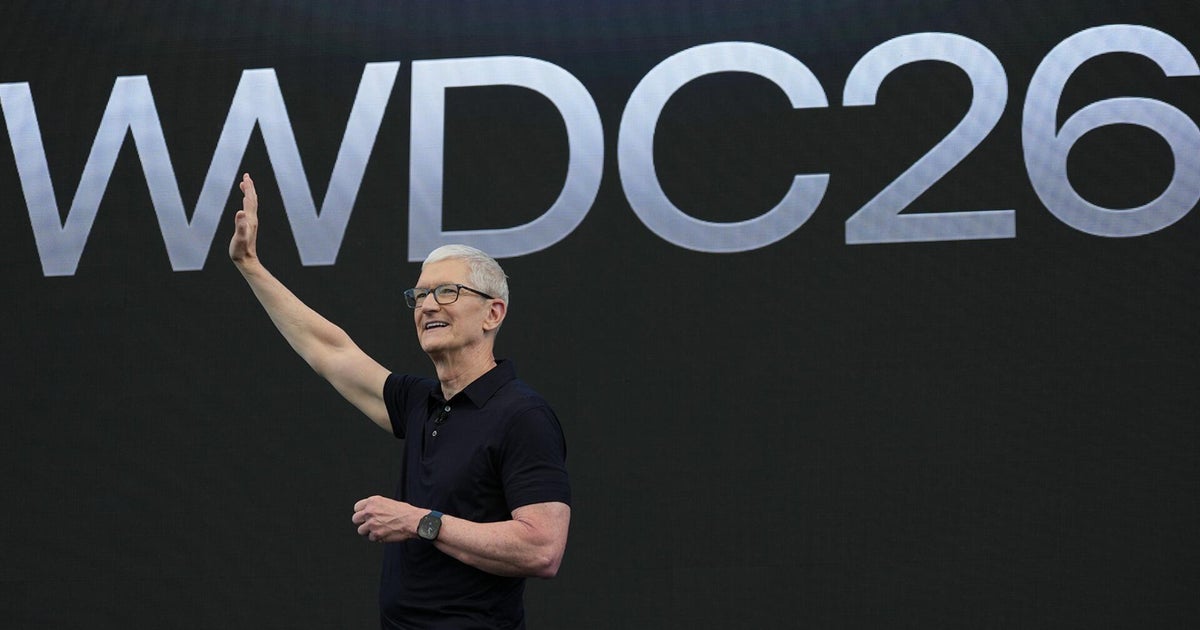
Apple introduced a new version of its digital assistant, Siri AI, designed to be smarter and more conversational while keeping user privacy in mind. This announcement came during Apple’s Worldwide Developers Conference (WWDC), which is also the final WWDC for CEO Tim Cook before he steps down in September.
Key Facts
Apple unveiled an improved Siri AI that works across Apple devices and apps, aiming to be more helpful and understand users better.
The new Siri can use past interactions, images, and general knowledge to assist users.
Apple emphasized privacy as a core part of the new Siri AI’s design.
A beta version of the updated Siri AI will be available later this year for English-speaking users, but not in the European Union.
Apple partnered with Google to use Google’s Gemini models and cloud tech for its new Apple Foundation Models.
Apple announced safety features in iOS 27 to help parents control who their children can talk to and block inappropriate images automatically.
Tim Cook will step down as Apple CEO in September after 15 years, with John Ternus taking over.
Some child safety advocates protested, asking Apple to remove certain content-related apps and improve protection for kids.
Read the Original
Want the full story? Tap a source to open the original
article.
Apple’s new macOS 27 update will only work on Macs with Apple Silicon chips, such as the M1 and newer. Intel-based Macs will no longer be supported for this update, though they will continue to get some security updates for a limited time.
Key Facts
macOS 27, called Golden Gate, requires a Mac with an Apple Silicon chip.
Older Intel Macs can run macOS 26 Tahoe but will stop getting updates after about two years from macOS 27’s release.
Older Macs running macOS 15 Sequoia will get one more year of updates.
Apple Silicon Macs can run apps made for Intel Macs using a tool called Rosetta 2, but this will be limited in the future.
Intel Macs are no longer supported for macOS 27, ending years of support since Apple switched to Apple Silicon.
Some new features in macOS 27 need newer Apple Silicon chips with more memory and won’t work on all Apple Silicon Macs.
The first developer beta of macOS 27 is available now, with a public beta coming in July and the full release in the fall.
Read the Original
Want the full story? Tap a source to open the original
article.
Apple’s new iOS 27 update will work on all iPhones that ran iOS 26, including models as old as the iPhone 11 and second-generation iPhone SE. iPadOS 27 will drop support for a few older iPads but mostly keeps compatibility with newer devices. Some new features will only work on iPhones and iPads with advanced chips and more memory.
Key Facts
iOS 27 supports all iPhones compatible with iOS 26, back to iPhone 11 and iPhone SE (2nd generation).
iPadOS 27 no longer supports the 3rd-gen iPad Air, 8th-gen iPad, and 5th-gen iPad mini, which use the older A12 Bionic chip.
Supported iPads for iPadOS 27 use newer chips like the A13 or better.
iOS 27 has performance improvements on older devices, partly due to a new CPU scheduler that manages tasks more efficiently.
Advanced new features using “Apple Intelligence” require devices with at least 8GB of RAM and newer chipset models, such as iPhone 15 Pro or newer.
On iPads, Apple Intelligence features need an iPad Air or iPad Pro with M1 chip or newer.
More powerful local processing models need at least 12GB of RAM and the newest Apple Silicon chips, like those on iPhone 17 Pro or new M4/M5 iPads.
iOS 27 and iPadOS 27 are currently available as developer beta versions, with public beta coming in July and full releases planned for this fall.
Read the Original
Want the full story? Tap a source to open the original
article.