People are becoming more cautious about investing in artificial intelligence (AI) as some worry that it could be a bubble, similar to the dot-com bubble. While major tech companies like Nvidia are still showing growth, many smaller AI startups are struggling to show financial returns. Concerns also include AI's slow adoption in workplaces and the environmental impact of its technologies.
Key Facts
Some people are comparing current AI investment concerns to the dot-com bubble.
Nvidia reported strong earnings, but other chip companies have slowed sales.
45% of global fund managers believe there might be an AI bubble.
An MIT study found 95% of AI projects in businesses do not make money.
One ChatGPT request uses 10 times more energy than a Google search.
AI adoption in workplaces is slower than expected.
The rise of AI could lead to fears about job losses, but experts say this is premature.
Large tech companies like Nvidia and Google are benefiting more from AI investments than smaller startups.
Read the Original
Want the full story? Tap a source to open the original
article.
A company called Itai Tech Ltd, which ran a site using artificial intelligence (AI) to alter photos, was fined £55,000 for not verifying users’ ages as required by online safety laws. The UK regulator Ofcom also found the company unresponsive to requests for information and took action because their site could be harmful to children. This is the second fine under the new online safety law that demands age verification for adult content websites.
Key Facts
Itai Tech Ltd operated a site that used AI to remove clothes from images, a process called "nudification."
The site was fined £50,000 by Ofcom for failing to verify users’ age, plus £5,000 for not responding to information requests.
UK access to the Itai Tech website was blocked soon after the investigation began.
The fine was issued as part of enforcing the Online Safety Act, which requires age verification for adult content sites.
This was Ofcom's second fine under the new online safety laws.
The first fine was given to 4chan, an online message board, for not complying with requests for information.
Ofcom can use legal means to recover fines if companies do not pay.
Since late July, sites with age-restricted content must use strong age verification methods to protect children.
Read the Original
Want the full story? Tap a source to open the original
article.
The new "Harry Potter" reboot series is in the middle of filming, with plans for each book to have its own season. HBO aims to keep the gap between seasons short, though exact release dates are not yet confirmed. The series hopes to be more faithful to the original books by J.K. Rowling.
Key Facts
The "Harry Potter" reboot series is being produced by HBO and HBO Max.
Each season of the series will cover one book from the original "Harry Potter" series.
Production of Season 1 is ongoing, but no release date has been set, although it’s expected in 2027.
HBO wants to reduce the time between the release of consecutive seasons.
Challenges like actor availability and special effects could influence filming schedules.
The original Harry Potter actor, Daniel Radcliffe, sent a supportive letter to the new actor, Dominic McLaughlin.
Read the Original
Want the full story? Tap a source to open the original
article.
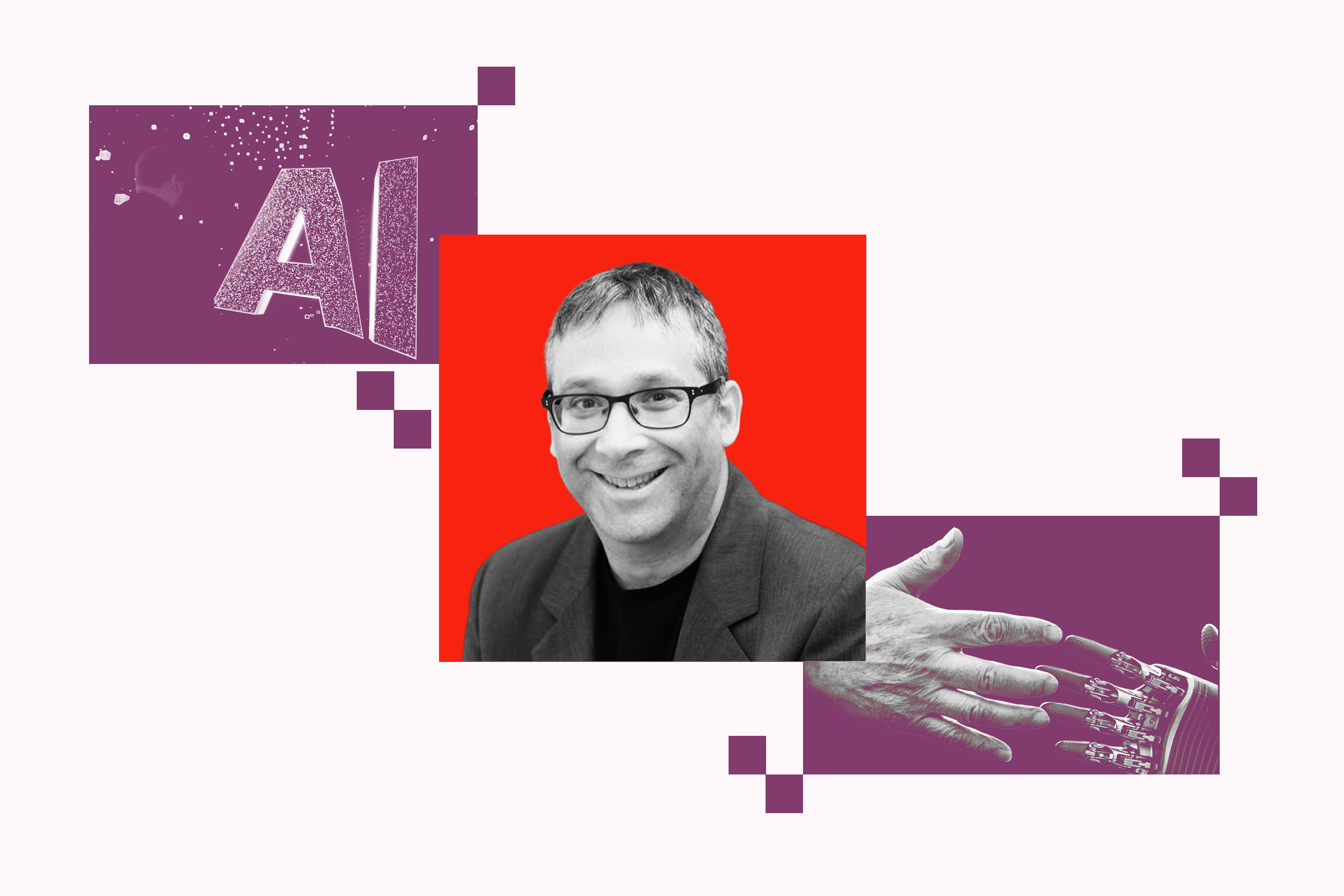
The article discusses Gary Marcus, a significant figure in the field of artificial intelligence (AI). Marcus is known for his critique of current AI systems and has a background in cognitive science. His views are shaped by his experiences and training in fields related to human learning and AI.
Key Facts
Gary Marcus is a well-known figure in the AI field, often critical of current methods.
He uses attention-grabbing language to make his points, such as criticizing the founder of OpenAI.
Marcus started learning about computers and AI at a young age and pursued a PhD in cognitive psychology.
His PhD advisor was Stephen Pinker, a renowned cognitive psychologist and linguist.
Marcus has been influenced by the nativist view of language, which suggests language is an innate human capability.
He served as a professor of psychology and neural science at New York University.
Marcus is interested in finding ways to make AI systems more like human learning.
Read the Original
Want the full story? Tap a source to open the original
article.
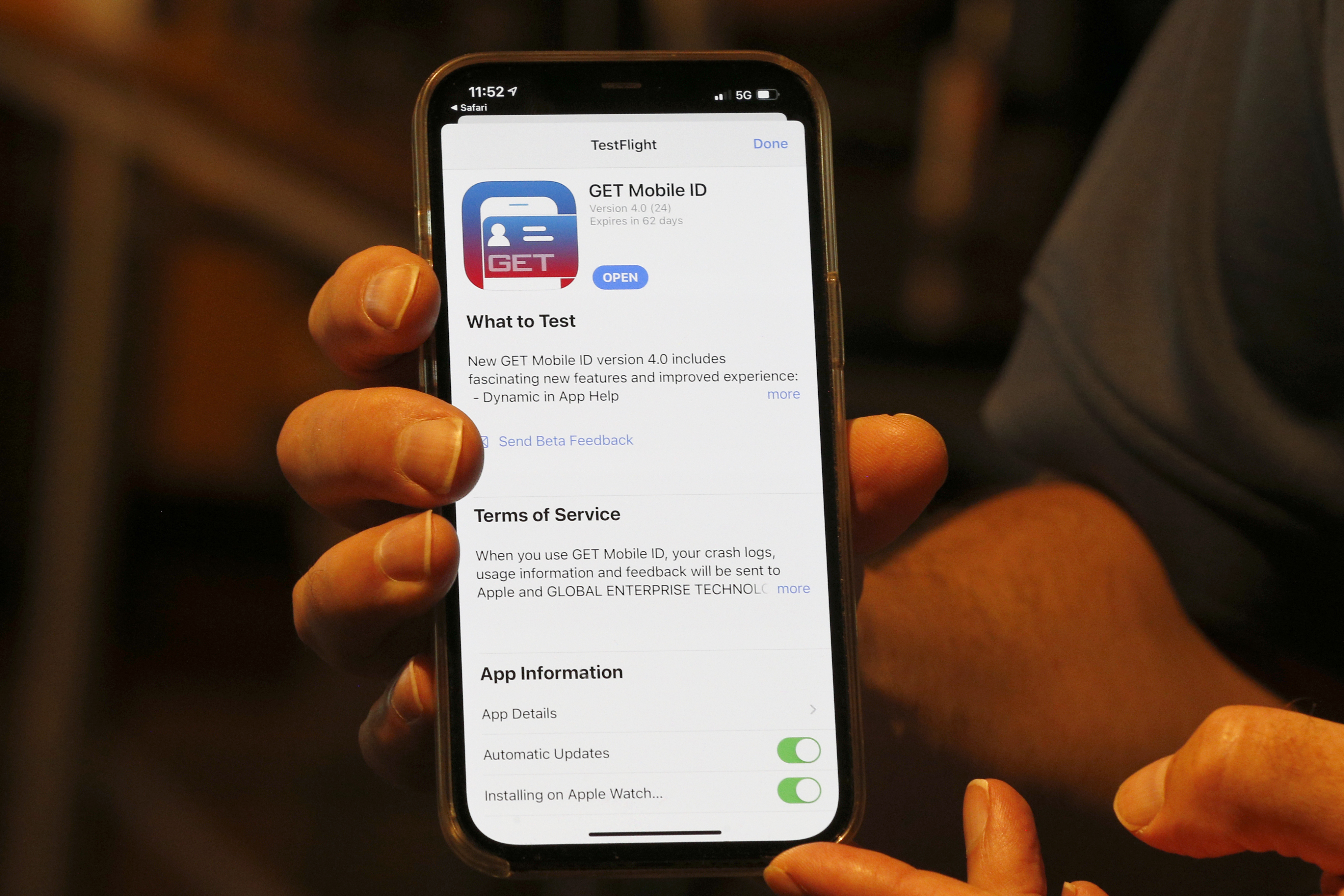
Illinois has launched a digital ID program, allowing residents to store driver's licenses and state IDs on their smartphones. The digital IDs can be used at certain airports and businesses, but physical IDs are still required for legal purposes. The program supports Apple devices, with plans to expand to other smartphone platforms soon.
Key Facts
Illinois is the largest U.S. state to implement digital driver's licenses and state IDs.
The digital ID program began on November 18, 2025.
Residents can use the digital IDs at specific TSA checkpoints and select businesses.
Users need to scan their physical ID and take a selfie to set up their digital ID.
The program is optional and does not eliminate the need for a physical ID.
The digital ID is compatible with Apple Wallet, with future support for Google and Samsung Wallets.
A new Mobile ID Verifier app is available for businesses to confirm identity securely.
More than 12 other states and Puerto Rico also offer digital IDs.
Read the Original
Want the full story? Tap a source to open the original
article.
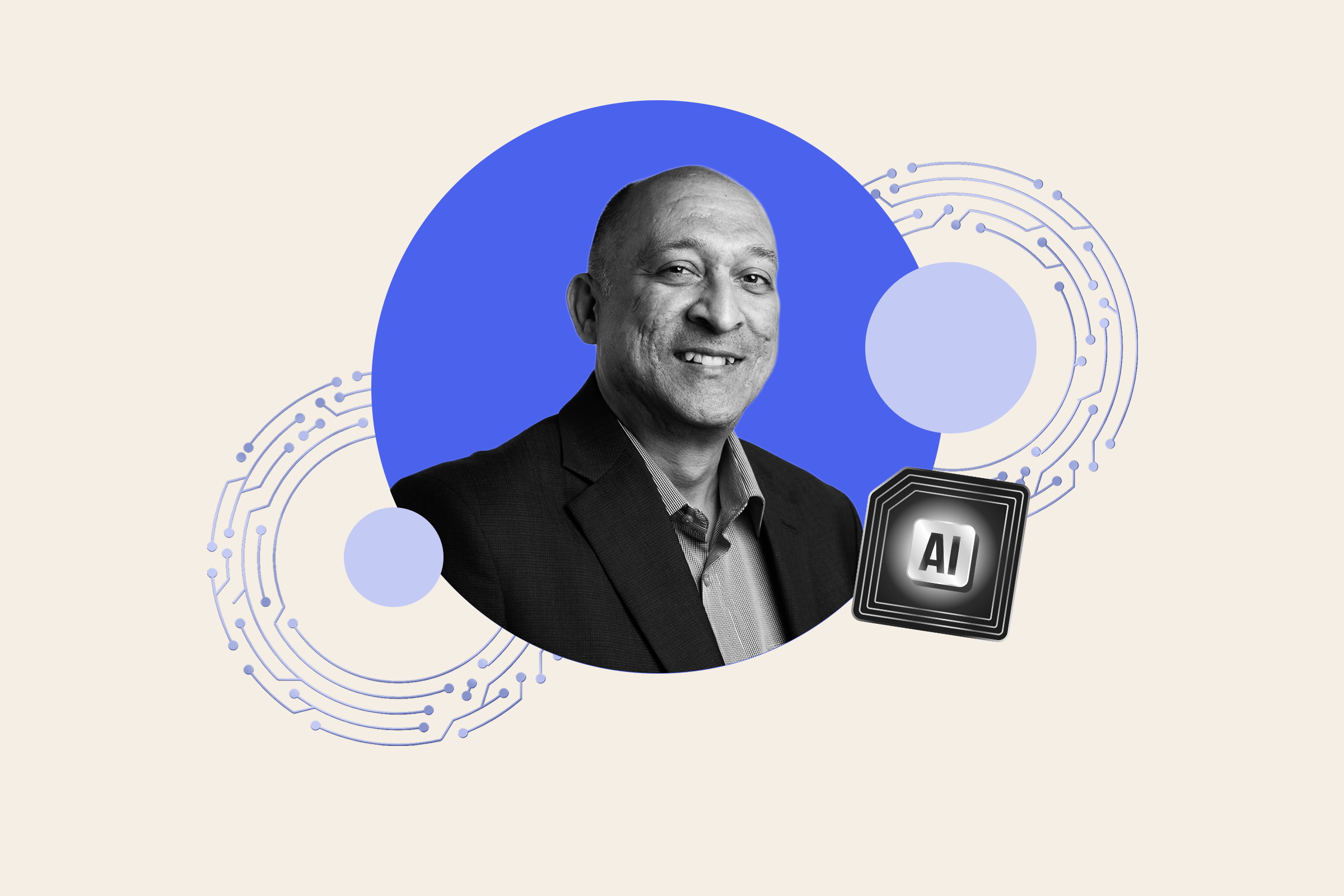
Newsweek is hosting a webinar on December 4 to discuss the real impact of artificial intelligence (AI) on the software-as-a-service (SaaS) industry. The webinar will feature experts who will talk about how AI is truly improving productivity in the industry rather than just adding flashy features.
Key Facts
Newsweek's webinar is titled “The Myths and Realities of AI for SaaS”.
The webinar will happen on December 4 at 11 a.m. ET.
Dr. Ranjit Tinaikar, CEO of Ness Digital Engineering, will be a speaker.
The webinar will cover how AI is helping with engineering productivity and modernization.
AI's main value in SaaS is improving software engineering, not creating new revenue streams.
SaaS providers are offering AI features as standard, and buyers are not paying extra for them.
Legacy system modernization using AI is becoming a significant growth area in industries like finance and healthcare.
AI causes increased use of cloud resources, which results in higher costs for vendors and customers.
Read the Original
Want the full story? Tap a source to open the original
article.
A study from the University of Sharjah found that garlic extract could be an effective mouthwash similar to the commonly used antiseptic chlorhexidine. Although garlic mouthwash may cause discomfort, it has potential because of its long-lasting effects in fighting microbes. Researchers highlight the need for more studies to confirm garlic's effectiveness in dental care.
Key Facts
Scientists at the University of Sharjah studied garlic extract as a mouthwash alternative.
The study compared garlic extract with chlorhexidine, a common antiseptic mouthwash.
Garlic mouthwash can be uncomfortable but may have lasting antimicrobial effects.
The review included five studies that used careful scientific methods to evaluate garlic.
Stronger concentrations of garlic were as effective as chlorhexidine in some scenarios.
Some side effects of garlic mouthwash include a burning sensation and strong odor.
More research with larger clinical trials is needed to confirm these findings.
Garlic has an active compound called allicin that fights bacteria and fungi.
Read the Original
Want the full story? Tap a source to open the original
article.
Professor Yann LeCun, a key figure in the field of artificial intelligence, is leaving Meta after 12 years. He plans to start a new company focused on "advanced machine intelligence," which uses visual learning. LeCun has been a major influencer in AI development and has expressed differing views on the future of AI compared to some industry peers.
Key Facts
Professor Yann LeCun is recognized as a pioneering figure in AI, particularly for deep learning advancements.
He has worked at Meta for 12 years, serving as the chief AI scientist and the founding director of the FAIR lab.
LeCun received an award at St James's Palace for his contributions to AI alongside other honorees.
He is leaving Meta to create a new company focused on developing AI that learns similarly to how children learn, called "advanced machine intelligence."
LeCun believes large language models (LLMs) have limitations and are less effective at achieving human-like intelligence.
Despite differences in AI strategy, LeCun will maintain a relationship with Meta through a partnership with his new firm.
He is skeptical about AI posing an existential threat to humanity, a view that differs from some other experts in the field.
Read the Original
Want the full story? Tap a source to open the original
article.
A popular song on TikTok and Instagram called "I Run" was created using artificial intelligence (AI). The song, made by British artist Haven and co-produced by Jacob Donaghue, was removed from Spotify due to the use of AI-generated vocals. The vocals were processed to sound female, though the song was later updated with a credit to a vocalist named Kaitlin Aragon.
Key Facts
The song "I Run" by Haven gained popularity on TikTok and Instagram.
It was streamed 13 million times on Spotify before being removed.
People questioned the song's vocals, suspecting they were AI-generated.
The song's creators stated that AI was used to modify the original vocals to sound female.
Spotify removes songs using AI to mimic another artist's voice without consent.
The song was re-uploaded to YouTube with vocals credited to Kaitlin Aragon.
There is an ongoing debate about using AI in music.
Read the Original
Want the full story? Tap a source to open the original
article.
The European Union has proposed changes to its rules on artificial intelligence and data privacy. These changes, called the "Digital Omnibus," aim to boost innovation by reducing some regulations. The proposal will delay stricter rules for high-risk AI until 2027 and simplify other tech-related laws.
Key Facts
The European Union plans to change rules on AI and data privacy to encourage innovation.
The changes, called the "Digital Omnibus," remove some strict regulations.
Stricter rules for high-risk AI will be postponed until 2027.
Companies could use anonymized data to train AI models under new rules.
The proposal will reduce documentation requirements for small businesses.
EU tech chief Henna Virkkunen says the changes will help European businesses.
The changes still need approval from all 27 EU member states.
Some tech lobby groups think the reforms do not go far enough, while privacy advocates are worried about reduced digital rights.
Read the Original
Want the full story? Tap a source to open the original
article.
Chinese electric cars are growing in popularity worldwide, but they face challenges in the U.S. and Canada due to high tariffs. These trade barriers make Chinese electric vehicles much more expensive in North America compared to other places.
Key Facts
A new factory opened in Brazil by China's BYD, the largest electric car maker.
BYD is a sponsor at the COP30 climate summit in Brazil.
China has a large presence at the COP30 summit, while the U.S. government does not.
President Trump called climate change concerns a "hoax."
Trade barriers from the Biden administration make Chinese electric cars expensive in the U.S. and Canada.
China produced 12.4 million electric cars in 2024, with 40% of exports going abroad.
Tariffs on Chinese electric cars in the U.S. and Canada are over 100%.
High tariffs make a $30,000 Chinese EV cost at least $60,000 in the U.S. and Canada.
Read the Original
Want the full story? Tap a source to open the original
article.
The use of AI in the insurance and collision repair industries is growing rapidly. Insurance companies are now using AI to improve speed and handle more data, focusing on claims automation and fraud detection. This shift aims to enhance productivity and meet customer expectations for faster and more personalized services.
Key Facts
AI is becoming a key part of the insurance and collision repair industries, not just an experiment.
Companies are focusing on claims automation and fraud detection as main areas for AI use.
AI tools help streamline processes, such as estimating repair costs and managing claims documentation.
CCC Intelligent Solutions has been investing in AI for more than a decade.
AI technology helps deal with labor shortages by increasing productivity and assisting new hires.
AI in subrogation is speeding up claims processing and reducing costs.
AI adoption aims to meet demands for instant and personalized customer experiences.
There is a notable shift from testing AI to adopting it as a strategic need in the industry.
Read the Original
Want the full story? Tap a source to open the original
article.
A court in Paris stopped the auction of La Pascaline, an early mechanical calculator made by Blaise Pascal, to keep it in France as a possible "national treasure." Christie's planned to auction the device, but scientists and researchers wanted to protect its historical and scientific importance.
Key Facts
La Pascaline is an early mechanical calculator developed in 1642 by Blaise Pascal.
A court in Paris blocked its auction to prevent it from leaving France.
Christie's was set to auction La Pascaline, expecting it could sell for €2 to 3 million.
The machine is considered one of the most important scientific instruments ever offered at auction.
Only nine of these calculators exist today.
The French culture ministry had given initial approval for its export, which the court has now temporarily halted.
The court sees the device's historical and scientific significance as potentially making it a "national treasure" under French law.
Read the Original
Want the full story? Tap a source to open the original
article.
The White House is considering an executive order to override state artificial intelligence (AI) laws by creating a national standard. This order would task government agencies with challenging state laws that conflict with federal AI policy and could affect federal grant allocations. However, the executive order is still in draft form and may change before finalization.
Key Facts
President Trump supports a federal regulation standard for AI, which the executive order would help establish.
The order proposes creating an "AI Litigation Task Force" to challenge state AI laws within 30 days.
The Federal Communications Commission (FCC) and Federal Trade Commission (FTC) would have specific roles in developing federal standards that override state laws.
States that do not comply with the executive order could risk losing federal grant funds.
The Commerce Secretary would develop eligibility conditions for states to receive certain federal funds for internet access.
The draft order calls on all agencies to assess their grant programs to ensure states comply with the national AI policy.
Legal challenges to the order's authority might arise, as only Congress can preempt state regulation directly.
Some Republican leaders and governors have opposed the idea, seeing it as a centralization of power that favors large tech companies.
Read the Original
Want the full story? Tap a source to open the original
article.
Artificial intelligence (AI) is becoming more common in U.S. classrooms. Parents and teachers are considering both the benefits and challenges of using AI in education.
Key Facts
AI is being introduced into schools across the United States.
Teachers and parents are discussing how AI affects learning in classrooms.
The conversation involves both potential benefits and risks of using AI.
Justin Reich, an author, has written about why technology alone may not change education for the better.
The integration of AI into schools highlights the ongoing tech shift in education.
Read the Original
Want the full story? Tap a source to open the original
article.
Companies will meet with an official from President Trump's administration to talk about his AI exports program. The meeting will address questions about the program and discuss broader trade and technology policies. The gathering is organized by a trade group for the technology industry.
Key Facts
Companies will meet with a Trump administration official on Thursday.
The meeting will focus on President Trump's AI exports program.
International Trade Administration Under Secretary William Kimmitt will attend.
The meeting will also cover trade and technology policy priorities.
The Information Technology Industry Council is hosting the event.
The roundtable is part of ongoing discussions between the ITA and the industry.
A deadline for industry comments on the program has been extended to December 13.
Read the Original
Want the full story? Tap a source to open the original
article.
Google's CEO Sundar Pichai highlighted a special chip called the Tensor Processing Unit (TPU) at Googleplex, its headquarters in California. This chip is key to handling AI queries and is seen as crucial in the AI boom. However, there are worries about a possible bubble in the AI industry, which could impact financial markets.
Key Facts
Google is focusing on a chip called Tensor Processing Unit (TPU) for AI development.
Sundar Pichai, Google's CEO, believes AI is a major technology with high potential but acknowledges possible societal disruptions.
There is concern about whether the rapid growth in the AI industry is sustainable or if it might crash like the dotcom bubble.
The Bank of England and AI experts speculate about the possibility of a financial market correction due to high valuations of tech firms.
Google is investing over $90 billion a year in AI development, a significant increase in spending.
Tech companies like Alphabet, Nvidia, Apple, Meta, and OpenAI have huge market values, totaling trillions of dollars.
The U.S. stock market's growth relies heavily on a few large tech companies, increasing financial risks.
The current market concentration in tech firms is similar to the level seen during the dotcom bubble.
Read the Original
Want the full story? Tap a source to open the original
article.
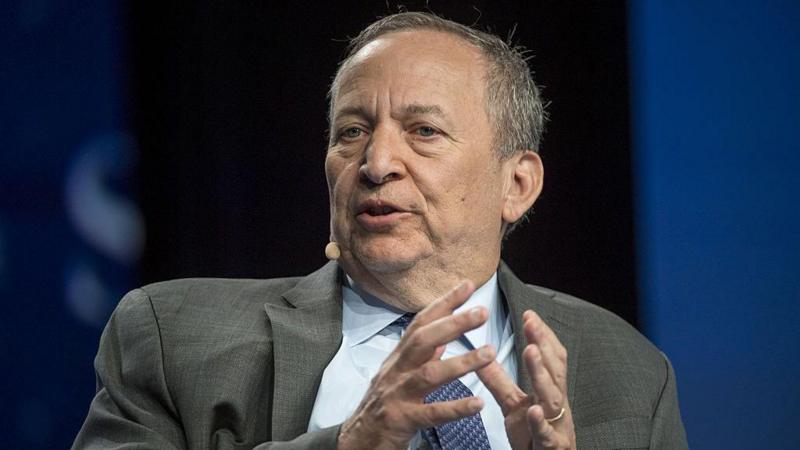
Larry Summers resigned from the OpenAI board after emails between him and Jeffrey Epstein were released. Summers decided to step back from public roles due to his connections with Epstein, who was involved in criminal activities. OpenAI acknowledged his resignation and appreciated his contributions.
Key Facts
Larry Summers resigned from the OpenAI board after emails with Jeffrey Epstein were made public.
Summers communicated with Epstein until just before Epstein's arrest in 2019.
OpenAI stated they respected Summers' resignation decision.
Congress is moving forward with a measure to release files on Epstein, which President Trump plans to sign.
The released emails showed no legal wrongdoing by Summers.
Summers served in senior roles under Presidents Bill Clinton and Barack Obama.
Summers was a former president of Harvard University and remains a professor there.
Summers joined OpenAI's board in 2023 after a failed attempt to replace its chief executive.
Read the Original
Want the full story? Tap a source to open the original
article.
Mount Sinai, Israel's Sheba Medical Center, and NVIDIA have teamed up to use artificial intelligence (AI) to study the human genome. They aim to discover new ways to prevent, diagnose, and treat diseases with this research. The collaboration plans to leverage AI technology to analyze genomic data and uncover patterns linked to health issues.
Key Facts
Mount Sinai, Sheba Medical Center, and NVIDIA will work together for three years.
They are using an AI tool called a large language model to study the human genome.
The project seeks to find new pathways for disease prevention and treatment.
The research will look into parts of the genome once considered "junk DNA" for important genetic functions.
Sheba and Mount Sinai will provide genome data and research expertise, while NVIDIA will supply AI technology and support.
The initiative is part of Mount Sinai's Million Health Discoveries Program.
NVIDIA's AI platform will help create a Genomic Foundation Model (gFM) to uncover genetic information related to health risks.
The collaboration combines global resources to push forward medical research and improve healthcare worldwide.
Read the Original
Want the full story? Tap a source to open the original
article.
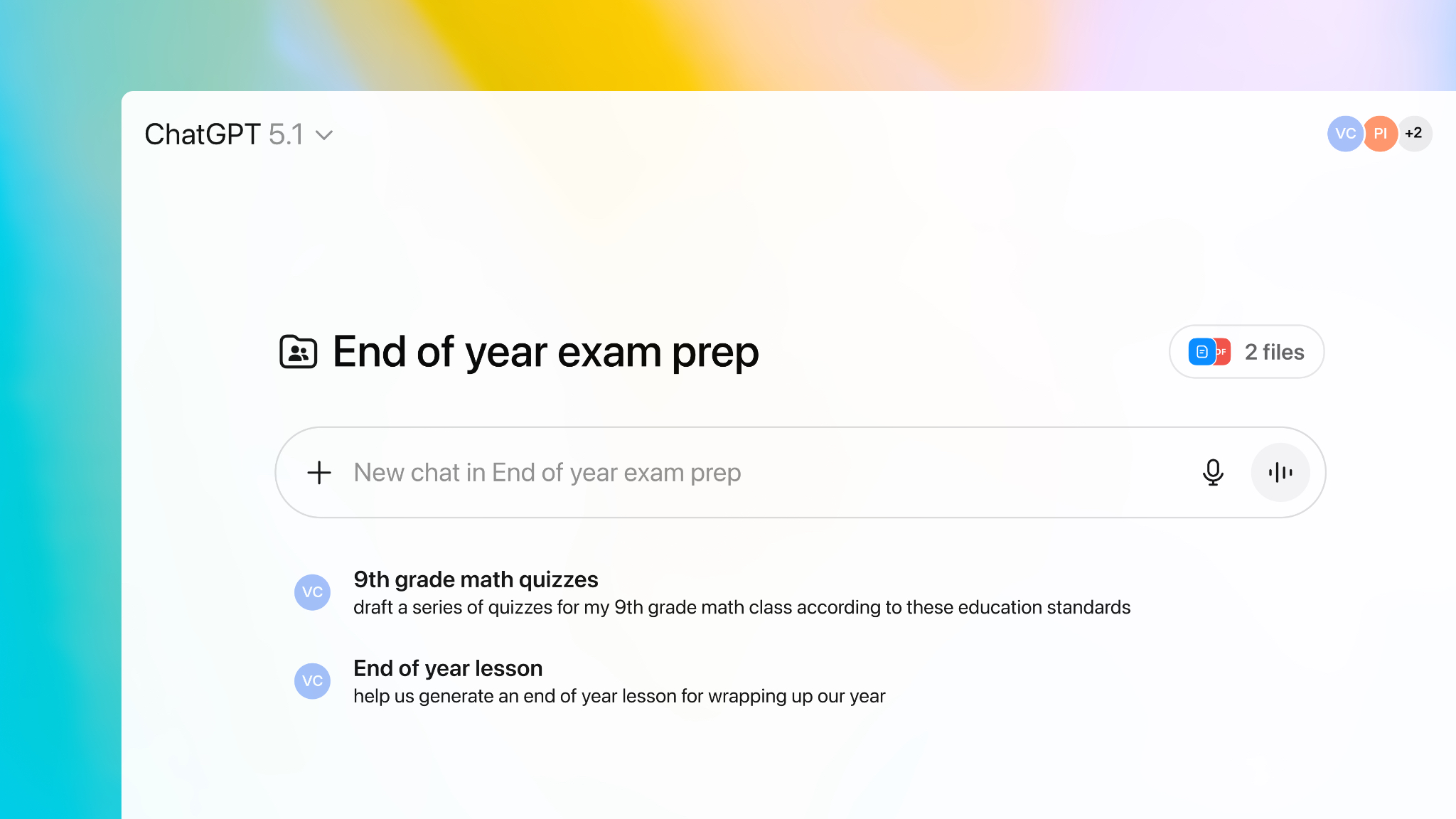
OpenAI has launched a new version of ChatGPT called "ChatGPT for Teachers," aimed at supporting K-12 educators in the U.S. This tool is provided for free to verified teachers and school districts until June 2027 and focuses on privacy, curriculum support, and collaboration.
Key Facts
OpenAI introduced "ChatGPT for Teachers" for K-12 educators in the U.S., free until June 2027.
The tool is designed for classroom needs, providing a secure workspace and enhanced privacy.
It includes features like GPT-5.1, web search, and image generation in a protected environment.
Teachers can pull materials from Google Drive or Microsoft 365 and collaborate with peers.
The platform ensures privacy by not using shared data to train models and aligns with FERPA rules.
Teachers can tailor the system to fit their grade level and teaching style.
OpenAI is working with major school districts, including Fairfax County and Houston ISD, to implement the platform.
Read the Original
Want the full story? Tap a source to open the original
article.